Why Choose Non Woven Interlining: A Smart Choice for Modern Garment Manufacturing
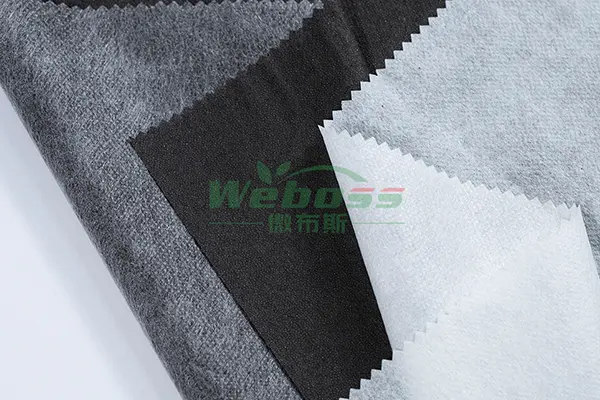
In the evolving world of textile and garment production, choosing the right interlining plays a critical role. It directly affects a garment’s shape, durability, and overall performance. Among the various interlining options available, non woven interlining stands out for its versatility, cost-efficiency, and ease of use. The interlining is widely used in men’s shirts, women’s fashion, uniforms, and outerwear. It provides consistent support and adapts well to different fabrics and designs.
Stable Support with Superior Non Woven Interlining Fabric Performance
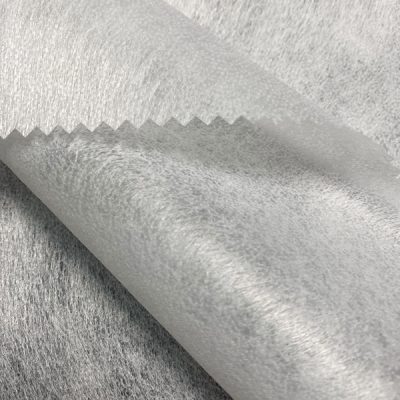
One of the primary functions of non woven interlining is to provide shape and stability to the fabric without altering its natural drape. Compared to woven or knit interlining, interlining offers more uniform thickness and dimensional stability.
Thanks to its bonded fiber structure, interlining can maintain the integrity of collars, cuffs, plackets, and front panels over extended periods of wear. It adheres well to a wide variety of outer fabrics, helping garments retain their shape while allowing for natural movement.
interlining also performs well under repeated washing and ironing, particularly when it features thermal bonding or resin finishes. It ensures garments remain crisp and structured, even after multiple uses.
Enhanced Efficiency in Non Woven Interlining Production Lines
Manufacturers value non woven interlining for its ease of application. Its uniform thickness and flexible structure require minimal adjustment during garment assembly. This helps save valuable time on the production floor.
Additionally, most interlining types are compatible with fusible technology, which allows them to bond quickly and securely with outer fabrics using heat and pressure. This eliminates the need for stitching, reducing production complexity and labor costs.
Here’s a simple comparison between woven and interlining in production scenarios:
| Feature | Woven Interlining | Non Woven Interlining |
|---|---|---|
| Bonding time | Longer | Shorter |
| Flexibility in use | Moderate | High |
| Cost-efficiency | Medium | Excellent |
| Ease of cutting and shaping | Moderate | Very easy |
The ability to streamline operations and reduce waste makes the interlining an ideal choice for large-scale and fast-paced garment manufacturing environments.
Cost-Effective Without Compromising Quality
Affordability is another major advantage of non woven interlining. Produced through processes like chemical bonding, thermal bonding, or needle punching, the interlining is generally more economical to manufacture than its woven counterparts. This cost benefit is passed along the supply chain, allowing manufacturers to maintain high product quality while staying competitive in price.
Despite its affordability, the interlining can be engineered to meet high performance requirements. These include water resistance, elasticity, and heat tolerance. This makes it suitable even for premium fashion lines.
Furthermore, manufacturers can select from different weight classes, adhesive types, and surface treatments to match the specific needs of each garment style, maintaining consistency across different production batches.
Conclusion
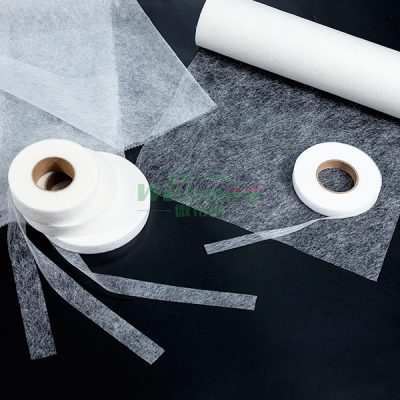
Non woven interlining offers a perfect balance of performance, flexibility, and economic value—making it an indispensable material in modern garment production. Its stability, easy application, affordability, and broad compatibility with different garment types give manufacturers the tools to deliver consistent quality at scale.
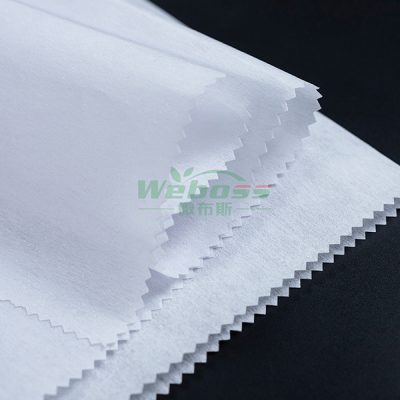
For garment makers seeking to optimize production while maintaining durability and style, Weboss interlining factory offers reliable non woven interlining solutions. These solutions are designed to meet the demands of global fashion and textile markets.
continue reading
Related Posts

This article explains laminated nonwoven fabric, its structure, materials, functions, applications, and how to choose the right option for different uses.

Spunmelt nonwoven fabric is a multi-layered material combining spunbond and meltblown technologies to deliver strength, breathability, and barrier performance. Manufactured through polymer extrusion, web formation, bonding, and finishing, spunmelt fabrics can feature hydrophilic, anti-bacterial, anti-static, and “Three-Anti” treatments.
-
Spunlace nonwoven fabric is a mechanically bonded material produced by entangling fibers with high-pressure water jets rather than thermal or chemical bonding.