Insights

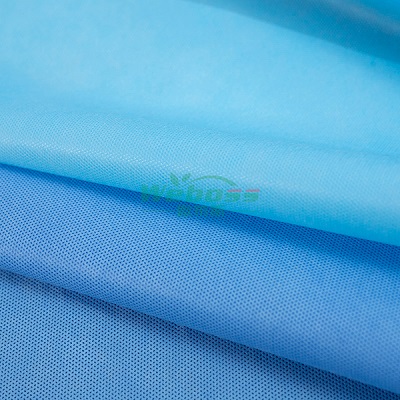
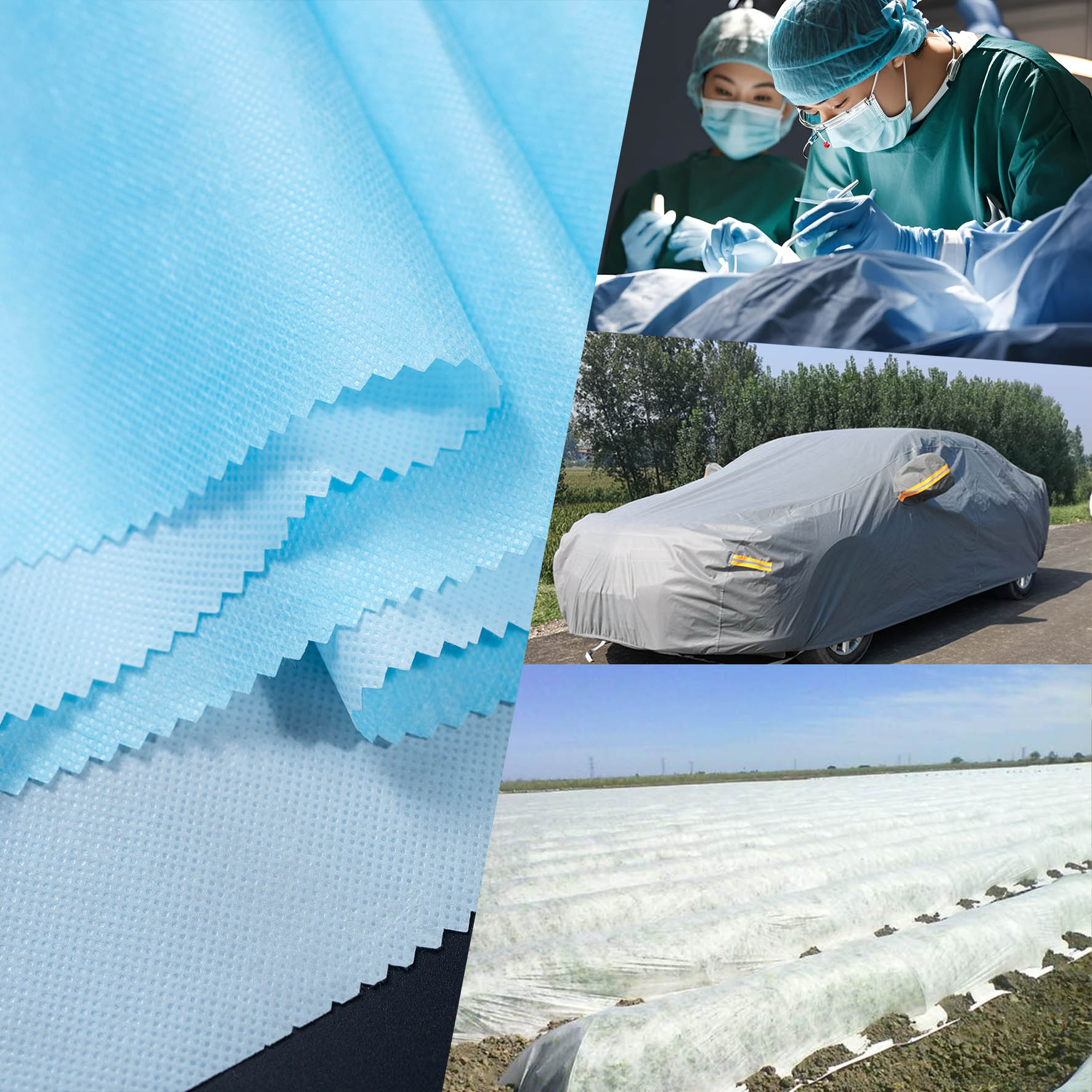
Spunmelt nonwoven fabric is a multi-layered material combining spunbond and meltblown technologies to deliver strength, breathability, and barrier performance. Manufactured through polymer extrusion, web formation, bonding, and finishing, spunmelt fabrics can feature hydrophilic, anti-bacterial, anti-static, and “Three-Anti” treatments.
-
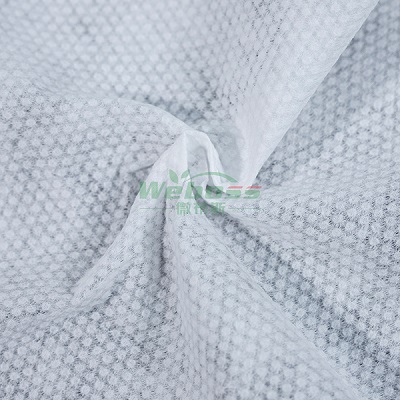
Spunlace nonwoven fabric is a mechanically bonded material produced by entangling fibers with high-pressure water jets rather than thermal or chemical bonding.

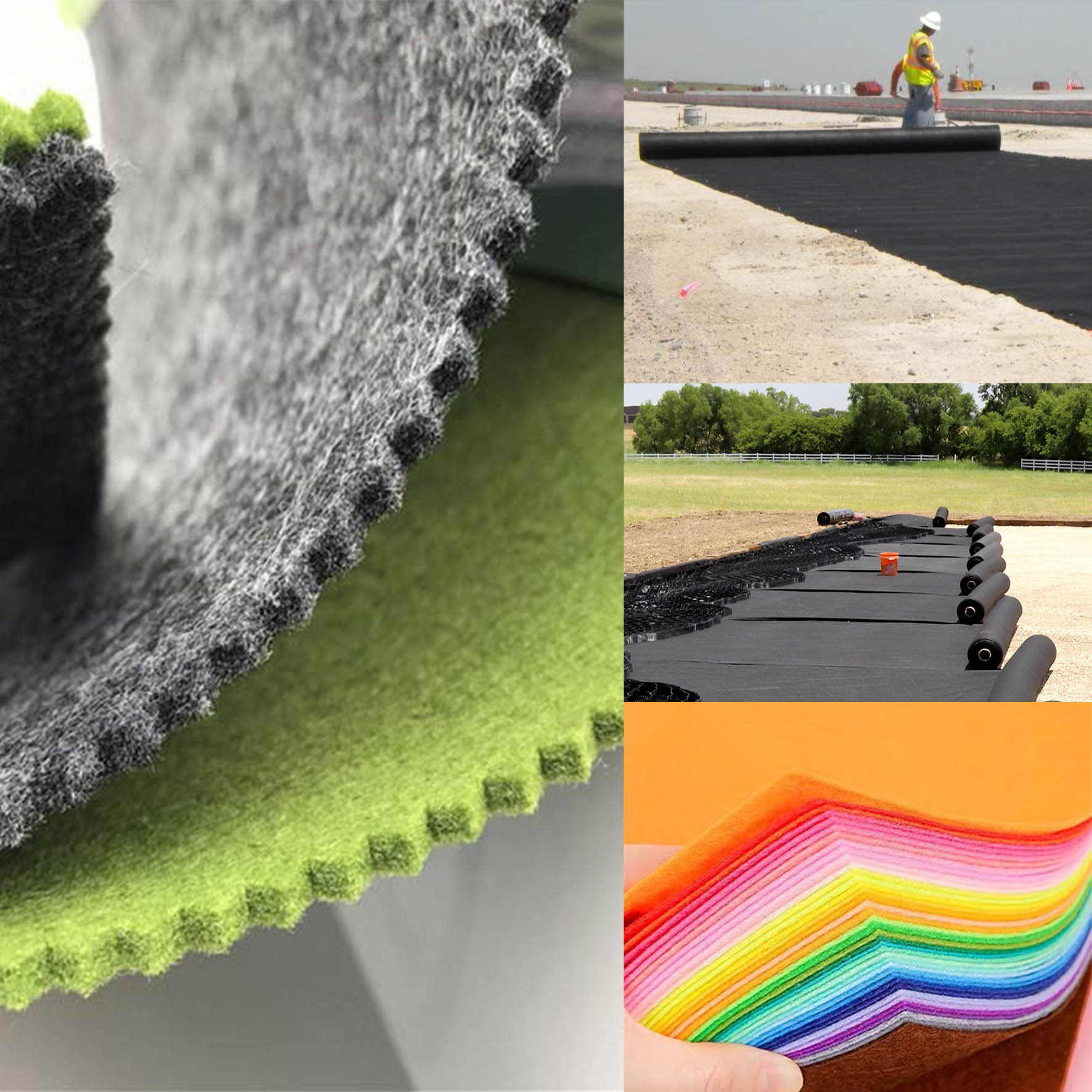
This article explains what needle punched nonwoven fabric is, how it is made, its materials, key features, and common applications.
-
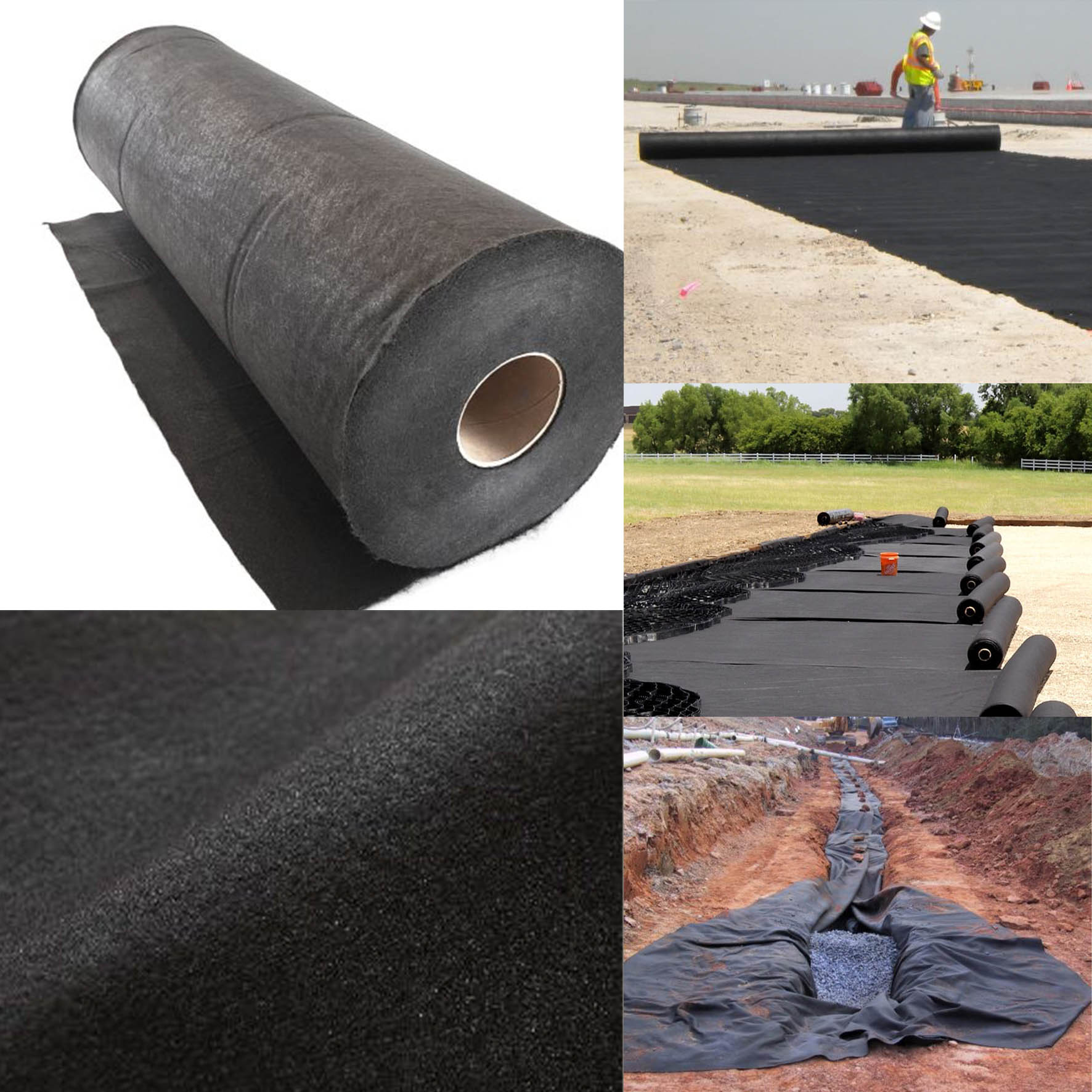
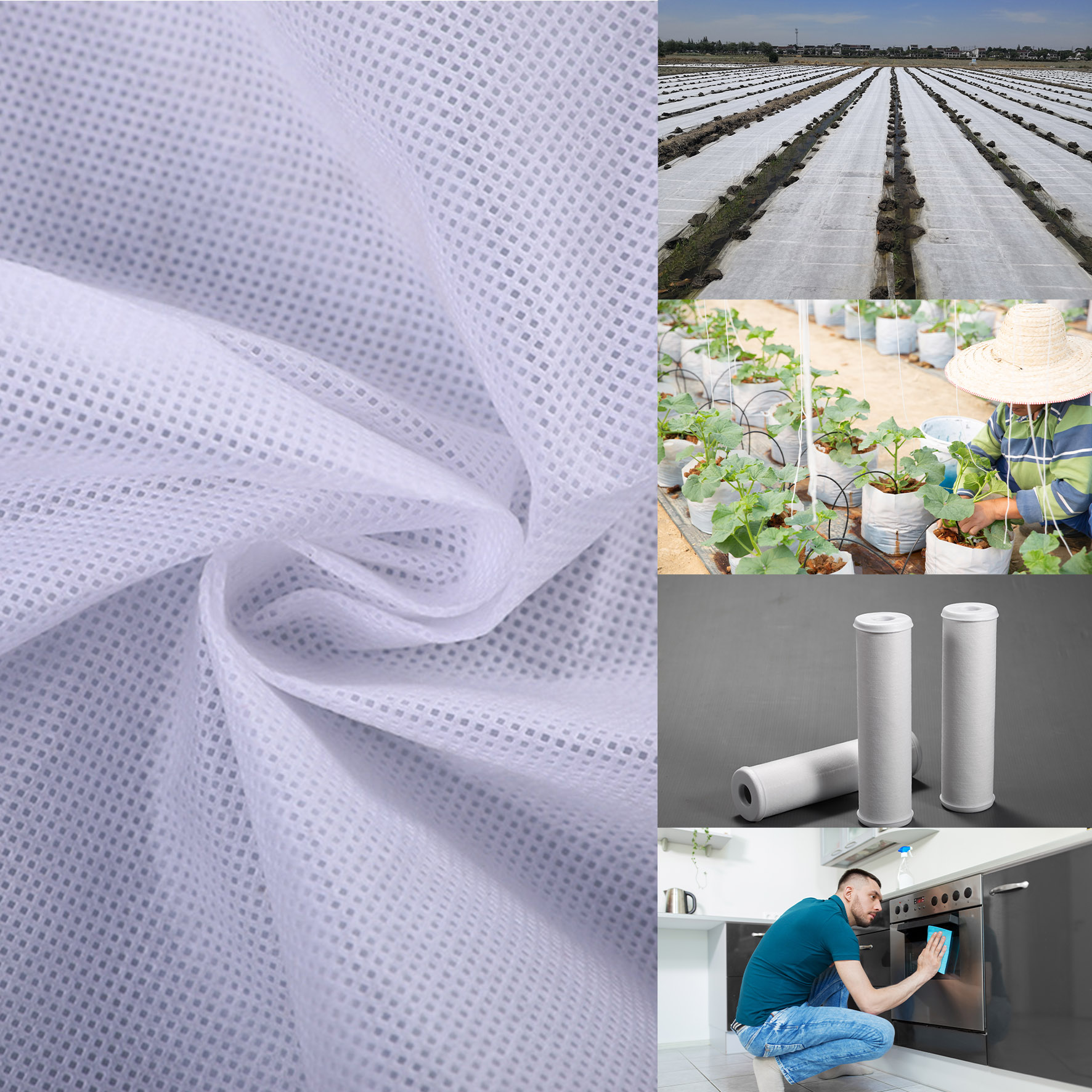
This article explains nonwoven geotextile fabric, its materials, functions, applications, and how it works in real projects.
-
This article explains laminated nonwoven fabric, its structure, types, features, and where it is commonly used.
-
This article explains PP spunbond nonwoven fabric, its features, common uses, and how buyers choose the right type.
-
This article explains what PET nonwoven fabric is, its features, common uses, and how to choose the right type.
-
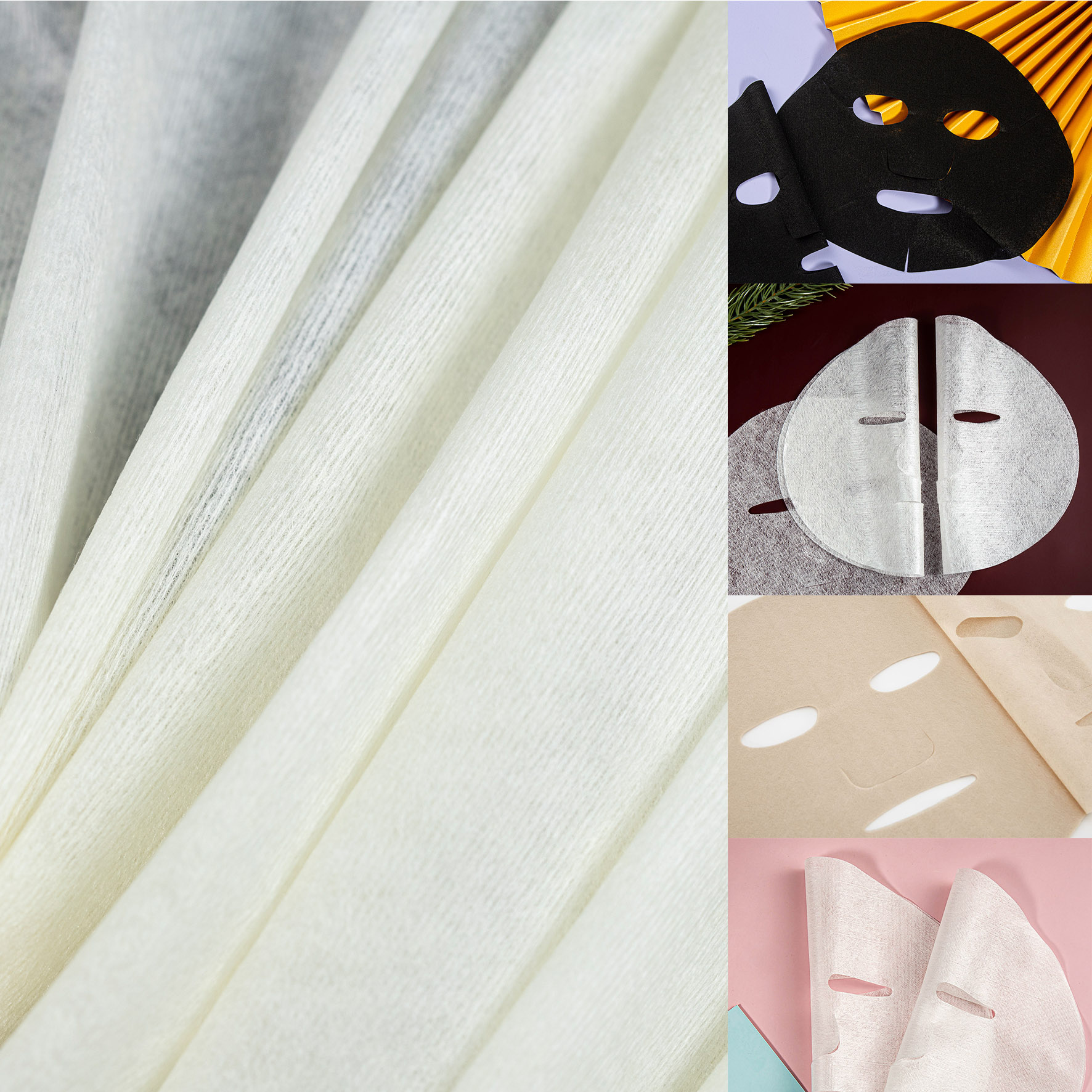
This article introduces spunlace nonwoven fabric used for facial masks, explains common fiber options like viscose, Tencel, cotton, chitosan, bamboo and seaweed fibers, and shows how each material affects comfort and performance.
-
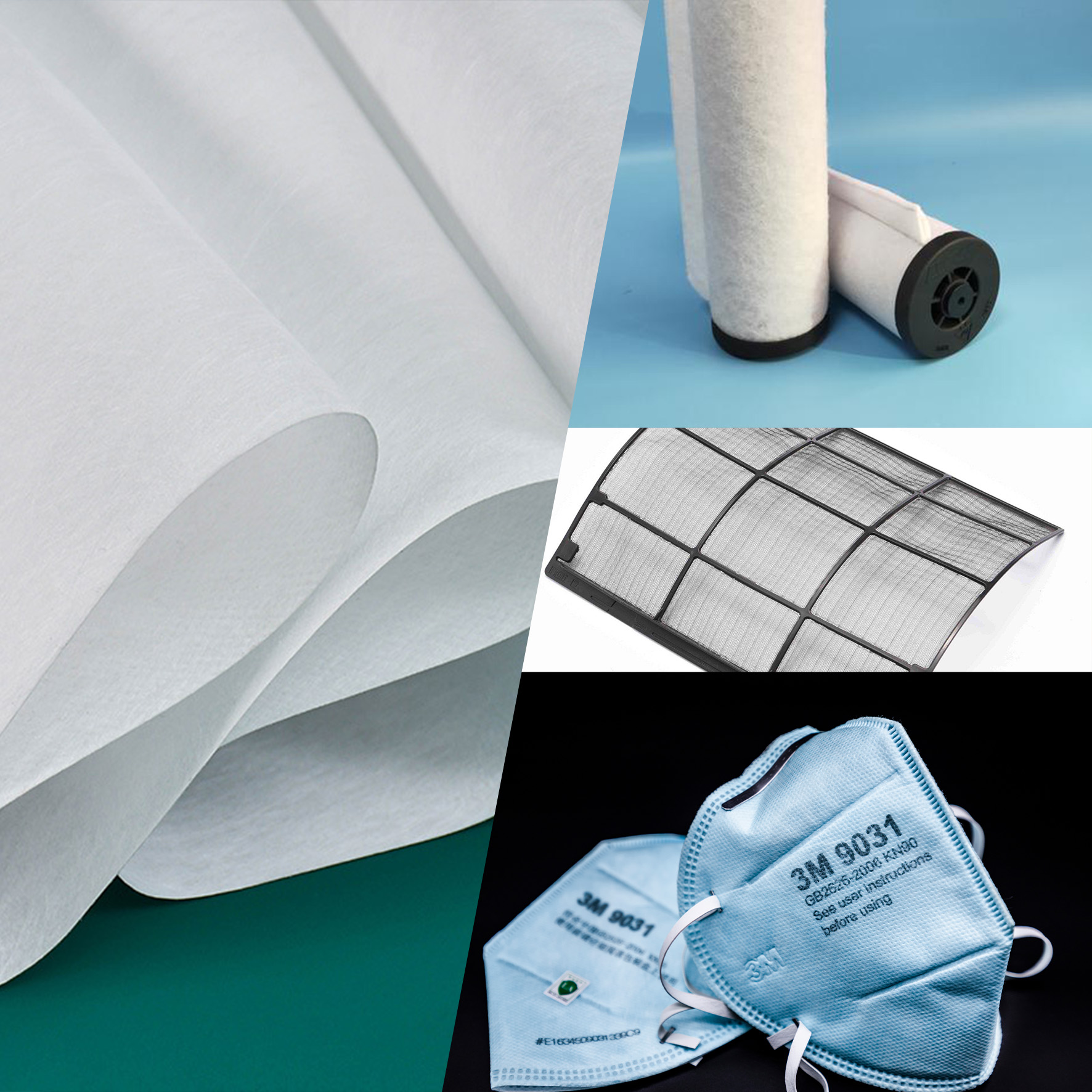
Learn what meltblown nonwoven fabric is, how it’s made, and where it’s widely used in filtration, hygiene, and industrial applications.