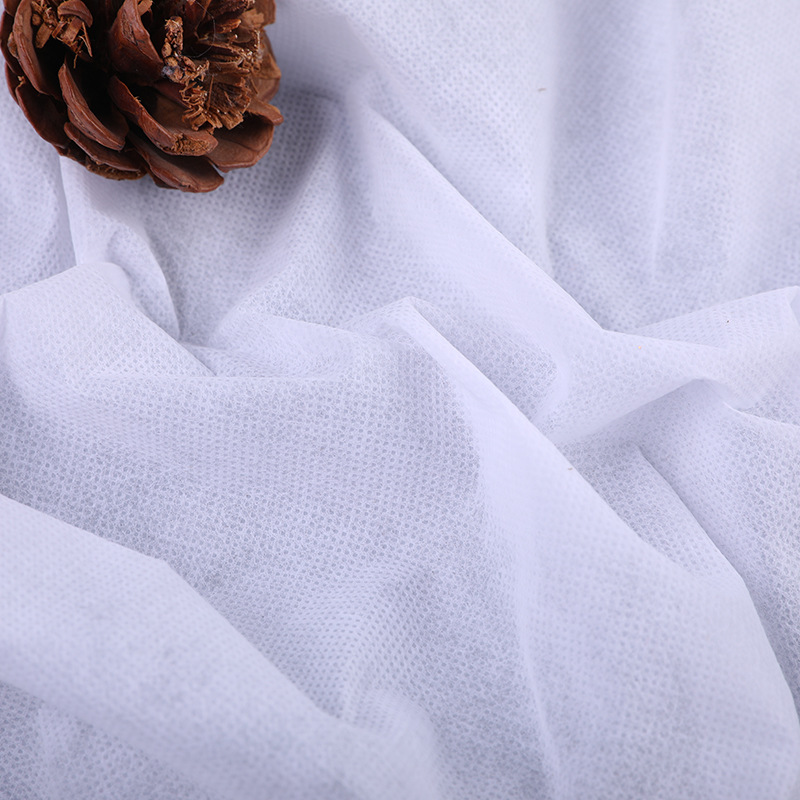
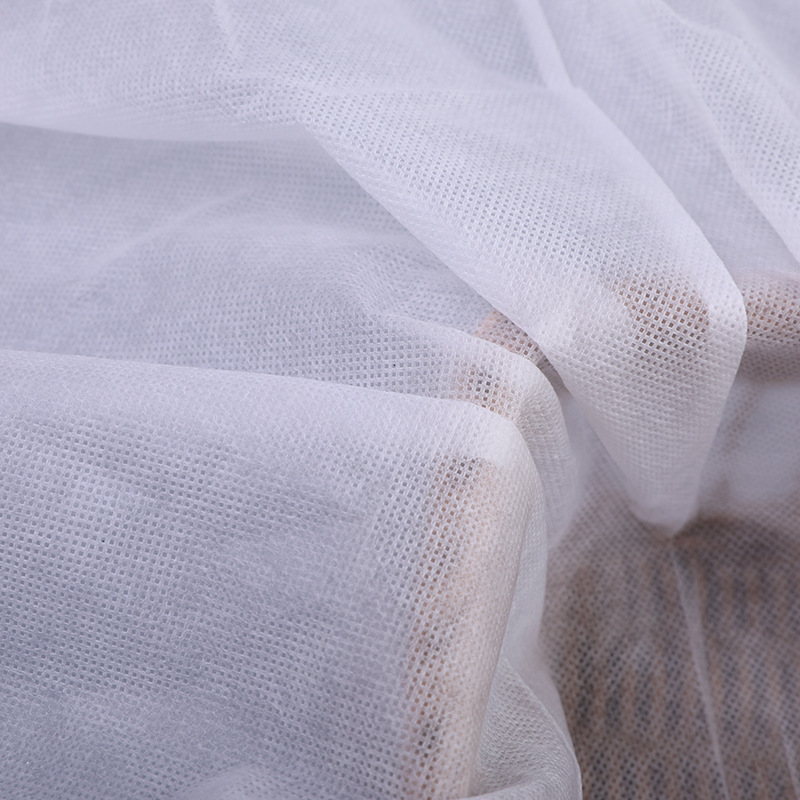
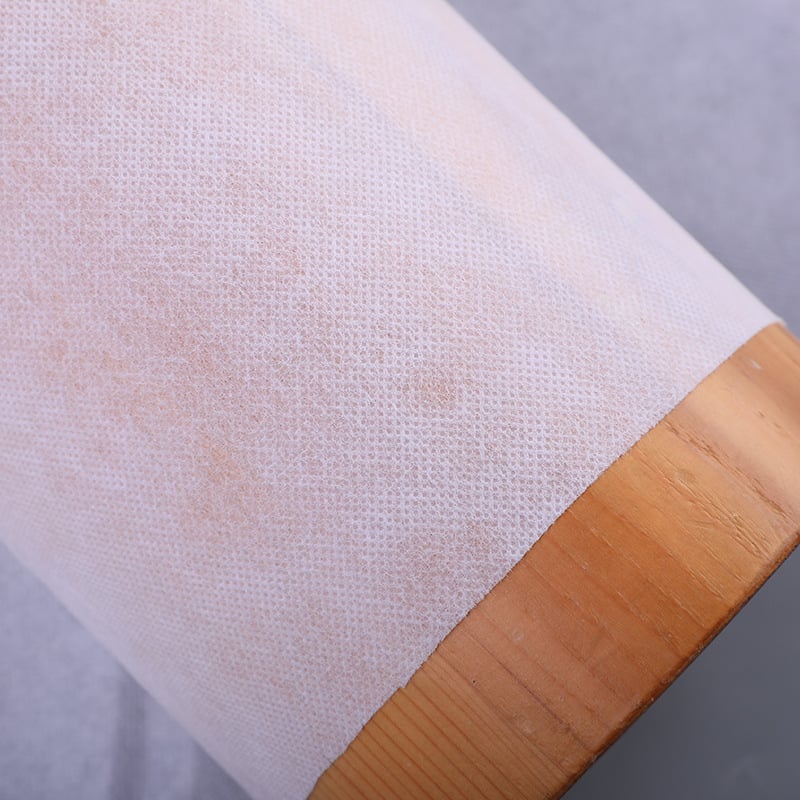
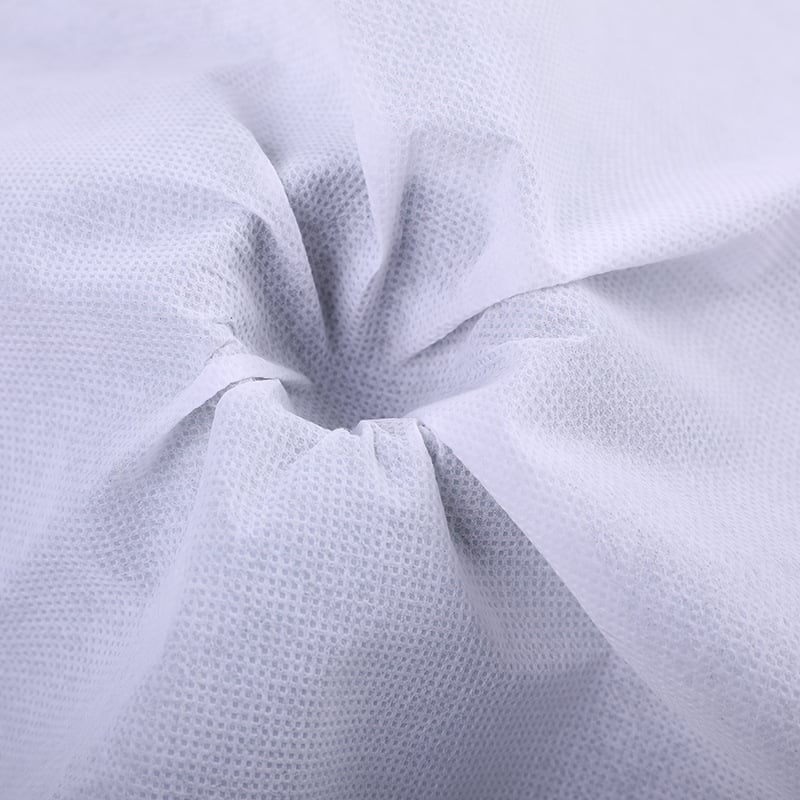
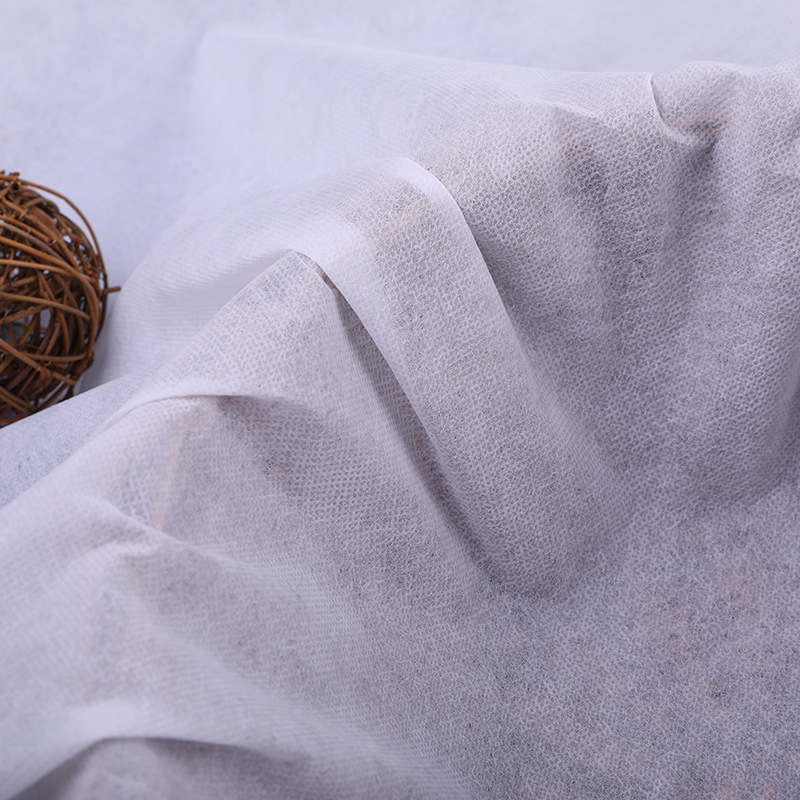
PET Spunbond Nonwoven Fabric
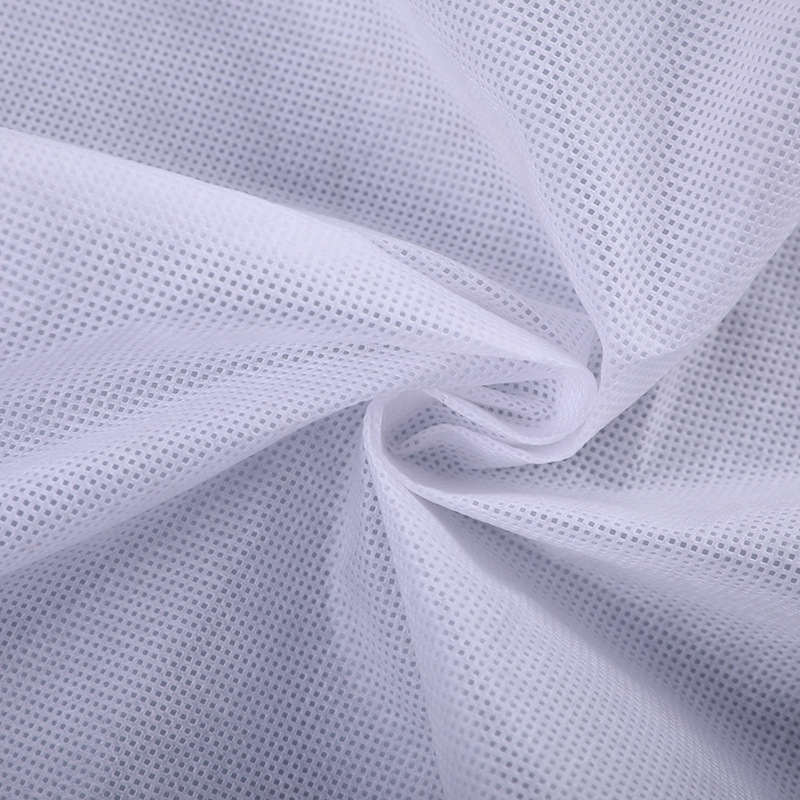
PET Spunbond Nonwoven Fabric is made from 100% polyester, offering excellent strength, heat resistance, and dimensional stability. It is ideal for filtration, automotive, and construction applications. Shanghai Weboss provides customizable PET spunbond fabrics with consistent quality and eco-friendly production standards.
product introduce
PET Spunbond Nonwoven Fabric Product Highlights
Mechanical Properties: Tensile strength 55–75 MPa, flexural strength 90–120 MPa (high strength).
Thermal Properties: Excellent heat resistance, with long-term operating temperature from -40°C to 150°C.
Chemical Resistance: Resistant to weak acids, weak alkalis, and organic solvents, but not resistant to strong alkalis or prolonged hot water immersion.
Moisture Absorption: Low moisture absorption (0.4%–0.8%), but prone to static electricity.
Key Advantages of PET Nonwoven Fabric
PET nonwoven fabric is widely recognized for its excellent dimensional stability, high tensile strength, and thermal resistance, making it a preferred material for industrial and long-life applications.
Compared with many general-purpose nonwoven materials, PET nonwoven fabric maintains its shape and structure even under high temperature, continuous tension, or long-term use. This characteristic is especially important in filtration, automotive interiors, insulation layers, and technical textiles.
Another major advantage is its uniform fiber structure and consistent quality. PET fibers allow better control over thickness, strength, and surface performance, which helps manufacturers achieve stable results during downstream processing such as lamination, coating, or composite bonding.
PET nonwoven fabric also offers good chemical resistance and low moisture absorption, allowing it to perform reliably in humid or chemically demanding environments. For buyers who prioritize durability, performance consistency, and product lifespan, PET nonwoven fabric is often the most practical solution.
PET Nonwoven Fabric vs PP Nonwoven Fabric – When Does PET Make More Sense?
Both PET and PP nonwoven fabrics are widely used, but they are designed for different performance priorities and application scenarios.
PP nonwoven fabric is typically chosen for lightweight, disposable, and cost-sensitive applications, such as hygiene products and short-term protective uses. It offers excellent softness and flexibility at a competitive price.
PET nonwoven fabric, however, is better suited for applications that require higher temperature resistance, stronger mechanical performance, and long-term dimensional stability. It performs well in environments where materials are exposed to heat, tension, or repeated use.
If your application involves industrial filtration, automotive components, insulation materials, or technical composites, PET nonwoven fabric is often the more reliable option. Choosing PET is not about replacing PP but about selecting the right material for performance-critical and long-life applications.
Functional Treatments & Surface Finishing Options
To meet different technical and market requirements, PET nonwoven fabric can be customized with various functional treatments and surface finishes:
Hydrophilic Treatment
Improves liquid absorption and fluid distribution; commonly used in filtration and industrial processing layers.
Hydrophobic Treatment
Enhances water repellency, suitable for insulation, protective layers, and construction-related applications.
Anti-static Treatment
Reduces static electricity buildup, ideal for electronics-related packaging and cleanroom environments.
UV-Resistant Treatment
Extends service life in outdoor or long-term exposure applications.
Flame Retardant Options
Available for applications with fire safety requirements, such as automotive interiors and building materials.
All treatments can be customized based on end-use standards, regional regulations, and specific customer needs.
Common Applications of PET Nonwoven Fabric
Thanks to its durability and performance stability, PET nonwoven fabric is widely used across multiple industries:
Industrial Filtration
Air filters, liquid filtration media, dust collection systems, and HVAC filters.
Automotive & Transportation
Interior linings, insulation layers, trunk and door panel components.
Construction & Insulation
Thermal insulation layers, roofing underlay, and sound insulation materials.
Home & Furniture Industry
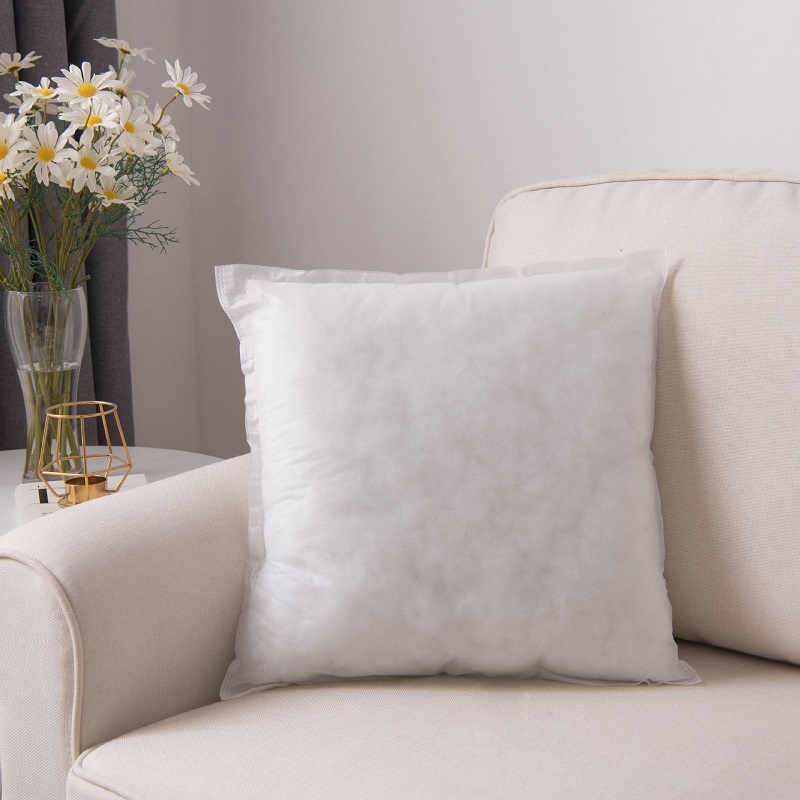
Mattress components, sofa linings, and reinforcement layers.
Technical & Composite Materials
Base layers for lamination, coating, and composite structures.
PET nonwoven fabric is especially valued in applications where long-term performance and material consistency are critical.
FAQ – PET Nonwoven Fabric
Q1: Is PET nonwoven fabric suitable for high-temperature applications?
Yes. PET nonwoven fabric offers better heat resistance and dimensional stability compared to many general-purpose nonwovens.
Q2: Can PET nonwoven fabric be customized by weight and width?
Yes. GSM, width, thickness, and roll length can be customized according to application requirements.
Q3: Is PET nonwoven fabric recyclable?
PET is recyclable, and recycled PET options can be provided depending on project needs.
Q4: Can PET nonwoven fabric be laminated or coated?
Absolutely. PET nonwoven fabric is widely used as a base material for coating, lamination, and composite processing.
Q5: What industries most commonly use PET nonwoven fabric?
Industrial filtration, automotive, construction, insulation, and technical textile industries.
Why Choose Weboss?
At Weboss, we understand that PET nonwoven fabric is often used in performance-critical applications, where consistency and reliability matter.
Stable Supply & Quality Control
Consistent production standards ensure reliable material performance across batches.
Application-Oriented Customization
Flexible options for weight, width, treatments, and finishing to match real application needs.
Industry-Focused Experience
Practical knowledge in industrial, automotive, and technical textile markets.
Responsive Technical Support
Fast communication and professional advice during material selection and development.
Export-Oriented Manufacturing
Products designed to meet international market standards and compliance requirements.
Weboss works closely with customers to deliver material solutions that support long-term product performance and supply stability.
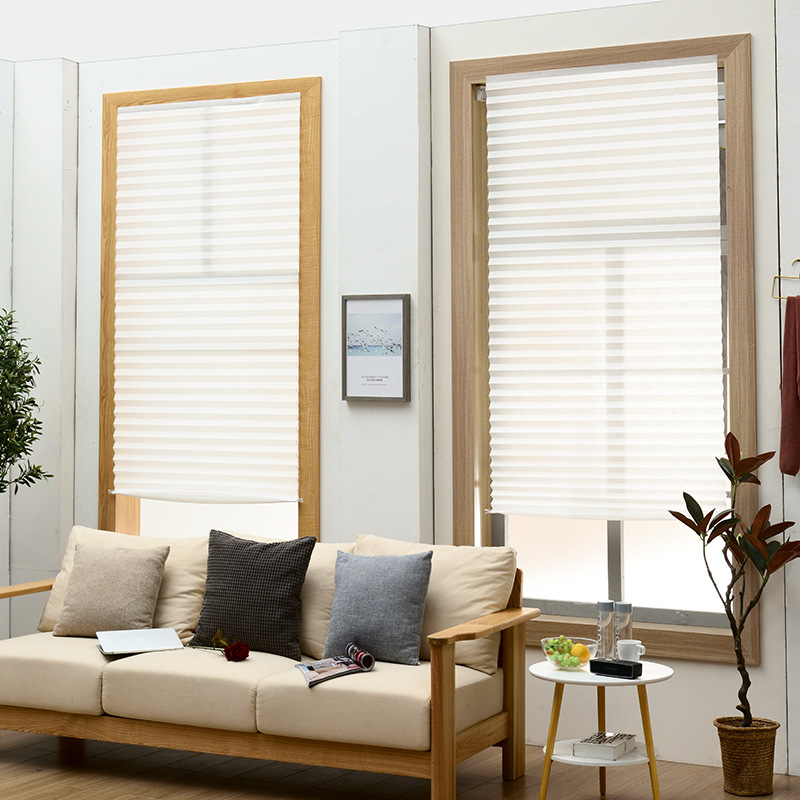
Application Scenarios of PP Spunbond Nonwoven Fabric
additional information
| Name | PET Spunbond Non Woven Fabric |
|---|---|
| Width | 18-260GSM |
| Weight | 20-320cm |
| MOQ | 1000kg |
| Certification | OEKO-TEX, GRS, SGS |
| Price Range | USD $1.5 – $4.5/kg (Depending on material and weight) |
| Packaging | Roll packed in PE plastic bags, with an outer strong woven polybag. |
| Transportation | Via sea, air, or express logistics. |
| Payment Terms | L/C, D/P, T/T, Western Union, PayPal |
| Delivery Time | 7-15 days based on order size |
| Application | Cable wrapping and battery separator, drainage board and filter membrane, roofing waterproof materials, carpet base fabric, automotive interior, sound insulation, home textiles, agriculture and gardening, geotextiles, nonwoven bags, printed packaging. |
Stay Ahead With Weboss Updates

본 문서는 마스크용 스판레이스 부직포를 소개하며, 비스코스, 텐셀, 면, 키토산, 대나무, 해조와 같은 일반적인 섬유 옵션을 설명하고, 각 재료가 편안함과 성능에 미치는 영향을 보여줍니다.

Apertured Spunlace has an open mesh structure for better wiping, liquid pickup and airflow in dry towels, wipes and beauty products.
-
Polyester Spunlace for Wet Wipes offers high wet strength and durability for cleaning, disinfecting and industrial wipes.