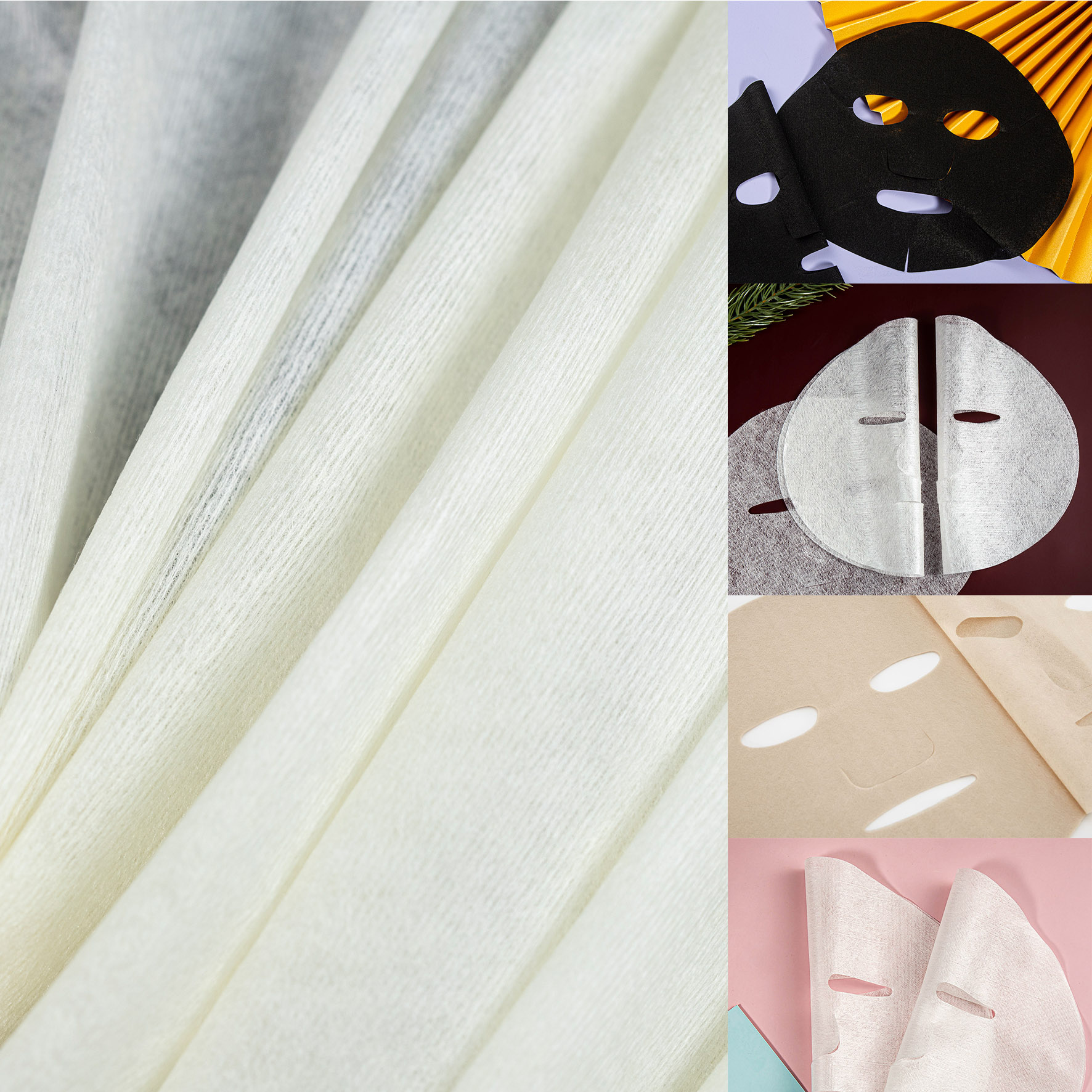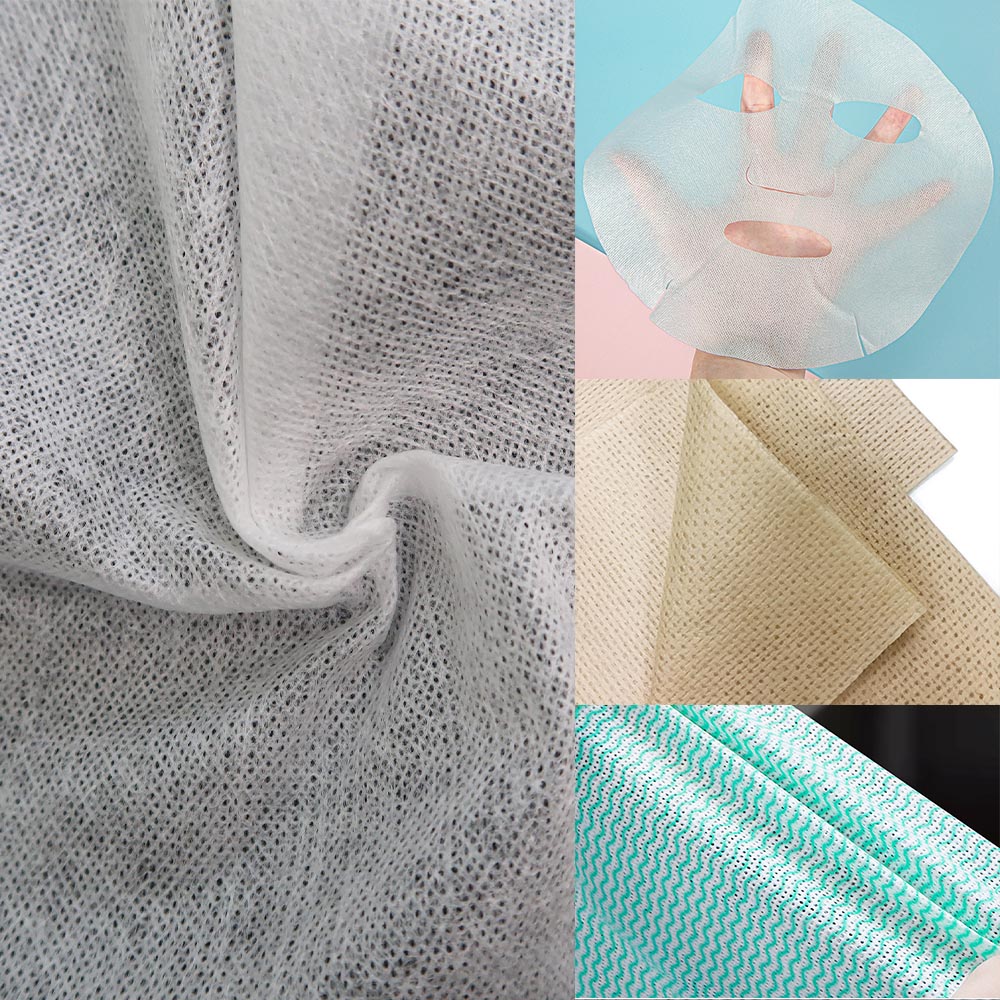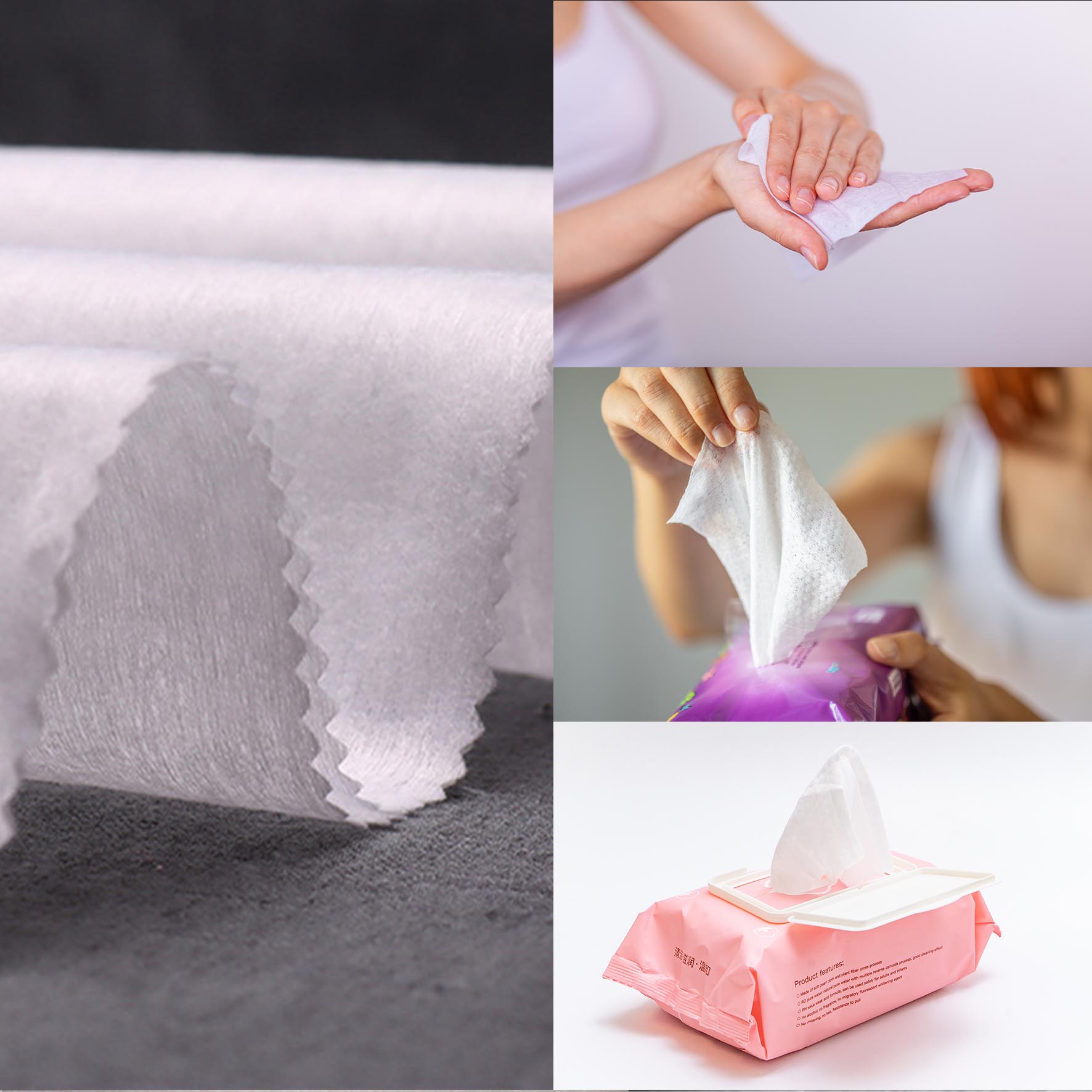
Wet Laid Nonwoven Fabric
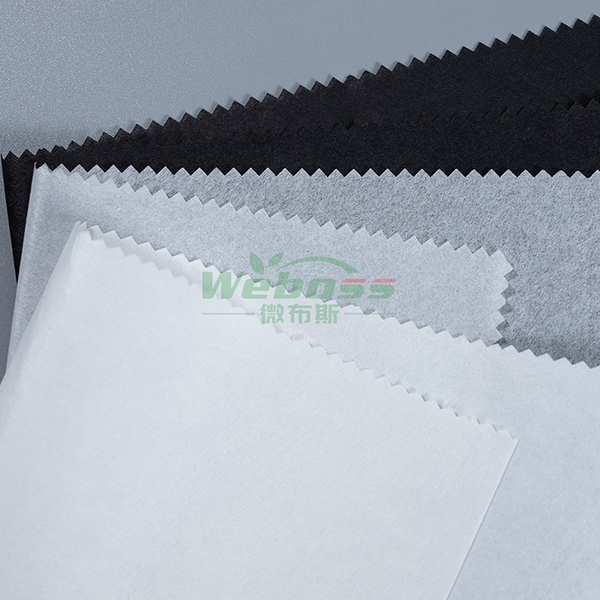
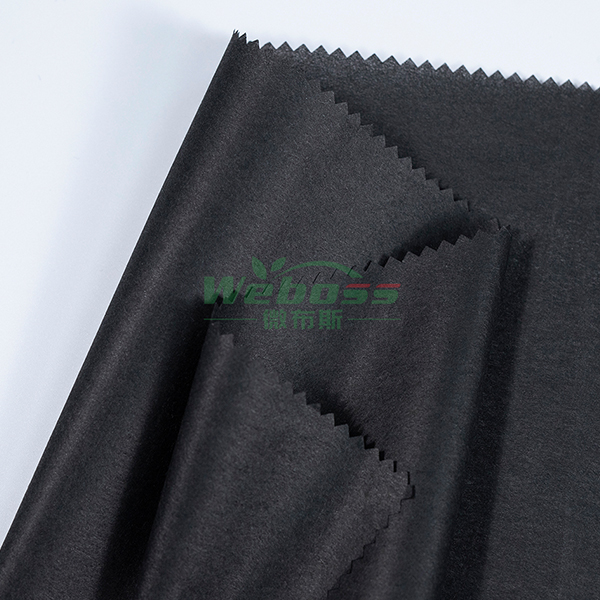
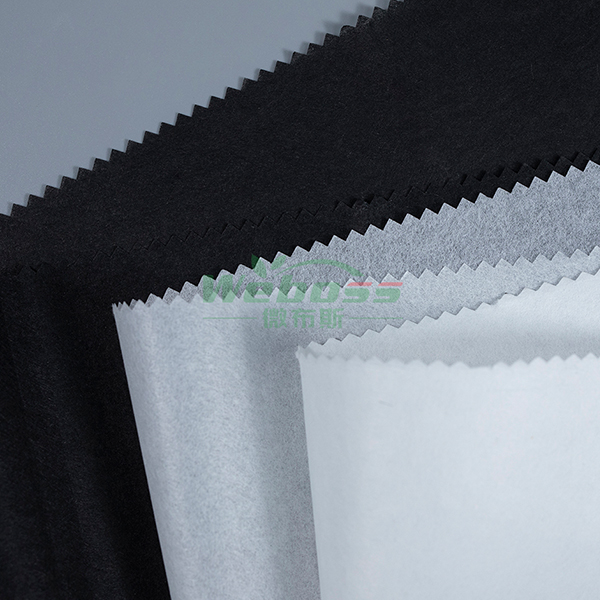
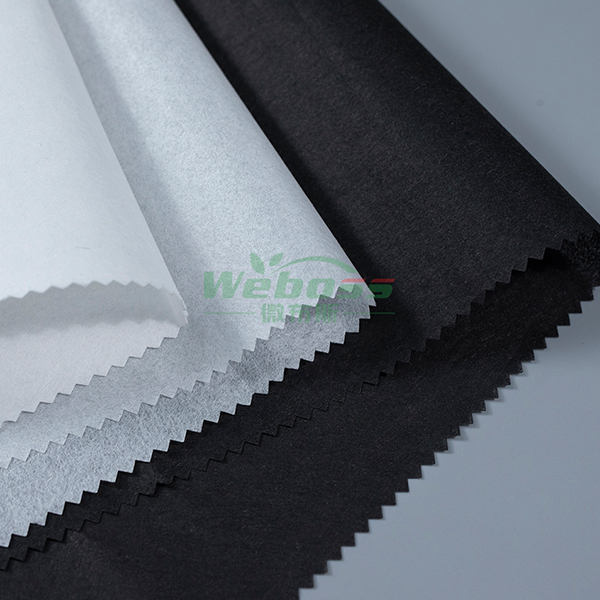
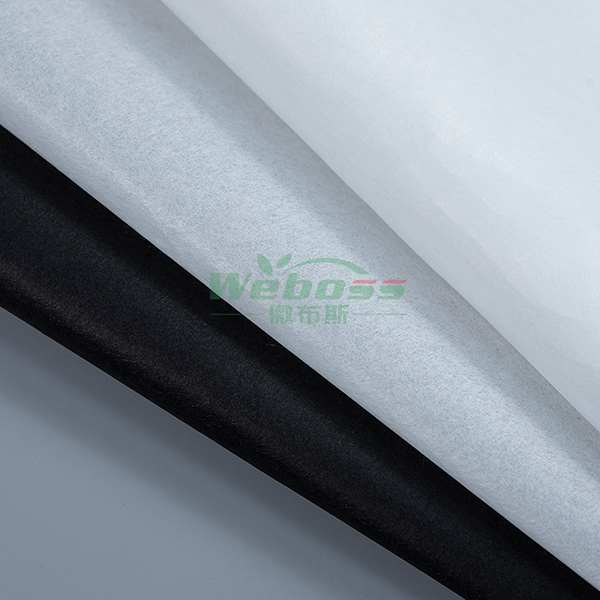
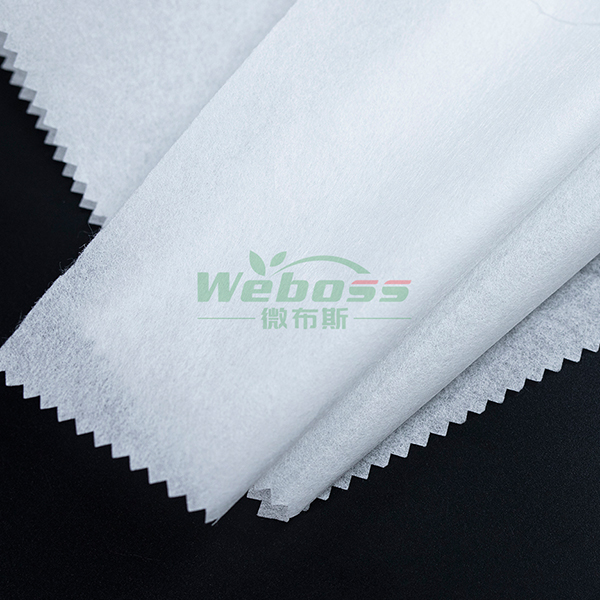
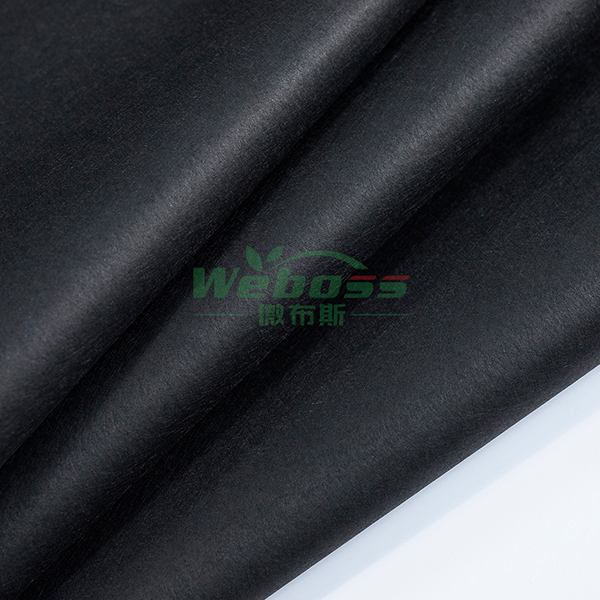
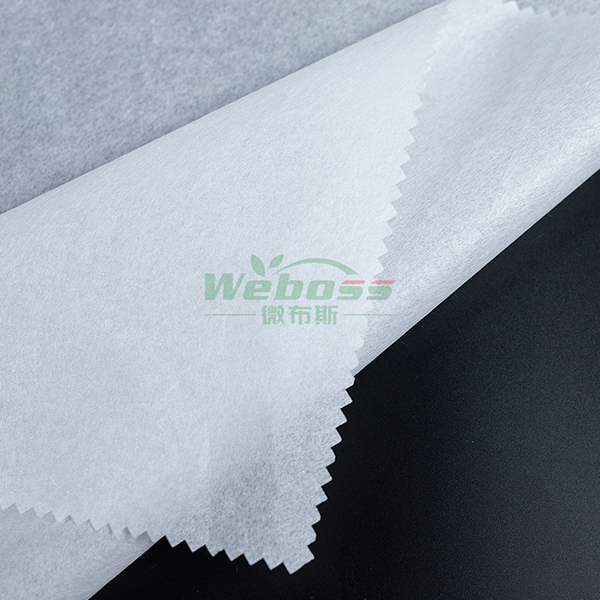
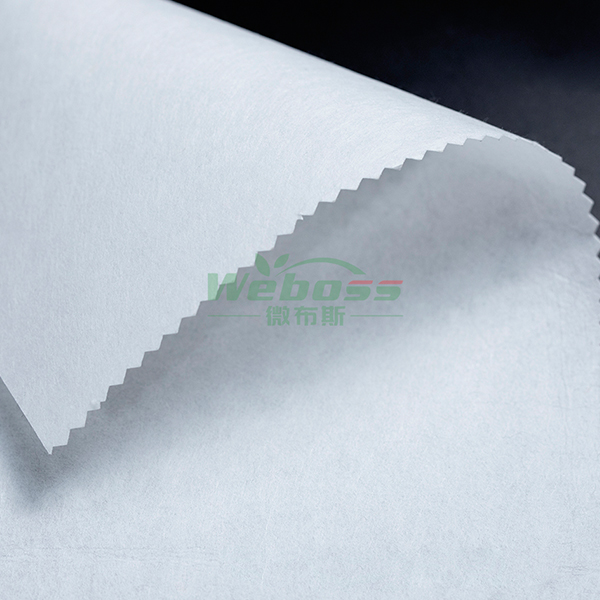
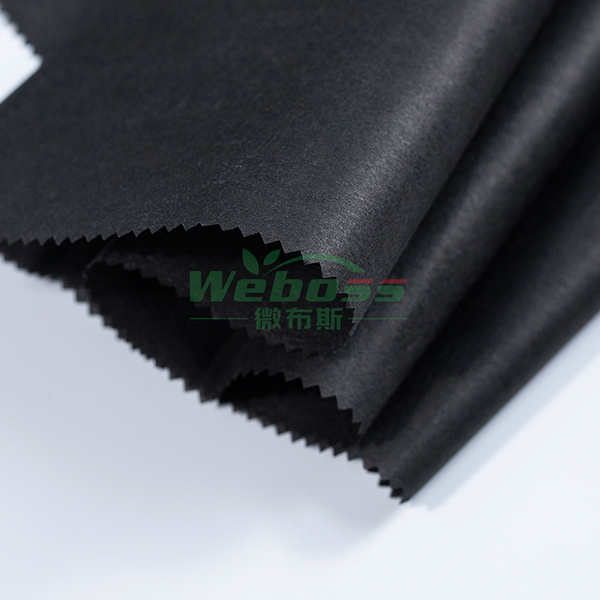
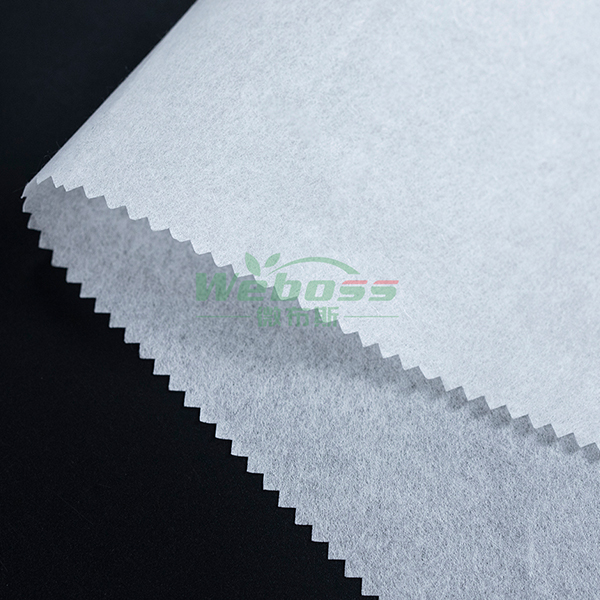
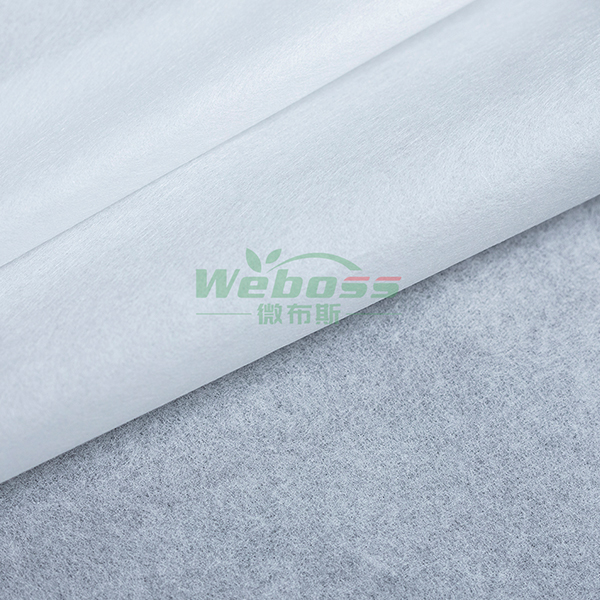
Wet Laid Nonwoven Fabric is a high-performance material produced through a wet-laid papermaking process that disperses short fibers such as cellulose, polyester, or viscose in water to form a uniform web. After chemical or thermal bonding, the fabric gains a smooth, stable, and uniform structure with excellent strength and dimensional stability.
This material is widely used in industrial filtration, battery separators, medical materials, embroidery stabilizer backing, and specialty papers due to its precision, consistency, and paper-like appearance.
product introduce
Product Description
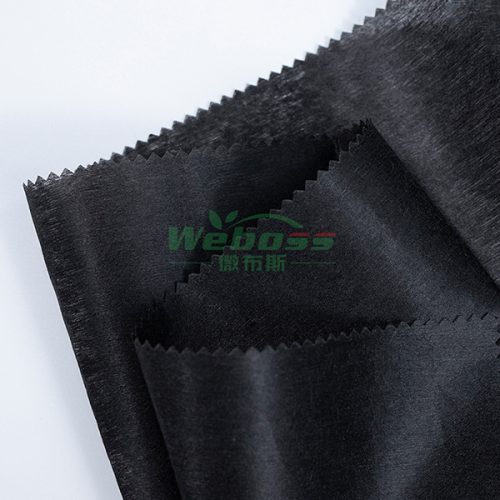
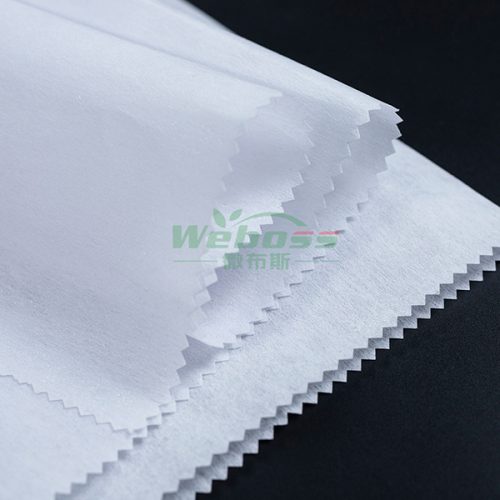
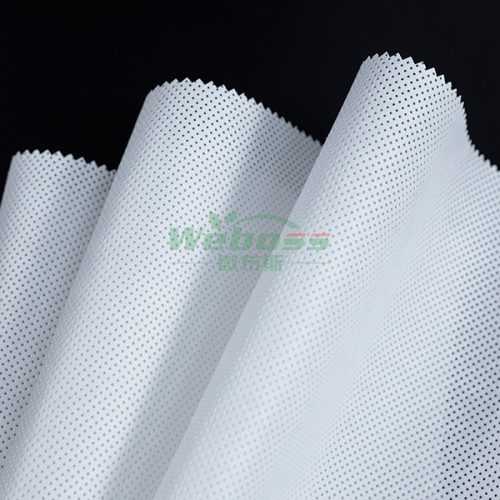
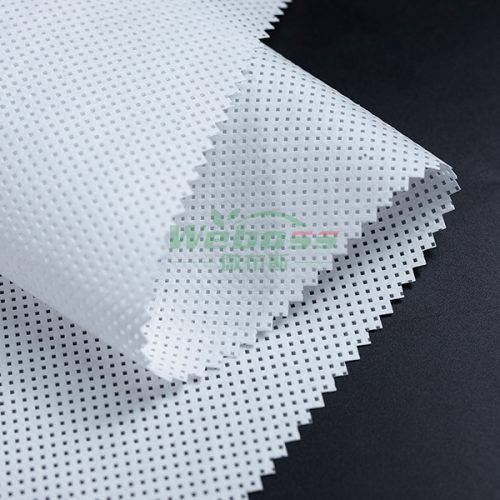
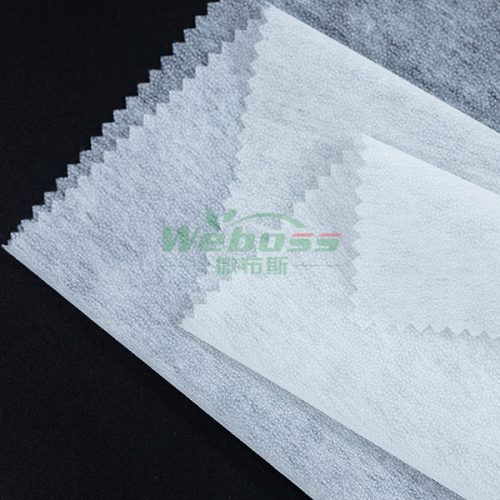
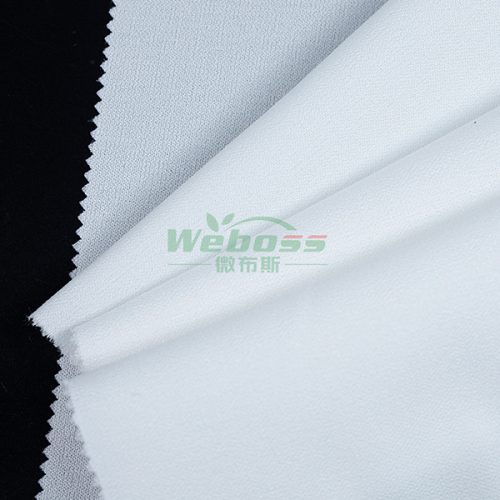
Wet-laid nonwoven fabric stands out for its fine fiber distribution, smooth surface, and consistent weight. It provides a paper-like texture with superior uniformity compared to dry-laid or spunlace fabrics. These features make it suitable for technical and industrial applications requiring high stability and clean processing performance.
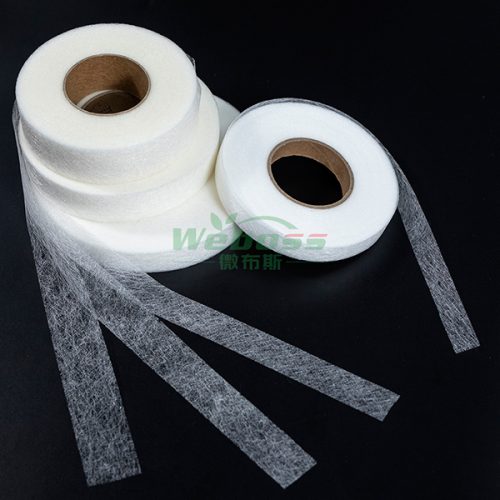
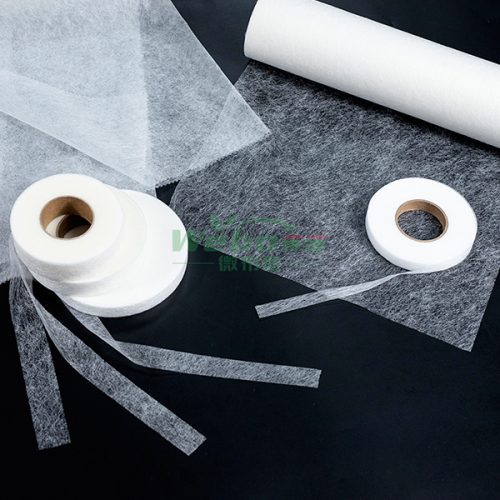
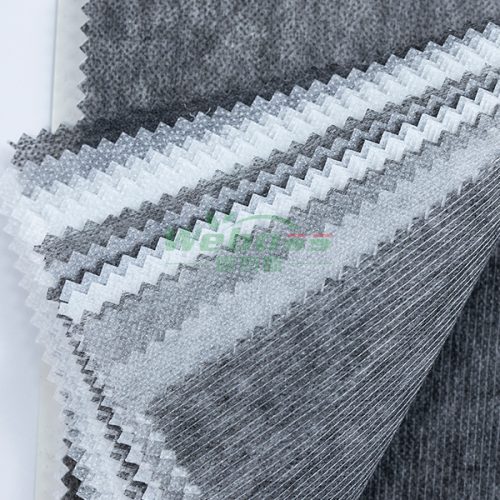
In garment manufacturing, it can also be used as embroidery stabilizer backing, offering clean tearability and smooth embroidery support without stretching or distortion.
Key Features
-
Excellent Uniformity: Even fiber dispersion ensures consistent structure and a smooth surface.
-
High Dimensional Stability: Maintains shape and strength during processing and use.
-
Soft and Paper-like Texture: Ideal for coating, lamination, or printing applications.
-
Chemical and Thermal Resistance: Suitable for both wet and dry environments.
-
Customizable Weight and Composition: Adjustable fiber blend to meet specific application needs.
-
Biodegradable Options Available: Cellulose or viscose-based wet-laid fabrics support sustainable development.
Product Advantages of Wet Laid Nonwoven Fabric
Wet-laid nonwoven fabric is manufactured using a process similar to traditional papermaking, where fibers are dispersed in water and then uniformly deposited onto a forming screen. This method allows for exceptional fiber distribution control, resulting in a fabric with high uniformity, smooth surface quality, and precise thickness control.
Compared with other nonwoven technologies, wet laid production enables the use of very fine fibers and specialty fibers, including cellulose, synthetic fibers, glass fibers, and functional blends. The result is a nonwoven fabric with excellent consistency, low linting, and high dimensional stability, even at low basis weights.
Because of its controlled structure and clean processing characteristics, wet-laid nonwoven fabric is especially valued in applications where surface quality, precision performance, and material purity are critical.
Production Process
-
Fiber Dispersion: Short fibers (cellulose, viscose, polyester, glass fiber, etc.) are dispersed evenly in water to form a slurry.
-
Web Formation: The slurry is deposited onto a moving screen to create a uniform fiber web.
-
Bonding: The web is strengthened through chemical, mechanical, or thermal bonding, ensuring stability and strength.
-
Drying & Finishing: The bonded fabric is dried, calendered, and rolled to achieve the desired thickness and surface finish.
This advanced process produces a thin, even, and durable nonwoven fabric suitable for various industrial and textile uses.
Wet Laid Nonwoven Fabric vs. Dry-Laid & Spunlace—Application-Oriented Perspective
Wet-laid nonwoven fabric is not designed to replace spunlace or dry-laid nonwovens in general-purpose applications. Its strength lies in precision and uniformity, rather than bulk softness or high tensile strength.
Wet-laid nonwoven fabric is typically selected when:
Extremely uniform fiber distribution is required
Very low basis weight fabrics must maintain stability
Low linting and clean surface are essential
Functional fibers need to be evenly dispersed
Spunlace fabrics are often preferred for their soft, textile-like hand feel, while dry-laid nonwovens may focus more on thickness and mechanical strength. Wet laid technology fills a unique position where material control and consistency matter more than fabric bulk.
Functional Treatments & Structural Customization Options
Wet-laid nonwoven fabric offers extensive customization possibilities at both the fiber and finishing levels:
- Fiber composition customization (cellulose, synthetic, blended fibers)
- Hydrophilic or hydrophobic treatment
- Resin bonding or chemical bonding options
- Low-lint and dust-free finishing
- Controlled pore size and permeability
- Antibacterial or functional additives
- Custom basis weight, thickness, and roll format
Weboss works closely with customers to fine-tune wet-laid structures to meet strict application and processing requirements, especially in technical and industrial uses.
Common Applications of Wet Laid Nonwoven Fabric
Due to its precision structure and surface uniformity, wet laid nonwoven fabric is widely used in:
- Industrial and laboratory wipes
- Medical and healthcare disposables
- Filtration media (air and liquid filtration)
- Battery separators and technical insulation
- Electronics and cleanroom applications
- Embroidery stabilizer backing and specialty backings
- Composite nonwoven layers requiring uniform structure
Its ability to deliver consistent performance at low basis weights makes wet-laid fabric ideal for high-specification environments.
Why Choose Weboss?
Weboss provides wet laid nonwoven fabric solutions focused on precision, consistency, and application reliability.
- Experience with wet laid technology and fiber blending
- Stable quality control for technical-grade materials
- Customization support for functional applications
- Understanding of industrial, medical, and embroidery backing needs
- Reliable global supply and responsive communication
- Technical support from development to production
With Weboss, customers gain a partner who understands that wet laid nonwoven fabric is about control, not compromise.
FAQ
Q1: What materials can be used in Wet Laid Nonwoven Fabric?
A1: Cellulose, viscose, polyester, and glass fibers are commonly used depending on the desired strength, softness, or filtration performance.
Q2: Can this fabric be used for embroidery stabilizer backing?
A2: Yes, it provides excellent strength, uniformity, and easy tearability, making it suitable for embroidery support.
Q3: Is Wet Laid Nonwoven Fabric eco-friendly?
A3: Yes, especially when using cellulose or viscose fibers, which are biodegradable and environmentally safe.
Q4: What is the typical thickness or weight range?
A4: The standard range is 15–120 gsm, customizable according to your application.
Q5: Do you offer OEM service?
A5: Yes, we provide OEM/ODM customization, including fiber composition, size, and packaging design.
Q6: What makes wet-laid nonwoven fabric different from other nonwovens?
A6: Its papermaking-based process allows superior fiber uniformity and precise control.
Q7: Is wet laid fabric suitable for technical applications?
A7: Yes. It is widely used in filtration, electronics, and industrial applications.
Q8: Can wet laid nonwoven be customized for specific functions?
A8: Yes. Fiber blends, bonding methods, and surface treatments can be tailored.
Q9: Does wet laid fabric produce lint or dust?
A9: Properly finished wet laid fabric offers very low linting performance.
additional information
| Product Name | Wet Laid Nonwoven Fabric |
|---|---|
| Material | Viscose Fiber + Polyester Blend |
| Weight Range | 30-80gsm |
| Width Range | 90cm-160cm |
| Color | White, Off-White |
| Pattern | Smooth, Uniform Surface |
| Minimum Order Quantity | 5,000 meters per type |
| Price Range | USD $0.1 – $1/meter (Depending on weight and customization) |
| Packaging | Rolled on paper cores, packed in waterproof PE plastic bags with outer woven polybag |
| Transportation | Via sea, air, or express logistics |
| Payment Terms | L/C, D/P, T/T, Western Union, PayPal |
| Delivery Time | 7-15 days based on order size |
| Monthly Production Capacity | 2,500,000 meters |
| Roll Length | 50m-300m/roll (Customizable) |
| Special Customization | Available for width, weight, and material composition upon request |
| Certification | OEKO-TEX, SGS, ISO9001 |
Stay Ahead With Weboss Updates

본 문서는 마스크용 스판레이스 부직포를 소개하며, 비스코스, 텐셀, 면, 키토산, 대나무, 해조와 같은 일반적인 섬유 옵션을 설명하고, 각 재료가 편안함과 성능에 미치는 영향을 보여줍니다.

Apertured Spunlace has an open mesh structure for better wiping, liquid pickup and airflow in dry towels, wipes and beauty products.
-
Polyester Spunlace for Wet Wipes offers high wet strength and durability for cleaning, disinfecting and industrial wipes.