Which Spunlace Nonwoven Fabrics Can Be Used for Facial Mask?
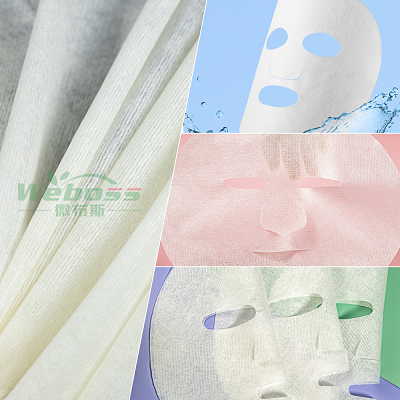
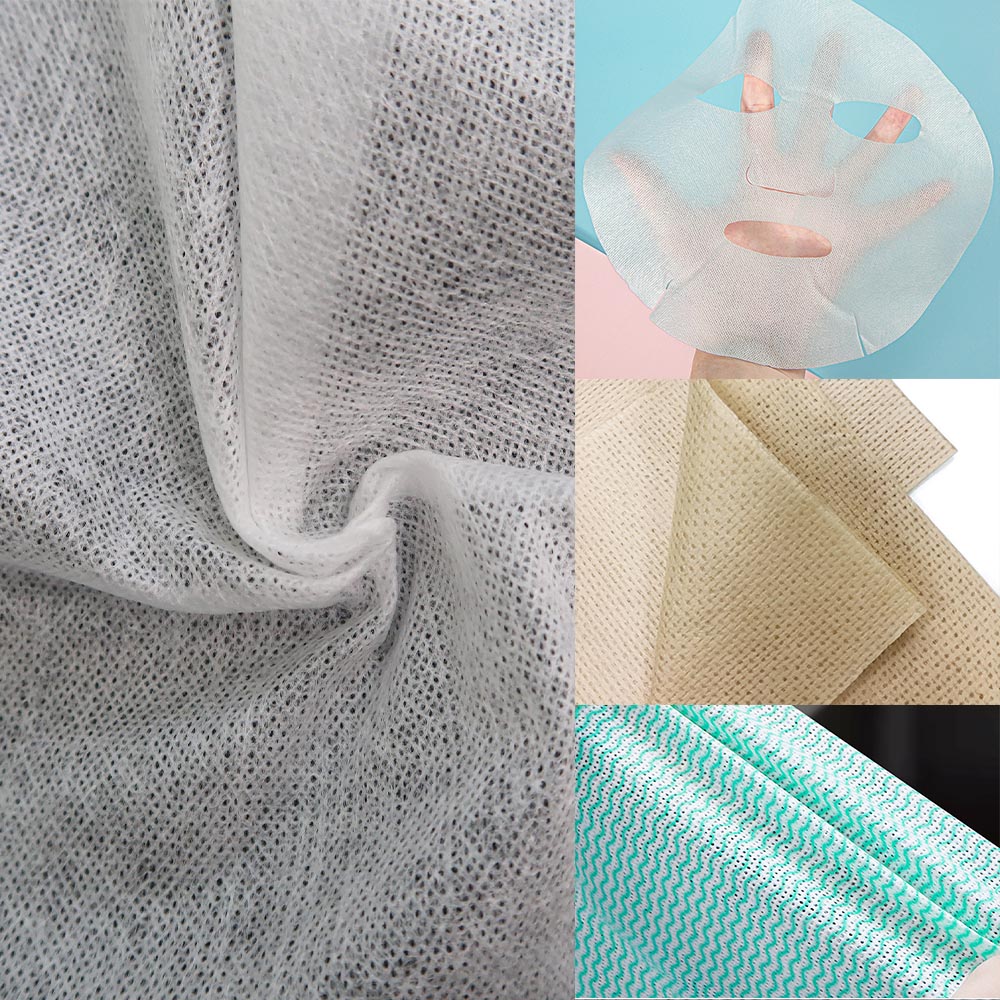
Spunlace nonwoven fabric is the primary and most widely used material for facial sheet masks in the global skincare industry. Its ultra-soft texture, excellent absorbency, and high skin compatibility make it the industry standard for Facial Mask spunlace nonwoven fabric applications. Unlike other nonwoven technologies, spunlace is produced using high-pressure water jets that entangle fibers without chemical binders, ensuring a clean, breathable, and skin-safe structure.
With the rapid expansion of global skincare consumption, especially in K-beauty and OEM manufacturing markets, spunlace nonwoven has become the dominant material choice for facial mask substrates worldwide, widely adopted by cosmetic brands and professional spunlace non woven fabric suppliers.
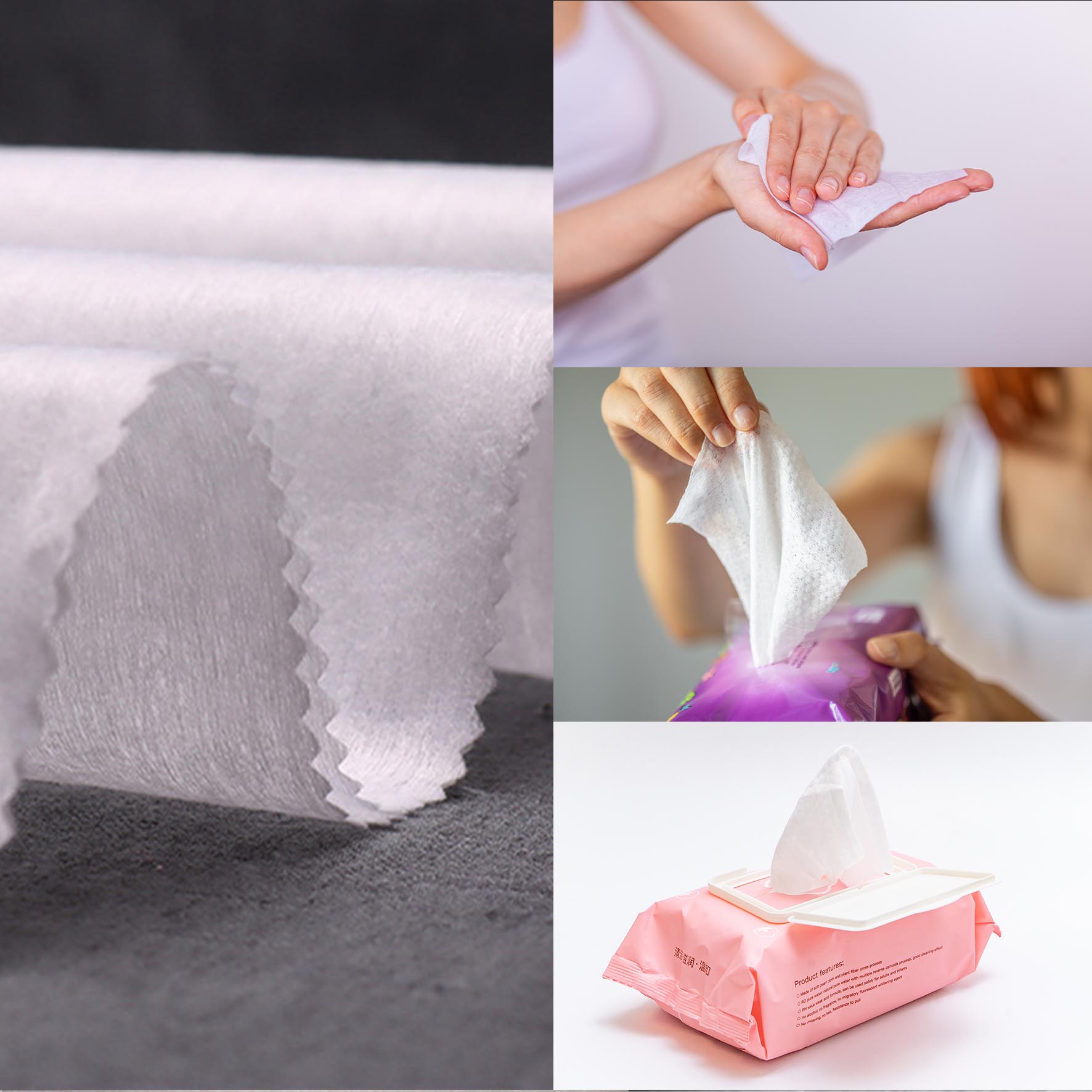
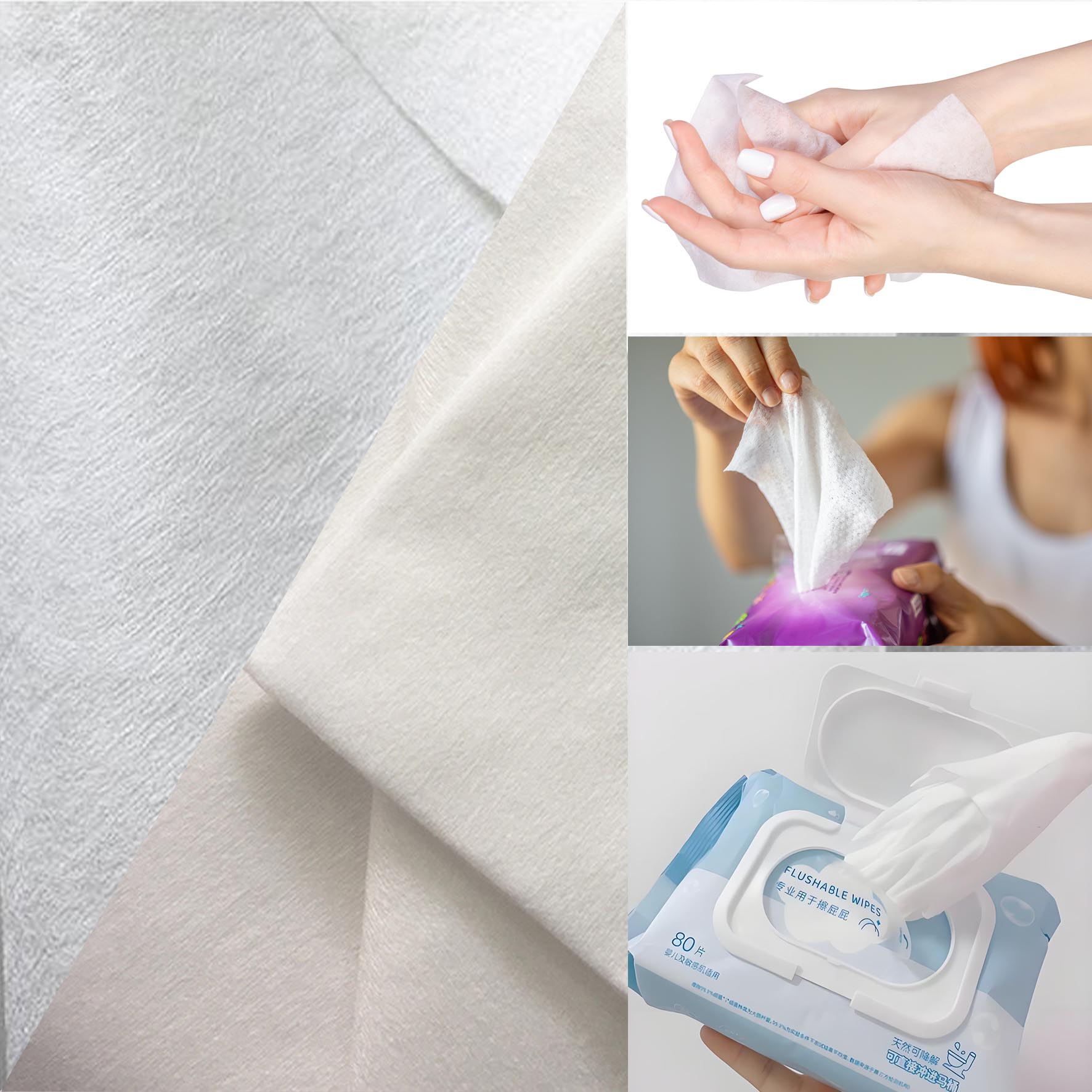
In addition to facial masks, spunlace is also used in medical spunlace nonwoven fabric products and Wet Wipes spunlace non woven fabric applications due to its hygiene safety and liquid control performance.
What Is Facial Mask Spunlace Nonwoven Fabric?
Spunlace nonwoven fabric is a hydroentangled material widely used in the skincare, cosmetic, and hygiene industries, particularly in sheet mask production. It is manufactured by using high-pressure water jets to entangle fibers together without chemical adhesives or thermal bonding.
This unique process gives facial mask spunlace nonwoven fabric a soft, cotton-like texture that closely mimics natural fibers, making it ideal for direct skin contact. Unlike traditional woven textiles, spunlace nonwoven has no fixed weave structure, allowing it to be highly flexible, breathable, and absorbent—key properties required in premium skincare applications.
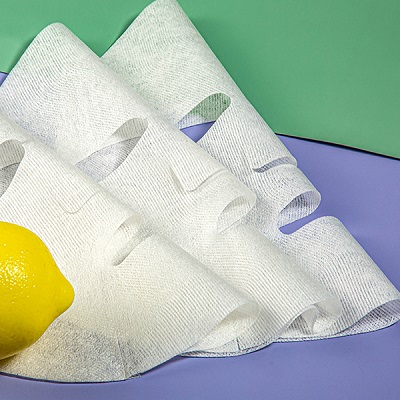
Key features of spunlace nonwoven fabric
- Soft and gentle on skin
- Excellent liquid absorption capacity
- No chemical adhesive residues
- High air permeability
- Available in eco-friendly and biodegradable options
Why Spunlace Nonwoven Fabric Is the Standard Fabric for Facial Masks?
In the facial mask industry, spunlace nonwoven fabric is not just one of the options—it is the industry-standard substrate material. Other nonwoven technologies such as spunbond or airlaid are not suitable for sheet mask applications because they lack the required softness, liquid retention, and skin-contact comfort.
Spunlace nonwoven fabric is preferred because it provides:
- Superior skin contact comfort
- High serum absorption and delivery efficiency
- Excellent flexibility for facial contour fitting
- Chemical-free hydroentangled structure
For this reason, virtually all mainstream sheet mask products use spunlace nonwoven fabric for facial mask production.
What Fabric Is Better for Your Face Skin?
For skincare applications, especially facial sheet masks, spunlace nonwoven fabric is widely recognized as the superior material. Compared with other materials used in nonwoven fabric for facial mask production, spunlace provides a smoother and more skin-friendly experience, making it suitable even for sensitive skin types.
Why spunlace is better for facial skin:
- Smooth, cotton-like surface reduces irritation
- No chemical bonding agents
- Excellent serum delivery efficiency
- High adaptability to facial contours
For premium skincare brands and OEM manufacturers, spunlace remains the first choice due to its balance of comfort, performance, and safety.
What Types of Spunlace Nonwoven Fabric Are Suitable for Facial Masks?
Not all spunlace nonwoven fabrics are suitable for facial mask applications. According to industry standards and WEBOSS production specifications, only cosmetic-grade spunlace nonwoven fabric designed specifically for facial skin contact can be used in sheet mask production.
WEBOSS facial mask spunlace nonwoven fabric is developed using advanced hydroentanglement technology and carefully selected fiber systems such as viscose, lyocell (Tencel), banana fiber, aloe fiber, PLA, and other biodegradable materials. These materials are engineered to ensure high absorbency, ultra-soft touch, and excellent serum delivery performance.
Among different fiber types, the following spunlace structures are commonly used for facial masks:
Viscose / Lyocell (Tencel) Spunlace Nonwoven Fabric
This is the most widely used and industry-standard option for facial sheet masks. It provides:
- High liquid absorption and retention
- Soft, cotton-like skin feel
- Excellent compatibility with essence formulas
- Stable performance in wet conditions
It is the core material used in most facial mask spunlace nonwoven fabric applications.
Biodegradable Plant Fiber Spunlace (Bamboo, Banana, Aloe Fiber)
These materials are designed for eco-friendly skincare products and are increasingly used in premium facial mask brands. Key advantages include:
- Natural fiber origin
- Improved biodegradability
- Skin-friendly and low irritation risk
- Sustainable positioning for green cosmetics
PLA-Based Spunlace Nonwoven Fabric
WEBOSS also provides PLA spunlace nonwoven fabric for environmentally conscious skincare applications. It features:
- Biodegradable polymer structure
- Stable fiber network for mask sheet forming
- Suitable for sensitive skin formulations
- Alignment with EU sustainable packaging trends
What Mistakes Do Buyers Often Make When Purchasing Facial Mask Spunlace Nonwoven Fabric?
In the facial mask industry, many sourcing problems come from focusing only on price instead of long-term product performance. Based on our experience working with facial mask manufacturers and OEM skincare brands, these are some of the most common issues buyers face:
Choosing Fabric That Is Too Thin
Some buyers choose lower GSM fabric to reduce costs, but very thin fabrics may become transparent, tear during use, or fail to hold enough serum.
This often leads to poor customer reviews in the final skincare product.
Ignoring Liquid Compatibility
Different serum formulas behave differently. Some fabrics work well with water-based essence but perform poorly with thicker skincare formulas. Without testing compatibility first, problems such as uneven absorption or dripping may occur. At WEBOSS, we usually recommend sample testing before mass production to avoid these risks.
What Are the Applications of Spunlace Nonwoven Fabric in the Beauty Industry?
Spunlace nonwoven fabric is widely used in the beauty and personal care industry, with facial sheet masks being its core and primary application. Beyond facial masks, it is widely used in wet wipes spunlace non woven fabric products and other hygiene applications.
Other important applications include:
- Facial sheet masks (main application)
- Wet wipes spunlace non woven fabric products
- Cosmetic cotton pads
- Medical spunlace nonwoven fabric products
- Skincare treatment sheets
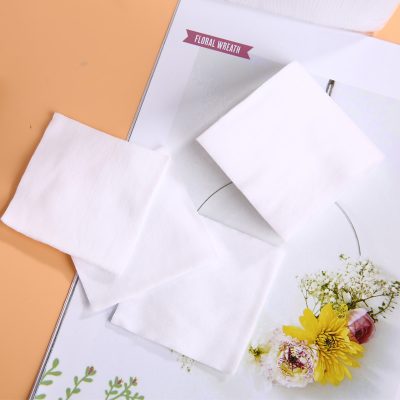
Because of its softness, absorbency, and safety profile, spunlace has become the foundation material for modern disposable skincare products.
In addition, medical spunlace nonwoven fabric is extensively used in healthcare products due to its hygiene performance and safety standards.
Global demand is particularly strong in Korea, Japan, Europe, and North America, where skincare innovation and disposable hygiene products continue to expand.
What Is the Difference Between Spunlace and Spunbond Nonwoven Fabric?
Spunlace and spunbond are two major types of nonwoven materials, but they differ significantly in structure, performance, and application. Spunlace nonwoven fabric is widely used in nonwoven fabric for facial mask production due to its softness and absorbency, while spunbond is more commonly used in industrial applications.
Spunlace nonwoven fabric:
- Made by high-pressure water jet entanglement
- Soft, skin-friendly texture
- High absorbency and liquid retention
- Widely used in skincare, wipes, and medical applications
Spunbond nonwoven fabric:
- Produced through melt-extrusion of polymer fibers
- Stronger but relatively stiff
- Lower absorbency
- Common in packaging, agriculture, and disposable hygiene products
Spunlace vs Spunbond Comparison Table
| Feature | Spunlace Nonwoven Fabric | Spunbond Nonwoven Fabric |
|---|---|---|
| Manufacturing Process | High-pressure water jet entanglement | Melt-extrusion fiber bonding |
| Texture | Soft, cotton-like, skin-friendly | Stiff and structured |
| Skin Contact | Excellent for direct skin contact | Less suitable for skin contact |
| Absorbency | High liquid absorption | Low to moderate absorption |
| Breathability | High | Moderate |
| Strength | Medium, flexible | High tensile strength |
| Main Applications | Facial masks, Wet Wipes spun non woven fabric, skincare products | Packaging, agriculture, disposable products |
| Eco-friendliness | Available biodegradable options | Mostly non-biodegradable polypropylene |
What Is the Market Demand for Spunlace Nonwoven Fabric for Facial Masks?
The global demand for spunlace nonwoven fabric continues to grow, primarily driven by the expansion of facial sheet mask consumption.
The skincare industry relies heavily on spunlace as the core substrate for facial mask production, especially in Asia-Pacific markets such as Korea, China, and Japan, as well as increasing adoption in Europe and North America.
Key growth drivers include:
- Rising global sheet mask consumption
- Expansion of OEM/ODM skincare manufacturing
- Demand for high-quality Facial Mask spunlace nonwoven fabric
- Growth of hygiene and Wet Wipes spunlace non woven fabric applications
- Increasing preference for safe, hydroentangled materials
Where to Buy High-Quality Spunlace Nonwoven Fabric for Facial Masks?
Selecting reliable spunlace non woven fabric suppliers is essential for ensuring product consistency, safety, and performance in skincare applications. As a professional manufacturer, WEBOSS specializes in producing high-quality spunlace nonwoven fabric specifically designed for facial mask applications.
Working with experienced spunlace non woven fabric suppliers ensures:
- Stable sheet mask performance
- Consistent fiber uniformity
- Optimized liquid absorption
- Reliable supply for OEM production
Working with experienced suppliers ensures better product performance and stronger competitiveness in the global skincare market.
FAQs
Is spunlace used in wet wipes?
Yes, spunlace nonwoven fabric is one of the most widely used materials in the production of wet wipes. Its hydroentangled structure provides excellent softness, absorbency, and liquid retention, which are essential for baby wipes, makeup remover wipes, and disinfecting wipes.
In particular, spunlace non woven fabric for wet wipes is preferred because it can hold lotions and cleansing solutions evenly while remaining gentle on the skin. This makes it suitable for both personal care and medical hygiene applications.
Which is softer, spunlace or spunbond?
Spunlace nonwoven fabric is significantly softer than spunbond nonwoven fabric. This is because spunlace is produced using high-pressure water jets that entangle fibers without rigid bonding, resulting in a cotton-like texture.
Spunbond, on the other hand, is thermally bonded and has a more structured and stiffer surface. For applications requiring direct skin contact—such as facial masks or wet wipes—spunlace is generally the preferred option.
Can spunlace nonwoven fabric be biodegradable?
Yes, spunlace nonwoven fabric can be biodegradable depending on the fiber composition. Fabrics made from viscose, bamboo, or other natural fibers are more environmentally friendly and can degrade under industrial composting conditions.
However, spunlace made from polyester or polypropylene is not easily biodegradable, so material selection plays an important role in sustainability performance.
continue reading
Related Posts

Apertured Spunlace has an open mesh structure for better wiping, liquid pickup and airflow in dry towels, wipes and beauty products.

Polyester Spunlace for Wet Wipes offers high wet strength and durability for cleaning, disinfecting and industrial wipes.
-
Cotton Spunlace for Wet Wipes offers a soft, absorbent and natural feel for premium baby, facial and personal care wipes.