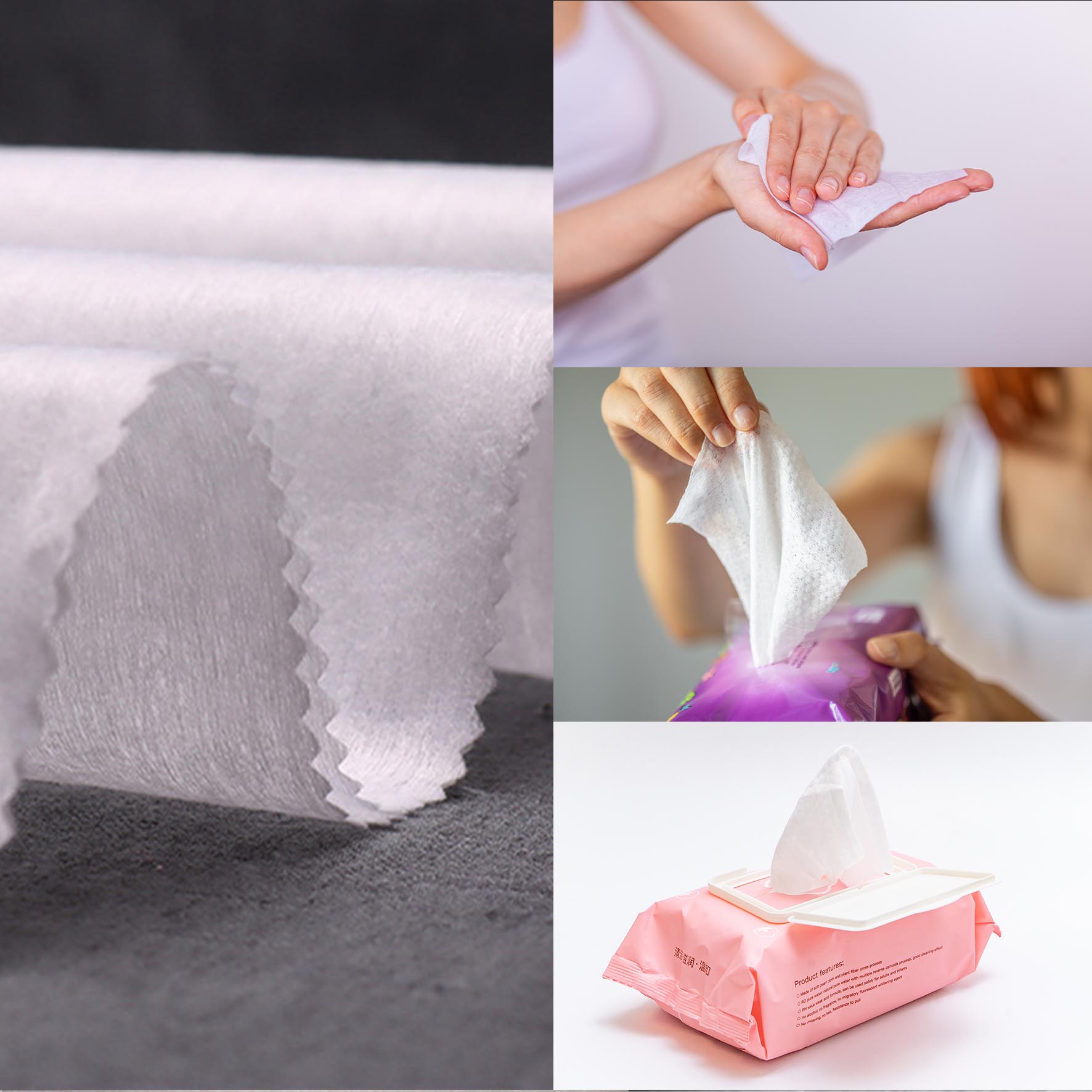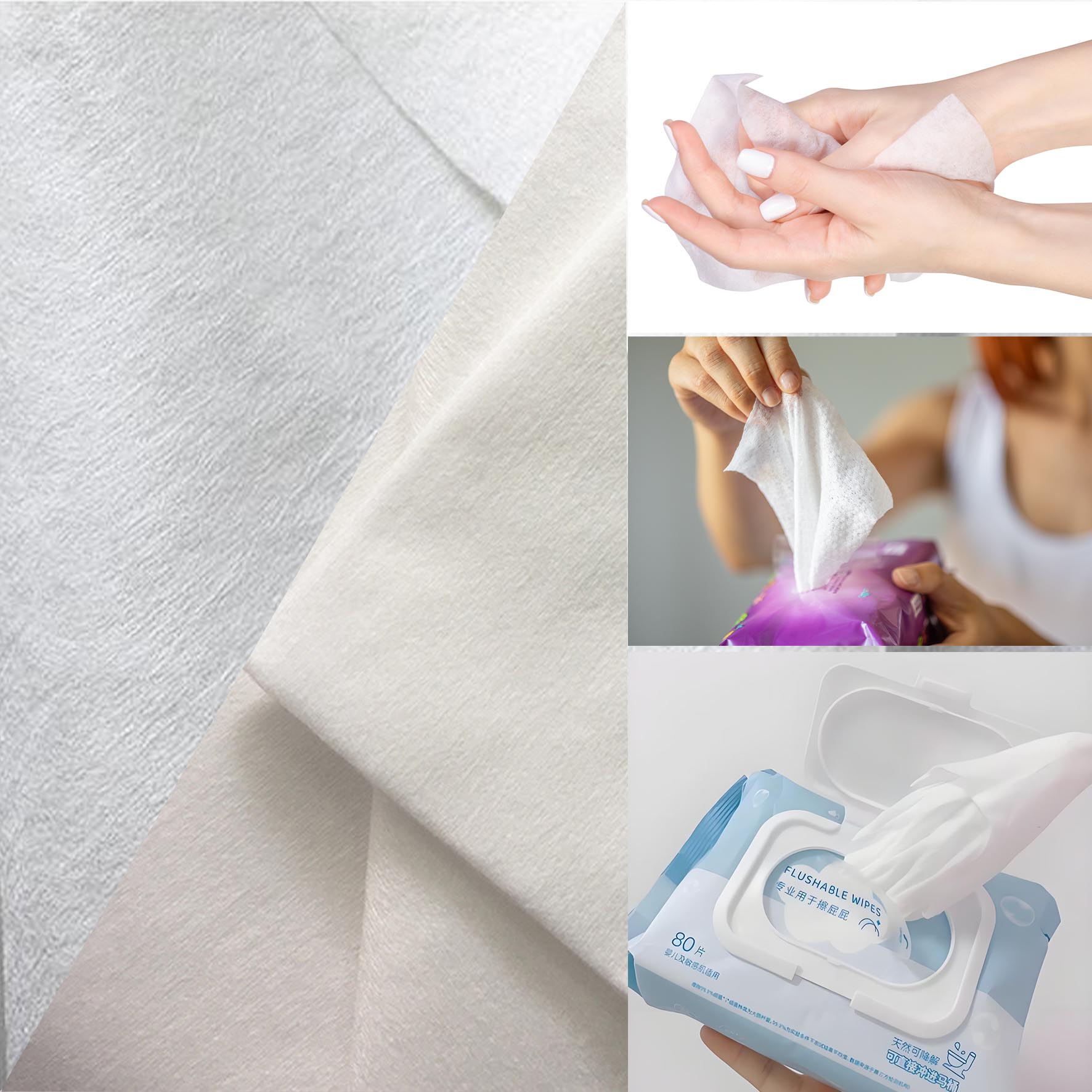
Where Is Apertured Spunlace Used?
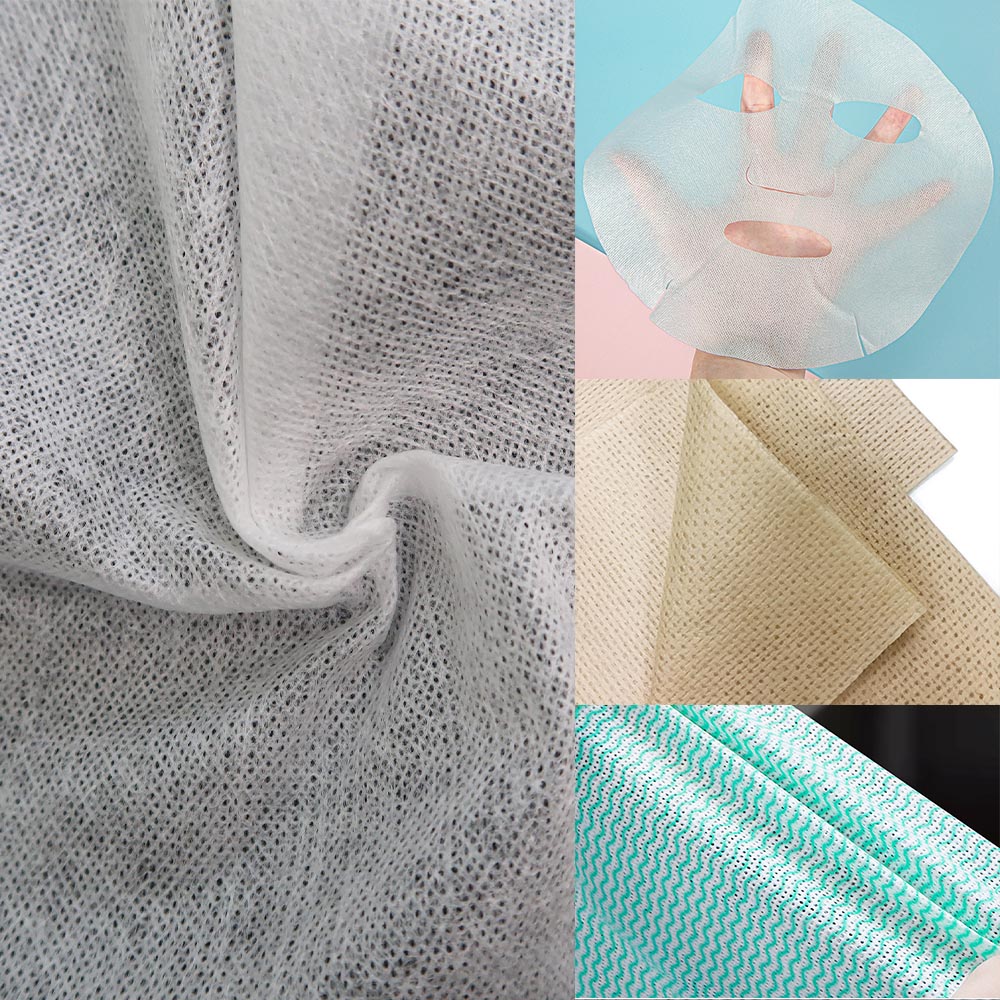
What Makes Apertured Spunlace Different?
Apertured Spunlace is a hydroentangled nonwoven fabric with visible holes or mesh-like openings across its surface.
During spunlace production, high-pressure water jets entangle the fibers. By using a specially structured drum or forming surface, manufacturers can create regular openings at the same time.
Compared with plain spunlace, the most obvious difference is the surface structure.
The openings can provide:
- Better dirt and residue pickup
- Faster liquid movement through the fabric
- Good air permeability
- More surface texture
- A lighter but still bulky feel
- A distinctive appearance
This is why apertured structures are especially common in wiping products.
One point is worth explaining: the holes themselves do not determine how absorbent the fiber is. Fiber composition still matters. Viscose, cotton and lyocell absorb liquid much more readily than polyester. The apertured structure mainly changes how the wipe contacts, collects and distributes liquid and dirt.
Why Is Apertured Spunlace Popular for Kitchen Dry Wipes?
Kitchen dry wipes and disposable cleaning cloths are one of the most suitable applications.
A kitchen wipe needs to deal with more than water. It may have to pick up:
- Food residue
- Oil
- Grease
- Dust
- Sauce
- Small particles
A completely smooth surface sometimes slides over these residues.
With Apertured Spunlace, the textured surface gives dirt somewhere to collect. The openings and raised fiber areas increase surface interaction during wiping.
That makes the material useful for:
- Kitchen dry towels
- Dishwashing cloths
- Multipurpose dry wipes
- Countertop wipes
- Disposable household cleaning cloths
For this application, buyers often care about absorbency, wet strength and cleaning efficiency more than extreme softness.
Which Fiber Composition Works Best for Cleaning?
The aperture pattern is only one part of the product. Fiber selection has a major effect on performance.
100% Viscose
Suitable when high water absorption is important.
Typical advantages:
- Good absorbency
- Soft touch
- Cellulose-based composition
It can work well for household dry towels and light cleaning cloths.
Viscose/Polyester
This is a practical choice when both absorbency and strength are needed.
Viscose helps absorb water, while polyester improves:
- Wet strength
- Durability
- Abrasion resistance
This combination is often better for more demanding kitchen and household wiping.
Polyester-Rich Blends
Higher polyester content is useful when the wipe needs to withstand harder scrubbing.
It is more suitable for:
- Industrial wiping
- Automotive cleaning
- Workshop cloths
However, intrinsic water absorption is lower than with viscose-rich products.
Cotton or Lyocell
These are more likely to be used when softness, natural-fiber positioning or skin contact also matters.
Their higher cost means they are less common in low-price kitchen wipes.
What Aperture Patterns Are Available?
Apertured spunlace does not have only one hole size.
Commercial products may be described as:
- Fine apertured
- Coarse apertured
- Mesh pattern
- 10 mesh
- 18 mesh
- 22 mesh
- Customized aperture designs
These names are not always standardized between manufacturers, so buyers should compare actual samples rather than relying only on the mesh description.
Fine Apertures
Better when you want:
- Softer touch
- Smaller openings
- Cleaner appearance
They can suit personal care and lighter wiping products.
Coarse Apertures
Better when strong wiping texture is required.
They are commonly considered for:
- Kitchen cloths
- Heavy cleaning wipes
- Industrial wiping
A larger or deeper aperture does not automatically mean better performance. The correct pattern depends on what is being wiped.
Can Apertured Spunlace Be Used for Wet Wipes?
Yes.
Although dry towels and cleaning cloths are major applications, Apertured Spunlace is also used for wet wipes.
The open texture can improve:
- Dirt pickup
- Makeup removal
- Lotion distribution
- Wiping friction
Suitable applications can include:
- Household wet wipes
- Cleaning wipes
- Makeup remover wipes
- Personal care wipes
- Some disinfecting wipes
For baby wipes and very sensitive skin products, buyers often prefer plain or softly embossed spunlace because an aggressive mesh structure may feel less gentle.
So apertured fabric is an option, not automatically the best structure for every wet wipe.
Is It Suitable for Facial Mask Sheets?
Certain apertured or mesh-type spunlace materials can also be used in cosmetic and facial mask applications.
In this case, the objective is very different from kitchen cleaning.
Brands may value:
- Good air permeability
- Light structure
- Serum distribution
- Distinctive visual texture
- Comfortable skin contact
The aperture should normally be finer and softer than the structure used for a kitchen wipe.
Fiber composition also becomes more important. Materials such as:
- Viscose
- Lyocell
- Cotton
- Specialty skincare fibers
are more suitable for facial applications than a coarse polyester-rich cleaning fabric.
What Other Products Use Apertured Spunlace?
The open structure creates opportunities beyond household cleaning.
Makeup Removal and Beauty Wipes
A lightly apertured surface can help collect makeup and skin residue without requiring an extremely heavy fabric.
Feminine Hygiene Products
Apertured hydroentangled nonwovens can be used in certain hygiene topsheet applications where rapid liquid transfer and an open structure are required.
This application uses much lighter specifications than kitchen cloths.
Medical and Wound-Care Products
Certain apertured spunlace structures can be used in wound-care components, dressings, patches and other medical nonwoven applications.
Material specifications and testing requirements are obviously much stricter than those for household wipes.
Industrial Cleaning
Stronger polyester/viscose apertured fabrics can be used for:
- Machinery wiping
- Oil removal
- Automotive maintenance
- Printing equipment
- General factory cleaning
Here, low lint and wet strength often matter more than softness.
How Should Buyers Choose the Right Specification?
Instead of asking only for “apertured spunlace,” give the supplier the final application.
A kitchen cloth and facial mask may both use an apertured structure, but the specifications can be completely different.
| Application | Fiber Direction | Typical GSM Direction | Aperture Style |
|---|---|---|---|
| Kitchen Dry Wipe | Viscose/PET or viscose-rich | 50–80 GSM | Medium/coarse |
| Household Cleaning | Viscose/PET | 50–80 GSM | Medium |
| Industrial Wipe | PET-rich blend | 60–100+ GSM | Coarse |
| Makeup Remover Wipe | Viscose/Lyocell | 40–65 GSM | Fine |
| Facial Mask | Soft cellulose-based fibers | Lightweight–medium | Fine mesh |
| Hygiene Topsheet | Application-specific | Lightweight | Fine aperture |
These ranges are starting references rather than fixed standards.
Sampling is still necessary because two fabrics with the same GSM and hole pattern can feel very different.
What Should Be Tested Before Ordering?
For Apertured Spunlace, buyers should check more than appearance.
Important tests include:
GSM and Uniformity
Large weight variation can cause uneven wiping performance.
Dry and Wet Strength
Especially important for kitchen, household and industrial wipes.
Absorption and Liquid Pickup
Test with the actual liquid or cleaning formula when possible.
Air Permeability
Relevant for applications where the open structure is specifically selected for breathability.
Lint Performance
Important for:
- Glass
- Electronics
- Machinery
- Cosmetic applications
Aperture Consistency
Check whether hole size and distribution remain stable across the width and from roll to roll.
A visually attractive pattern is not useful if the structure varies significantly during production.
FAQ
1. What is Apertured Spunlace?
It is spunlace nonwoven fabric with regularly formed holes or mesh openings created during the hydroentanglement process.
2. Why is it good for kitchen wipes?
The textured open surface helps pick up dirt, grease and residue while allowing good liquid movement through the wipe.
3. Is apertured spunlace more absorbent than plain spunlace?
The open structure can improve liquid pickup and distribution, but actual fiber absorption depends mainly on the material composition.
4. Can it be used for wet wipes?
Yes. It is used in household, cleaning, makeup removal and some personal care wet wipes.
5. Can it be used for facial masks?
Yes, certain fine and soft apertured structures can be used in cosmetic and mask-sheet applications.
6. Which is better, fine or coarse apertured spunlace?
Neither is always better. Fine structures suit softer applications, while coarse apertures are usually more suitable for stronger cleaning.
7. Can aperture size be customized?
Yes. Hole size, pattern, GSM, fiber composition and roll specifications can be customized according to the production capability and order requirements.
Why Choose Weboss?
Weboss supplies Apertured Spunlace for dry towels, household wipes, kitchen cleaning, wet wipes, cosmetic products and industrial wiping applications.
Different projects can require very different structures, so we can support selection based on:
- Fiber composition
- GSM
- Aperture size
- Mesh pattern
- Wet and dry strength
- Absorbency
- Air permeability
- Lint performance
- Roll width and diameter
Our spunlace options include viscose, polyester/viscose, cotton, lyocell and other customized fiber systems.
With more than 10 years of nonwoven export experience, Weboss can also support sample evaluation, relevant testing, specification confirmation, quality inspection and international logistics.
Contact Us
Shanghai Weboss New Material Technology Co., Ltd
TEL: +86-21-33608891
FAX: +86-21-33608892
Email: info@webosstex.com
continue reading
Related Posts
-
Apertured Spunlace has an open mesh structure for better wiping, liquid pickup and airflow in dry towels, wipes and beauty products.

Polyester Spunlace for Wet Wipes offers high wet strength and durability for cleaning, disinfecting and industrial wipes.
-
Cotton Spunlace for Wet Wipes offers a soft, absorbent and natural feel for premium baby, facial and personal care wipes.