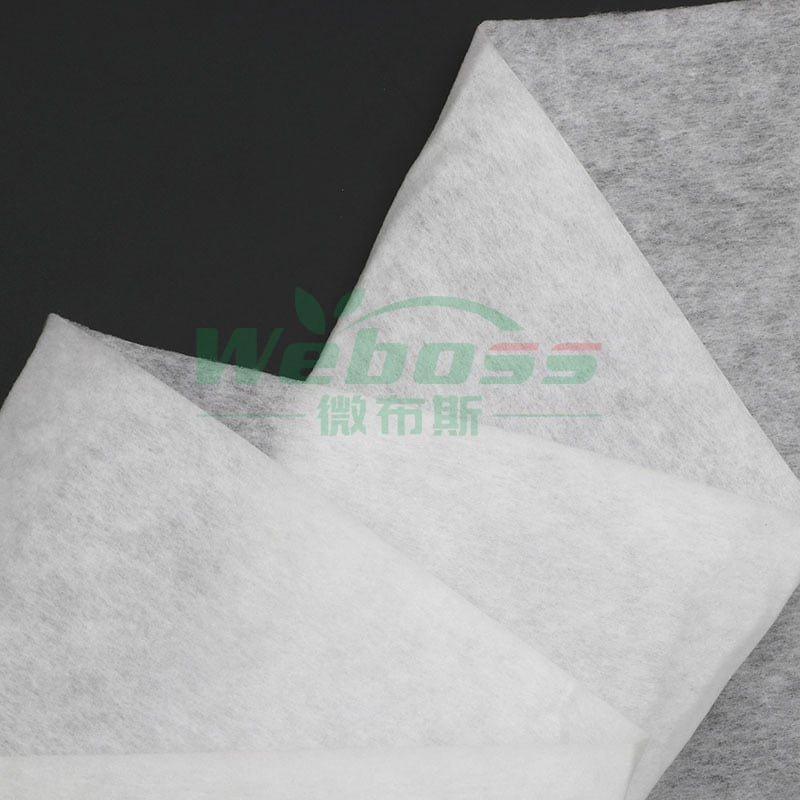
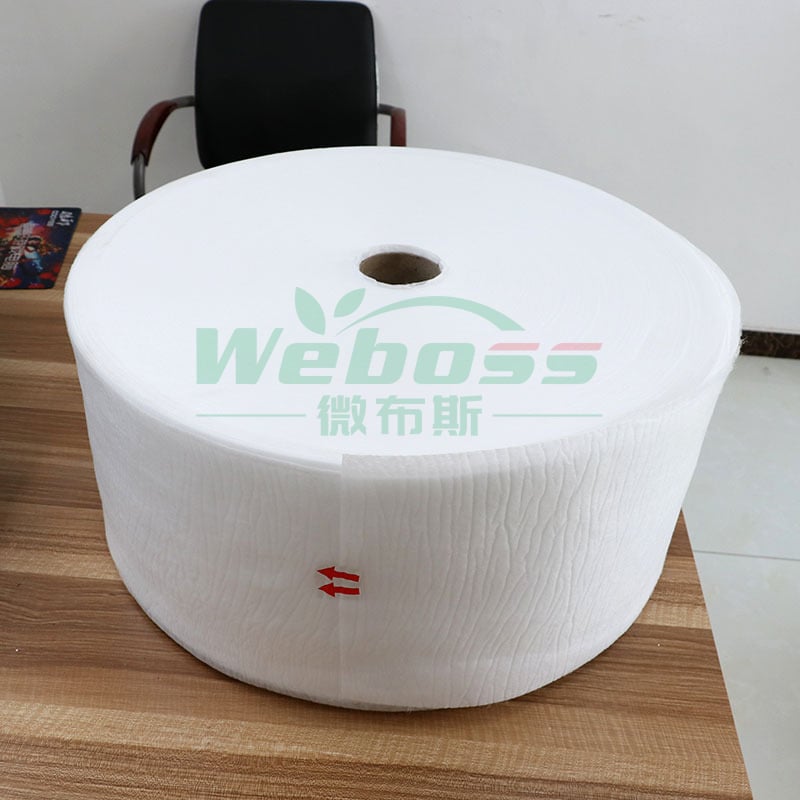
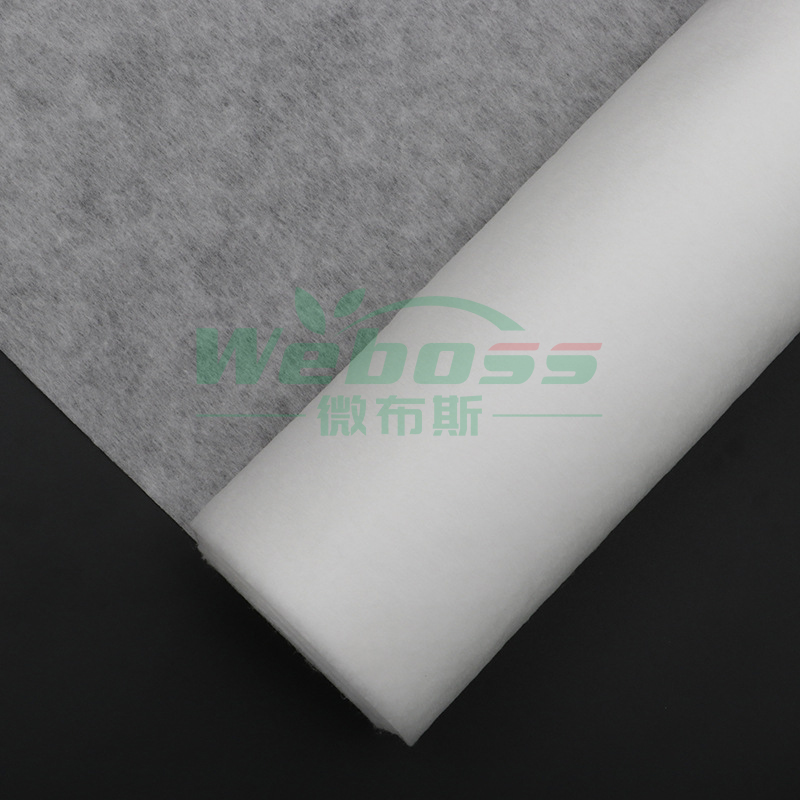
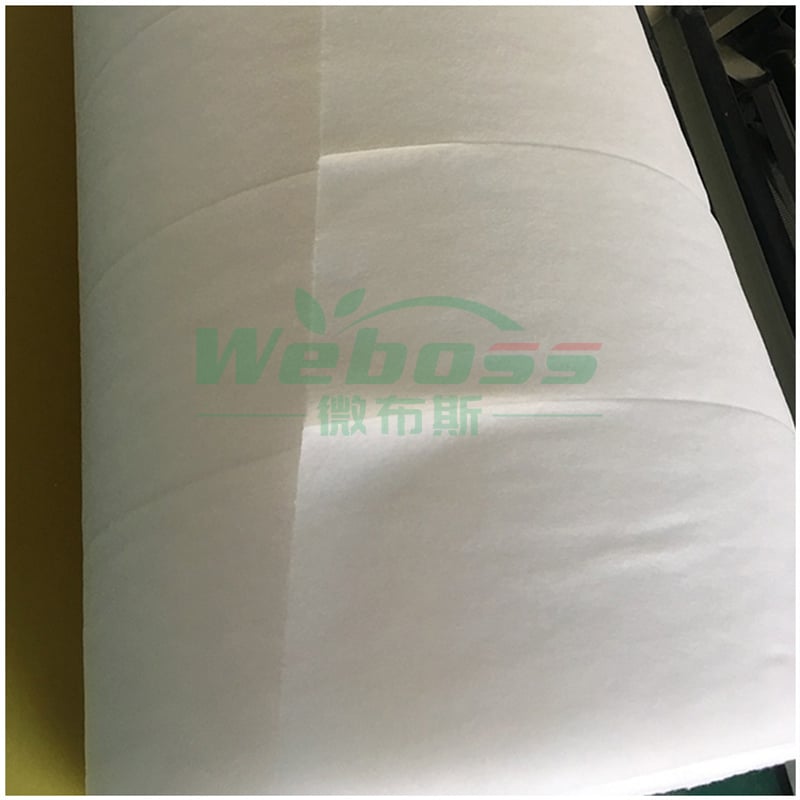
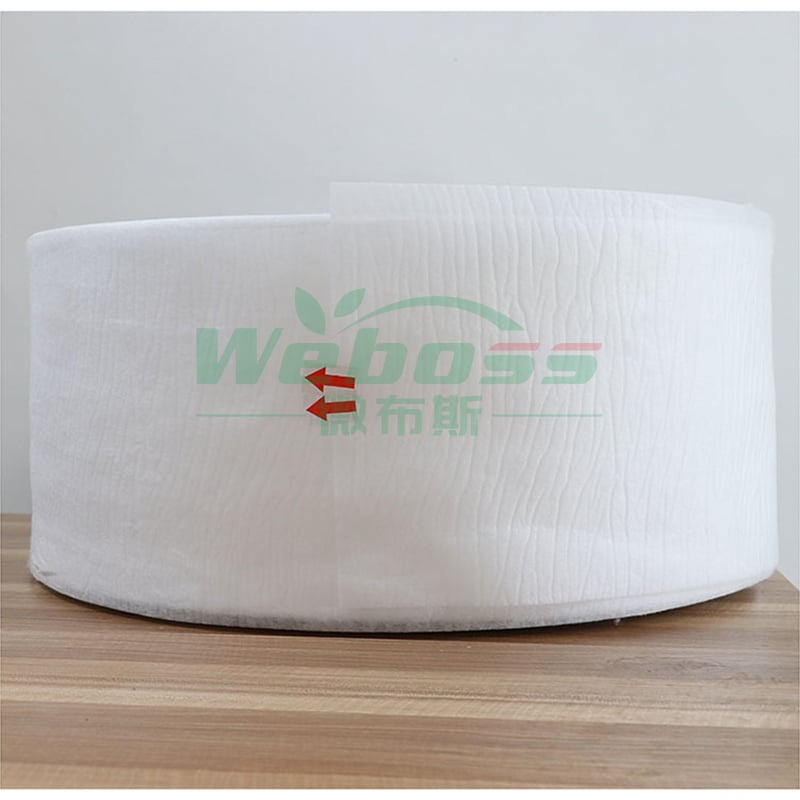
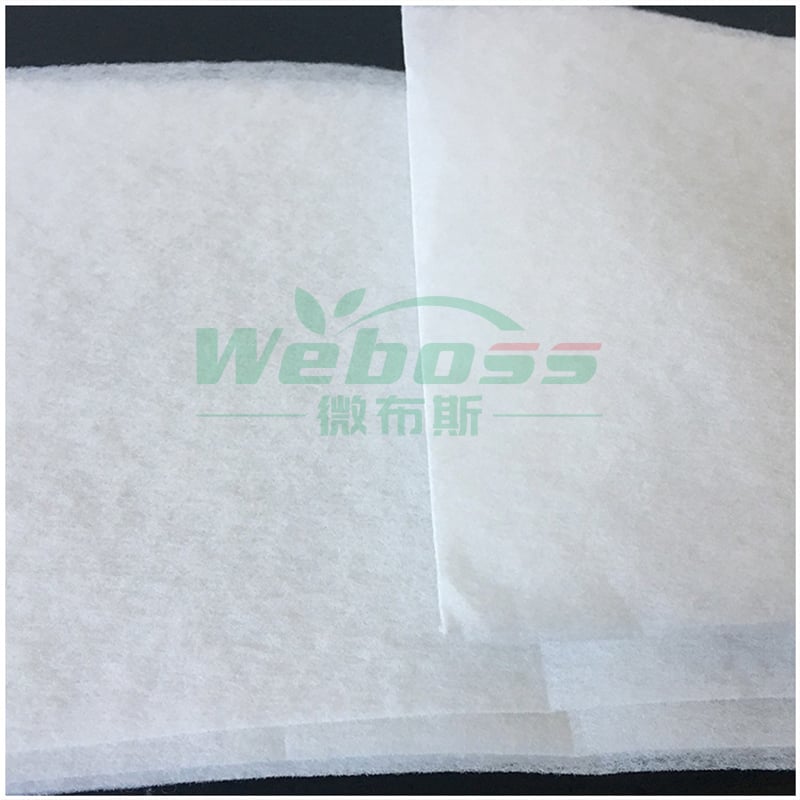
Hot Air Nonwoven Fabric
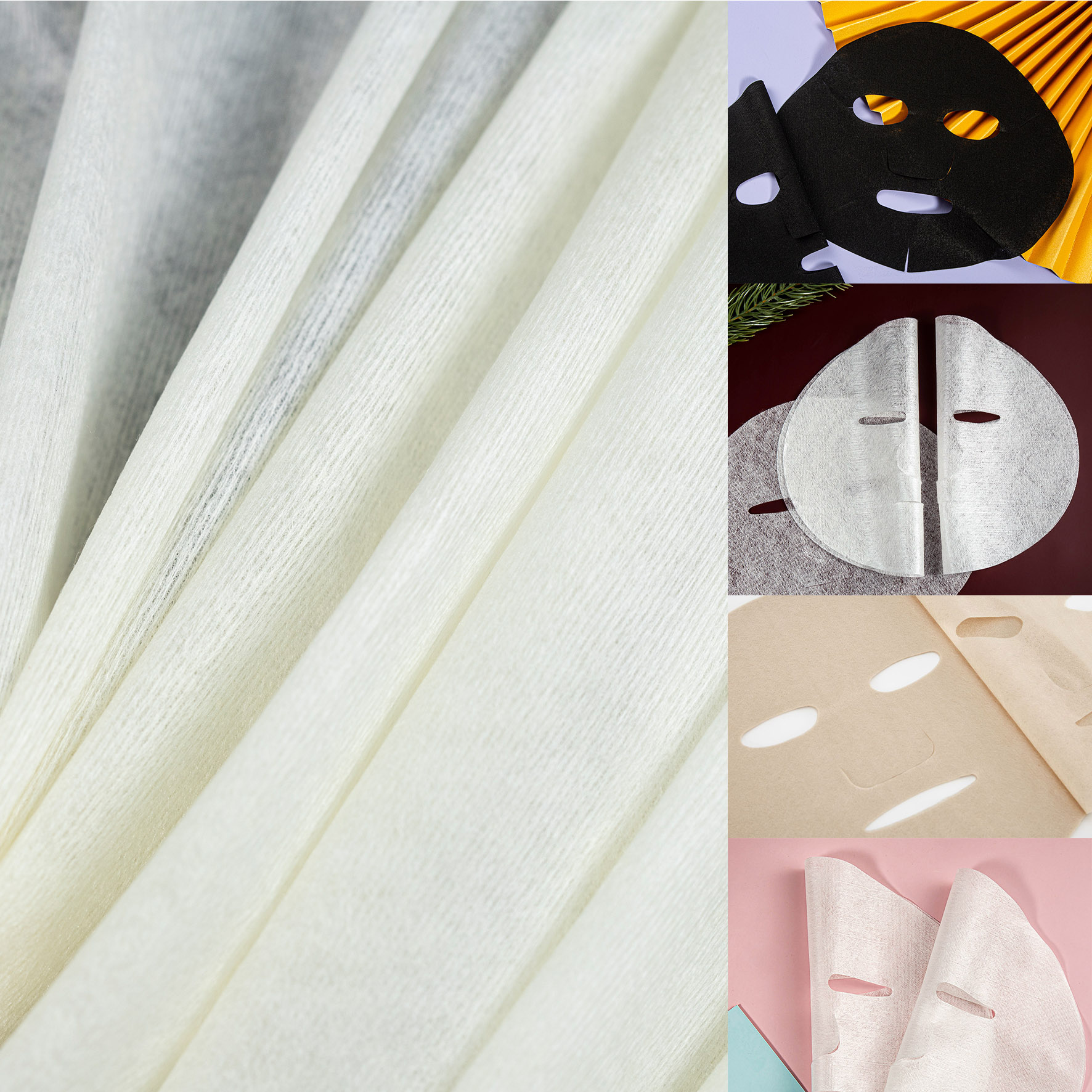
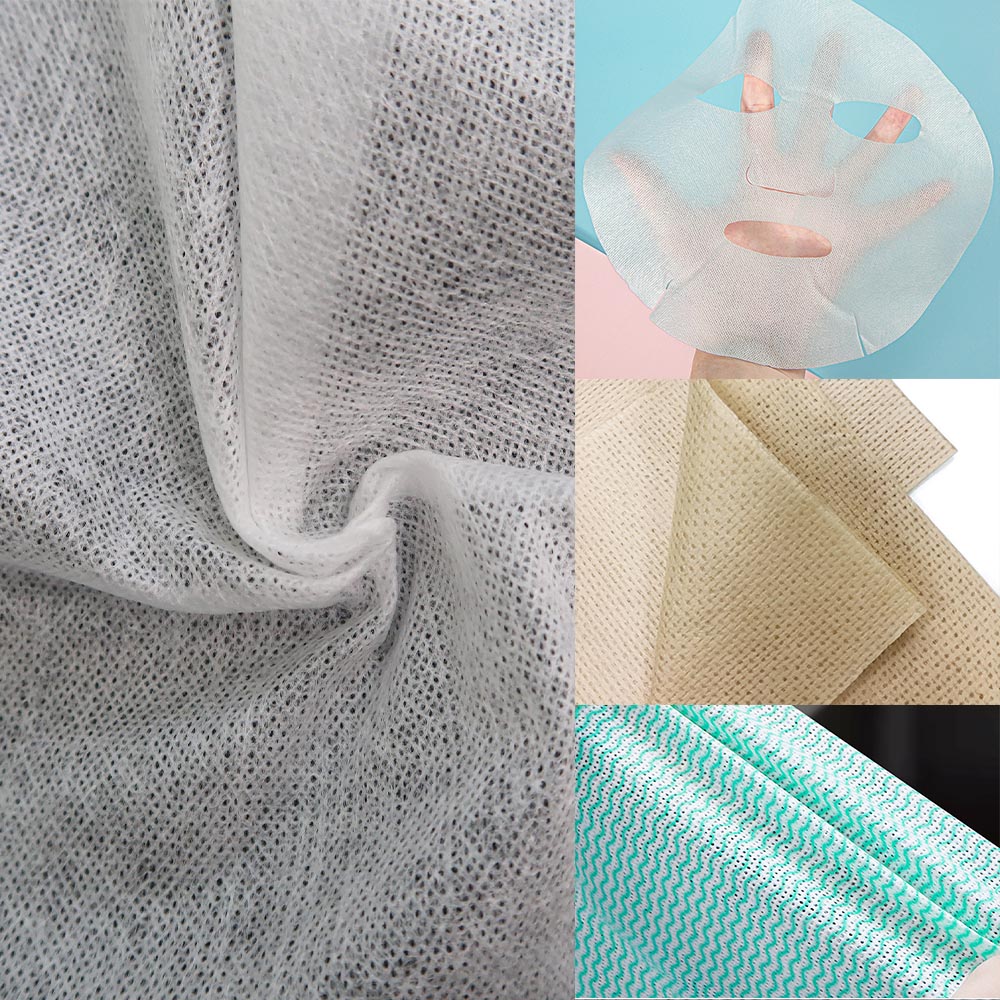
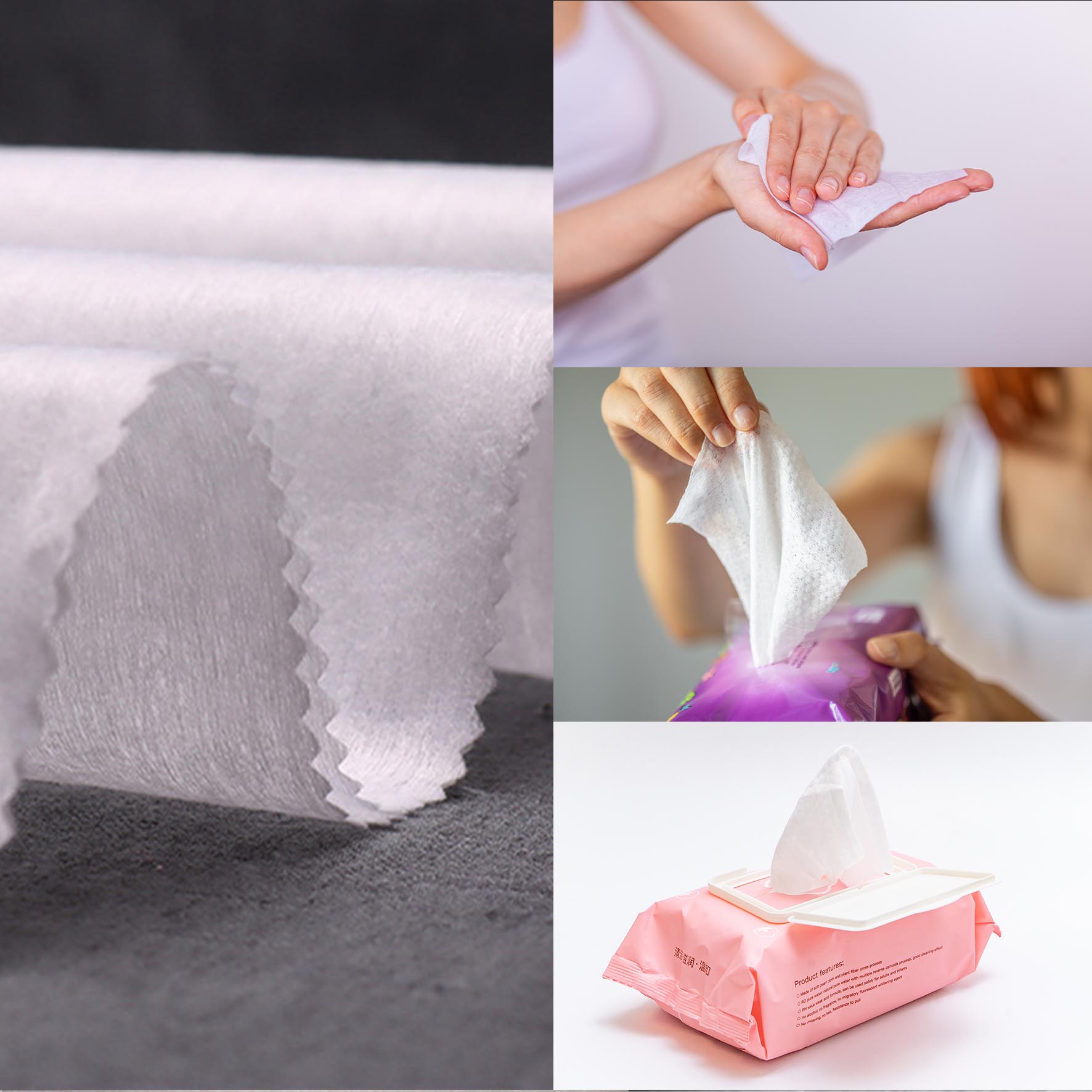
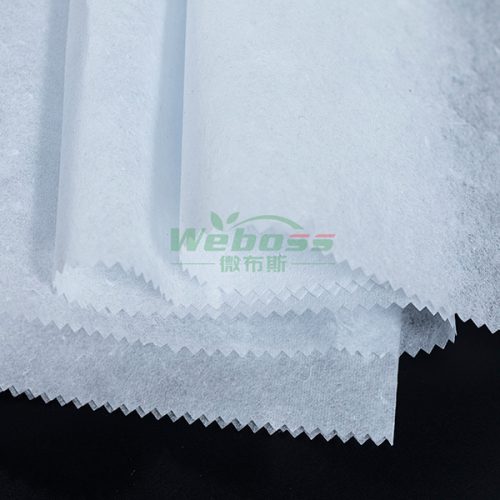
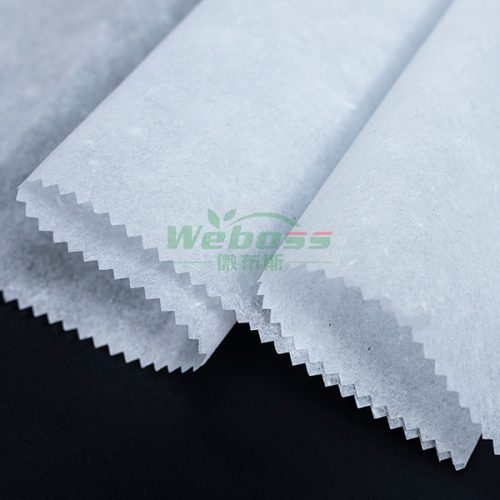
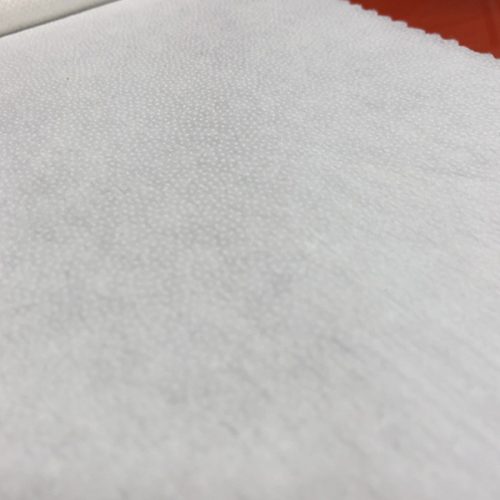
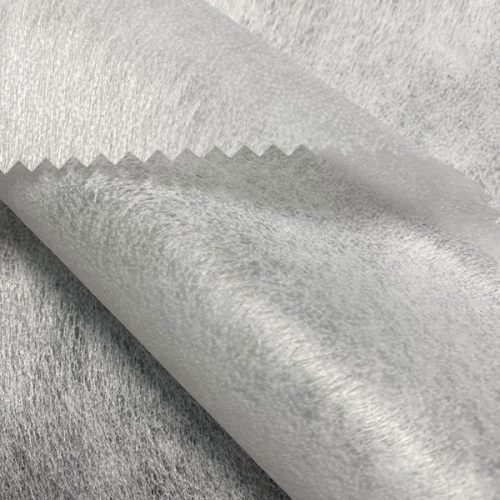
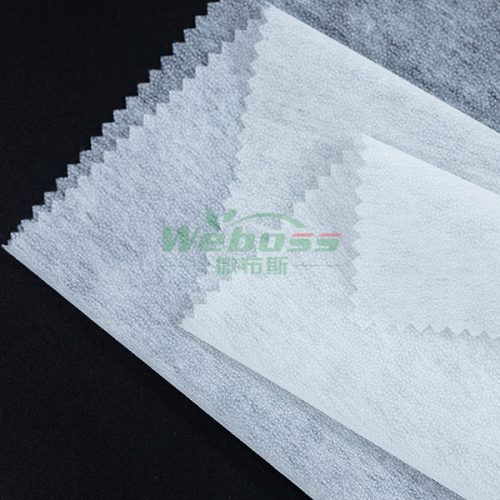
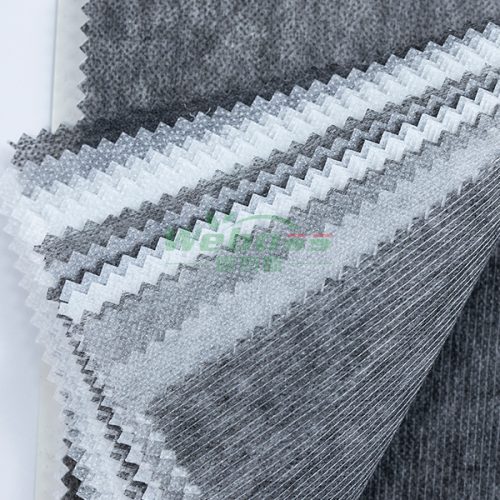
Hot Air Nonwoven Fabric is a high-quality thermally bonded nonwoven material made through hot air-through technology. This process bonds fibers by melting their surface under hot air, creating a soft, fluffy, and breathable structure without using adhesives. Depending on the fiber composition, hot air nonwoven fabric can be classified into ES nonwoven fabric (PP+PE or PET+PE) and 100% cotton hot air nonwoven fabric. It is widely used in hygiene, medical, skincare, and filtration applications.
product introduce
Product Overview
Hot air nonwoven fabric is produced by passing hot air through a layered web of fibers, which melts the low-melting-point component of the fibers and bonds them together. The resulting material is lightweight, elastic, and highly breathable, with a soft texture and uniform appearance.
Among them, ES (Ethylene-Propylene or Ethylene-Polyester) Nonwoven Fabric is made from bicomponent fibers such as PP+PE or PET+PE, while 100% Cotton Hot Air Nonwoven Fabric uses pure natural cotton fibers. Both types are safe for skin contact and suitable for a wide range of hygienic and medical applications.
Types of Hot Air Nonwoven Fabric
-
ES Hot Air Nonwoven Fabric (PP+PE or PET+PE)
-
Made from bicomponent fibers with a low-melting PE sheath and a PP or PET core.
-
Offers softness, uniform structure, and thermal bonding strength.
-
Commonly used in baby diapers, sanitary napkins, and mask inner layers.
-
-
100% Cotton Hot Air Nonwoven Fabric
-
Made from pure natural cotton fibers, providing excellent moisture absorption, breathability, and skin comfort.
-
Fully biodegradable and eco-friendly, suitable for cosmetic and medical use, such as facial mask sheets, wipes, and pads.
-
Higher in cost compared to synthetic ES nonwoven fabrics due to the natural cotton content.
-
Key Features
-
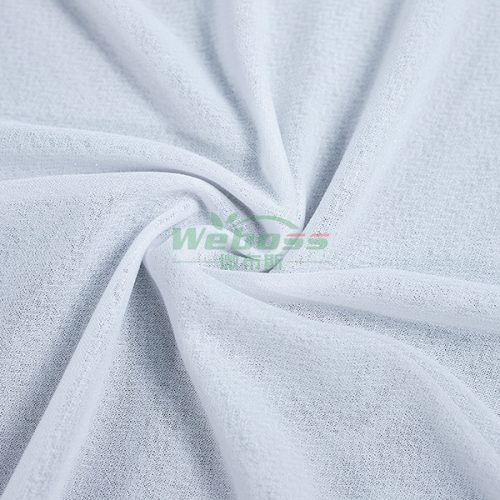
Soft and Fluffy Texture: Smooth surface and excellent drape for comfort.
-
Excellent Breathability: Open structure allows air circulation, preventing heat buildup.
-
Chemical-Free Bonding: Hot air bonding uses no adhesives, ensuring safety and purity.
-
High Uniformity and Strength: Even fiber distribution for stable physical performance.
-
Skin-Friendly and Hypoallergenic: Perfect for hygiene and medical products.
-
Eco-Friendly Options: Available in biodegradable cotton or eco-modified ES fibers.
Product Advantages of Hot Air Nonwoven Fabric
Hot air nonwoven fabric is produced by bonding fibers through controlled hot air circulation, allowing low-melting-point fibers to fuse without the use of chemical binders or high mechanical pressure. This process creates a fabric with a three-dimensional, fluffy structure, offering excellent softness, bulk, and breathability.
Compared with mechanically bonded or thermally calendered nonwovens, hot air nonwoven fabric maintains high loft and elasticity, making it particularly suitable for applications where comfort and cushioning are essential. The absence of hard bonding points also contributes to a smooth hand feel and uniform appearance.
For manufacturers, hot air nonwoven fabric offers a balance between lightweight structure, stable bonding, and gentle surface contact, especially in hygiene and comfort-focused products.
Production Process
-
Fiber Preparation:
Fibers such as PP, PE, PET, or natural cotton are selected and blended. -
Web Formation:
Fibers are carded and laid evenly to form a smooth web. -
Hot Air Bonding:
Hot air passes through the fiber web to melt the low-melting fibers (like PE sheath) and bond the structure together. -
Cooling and Finishing:
The bonded fabric is cooled, softened, and wound into rolls. -
Quality Inspection:
Every roll undergoes strength, softness, and uniformity testing to ensure consistent performance.
Hot Air Nonwoven vs. Other Bonding Technologies – Application-Based Selection
Hot air nonwoven fabric is often compared with thermal-bonded or spunbond nonwoven materials, but each serves a different purpose.
Hot air nonwoven fabric is preferred when:
- Softness and bulk are primary requirements
- Products require cushioning or elastic recovery
- Skin comfort is more important than high tensile strength
Other bonding technologies may be more suitable where high strength, thin structure, or abrasion resistance is required. Hot air nonwoven fabric focuses on comfort-oriented performance, making it a strategic choice rather than a general replacement.
Understanding this distinction helps customers select the right material for the right function.
Functional Treatments & Structural Customization Options
Hot air nonwoven fabric can be customized to meet different functional and processing needs:
- Hydrophilic or hydrophobic treatment
- Soft-touch or skin-contact finishing
- Elastic fiber blending for enhanced resilience
- Customized basis weight and thickness
- Color, width, and roll format options
- Breathability and loft control
Weboss supports customers by fine-tuning fiber composition and bonding conditions to achieve targeted performance outcomes.
Common Applications of Hot Air Nonwoven Fabric
Thanks to its softness and bulk structure, hot air nonwoven fabric is widely used in:
- Hygiene products (diapers, sanitary napkins, adult care products)
- Absorbent core cover layers
- Medical and healthcare disposables
- Cushioning and padding materials
- Comfort layers in composite nonwoven structures
- Protective packaging and insulation layers
Its role is often to provide comfort, cushioning, and breathability rather than structural strength.
Specifications
| Item | Description |
|---|---|
| Material | PP+PE, PET+PE, or 100% Cotton |
| Weight Range | 16–80 gsm (customizable) |
| Width | 15- 320 cm |
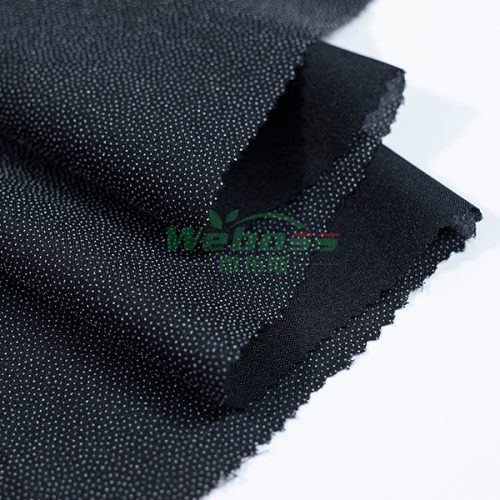
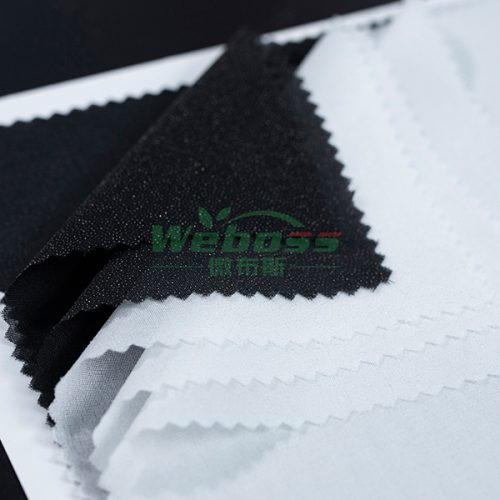
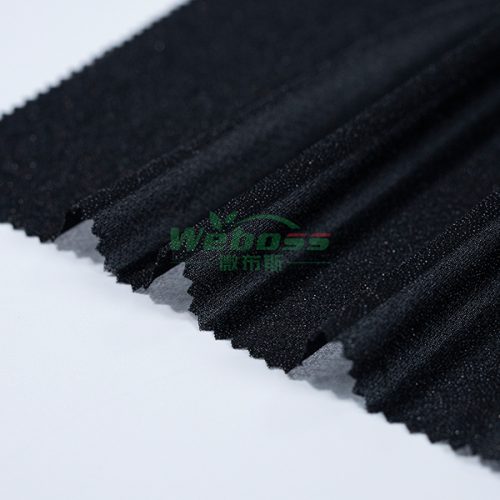
| Color | White, black, or customized |
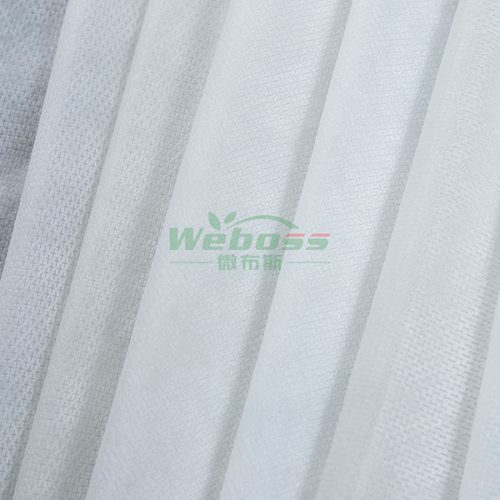
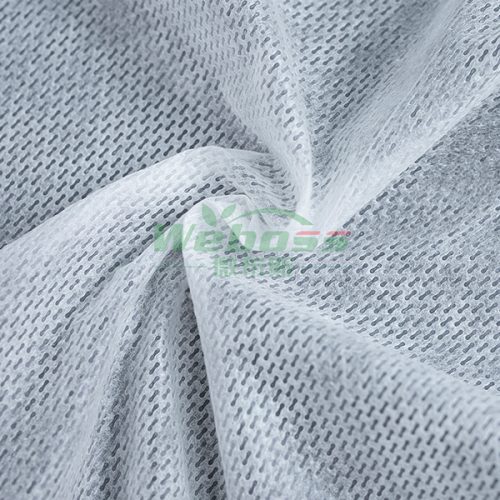
| Pattern | Plain, dotted, or embossed |
| Softness | Standard / Extra soft |
| Certification | OEKO-TEX Standard 100, ISO9001, SGS, GRS |
| Packaging | In rolls, packed with PE film or carton |
FAQ—Frequently Asked Questions
Q1: What is the difference between hot air nonwoven fabric and other nonwovens?
A1: Hot air nonwoven fabric is bonded by hot air rather than glue or water jets, resulting in better softness and fluffiness.
Q2: What are the main types of hot air nonwoven fabric?
A2: There are two main types: ES hot air nonwoven (PP+PE or PET+PE) and 100% cotton hot air nonwoven fabric. The cotton type is softer and more eco-friendly but slightly higher in cost.
Q3: Is the fabric safe for direct skin contact?
A3: Yes. All materials are non-toxic, hypoallergenic, and tested for skin safety, making them suitable for baby and cosmetic products.
Q4: Can the GSM and width be customized?
A4: Yes, we provide customizable weight, width, and pattern designs based on customer requirements.
Q5: Do you support OEM or customized production?
A5: Yes. Shanghai Weboss New Material Technology Co., Ltd. offers OEM/ODM production, flexible order quantities, and international shipping service.
Q6: What is the main advantage of hot air nonwoven fabric?
A6: Its soft, bulky structure provides excellent comfort and cushioning.
Q7: Is hot air nonwoven fabric suitable for skin-contact products?
A7: Yes. It is commonly used in hygiene and medical applications.
Q8: Can hot air nonwoven be combined with other nonwovens?
A8: Yes. It is often used as a comfort layer in composite structures.
Q9: Is customization available?
A9: Yes. Weight, thickness, softness, and surface treatments can be adjusted.
Why Choose Weboss?
Weboss focuses on delivering comfort-oriented nonwoven solutions that perform reliably in real applications.
Experience with hot air bonding technology
Stable quality and consistent loft control
Customization support for hygiene and medical products
Reliable supply for large-volume orders
Responsive technical and application support
With Weboss, customers gain a partner who understands how material structure translates into user comfort.
additional information
Stay Ahead With Weboss Updates

본 문서는 마스크용 스판레이스 부직포를 소개하며, 비스코스, 텐셀, 면, 키토산, 대나무, 해조와 같은 일반적인 섬유 옵션을 설명하고, 각 재료가 편안함과 성능에 미치는 영향을 보여줍니다.

Apertured Spunlace has an open mesh structure for better wiping, liquid pickup and airflow in dry towels, wipes and beauty products.
-
Polyester Spunlace for Wet Wipes offers high wet strength and durability for cleaning, disinfecting and industrial wipes.