PET Spunbond Non Woven Fabric vs PP Spunbond Non Woven Fabric
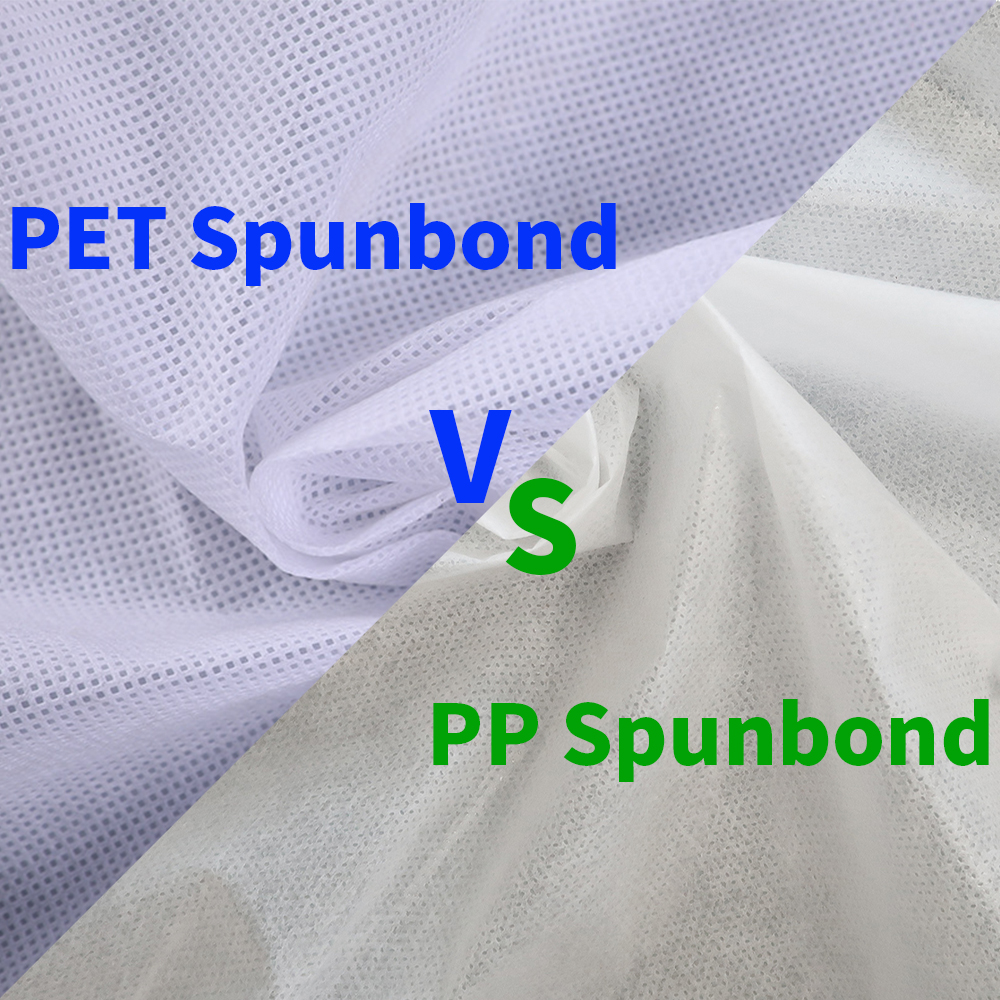
PET vs PP Spunbond Non Woven Fabric: Why This Comparison Matters
If you’re choosing between PET and PP spunbond non woven fabric, you’re not alone. This is one of the most common questions buyers ask.
At first glance, they may look similar. But in real use, the difference can be quite big — especially in performance, durability, and cost.
👉 The key is simple:
- PP is more common and cost-effective
- PET is stronger and more suitable for demanding use
So the right choice really depends on what you’re using it for.
What Is PET Spunbond Non Woven Fabric?
PET spunbond is made from polyester fibers. Compared to PP, it offers:
- Higher strength
- Better heat resistance
- More stable structure
👉 It’s often used in construction, filtration, and industrial applications
What Is PP Spunbond Non Woven Fabric?
PP spunbond is made from polypropylene. It’s the most widely used nonwoven fabric because:
- Lower cost
- Easy to produce
- Suitable for disposable products
👉 You’ll often see it in:
- Shopping bags
- Medical products
- Packaging
Key Differences Between PET and PP Spunbond
Here’s a clear comparison to help you decide:
| Feature | PET Spunbond Nonwoven | PP Spunbond Nonwoven |
|---|---|---|
| Raw Material | Polyester (PET) | Polypropylene (PP) |
| Strength | Higher | Moderate |
| Heat Resistance | Higher | Lower |
| Durability | Long-term use | Short-term use |
| Cost | Higher | Lower |
| Weight Stability | Better | Average |
| Main Applications | Industrial, construction | Disposable, general use |
👉 If you only remember one thing:
PET = performance, PP = cost efficiency
When Should You Choose PET Spunbond?
PET is not always necessary, but in some cases, it makes a big difference.
1. When Strength Matters
If your product needs to:
- Carry weight
- Resist tearing
👉 PET is the safer choice.
2. When Temperature Is High
PET performs better in:
- Hot environments
- Processing conditions involving heat
3. When Long-Term Use Is Required
For products that are not disposable, PET is more stable over time.
👉 Example:
- Roofing materials
- Geotextiles
When Should You Choose PP Spunbond?
PP is still the most popular option for a reason.
1. When Cost Is Important
If your product is:
- Disposable
- Price-sensitive
👉 PP is usually the better option.
2. For High-Volume Production
PP is ideal for:
- Mass production
- Fast-moving products
3. For Lightweight Applications
PP works well when:
- Heavy strength is not required
- Cost needs to stay low
How to Decide Between PET and PP?
If you’re unsure, use this simple approach:
Step 1: Look at Your Product
Ask:
- Is it disposable or long-term use?
👉 Disposable → PP
👉 Long-term → PET
Step 2: Check Performance Needs
- Need strength / durability → PET
- Basic use → PP
Step 3: Consider Budget
- Tight budget → PP
- Premium product → PET
Step 4: Test Samples
This is often overlooked.
👉 Even small differences in fabric can affect your final product.
Common Mistakes Buyers Make
1. Choosing PET Just Because It Sounds Better
PET is not always necessary.
👉 If your product is disposable, you may just increase cost without benefit.
2. Choosing PP for Heavy-Duty Use
PP may fail in:
- High stress
- High temperature
3. Ignoring End-Use Conditions
Environment matters:
- Heat
- Moisture
- Load
👉 These factors should guide your decision.
FAQ About PET vs PP Spunbond Non Woven Fabric
1. Which is stronger, PET or PP spunbond?
PET is stronger and more durable.
2. Which is cheaper?
PP is usually more cost-effective.
3. Can PP replace PET?
Only in low-demand applications. For high performance, PET is better.
4. Is PET more heat resistant?
Yes, PET performs better at higher temperatures.
5. Which is better for disposable products?
PP is more suitable due to lower cost.
6. Is PET used in construction?
Yes, especially in roofing and geotextile applications.
7. Can both materials be customized?
Yes, including GSM, width, and special treatments.
8. How do I choose if I’m unsure?
Start from your application and test samples before ordering.
Why Choose Weboss as Your Non Woven Fabric Supplier?
At Weboss, we help customers choose the right material — not just sell products.
Here’s what you can expect:
- 10+ years of export experience
- Full range of nonwoven fabrics:
- PET spunbond
- PP spunbond
- Spunlace, meltblown, and more
- Application-based recommendations
- Strict quality control and testing support
- Flexible customization options
- Professional export service and stable supply
👉 Whether you need PET for performance or PP for cost efficiency, we can support your project.
Contact Us
If you are looking for a reliable non woven fabric supplier, feel free to contact us:
- TEL: +86-21-33608891
- FAX: +86-21-33608892
- Email: info@webosstex.com
continue reading
Related Posts

Spunlace non woven fabric for cleaning is a soft, absorbent, and lint-free material widely used for wipes, industrial cleaning, and household use
-
PET spunbond non woven fabric vs PP spunbond non woven fabric differ in strength, heat resistance, cost, and applications.

PLA non woven fabric is a biodegradable material made from plant-based fibers, widely used in hygiene, medical, and eco-friendly applications.