Meltblown Nonwoven Fabric
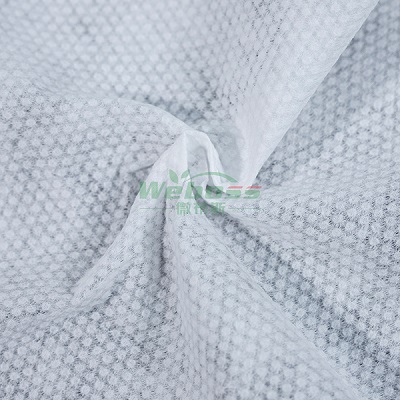
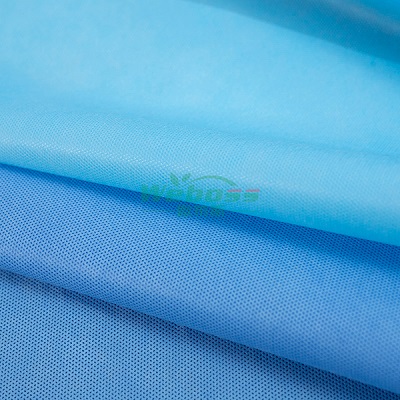
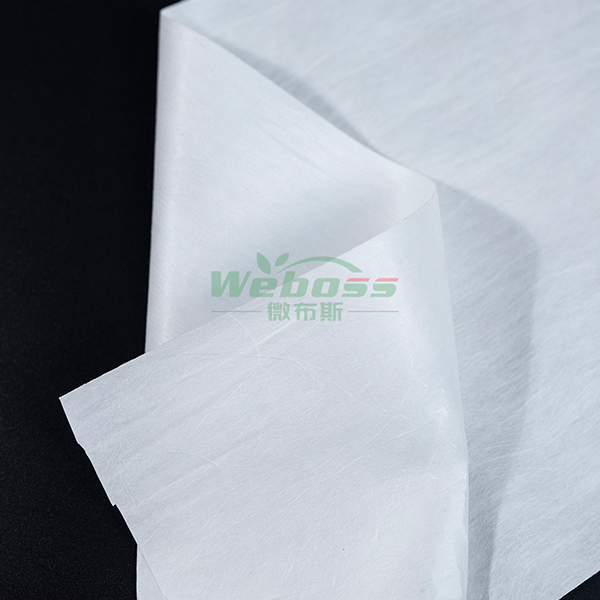
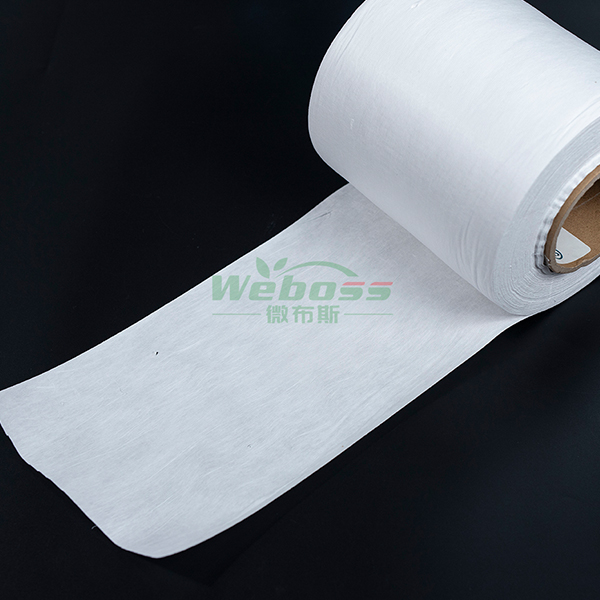
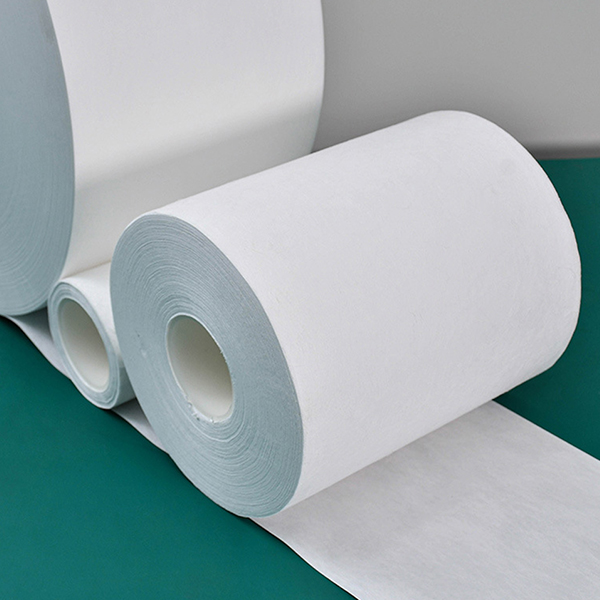
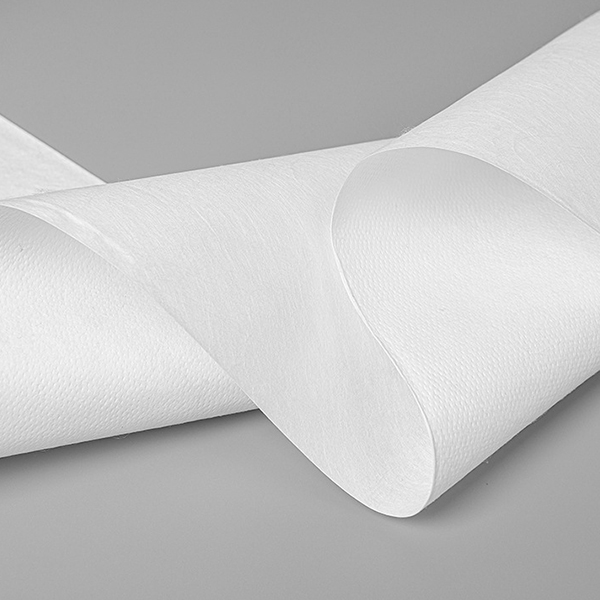
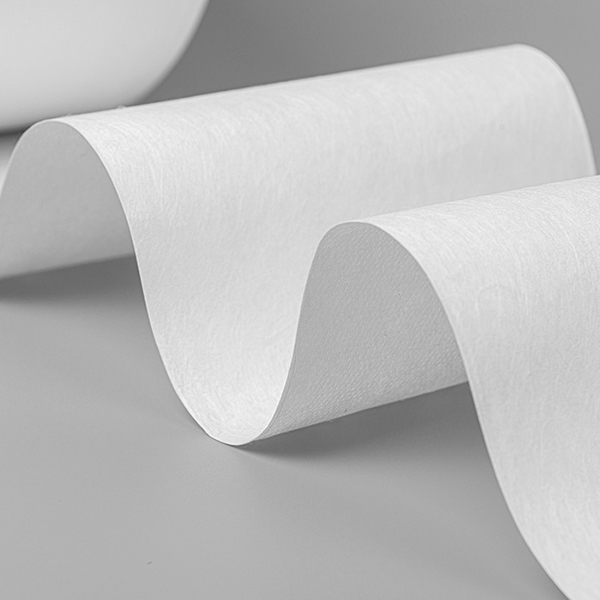
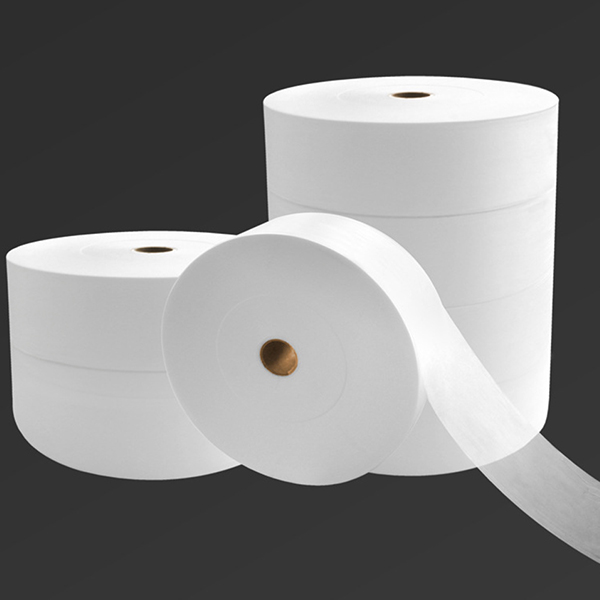
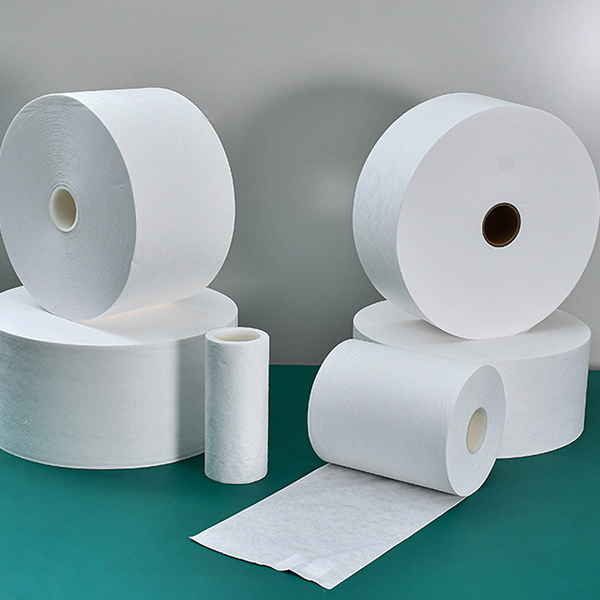
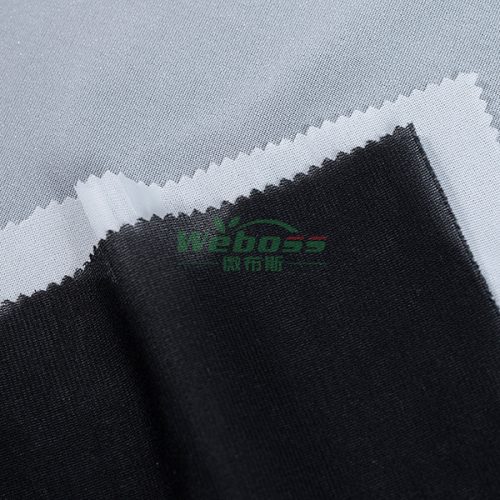
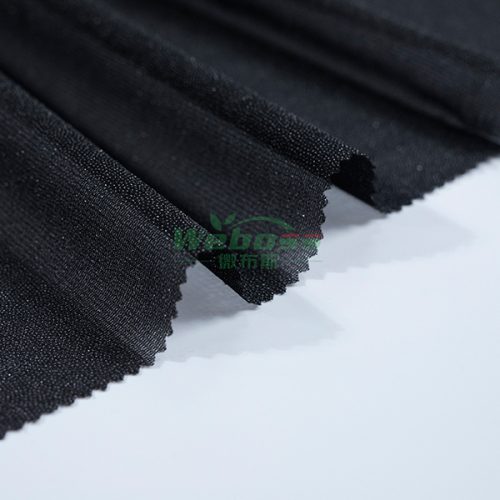
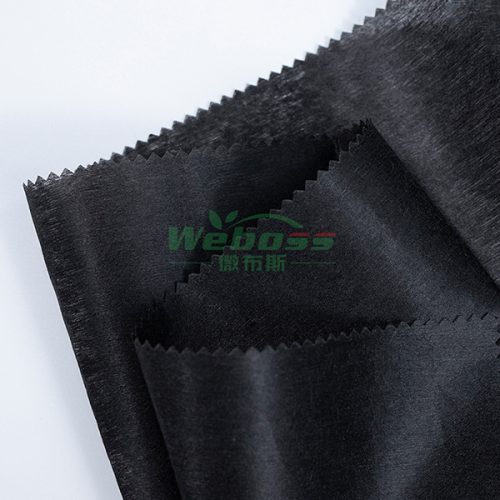
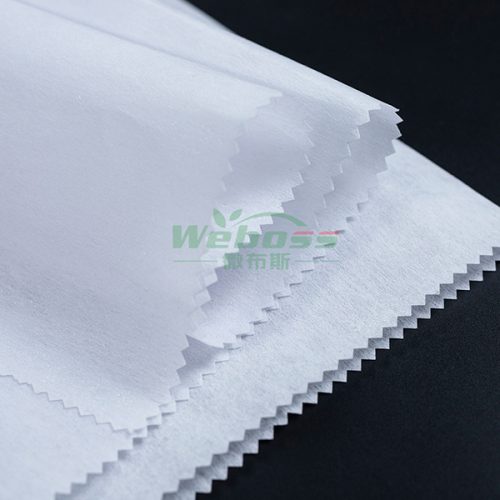
Meltblown nonwoven fabric is crafted using advanced meltblown technology with 100% polypropylene as the primary material. It boasts a fine fiber structure, enabling exceptional filtration, insulation, and adsorption properties. Available in a weight range of 20-100 gsm, it is widely used in medical masks, air and liquid filtration, oil absorption, thermal insulation, and hygiene products. The fabric is lightweight, breathable, and ensures high efficiency in various industrial and healthcare applications.
product introduce
Meltblown Nonwoven Fabric Product Highlights
1. High Filtration Efficiency: Ultra-fine fiber structure ensures superior filtration performance, making it ideal for medical masks and air filtration systems.
2. Versatile Applications: Applicable in industries like healthcare, environmental protection, thermal insulation, and hygiene, addressing diverse needs.
3. Exceptional Material Properties: Manufactured with 100% polypropylene, offering lightweight, breathable, and eco-friendly characteristics.
4. Wide Range of Uses: Perfect for producing surgical masks, HEPA filters, oil absorbents, and insulation materials, meeting global quality standards.
Product Advantages of Meltblown Nonwoven Fabric
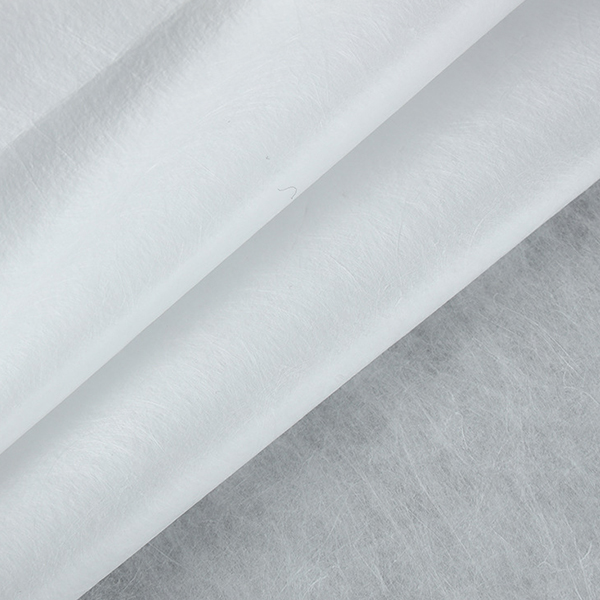
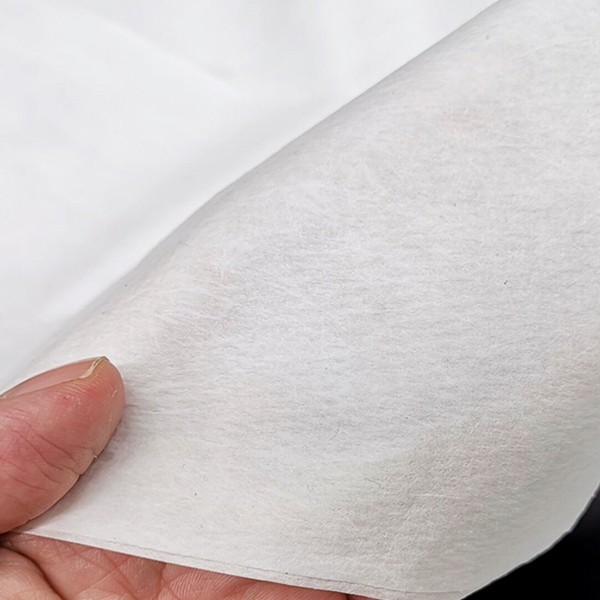
Meltblown nonwoven fabric is known for its ultra-fine fiber structure and high surface area, making it a key material in applications that require filtration, barrier performance, and fine particle capture. Produced by extruding molten polymer through micro nozzles with high-speed hot air, meltblown fabric forms fibers much finer than those of spunbond materials.
This microstructure allows meltblown nonwoven fabric to deliver excellent filtration efficiency while maintaining breathability. At the same time, its uniform fiber distribution ensures stable performance across different production batches.
Meltblown fabric is widely valued not only for medical and hygiene uses but also for industrial and environmental applications where precision filtration and material consistency are critical.
Meltblown vs. Spunbond Nonwoven Fabric – Application-Focused Comparison
Meltblown nonwoven fabric is often compared with spunbond nonwoven fabric, but the two serve different functional purposes rather than competing with each other.
Meltblown nonwoven fabric is designed for filtration, absorption, and barrier performance, especially where fine particles, bacteria, or liquids need to be controlled.
Spunbond nonwoven fabric focuses more on strength, durability, and structural support.
In many end products, meltblown and spunbond fabrics are used together, such as in composite structures, to combine filtration efficiency with mechanical strength. Choosing meltblown fabric is primarily about meeting functional filtration requirements, not replacing spunbond materials.
Functional Treatments & Surface Finishing Options
Meltblown nonwoven fabric offers extensive customization possibilities to meet different technical standards and end-use demands:
- Electrostatic (electret) treatment for enhanced filtration efficiency
- Hydrophilic or hydrophobic treatment
- Oil-absorption optimization
- Antibacterial or functional finishing options
- Customized basis weight and fiber diameter
- Single-layer or composite-ready structures
Weboss works closely with customers to match meltblown fabric specifications with real-world performance requirements, ensuring consistent filtration results.
Common Applications of Meltblown Nonwoven Fabric
Due to its fine fiber structure and functional versatility, meltblown nonwoven fabric is commonly used in:
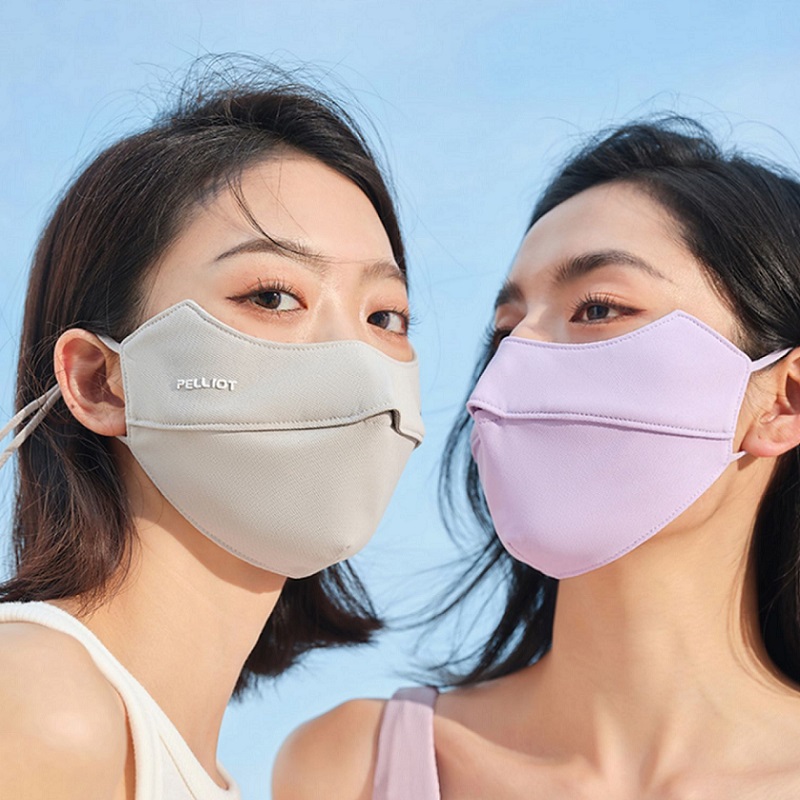
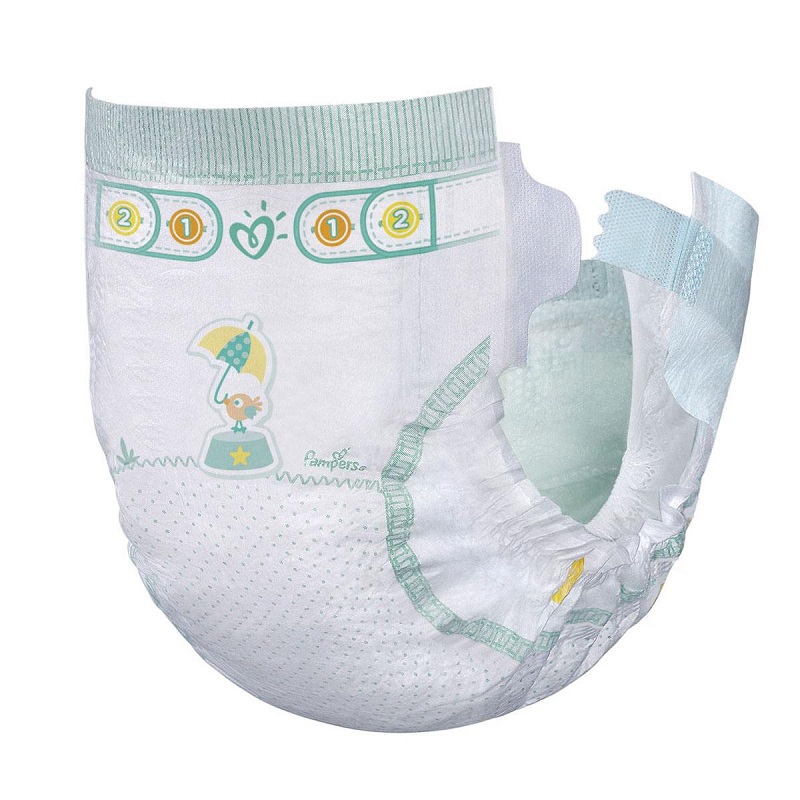
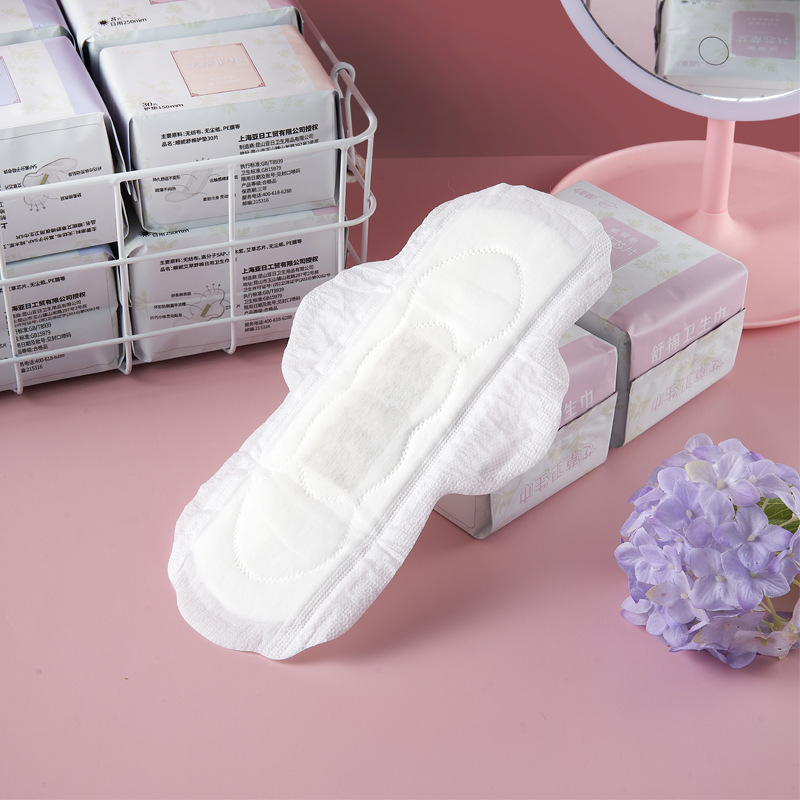
- Medical masks and protective products
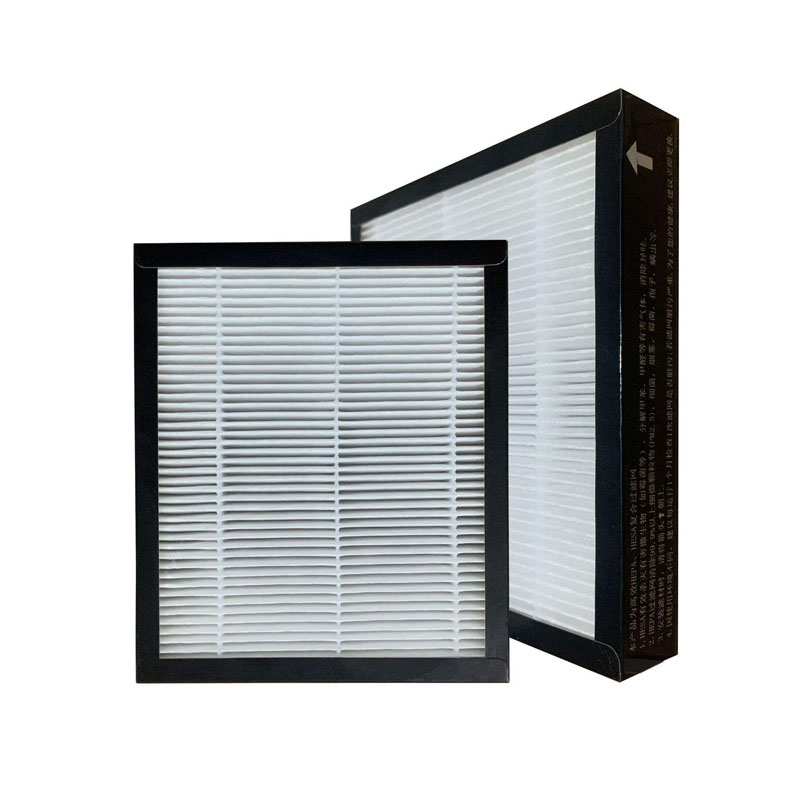
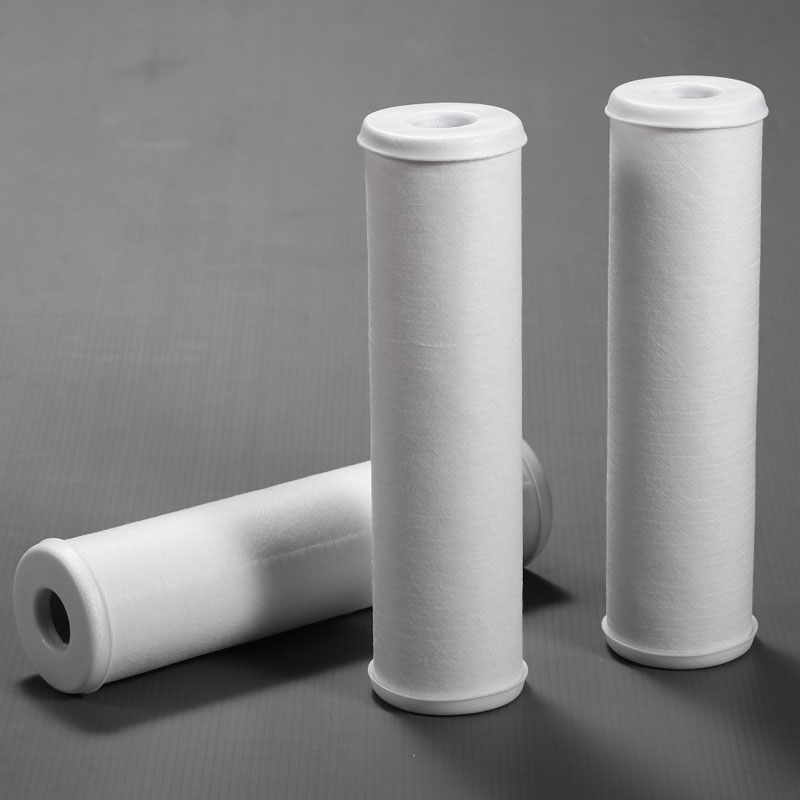
- Air and liquid filtration systems
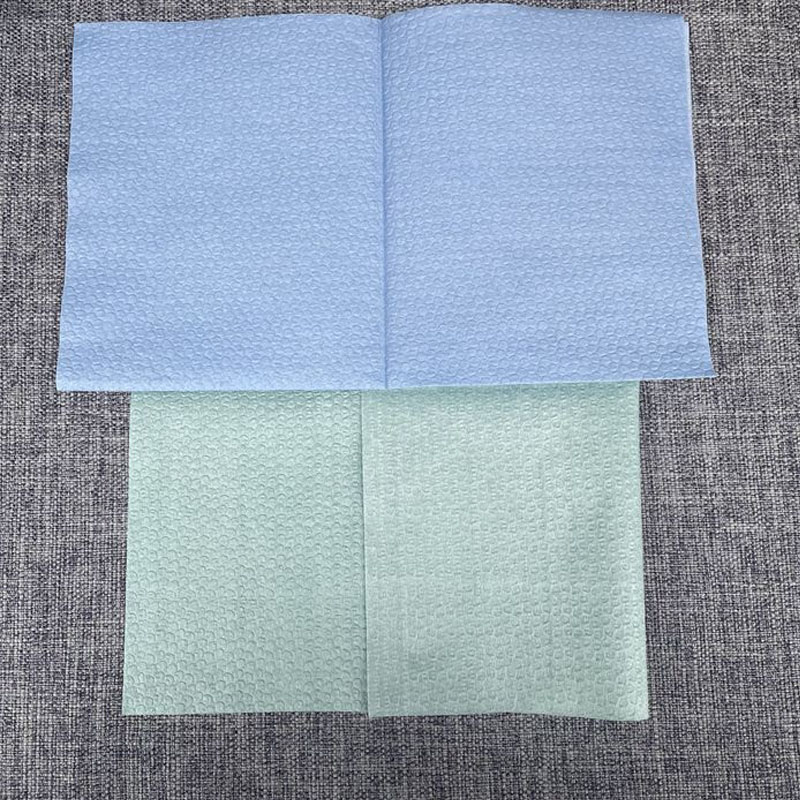
- Medical and industrial wipes
- Oil absorption materials
- Protective apparel and hygiene products
- Composite nonwoven structures (SMS, SMMS, etc.)
Its ability to deliver controlled filtration performance makes meltblown fabric an essential material across multiple industries.
FAQ – Meltblown Nonwoven Fabric
Q1: What is the main advantage of meltblown nonwoven fabric?
A1: Its ultra-fine fiber structure enables high filtration efficiency and excellent barrier performance.
Q2: Can meltblown fabric be customized for different filtration levels?
A2: Yes. Filtration performance can be adjusted through fiber diameter, basis weight, and electrostatic treatment.
Q3: Is meltblown fabric suitable for industrial applications?
A3: Yes. It is widely used in air, liquid, and oil filtration systems.
Q4: Can meltblown fabric be combined with other nonwovens?
A4: Yes. Meltblown is commonly laminated with spunbond layers for enhanced strength and functionality.
Why Choose Weboss?
Weboss focuses on providing meltblown nonwoven solutions that meet application-specific performance standards.
- Stable and consistent production quality
- Customization support for filtration performance
- Experience with medical, industrial, and composite nonwovens
- Responsive technical and application support
- Reliable global supply capability
By choosing Weboss, customers gain a partner who understands both material science and end-use performance requirements.
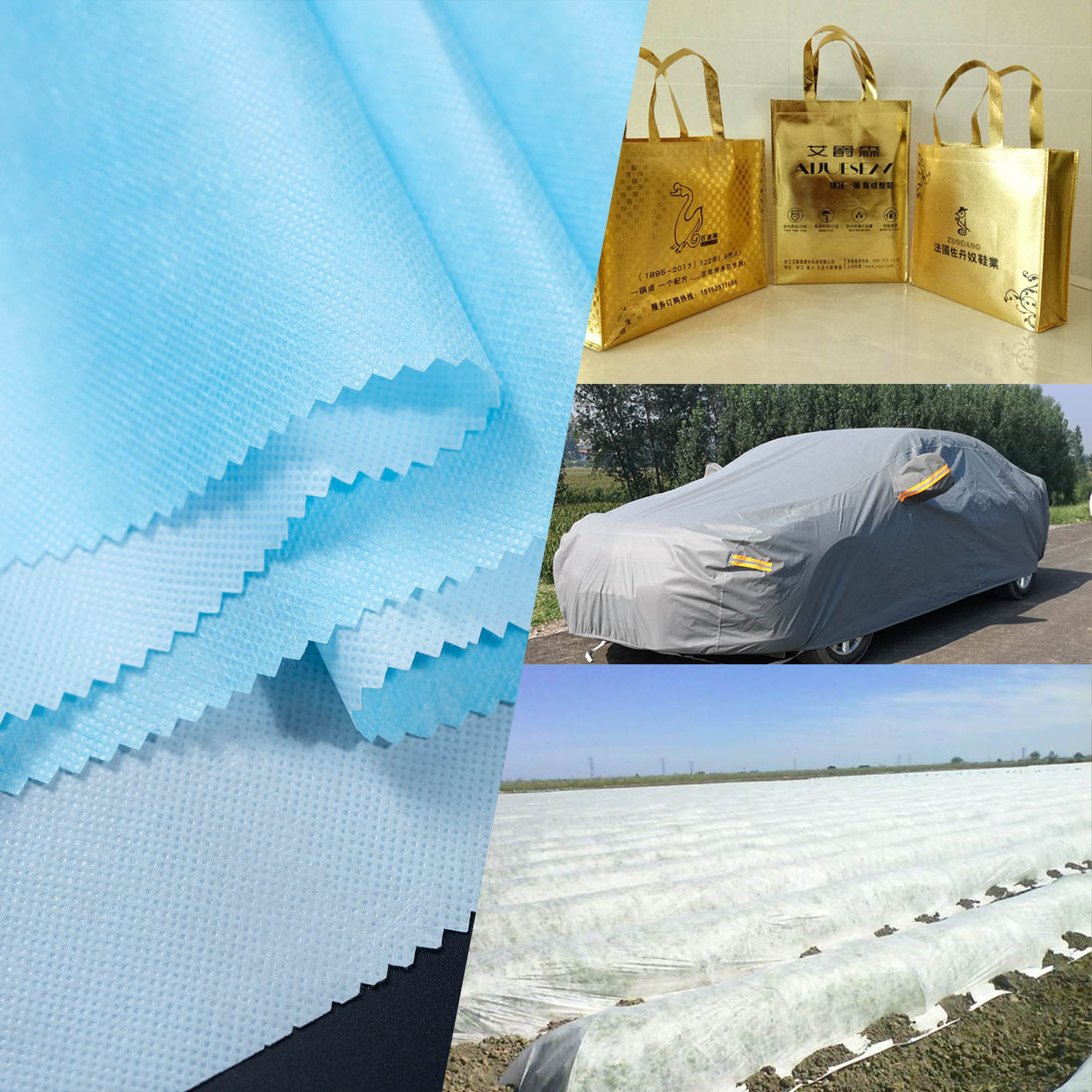
Application Scenarios of Meltblown Nonwoven Fabric


additional information
| Weight | 25-100 gsm |
|---|---|
| Width | 160 cm / 240 cm / 320 cm |
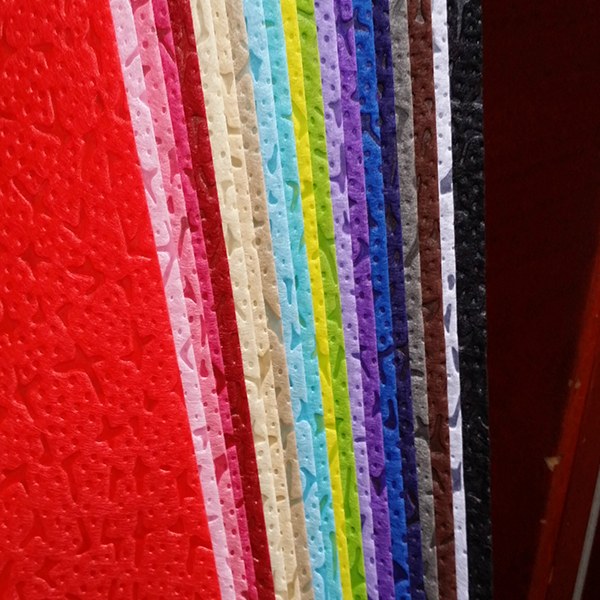
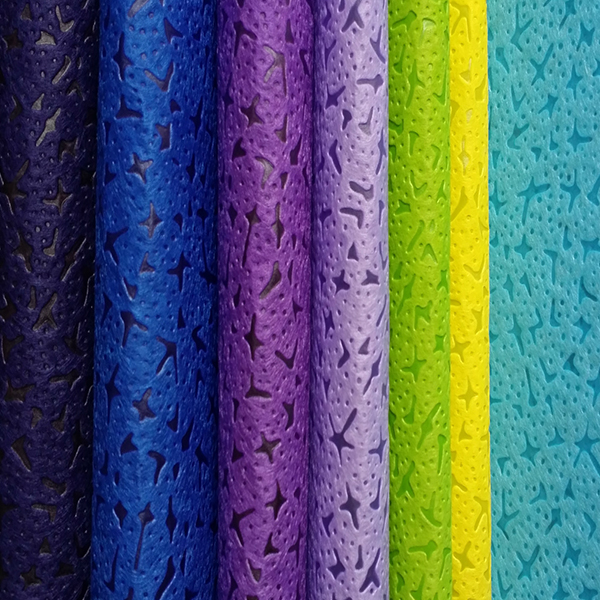
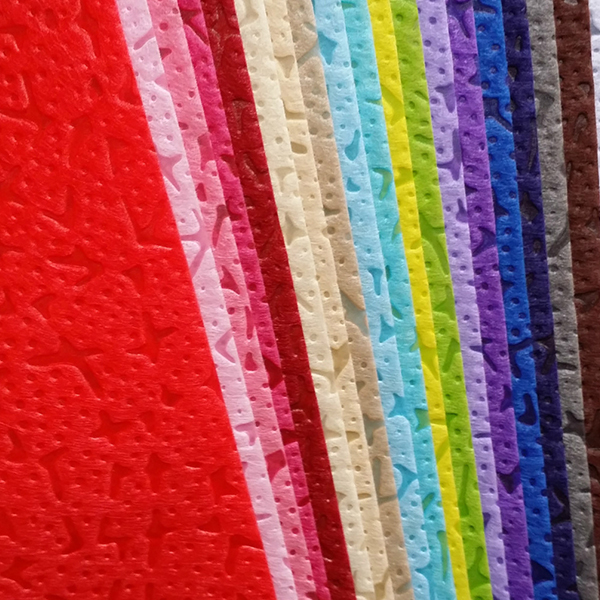
| Color | Customize |
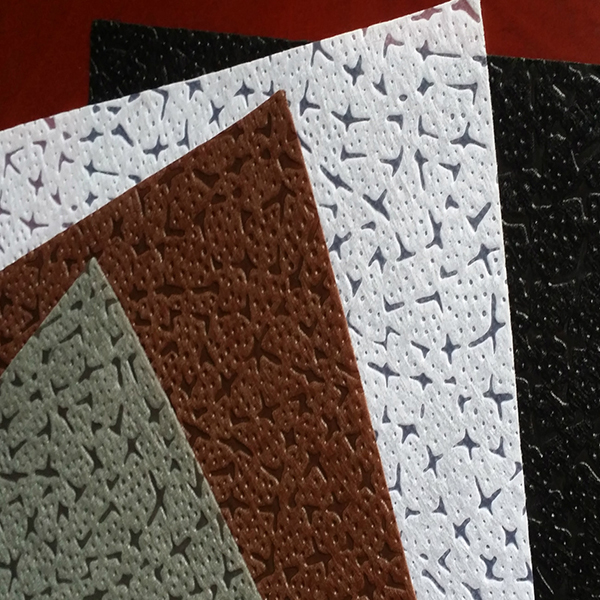
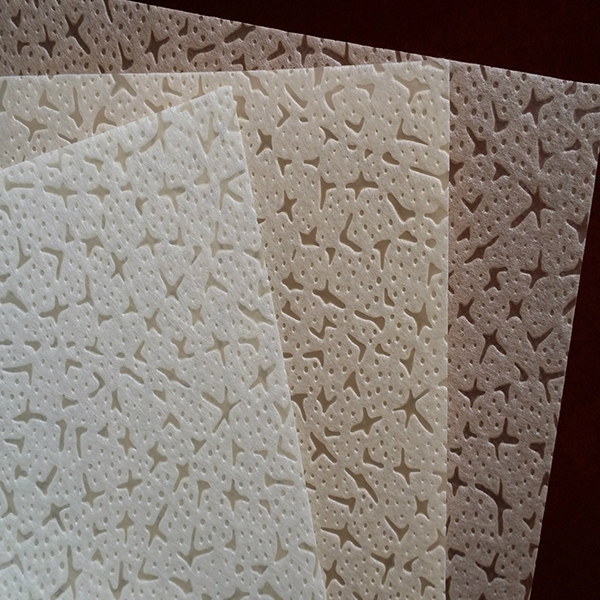
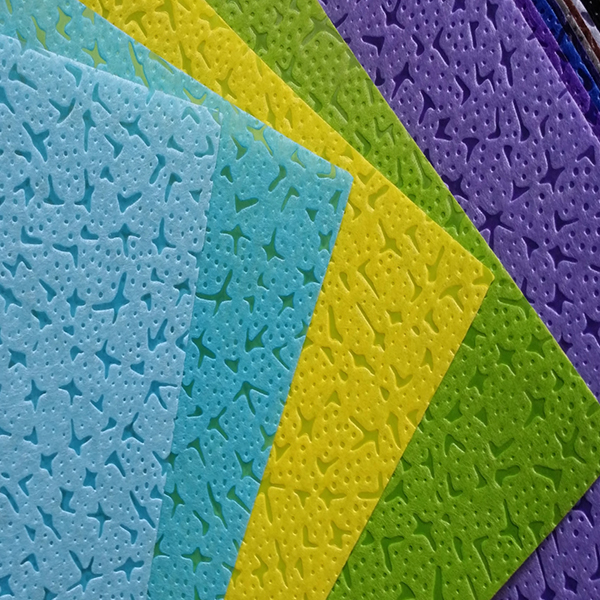
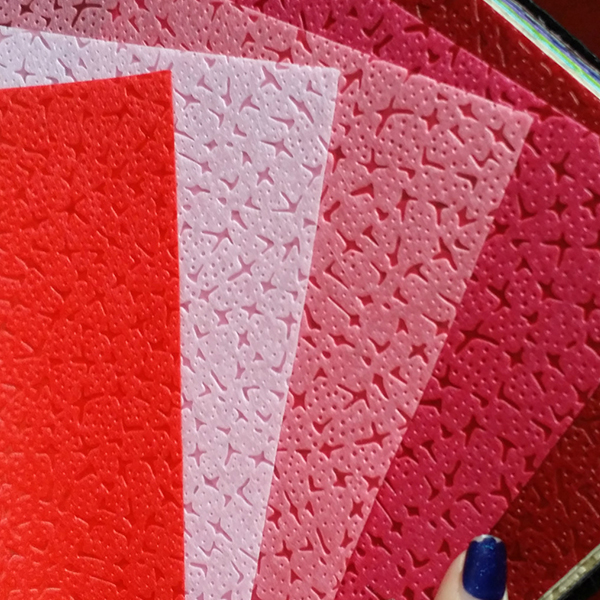
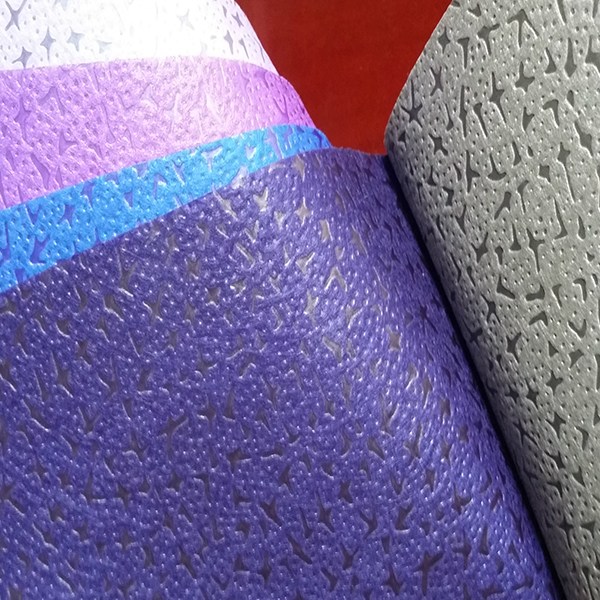
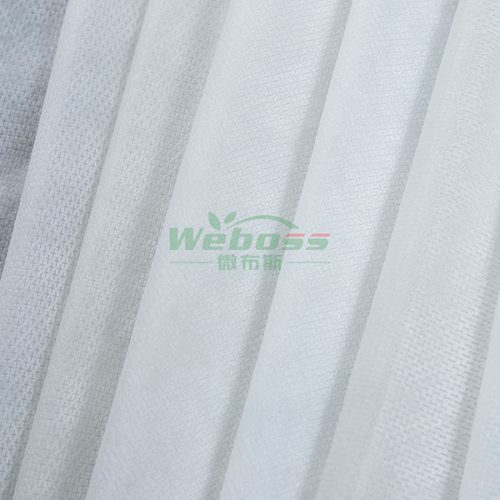
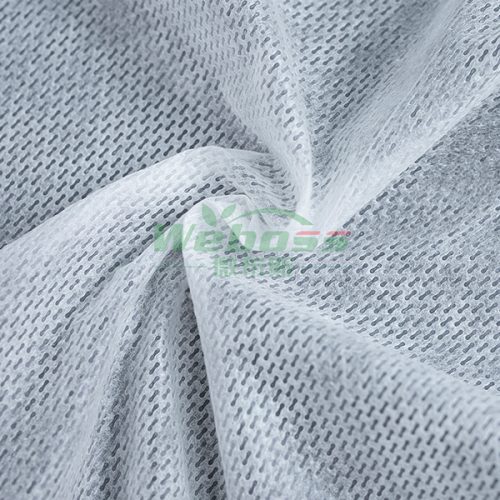
| Pattern | Stripe, Chicken Paw Print, Plum, Others |
| Grade | BFE95, BFE99, PFE90, PFE95, PFE99 |
| Paraffin Oil Test | 80, 94, 99 |
| Standard | YY/T 0969, YY 0469, GB2626, KN90, KN95, KN99, KP90, KP95, KP99, GB 19083, GB/T 32610, EN149 FFP1, FFP2, FFP3, EN14683 Type I, Type II, Type IIR, KF94, N95, N99, ASTM F2100 Level 1, Level 2, Level 3 |
| Minimum Order Quantity | 500kg per type |
| Certification | OEKO-TEX, GRS, SGS |
| Price Range | USD $1.5 – $2.5/kg (Depending on material and weight) |
| Packaging | Roll packed in PE plastic bags, with an outer strong woven polybag. |
| Transportation | Via sea, air, or express logistics. |
| Payment Terms | L/C, D/P, T/T, Western Union, PayPal |
| Delivery Time | 7-15 days based on order size |
| Monthly Production Capacity | 2,000,0000 meters |
| Roll Length | 100m-1000m/roll |
| Special Customization | Available for color, weight, and width upon request. |
Stay Ahead With Weboss Updates

This article explains laminated nonwoven fabric, its structure, materials, functions, applications, and how to choose the right option for different uses.

Spunlace nonwoven fabric is a mechanically bonded material produced by entangling fibers with high-pressure water jets rather than thermal or chemical bonding.
-
Spunmelt nonwoven fabric is a multi-layered material combining spunbond and meltblown technologies to deliver strength, breathability, and barrier performance. Manufactured through polymer extrusion, web formation, bonding, and finishing, spunmelt fabrics can feature hydrophilic, anti-bacterial, anti-static, and “Three-Anti” treatments.