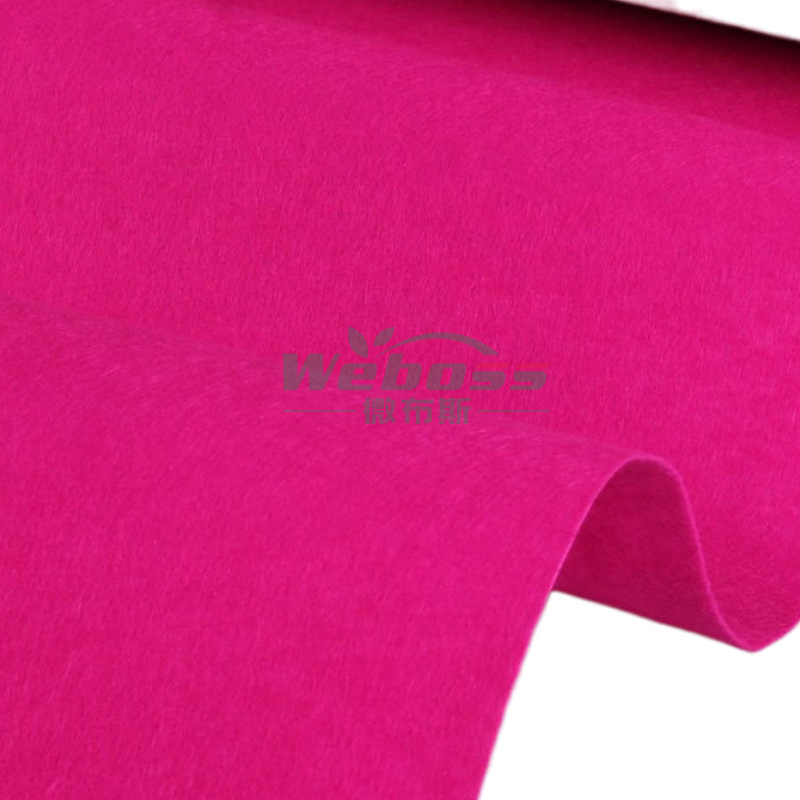
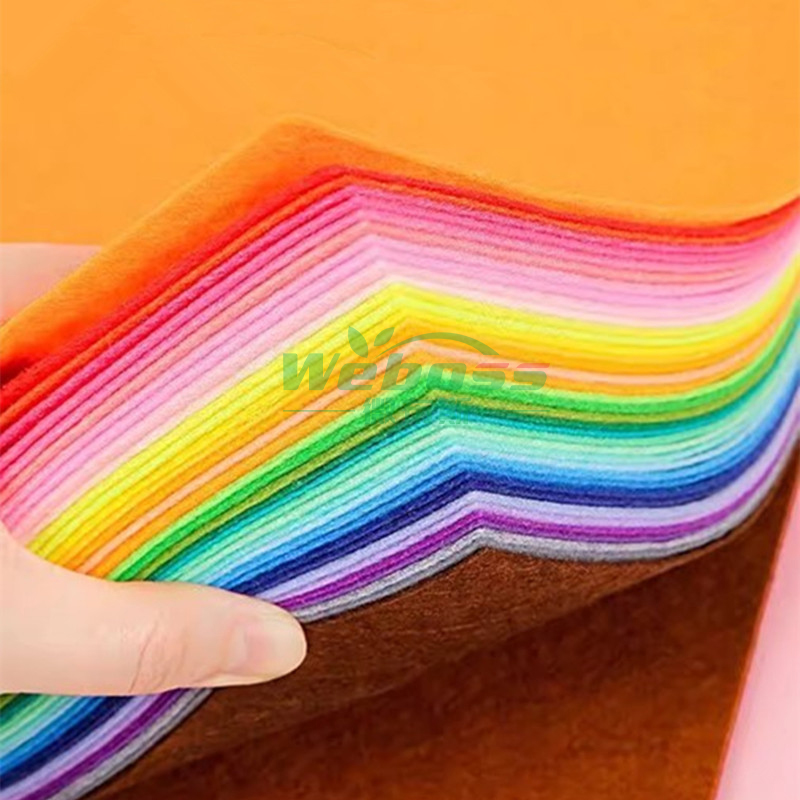
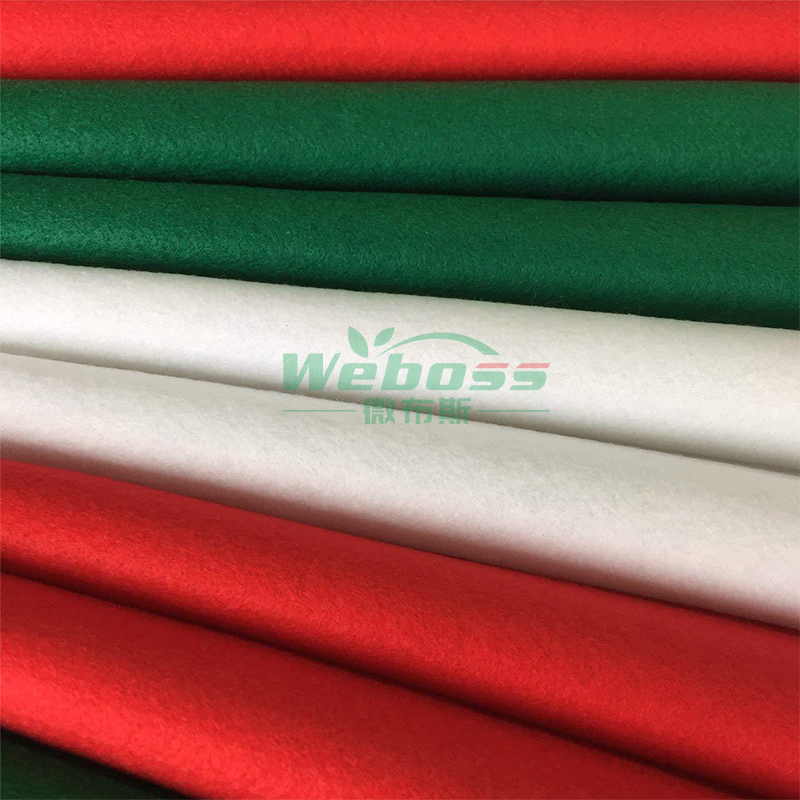
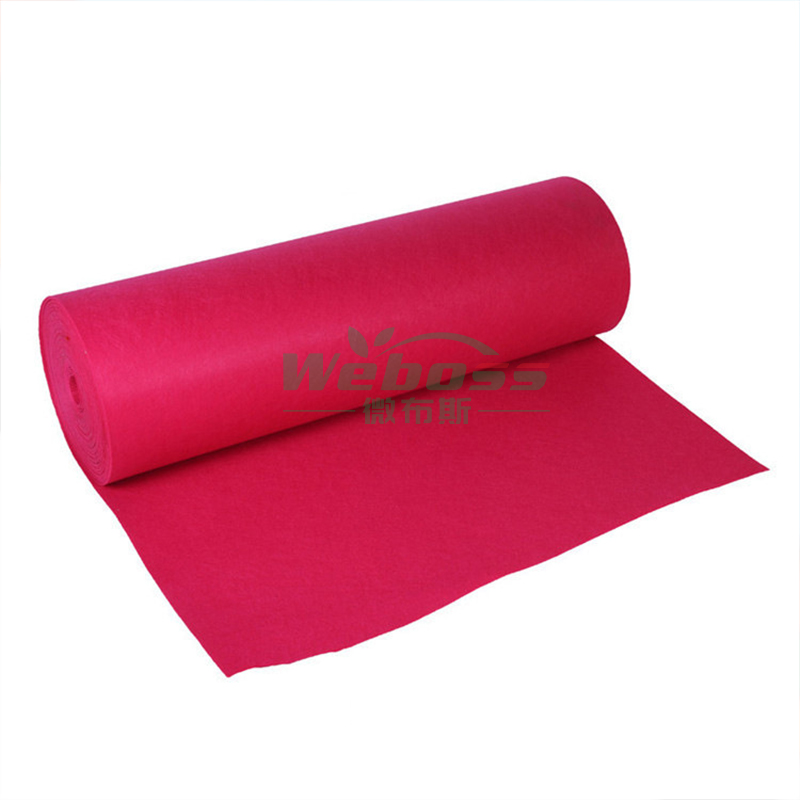
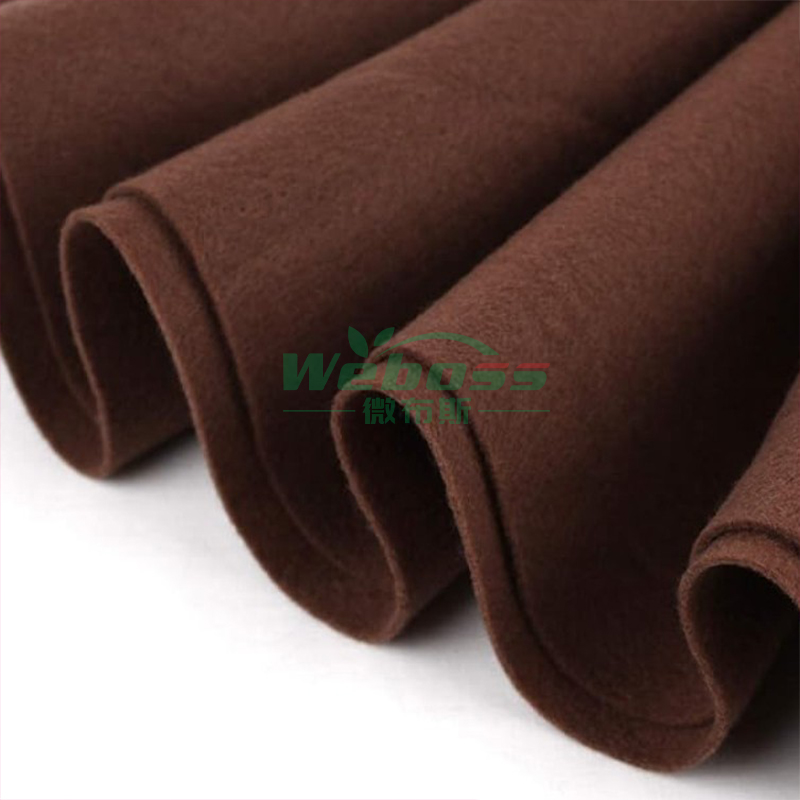
Needle punched nonwoven fabric
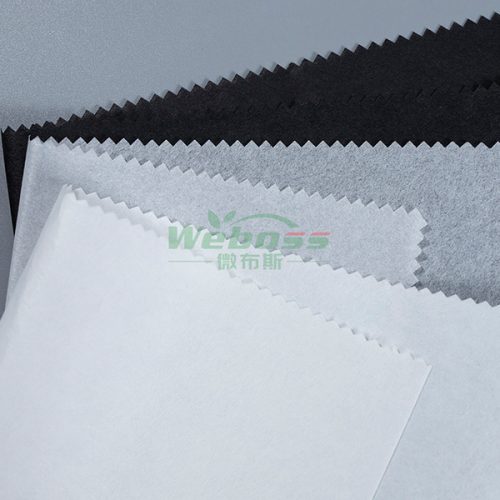
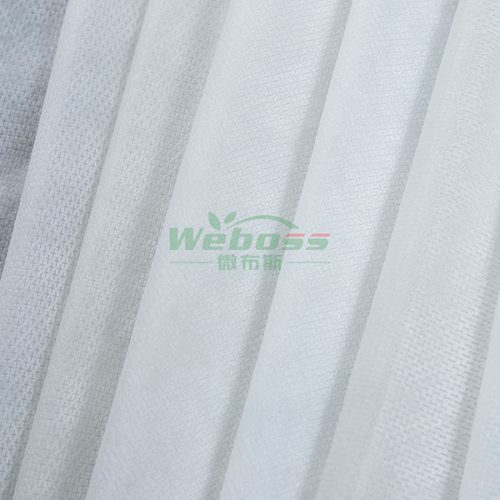
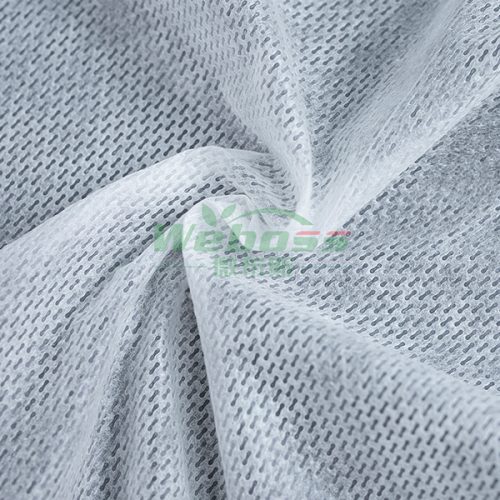
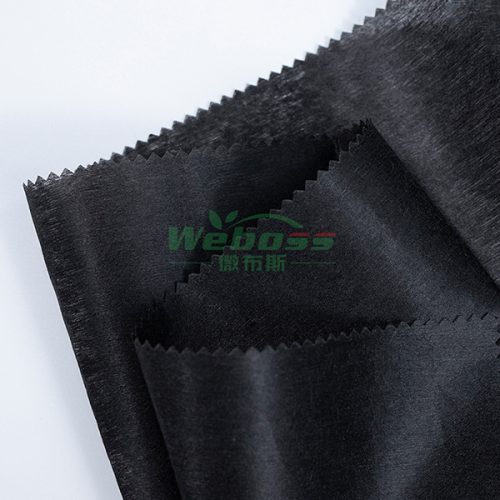
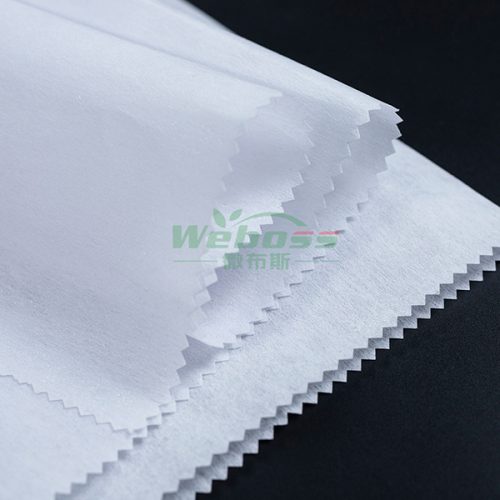
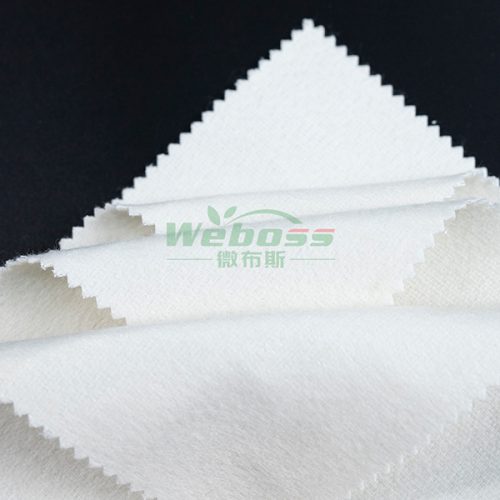
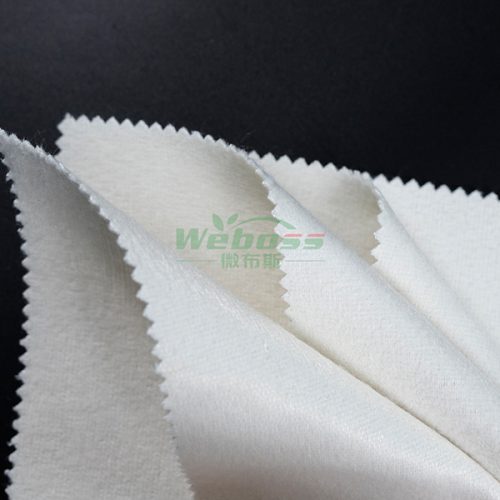
Needle Punched Nonwoven Fabric is produced through a mechanical entanglement process where loose fibers (such as polyester, polypropylene, viscose, aramid, wool, etc.) are repeatedly punched by barbed needles to interlock them together. This forms a strong, dense, and durable fabric suitable for filtration, automotive parts, geotextiles, insulation, furniture, and industrial applications.
Compared with other nonwoven types, needle punched nonwoven fabric has excellent thickness stability, abrasion resistance, and dimensional strength, making it ideal for both heavy-duty and technical usage.
product introduce
Needle-punched nonwoven fabric offers excellent structural integrity without using chemical adhesives. Its density and strength can be adjusted by controlling fiber blend, needle density, and reinforcement layers. The fabric can be thermally bonded, resin finished, surface pressed, or laminated depending on performance requirements.
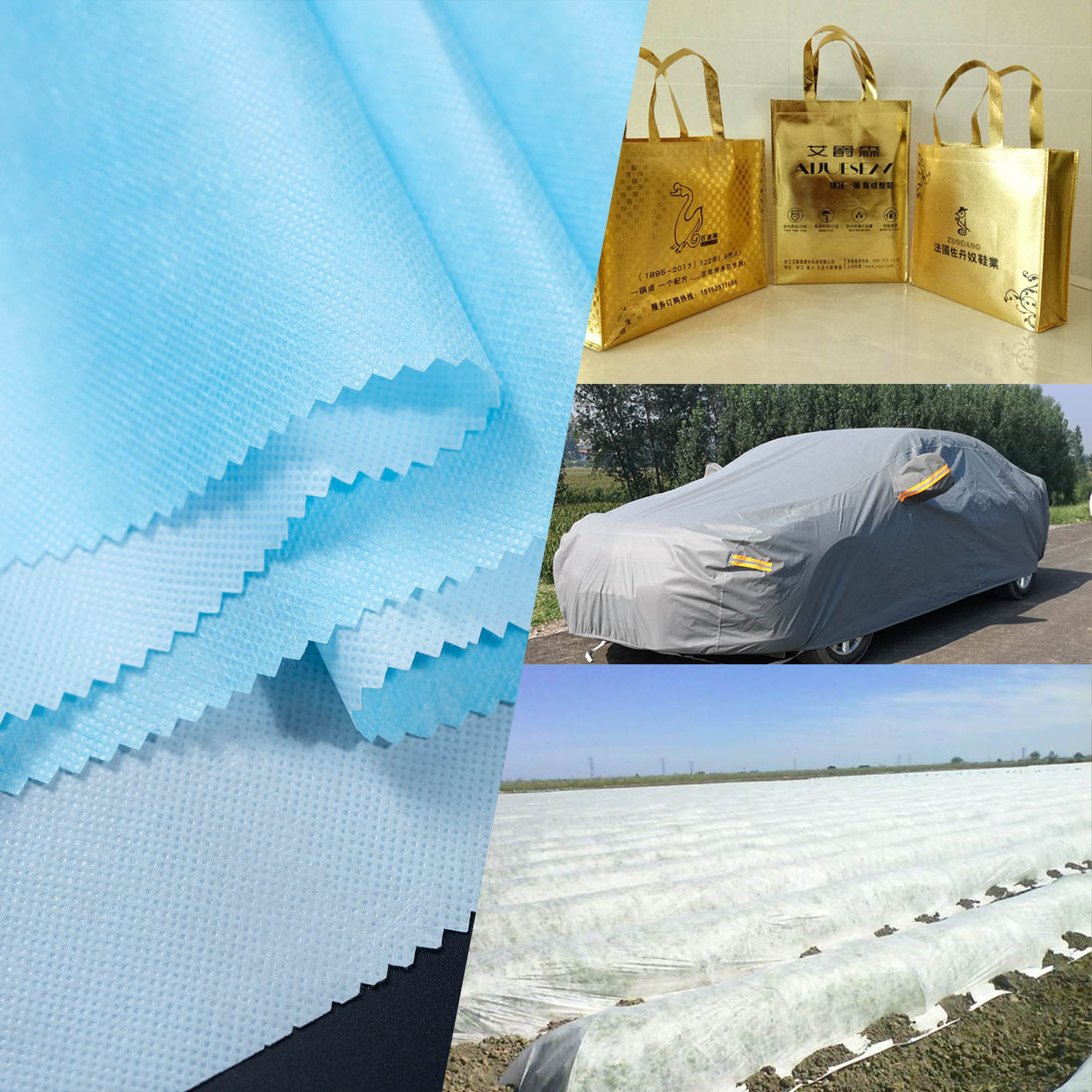
This material is widely used across construction, automotive, agriculture, filtration, home furnishing, and protective textiles.
Key Features
-
High Tensile and Tear Strength—Reliable and durable for industrial applications
-
Excellent Abrasion and Wear Resistance—Suitable for high-friction environments
-
Customizable Thickness and Density—Flexible performance to meet different needs
-
Good Air and Water Permeability—Ideal for filtration and geotextile applications
-
Chemical and Temperature Resistant Options Available—Suitable for harsh conditions
-
Can Be Thermally or Resin Reinforced—Enhanced strength when needed
Product Advantages of Needle Punched Nonwoven Fabric
Needle punched nonwoven fabric is produced through a mechanical bonding process, where thousands of barbed needles repeatedly penetrate the fiber web, entangling fibers together to form a strong and stable structure. This method creates a fabric with excellent mechanical strength, high durability, and long service life, without relying on chemical binders or thermal fusion.
One of the key advantages of needle punched nonwoven fabric is its structural integrity. The fabric maintains strength even at higher thickness levels, making it suitable for applications where load-bearing, abrasion resistance, or dimensional stability is required. The open yet interlocked fiber structure also provides good air permeability and drainage performance, depending on fiber selection and punching density.
Because bonding is achieved mechanically, needle punched nonwoven fabric offers greater flexibility in fiber choice, including polyester, polypropylene, nylon, recycled fibers, and natural fibers. This makes it a highly adaptable material for both industrial and technical applications.
Production Process
-
Fiber Opening and Blending
Selected fibers are opened and mixed for uniform consistency. -
Web Formation
Fibers are carded and layered into a loose web. -
Needle Punching
Thousands of barbed needles repeatedly penetrate the web to mechanically entangle fibers. -
Finishing Treatment (Optional)
-
Calendering
-
Thermal bonding
-
Laminating
-
Coating or resin reinforcement
-
-
Cutting and Packaging
Delivered in roll or sheet form according to customer requirements.
Needle Punched vs. Other Nonwoven Technologies – When Strength Matters
Needle punched nonwoven fabric is often compared with spunbond, spunlace, or thermal bonded nonwovens, but their design logic is fundamentally different.
Needle punched nonwoven fabric is selected when:
- High tensile and tear strength are critical
- The fabric must withstand repeated stress or friction
- Thickness and cushioning contribute to performance
- Long-term durability is more important than softness
Spunlace fabrics emphasize softness and surface comfort, while spunbond fabrics balance strength and production efficiency. Needle punched nonwovens, however, are engineered for mechanical performance and structural stability, making them indispensable in industrial environments.
Choosing needle punched fabric is less about appearance and more about how the material performs under real-world stress.
Functional Treatments & Structural Customization Options
Needle punched nonwoven fabric offers extensive customization at both the structural and functional levels:
- Fiber type selection (PET, PP, Nylon, recycled fibers, blends)
- Punching density adjustment for strength and thickness control
- Surface calendaring or heat-setting
- Hydrophilic or hydrophobic treatment
- Flame-retardant treatment
- Anti-static and UV-resistant finishing
- Customized thickness, weight, and stiffness
- Roll width, length, and cut-sheet options
Weboss works with customers to optimize fiber composition and needling parameters to meet exact application demands, from lightweight liners to heavy-duty industrial felts.
Common Applications of Needle Punched Nonwoven Fabric
Due to its durability and structural performance, needle punched nonwoven fabric is widely used in:
- Geotextiles and civil engineering
- Automotive interiors and insulation layers
- Filtration media and filter supports
- Industrial felts and protective liners
- Carpet backing and flooring systems
- Sound and thermal insulation
- Furniture padding and cushioning
- Technical composites and reinforcement layers
Its ability to maintain performance under mechanical stress makes it a preferred material in long-life and heavy-duty applications.
Technical Specifications
| Item | Details |
|---|---|
| Material Options | Polyester, Polypropylene, Viscose, Wool, Aramid, Mixed Fibers |
| Weight | 80–2000 gsm (customizable) |
| Width | Up to 320 cm |
| Thickness | 1–20 mm (adjustable) |
| Surface Finish | Smooth, calendered, embossed, reinforced |
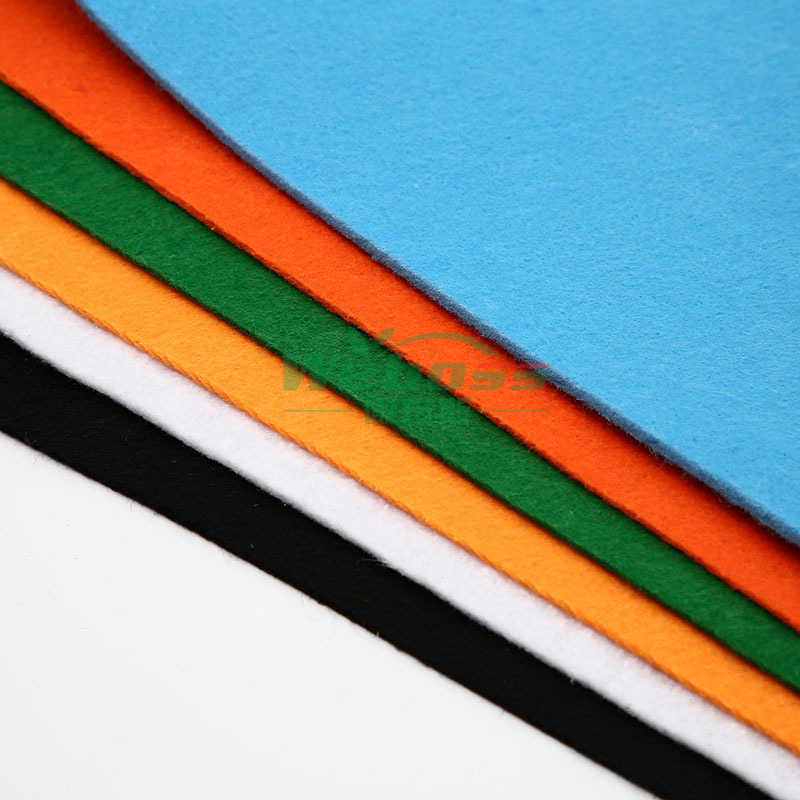
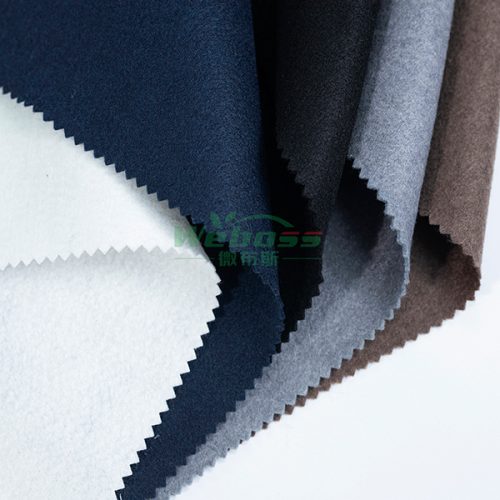
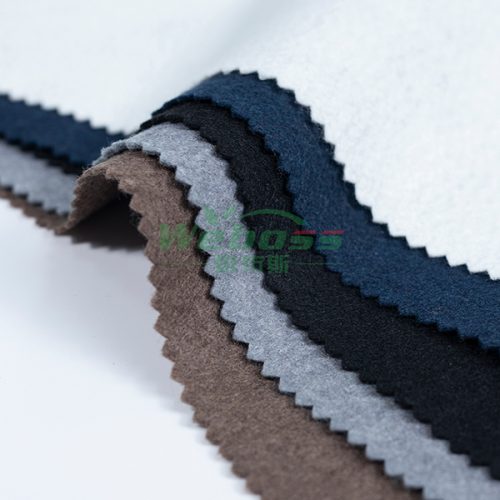
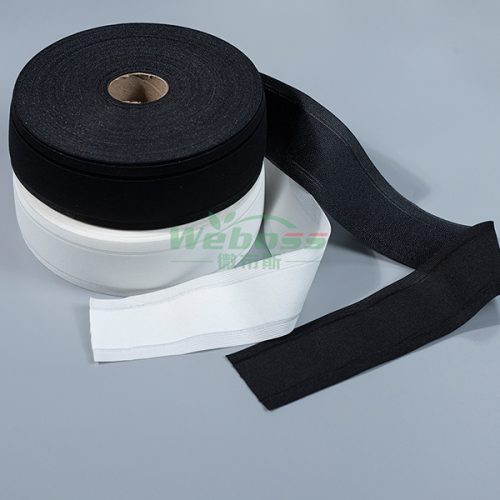
| Color | White, Black, Grey, or customized |
| Packaging | Roll, Sheet, or Bale |
FAQ–Needle Punched Nonwoven Fabric
Q1: Is needle punched nonwoven suitable for outdoor use?
A1: Yes, especially when using UV-stabilized polyester or polypropylene fibers.
Q2: Can the density and hardness be customized?
A2: Yes, we adjust needle punching depth, fiber blend, and finishing process.
Q3: Do you provide composite or laminated versions?
A3: Yes, we offer lamination with film, scrim reinforcement, or coating.
Q4: What is the maximum weight you can produce?
A4: Up to 2000 gsm, suitable for heavy-duty industrial applications.
Q5: What is the main advantage of needle punched nonwoven fabric?
A5: Its mechanical bonding provides superior strength and durability.
Q6: Is needle punched fabric suitable for industrial use?
A6: Yes. It is specifically designed for industrial and technical applications.
Q7: Can recycled fibers be used in needle punched nonwovens?
A7: Yes. Needle punching supports a wide range of recycled and blended fibers.
Q8: Is customization available for thickness and stiffness?
A8: Yes. Both can be adjusted through fiber selection and punching density.
Why Choose Weboss?
Weboss supplies needle punched nonwoven fabric solutions built around performance reliability and application-specific design.
- Experience with industrial-grade needle punching technology
- Flexible fiber and structure customization
- Stable quality across large and heavy-weight productions
- Understanding of industrial, automotive, and construction needs
- Responsive technical and engineering support
- Reliable global supply and logistics coordination
With Weboss, customers gain a partner who understands that needle punched nonwoven fabric is a structural material, not a commodity.
additional information
Stay Ahead With Weboss Updates

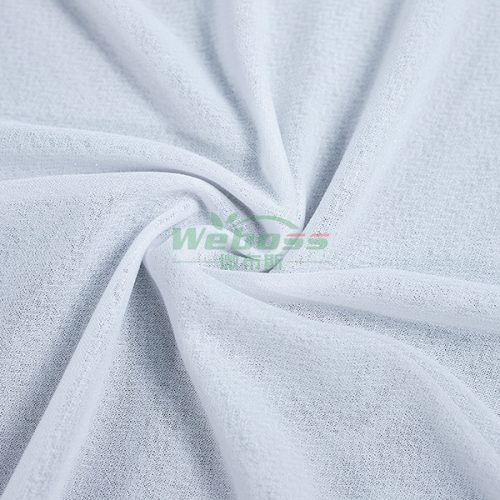
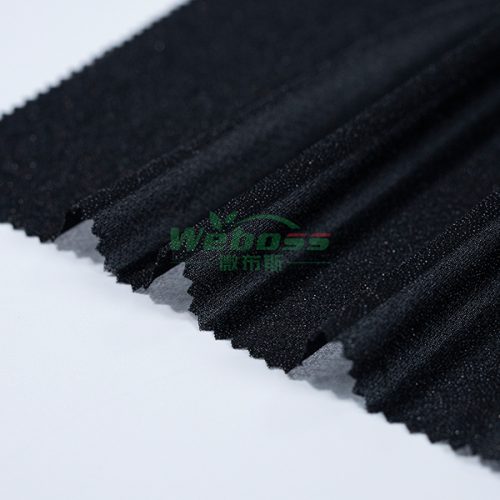
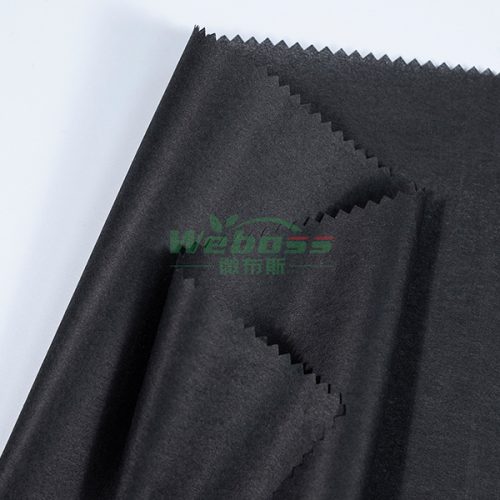
This article explains laminated nonwoven fabric, its structure, materials, functions, applications, and how to choose the right option for different uses.

Spunlace nonwoven fabric is a mechanically bonded material produced by entangling fibers with high-pressure water jets rather than thermal or chemical bonding.
-
Spunmelt nonwoven fabric is a multi-layered material combining spunbond and meltblown technologies to deliver strength, breathability, and barrier performance. Manufactured through polymer extrusion, web formation, bonding, and finishing, spunmelt fabrics can feature hydrophilic, anti-bacterial, anti-static, and “Three-Anti” treatments.