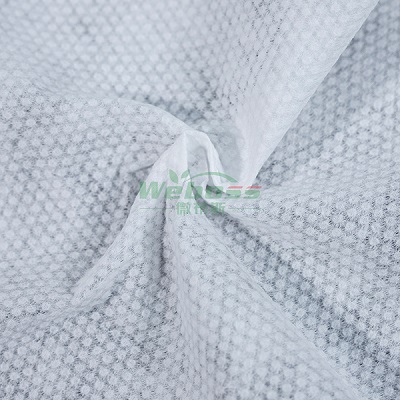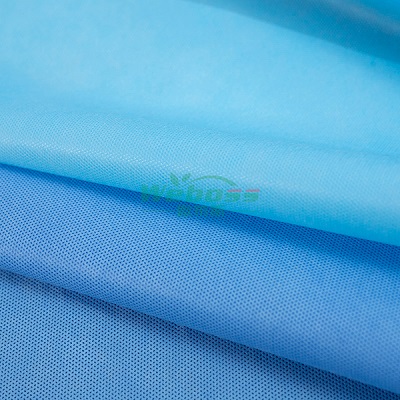
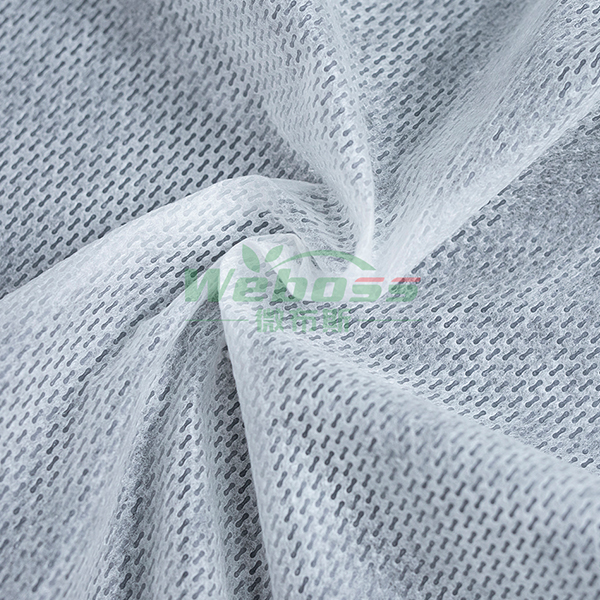
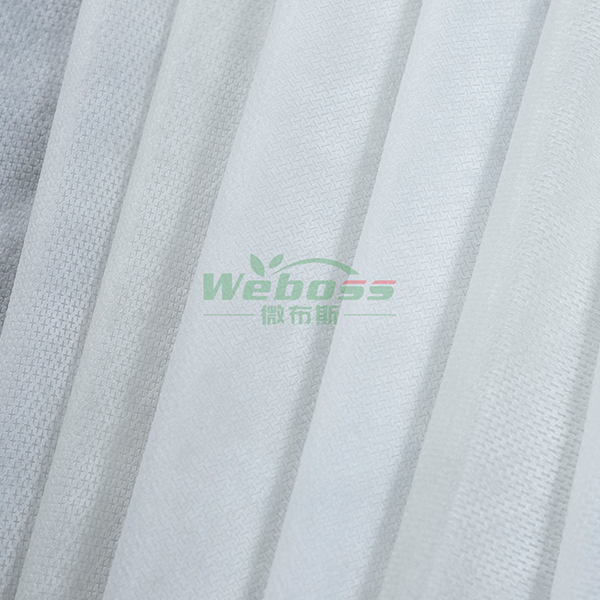
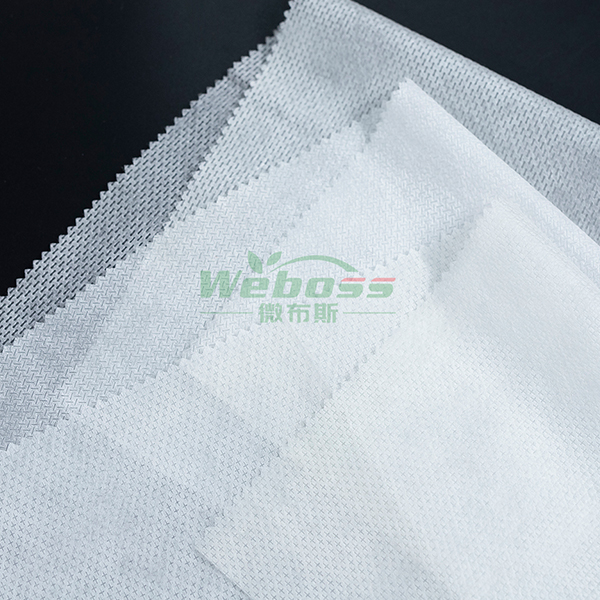
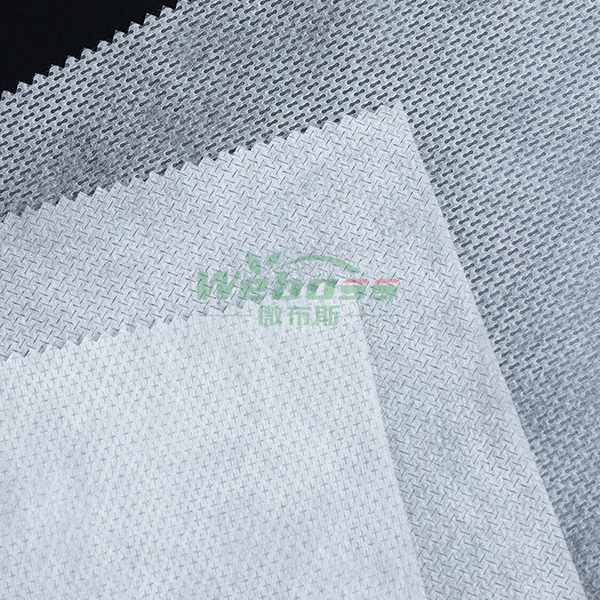
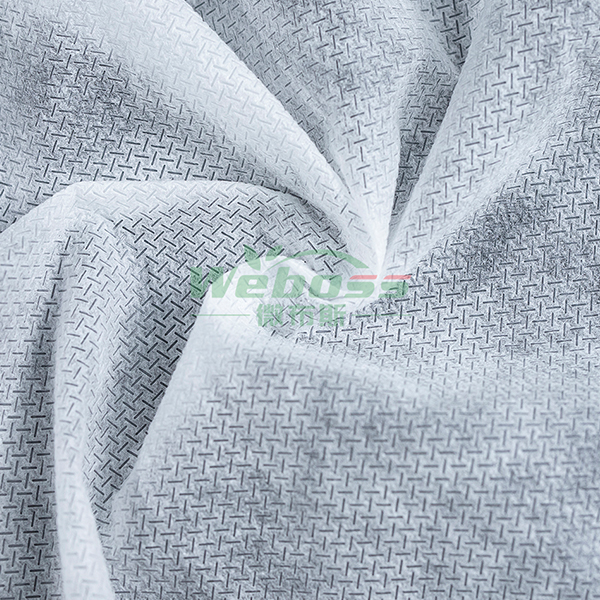
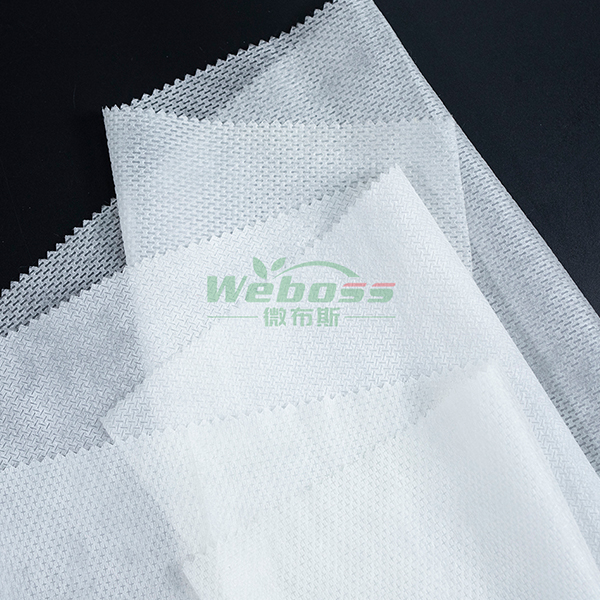
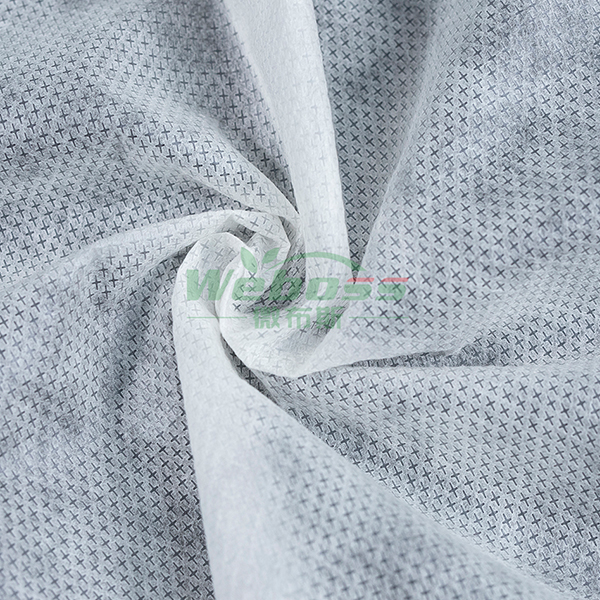
Nylon spunbond Nonwoven Fabric
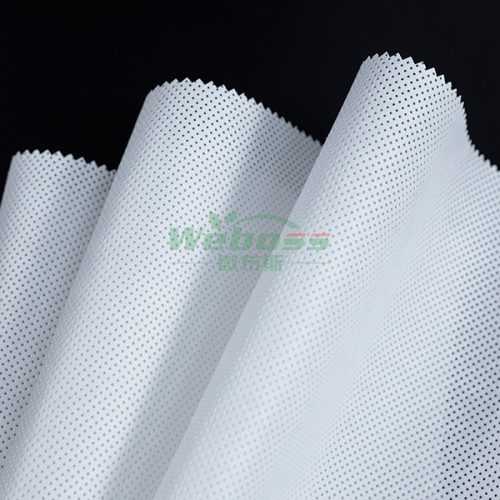
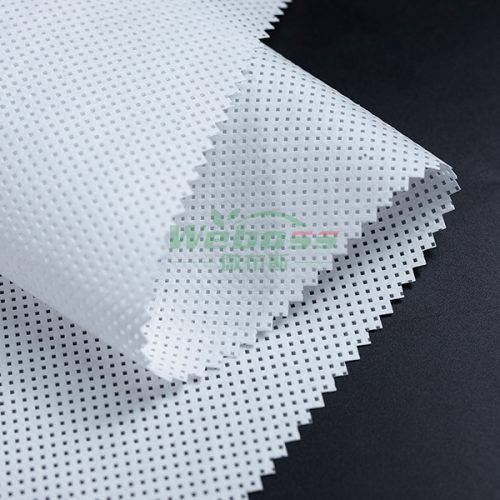
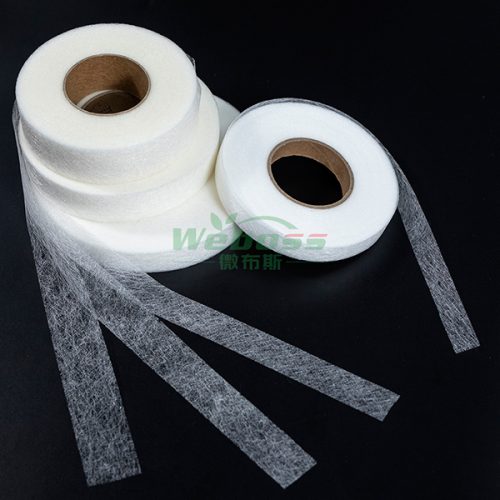
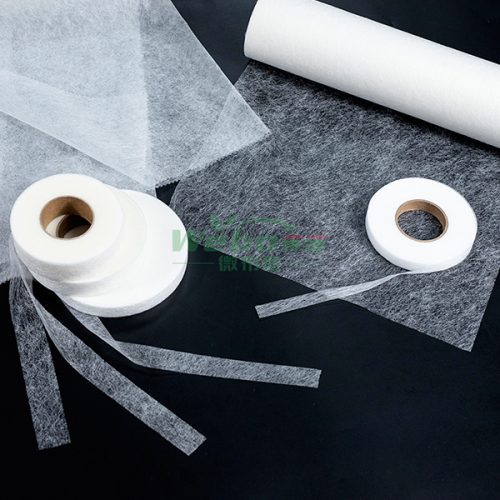
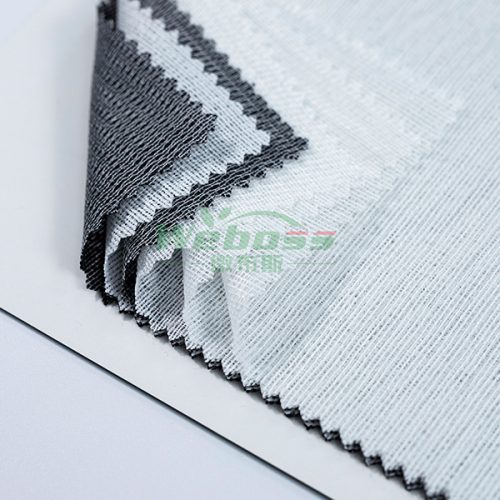
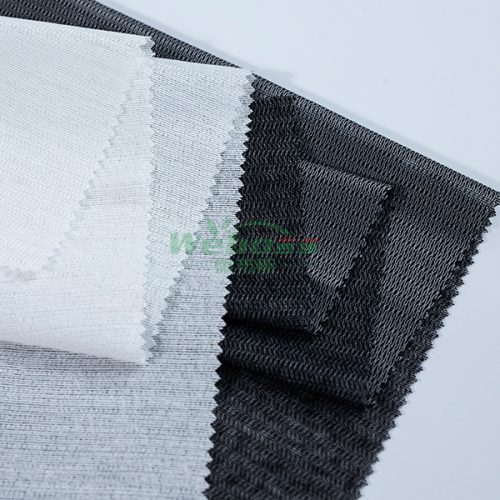
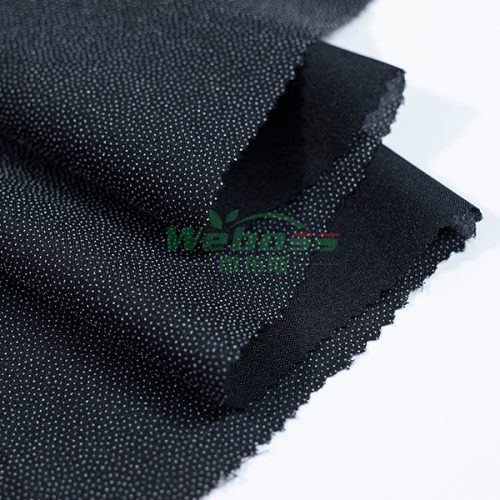
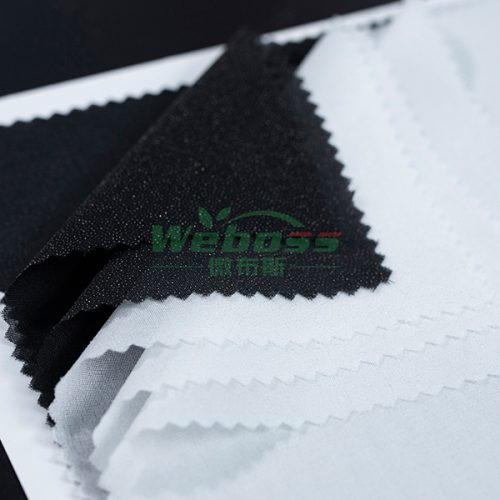
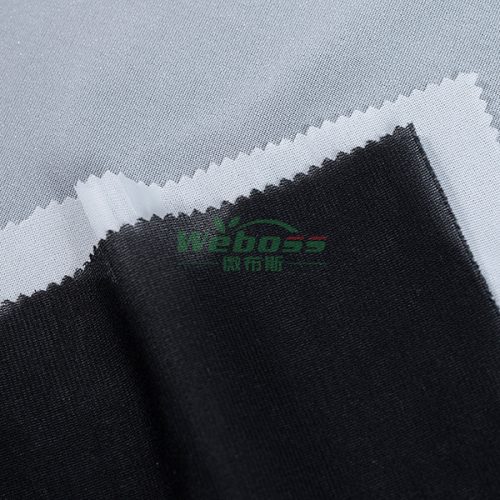
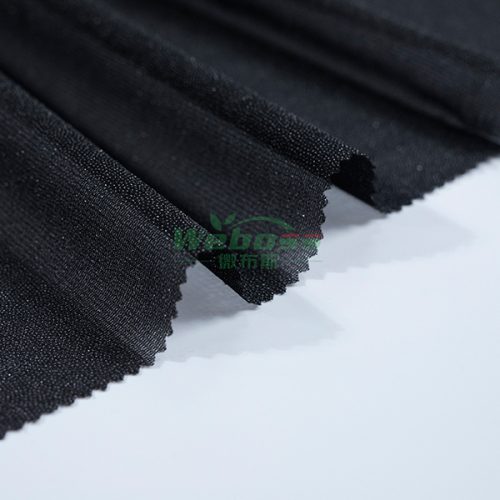
Nylon Spunbond Nonwoven Fabric Embroidery Backing is crafted using high-quality nylon fibers through a spunbond process, delivering superior strength and durability. It is ideal for supporting intricate embroidery designs on various fabrics, including delicate and high-stretch materials. Known for its stability and resistance to tearing, it ensures precise and lasting embroidery results.
product introduce
Nylon Spunbond Nonwoven Fabric Embroidery Backing Product Highlights
1. Exceptional Strength: Nylon spunbond construction ensures high tensile strength and resistance to tearing during the embroidery process.
2. Flexible and Stable: Perfect for use with stretchable and lightweight fabrics, maintaining stability and shape during stitching.
3. High Heat Resistance: Withstands high-temperature embroidery processes without deformation or degradation.
4. Versatile Applications: Suitable for use in apparel, home textiles, industrial embroidery, and decorative items requiring reliable support.
Key Advantages of Nylon Spunbond Nonwoven Fabric
Nylon spunbond nonwoven fabric is a high-performance material known for its excellent tensile strength, elasticity, and abrasion resistance, making it suitable for both industrial applications and embroidery stabilization.
Compared with many conventional nonwoven materials, nylon spunbond fabric offers superior structural integrity under repeated tension and needle penetration. This characteristic is especially important in embroidery processes, where the backing must support dense stitches without tearing or deforming.
The natural elastic recovery and flexibility of nylon fibers allow the fabric to maintain stability while adapting to fabric movement during embroidery, helping improve stitch accuracy and overall pattern quality.
In addition, nylon spunbond nonwoven fabric demonstrates good heat resistance and chemical stability, enabling reliable performance during heat setting, washing, and post-processing steps commonly involved in garment and textile production.
Why Nylon Spunbond Works Well as an Embroidery Stabilizer Backing
When selecting an embroidery stabilizer backing, stability alone is not enough. The material must also handle needle stress, stitch density, and fabric movement during high-speed embroidery.
Nylon spunbond nonwoven fabric performs particularly well as an embroidery backing because it combines strength with controlled flexibility. Unlike very rigid backings, it supports embroidery patterns without causing fabric distortion. Compared with weaker nonwovens, it resists tearing even under complex or dense stitch designs.
This makes nylon spunbond backing a reliable choice for:
- Stretch fabrics
- Elastic garments
- High-density embroidery patterns
- Repeated or industrial embroidery operations
Beyond embroidery, the same performance characteristics also make it suitable for industrial reinforcement and technical applications, giving buyers a versatile material with multiple usage possibilities.
Functional Treatments & Surface Finishing Options
To adapt nylon spunbond nonwoven fabric to different embroidery and industrial requirements, various functional treatments are available:
Hydrophilic Treatment
Improves moisture management, useful for specific textile processing environments.
Hydrophobic Treatment
Enhances water resistance, suitable for protective and outdoor applications.
Anti-static Treatment
Reduces static buildup during embroidery and industrial processing.
Heat-Set Stability Treatment
Helps maintain shape during heat pressing and post-embroidery finishing.
Custom Softness or Stiffness Control
Adjusts hand feel and support level for different embroidery fabrics.
These options allow nylon spunbond fabric to be tailored to both embroidery performance and industrial durability needs.
Common Applications of Nylon Spunbond Nonwoven Fabric
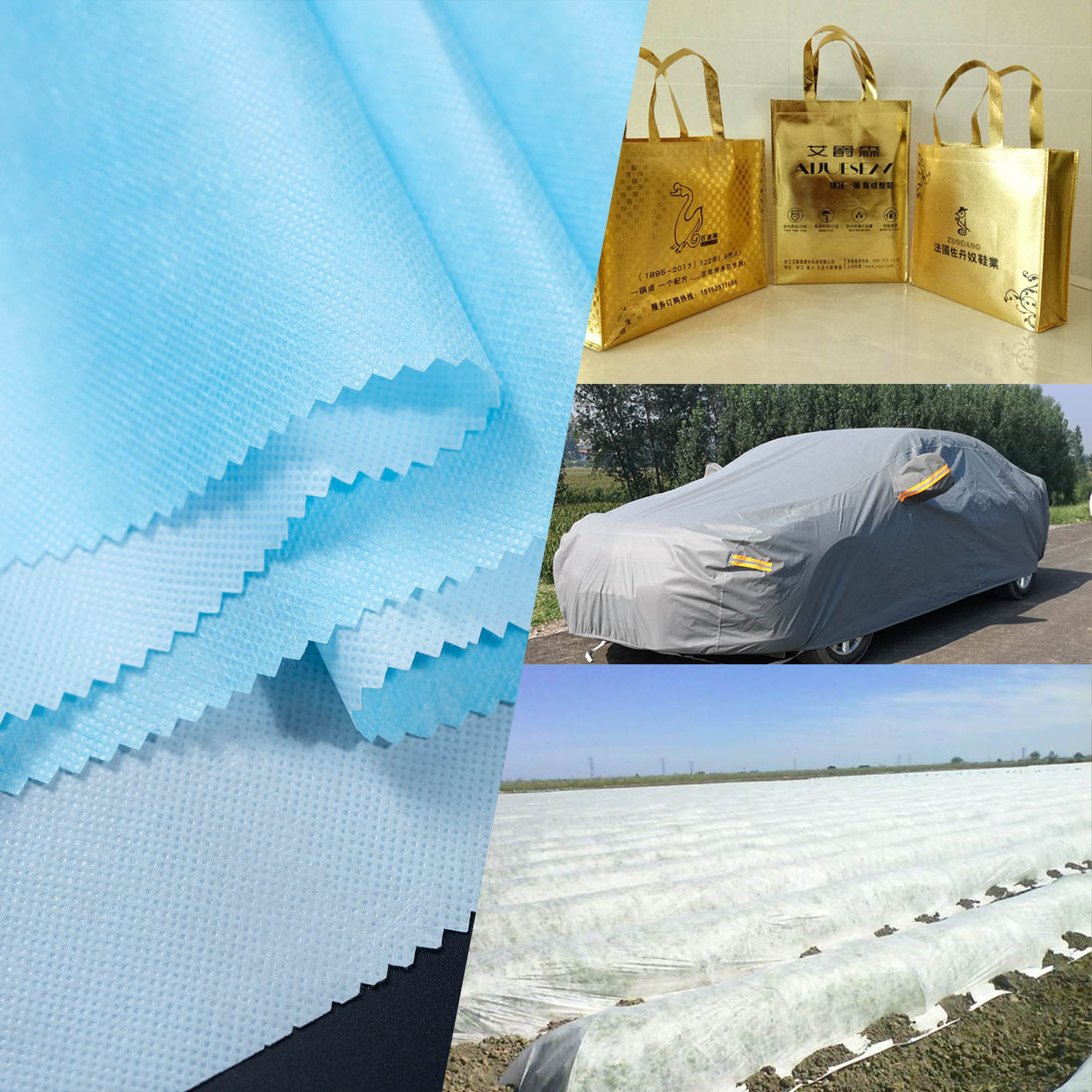
Nylon spunbond nonwoven fabric is used across a wide range of specialized applications:
Embroidery Stabilizer Backing
Provides strong support for embroidery on stretch or delicate fabrics, improving stitch precision and pattern stability.
Garment & Apparel Manufacturing
Reinforcement layers, lining support, and technical textile components.
Industrial Reinforcement Materials
Used in laminated or composite structures requiring strength and flexibility.
Automotive & Technical Textiles
Insulation layers, vibration-damping components, and interior reinforcement.
Protective & Specialty Packaging
Durable protective layers for high-value or heavy components.
Its dual suitability for embroidery and industrial use makes it a versatile solution for manufacturers seeking performance consistency.
FAQ – Nylon Spunbond Nonwoven Fabric
Q1: Can nylon spunbond nonwoven fabric be used as embroidery backing?
Yes. It is widely used as an embroidery stabilizer backing due to its strength, flexibility, and resistance to needle tearing.
Q2: Is nylon spunbond suitable for stretch fabrics in embroidery?
Yes. Its elastic recovery helps stabilize stretch fabrics without restricting natural fabric movement.
Q3: Does nylon spunbond backing work for dense embroidery designs?
Absolutely. It supports high stitch density while maintaining fabric stability.
Q4: Can the fabric be customized for embroidery softness or stiffness?
Yes. The hand feel and support level can be adjusted based on embroidery requirements.
Q5: Is nylon spunbond nonwoven fabric washable after embroidery?
Yes. It maintains structure during washing and post-processing.
Why Choose Weboss?
At Weboss, we understand the different demands of embroidery stabilization and industrial applications, and we supply nylon spunbond nonwoven fabric designed to perform reliably in both.
Stable Quality for Continuous Embroidery Production
Consistent fiber structure ensures smooth embroidery performance.
Customization for Embroidery & Industrial Use
Options for weight, width, hand feel, and functional treatments.
Experience with Embroidery Backing Materials
Practical understanding of stitch density, fabric behavior, and embroidery processes.
Responsive Technical Support
Fast feedback and material recommendations based on real use cases.
Export-Oriented Manufacturing Standards
Products suitable for global markets and long-term supply partnerships.
Weboss works closely with customers to deliver reliable nylon spunbond solutions that support both embroidery quality and industrial durability.
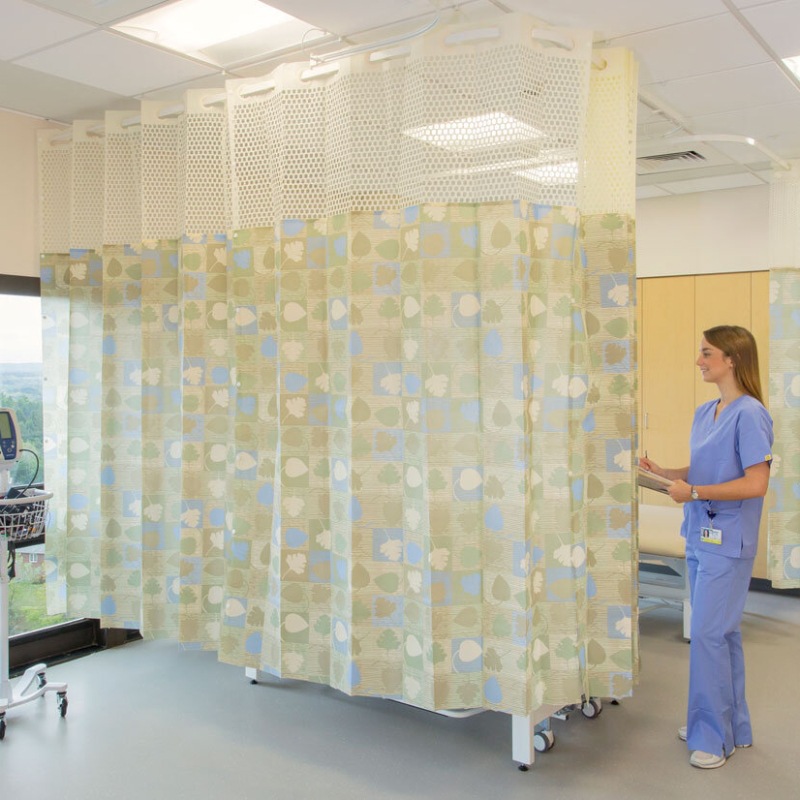
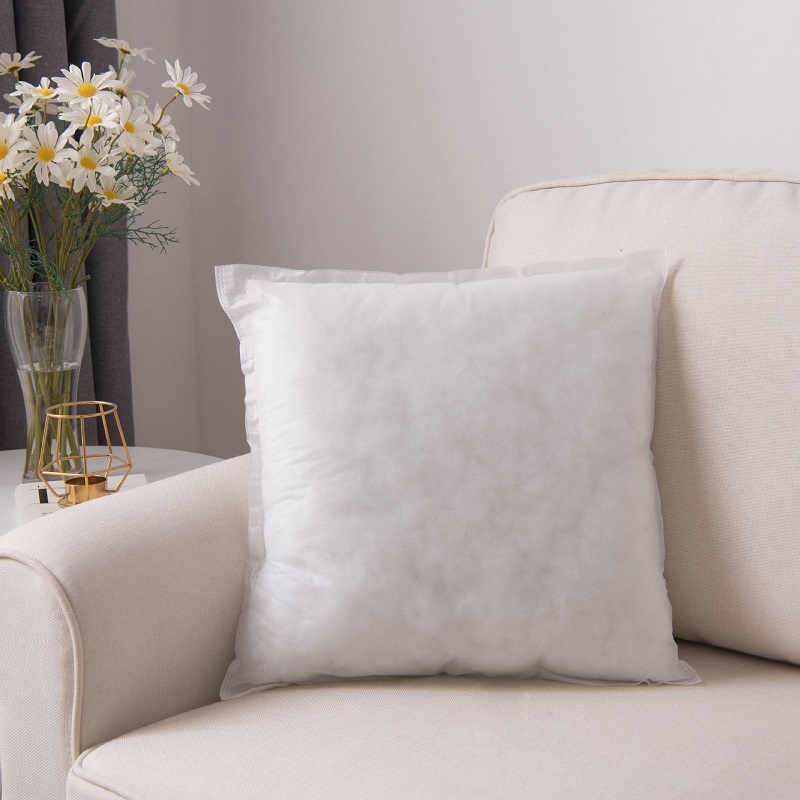
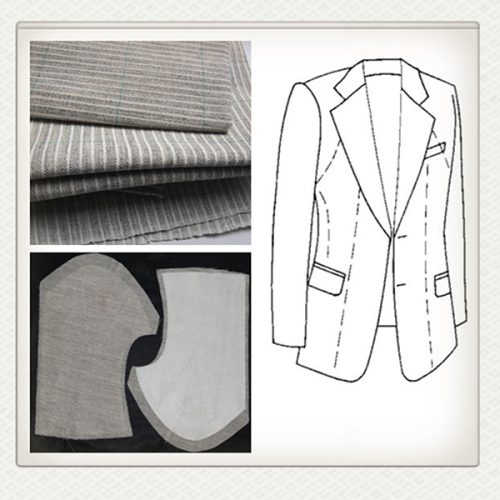
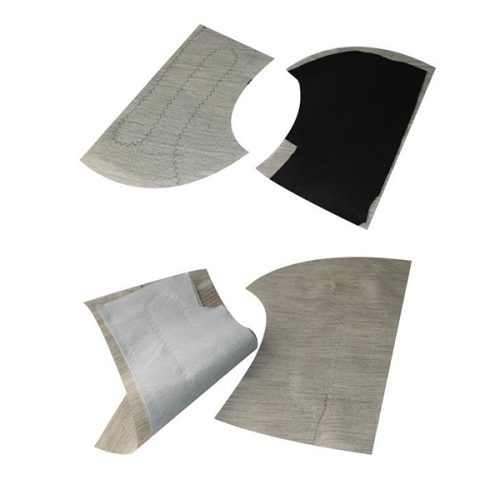
Application Scenarios of Nylon Spunbond Nonwoven Fabric

additional information
| Product Name | Nylon Spunbond Embroidery Backing |
|---|---|
| Material | 100% Nylon |
| Weight Range | 20-60gsm |
| Width Range | 90cm-160cm |
| Color | White, Black |
| Pattern | Nonwoven, uniform surface |
| Application | Suitable for delicate embroidery designs, especially for lightweight and stretchy fabrics |
| Function | High tensile strength, tear-resistant, heat-resistant, and excellent stretch compatibility |
| Minimum Order Quantity | 5,000 meters per type |
| Price Range | USD $0.1 – $1/meter (Depending on weight and customization) |
| Packaging | Rolled on paper cores, packed in waterproof PE plastic bags with outer woven polybag |
| Transportation | Via sea, air, or express logistics |
| Payment Terms | L/C, D/P, T/T, Western Union, PayPal |
| Delivery Time | 7-15 days based on order size |
| Monthly Production Capacity | 3,000,000 meters |
| Roll Length | 50m-300m/roll (Customizable) |
| Special Customization | Available for width, weight, and color upon request |
| Certification | OEKO-TEX, SGS, ISO9001 |
Stay Ahead With Weboss Updates

This article explains laminated nonwoven fabric, its structure, materials, functions, applications, and how to choose the right option for different uses.

Spunlace nonwoven fabric is a mechanically bonded material produced by entangling fibers with high-pressure water jets rather than thermal or chemical bonding.
-
Spunmelt nonwoven fabric is a multi-layered material combining spunbond and meltblown technologies to deliver strength, breathability, and barrier performance. Manufactured through polymer extrusion, web formation, bonding, and finishing, spunmelt fabrics can feature hydrophilic, anti-bacterial, anti-static, and “Three-Anti” treatments.