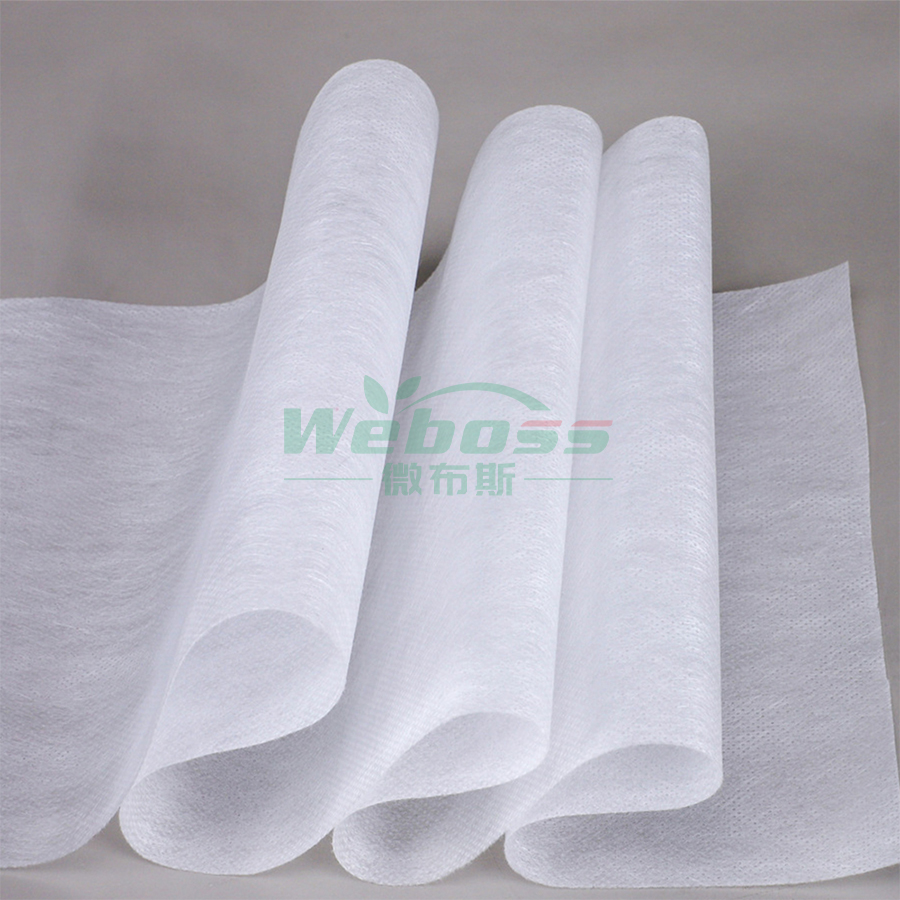
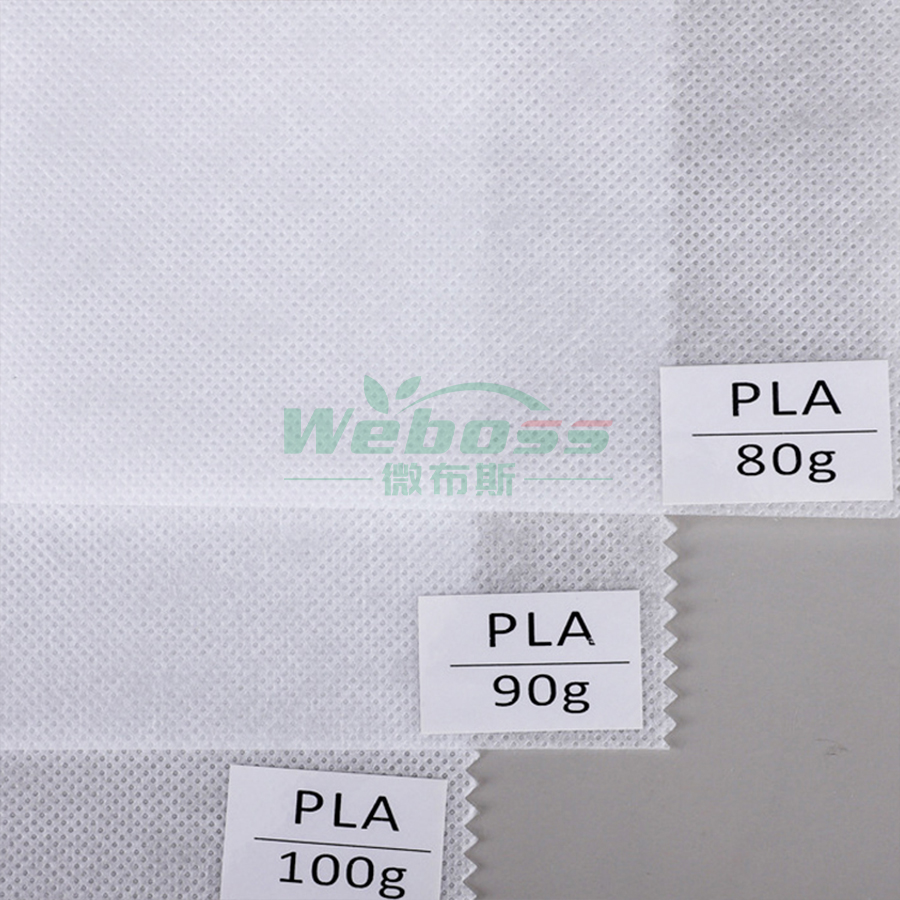
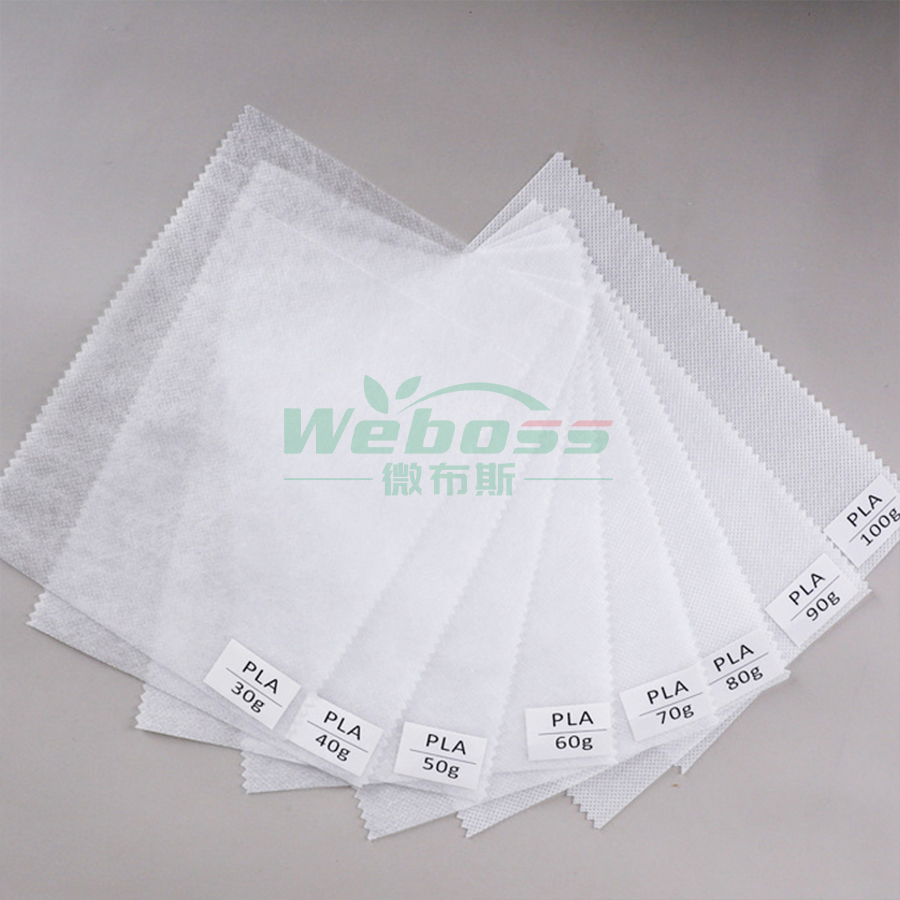
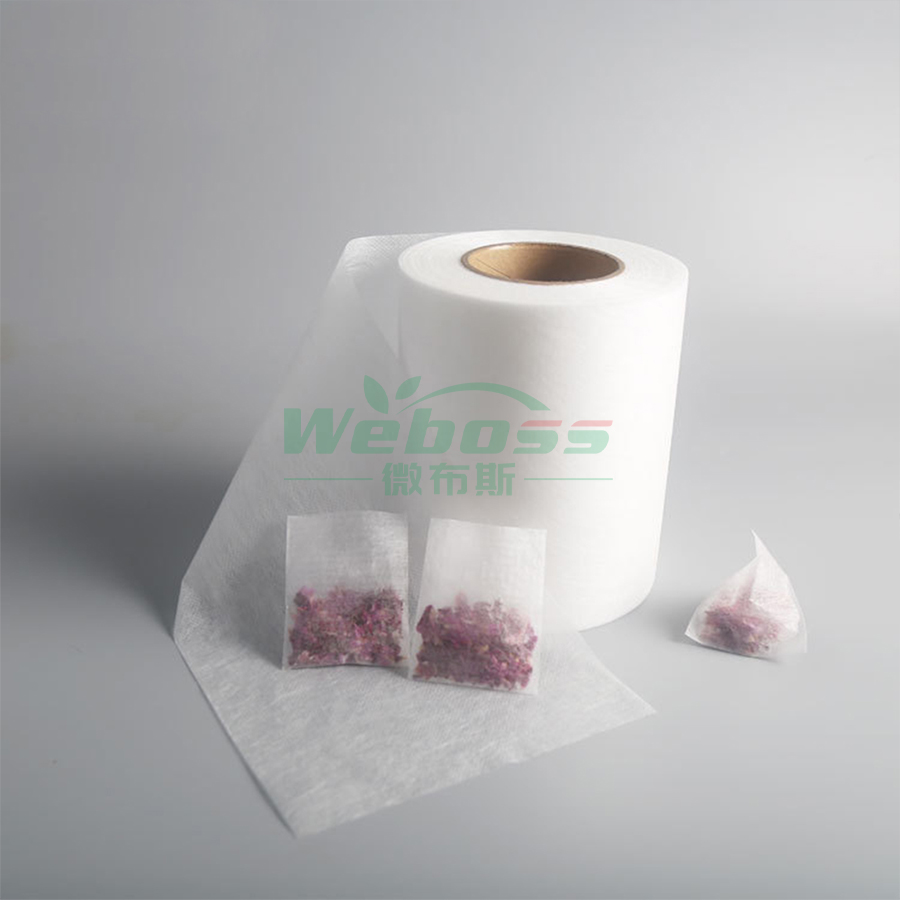
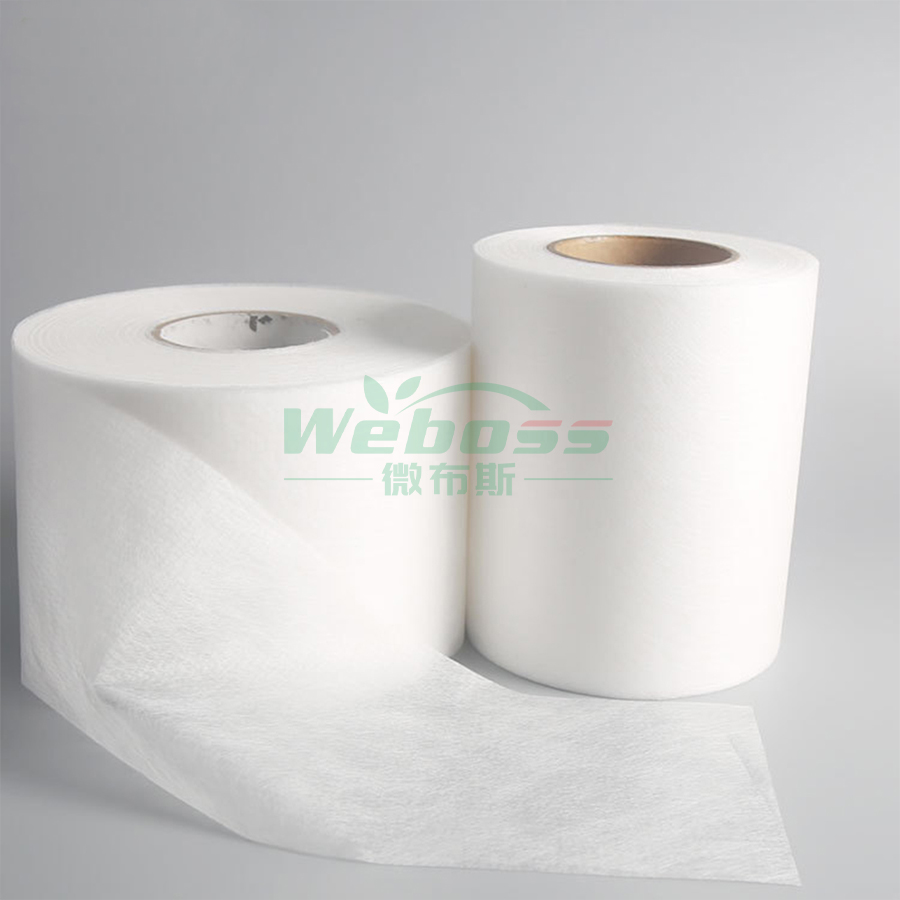
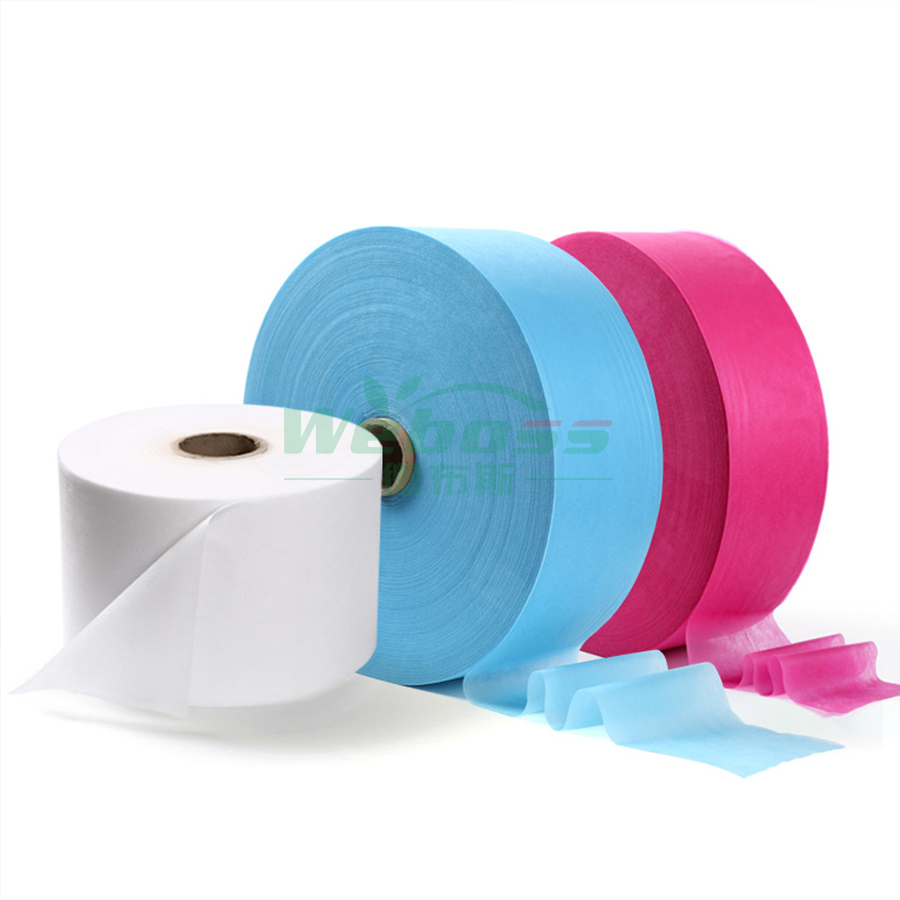
PLA Spunbond Nonwoven Fabric
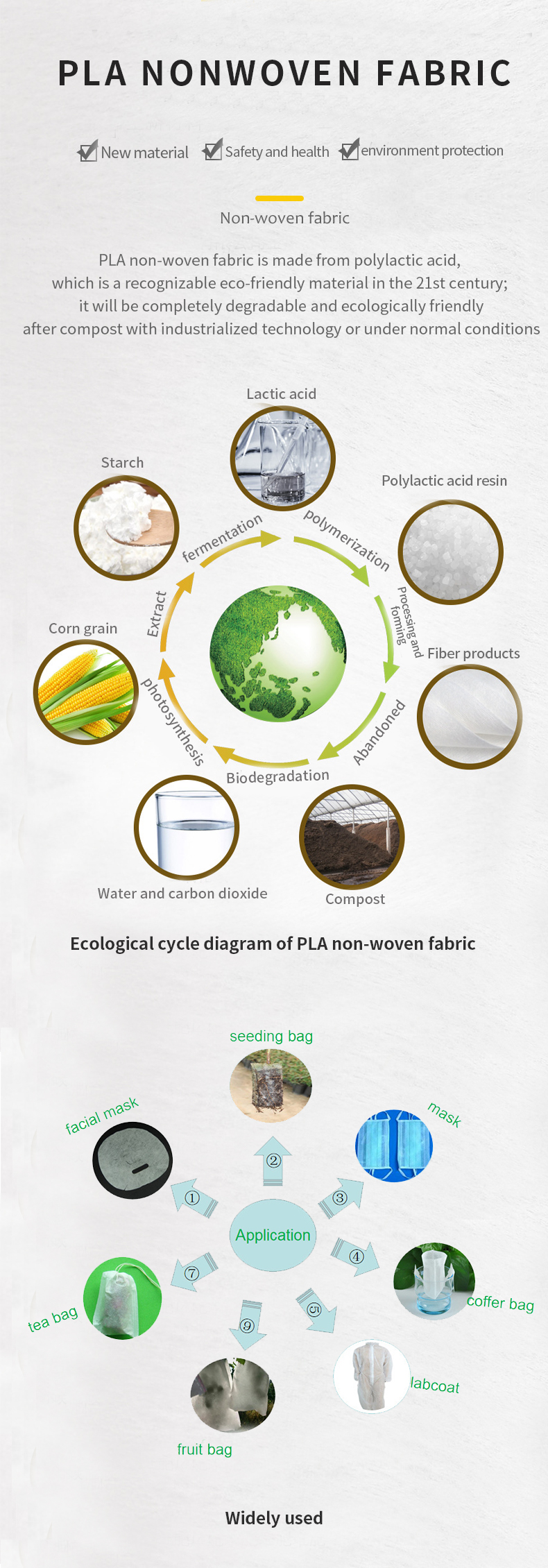
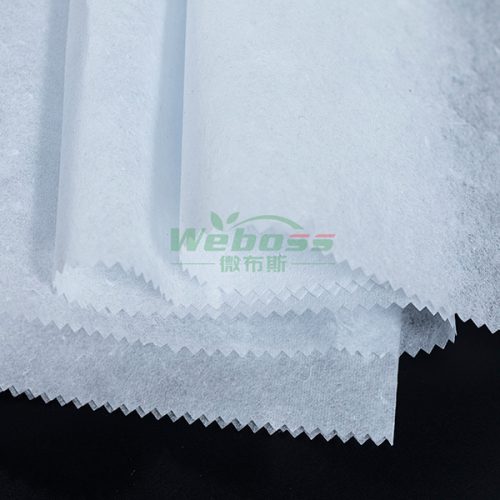
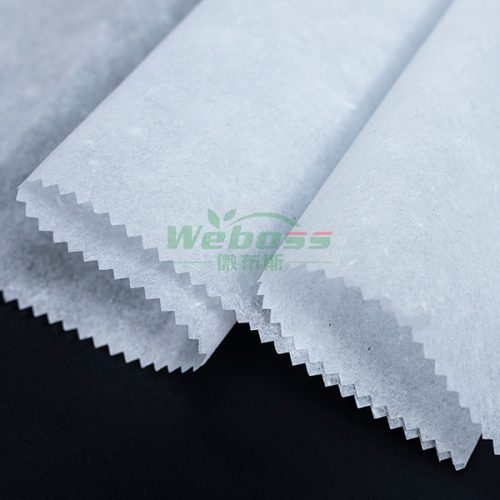
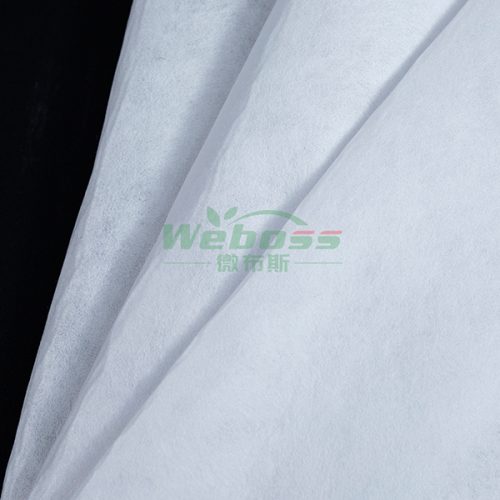
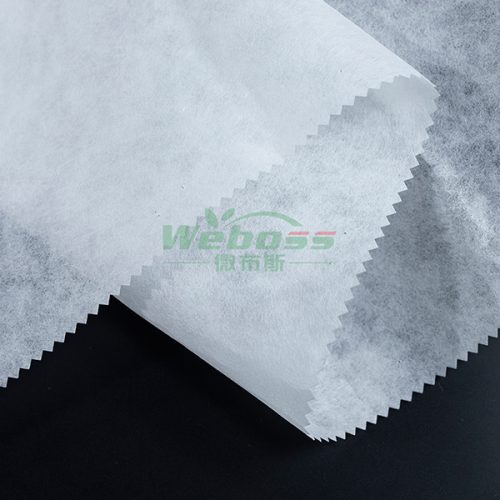
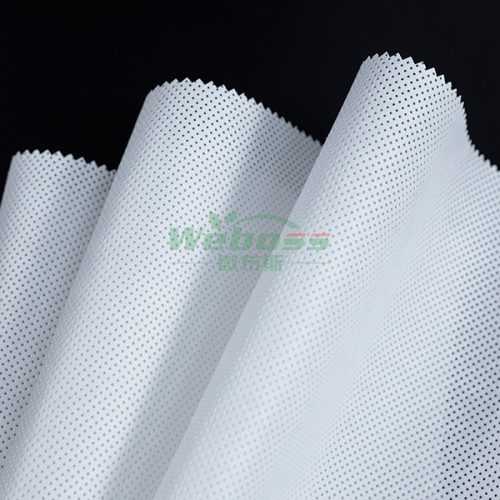
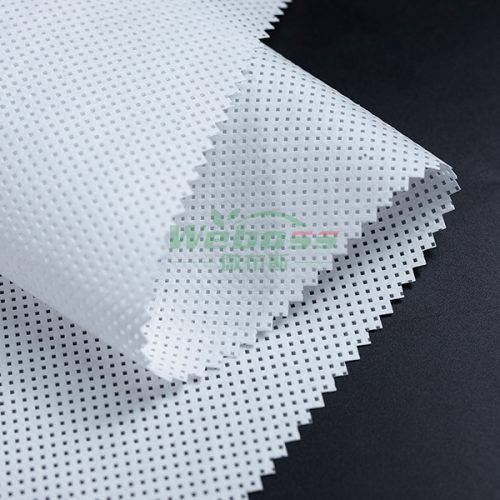
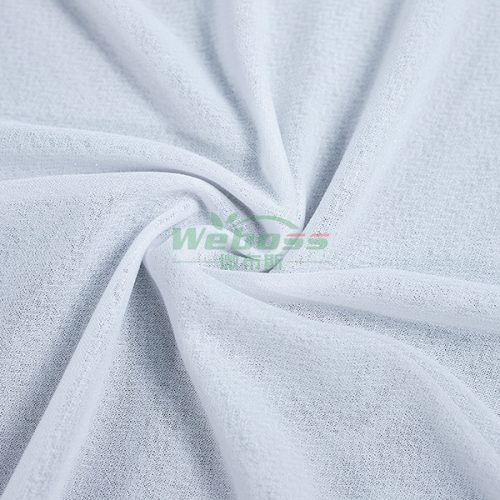
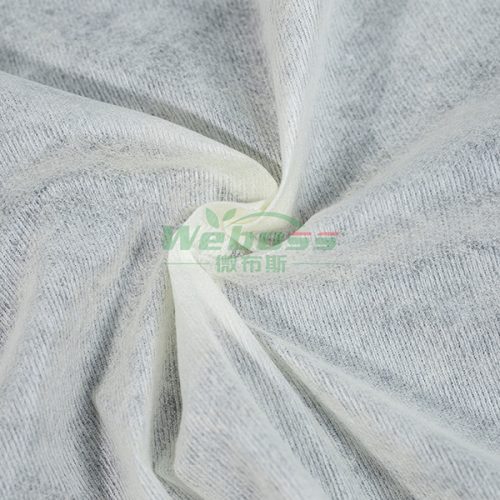
PLA Spunbond Nonwoven Fabric is a biodegradable and sustainable nonwoven material made from Polylactic Acid (PLA) — a polymer derived from renewable plant resources such as corn starch or sugarcane. Through the spunbond process, PLA is melted, extruded, and thermally bonded into a strong, lightweight, and uniform fabric that combines excellent strength with environmental safety.
This eco-friendly material is widely used in medical, hygiene, agricultural, and packaging applications, offering an ideal alternative to traditional polypropylene spunbond fabric.
product introduce
Product Description
PLA spunbond nonwoven fabric offers high tensile strength, excellent breathability, and complete biodegradability. It is environmentally safe and decomposes naturally into water and carbon dioxide under composting conditions.
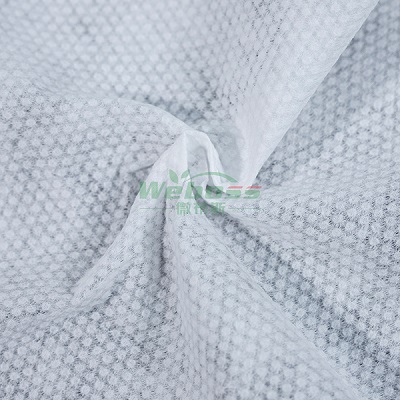
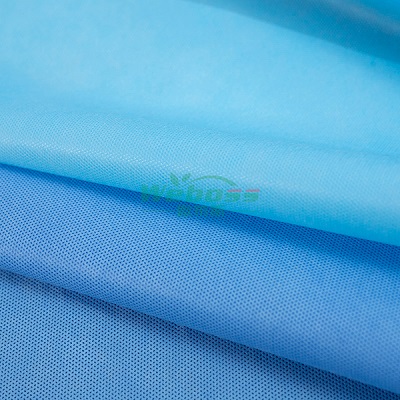
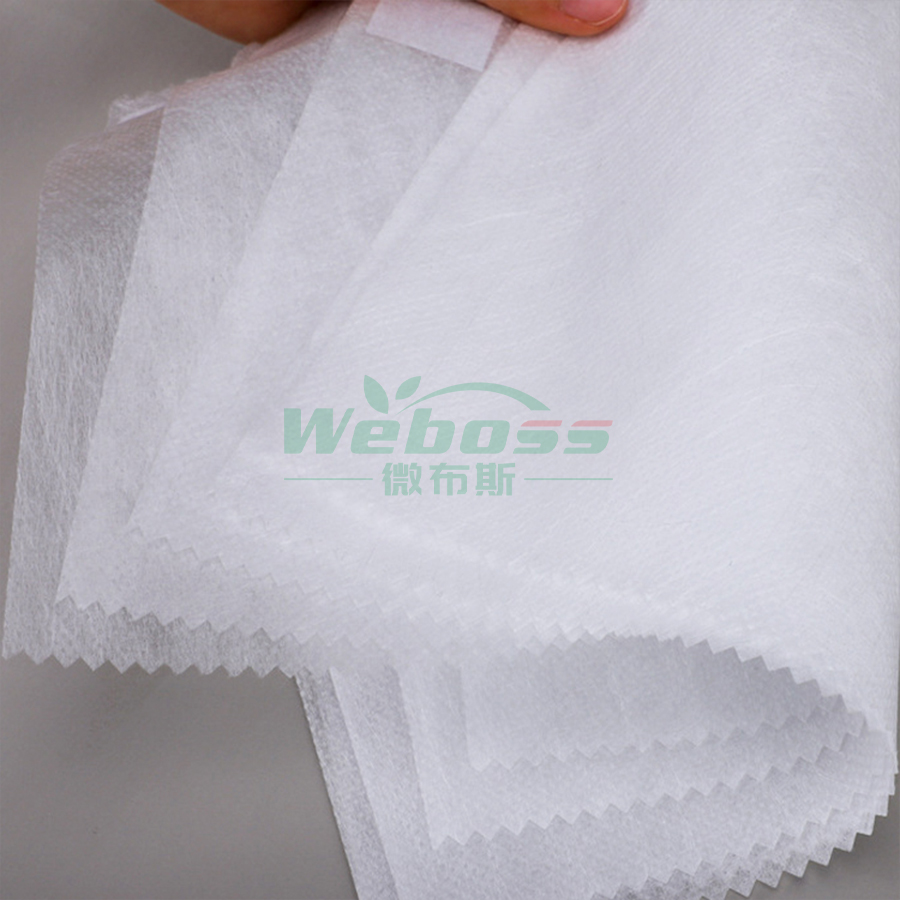
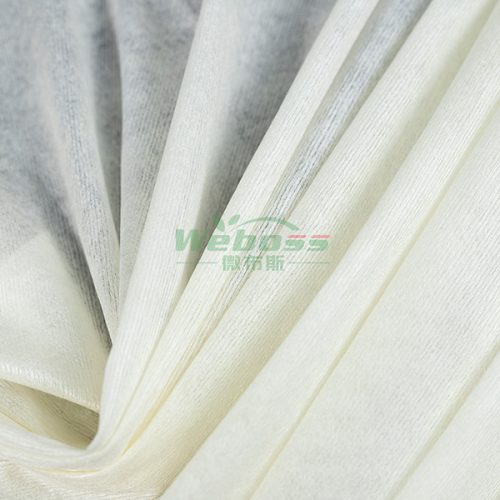
With a soft texture and stable structure, it is suitable for face mask outer layers, disposable medical gowns, hygiene products, and eco-friendly packaging materials. Compared with conventional PP spunbond, PLA spunbond has similar mechanical properties but is biobased and compostable, meeting the growing demand for green and sustainable materials.
Key Features
-
🌿 100% Biodegradable and Compostable — Made from renewable plant-based PLA resin.
-
♻️ Eco-Friendly Alternative — Reduces environmental pollution and microplastic waste.
-
💪 Strong and Durable — Excellent tensile and tear strength with consistent performance.
-
💨 Breathable and Lightweight — Comfortable for medical and hygiene applications.
-
🔥 Heat-Resistant and Stable — Maintains shape under sterilization and lamination conditions.
-
🤍 Soft Surface and Smooth Texture — Gentle for direct skin contact.
-
🧵 Good Processability — Easy to cut, laminate, or convert into finished products.
Product Advantages of PLA Spunbond Nonwoven Fabric
PLA Spunbond Nonwoven Fabric is made from polylactic acid (PLA), a bio-based polymer derived from renewable resources such as corn starch or sugarcane. Compared with traditional petroleum-based nonwovens, PLA offers a unique balance of environmental responsibility and functional performance.
One of its biggest advantages is biodegradability under industrial composting conditions, making it an ideal choice for brands and manufacturers targeting sustainable or eco-certified products. At the same time, PLA spunbond fabric maintains good tensile strength, dimensional stability, and uniform surface structure, which allows it to be processed on standard converting and cutting equipment.
PLA nonwoven also features excellent breathability and softness, making it comfortable for skin-contact applications. Its natural origin helps reduce carbon footprint, which is increasingly important for markets in Europe, North America, Japan, and other regions with strict environmental regulations.
For customers looking to balance performance, appearance, and sustainability, PLA spunbond nonwoven fabric provides a forward-looking solution.
Production Process
-
PLA Pellet Melting:
Plant-based PLA pellets are melted and extruded into fine continuous filaments. -
Web Formation:
The filaments are laid randomly or directionally on a moving belt to form a uniform web. -
Thermal Bonding:
The web is thermally bonded through heat and pressure to create a durable and cohesive fabric. -
Finishing and Rolling:
The finished fabric is cooled, treated (if needed), and rolled for packaging and shipment.
This spunbond process ensures uniform fiber distribution, excellent strength, and consistent fabric quality.
Why Choose PLA Spunbond Nonwoven Fabric for Sustainable Applications
PLA spunbond nonwoven fabric is especially suitable for applications where environmental impact matters as much as functionality.
Compared with conventional PP spunbond nonwoven fabric, PLA is preferred in scenarios where:
- Products are designed for short life cycles
- Eco-labels or green certifications are required
- End users value renewable raw materials
While PP spunbond excels in cost efficiency and broad industrial use, PLA spunbond stands out in eco-friendly packaging, disposable medical items, hygiene products, and green consumer goods.
Choosing PLA spunbond is not about replacing traditional materials everywhere—it’s about using the right material for the right sustainability-driven application.
Functional Treatments & Surface Finishing Options
To meet different application requirements, PLA Spunbond Nonwoven Fabric can be customized with various functional treatments and surface finishes, including:
- Hydrophilic treatment – improves liquid absorption for hygiene and medical use
- Hydrophobic treatment – enhances water repellency for protective applications
- Anti-static treatment – reduces static buildup during processing or end use
- UV-resistant treatment – extends service life under sunlight exposure
- Softening or hand-feel adjustment – improves comfort for skin-contact products
Weboss works closely with customers to fine-tune fabric performance based on weight, thickness, surface behavior, and end-use environment.
Common Applications of PLA Spunbond Nonwoven Fabric
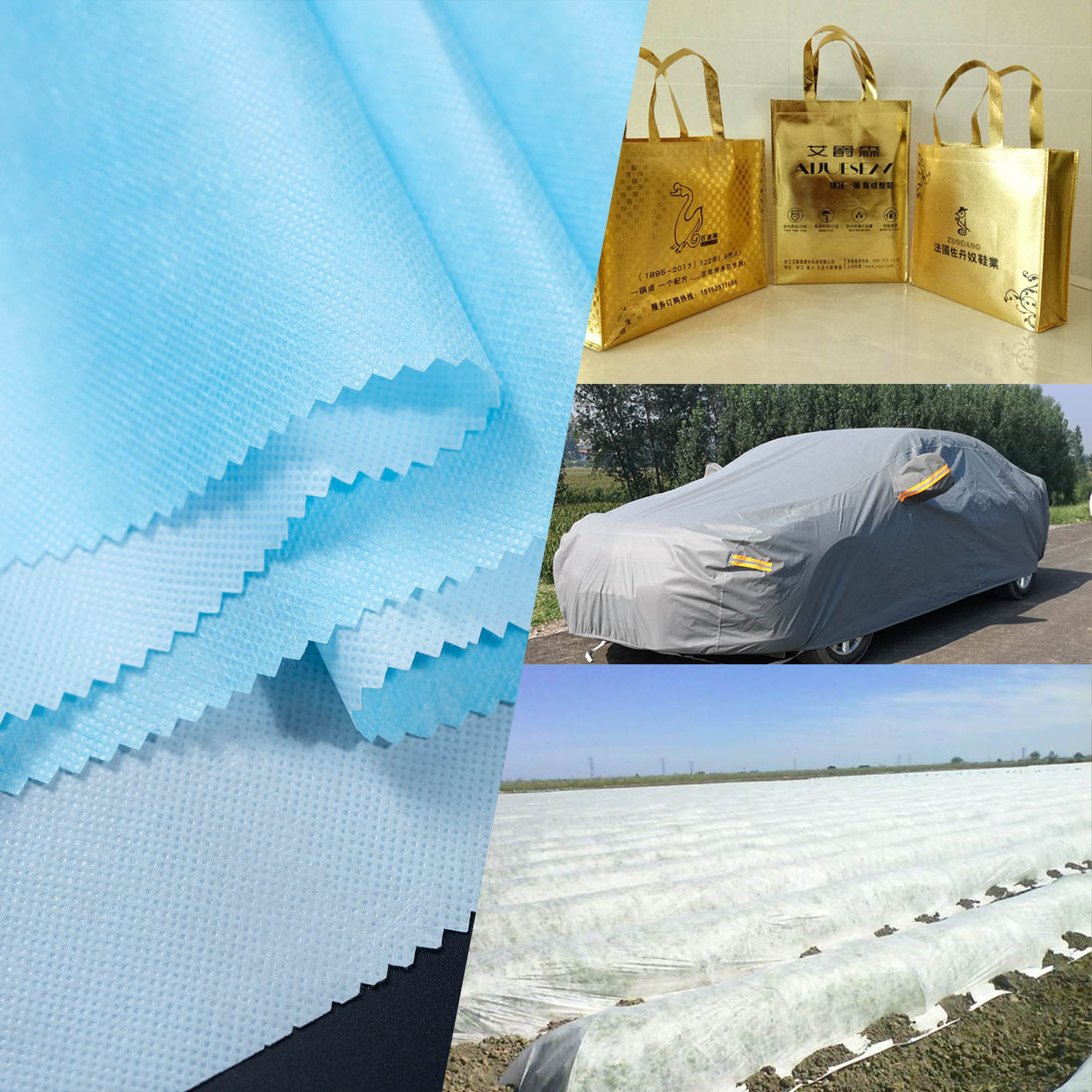
PLA Spunbond Nonwoven Fabric is widely used in industries that prioritize sustainability, hygiene, and responsible sourcing, such as:
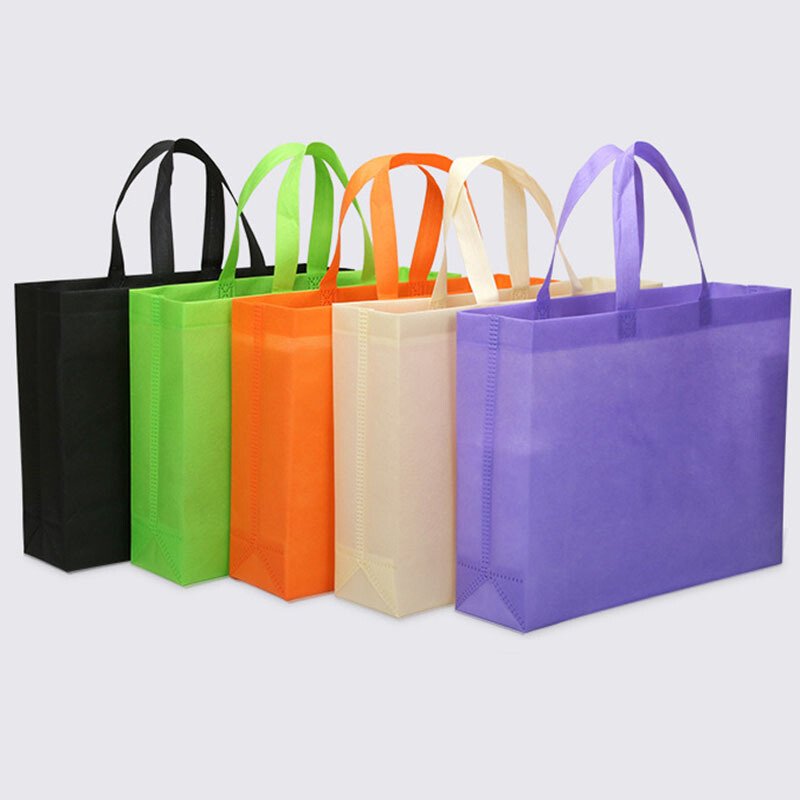
- Eco-friendly packaging (bags, wraps, protective layers)
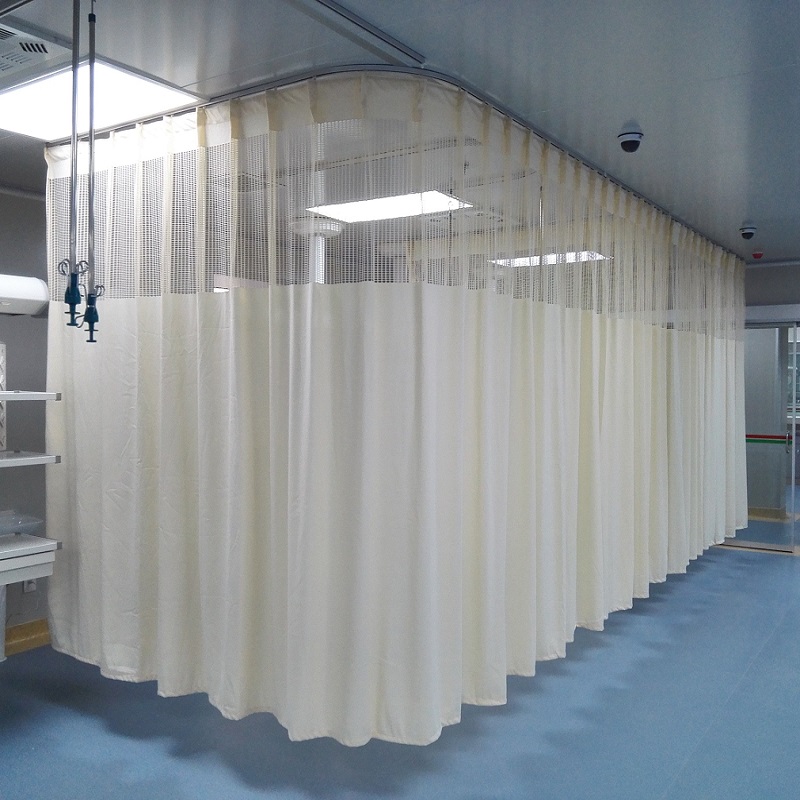
- Disposable medical and hygiene products
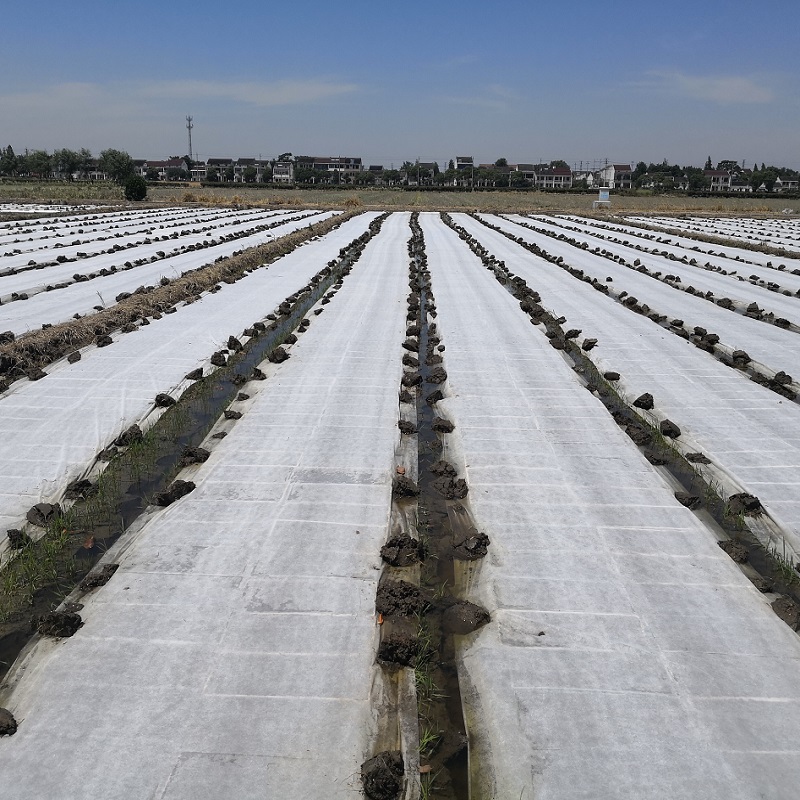
- Agricultural covers and plant protection materials
- Household and personal care products
- Promotional and retail disposable items
- Green filtration and lightweight insulation layers
Its versatility makes it suitable for both industrial processing and consumer-facing products where environmental image is critical.
FAQ-PLA Spunbond Nonwoven Fabric
Q1: What is the difference between PLA and PP spunbond fabric?
A1: PLA is made from renewable plant-based materials and is biodegradable, while PP (polypropylene) is petroleum-based and non-degradable.
Q2: How long does PLA spunbond take to degrade?
A2: Under industrial composting conditions, it typically degrades within 6–12 months into CO₂ and water.
Q3: Is PLA nonwoven safe for skin contact?
A3: Yes. PLA spunbond fabric is commonly used in hygiene and medical products and is suitable for skin-contact applications.
Q4: Can it be laminated with other biodegradable layers?
A4: Yes, PLA spunbond can be combined with PLA meltblown or film layers for breathable composites.
Q5: Can the fabric be customized in weight and width?
A5: Yes. Weboss offers customization in grammage, width, roll length, and functional treatments.
Q6: Is PLA spunbond nonwoven fabric biodegradable?
A6: PLA is biodegradable under industrial composting conditions. Actual degradation depends on temperature, humidity, and microbial activity.
Q7: Can PLA spunbond replace PP spunbond in all applications?
A7: Not in all cases. PLA is best suited for sustainability-focused applications, while PP remains ideal for cost-sensitive or long-term industrial use.
Why Choose Weboss?
Choosing Weboss means working with a supplier that understands both material performance and global market demands.
- Stable raw material sourcing and supply chain control
- Flexible customization for weight, width, and functional treatments
- Experience serving sustainability-focused international markets
- Consistent quality control and batch stability
- Responsive technical and commercial support
- Clear communication for export-oriented projects
Weboss is committed to helping customers turn sustainable material choices into reliable, scalable, and market-ready solutions.
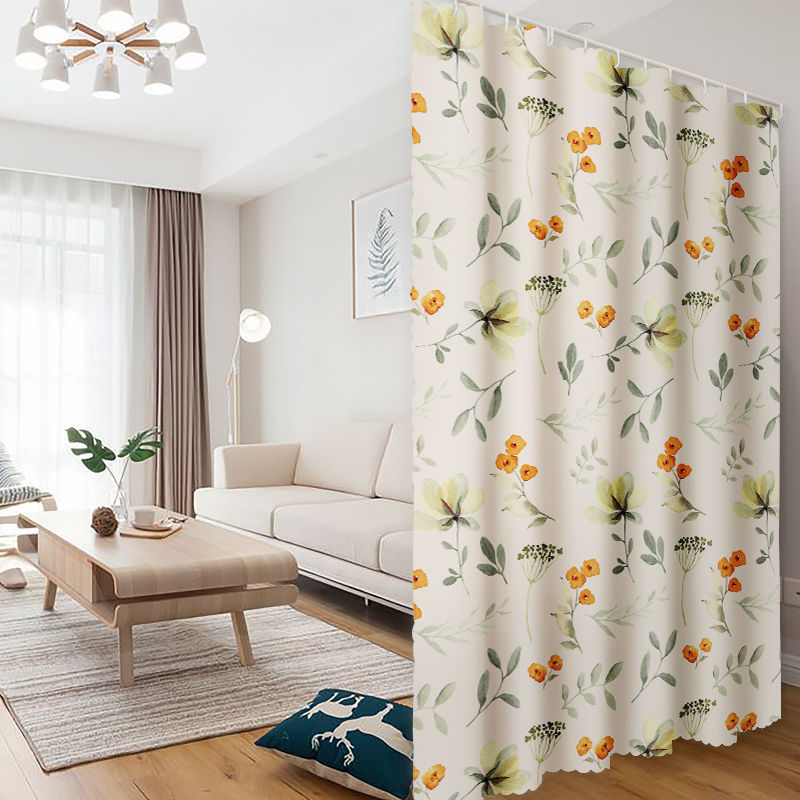
Application Scenarios of PLA Spunbond Nonwoven Fabric
additional information
| Material | 100% Polylactic Acid (PLA) |
|---|---|
| Weight Range | 15–120 gsm |
| Width | 10–320 cm |
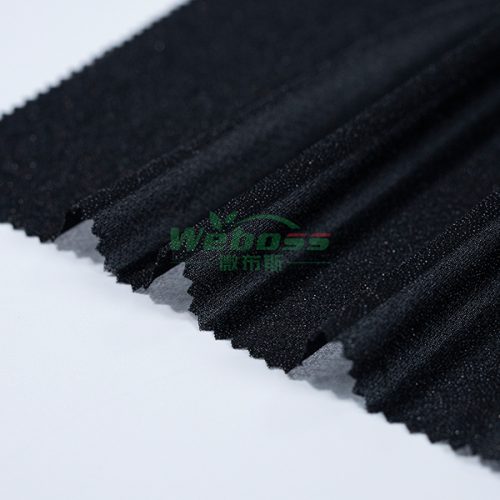
| Color | Natural white or customized |
| Biodegradability | 100% compostable under industrial conditions |
| Certification | OEKO-TEX, ISO, SGS, GRS |
Stay Ahead With Weboss Updates

This article explains laminated nonwoven fabric, its structure, materials, functions, applications, and how to choose the right option for different uses.

Spunlace nonwoven fabric is a mechanically bonded material produced by entangling fibers with high-pressure water jets rather than thermal or chemical bonding.
-
Spunmelt nonwoven fabric is a multi-layered material combining spunbond and meltblown technologies to deliver strength, breathability, and barrier performance. Manufactured through polymer extrusion, web formation, bonding, and finishing, spunmelt fabrics can feature hydrophilic, anti-bacterial, anti-static, and “Three-Anti” treatments.