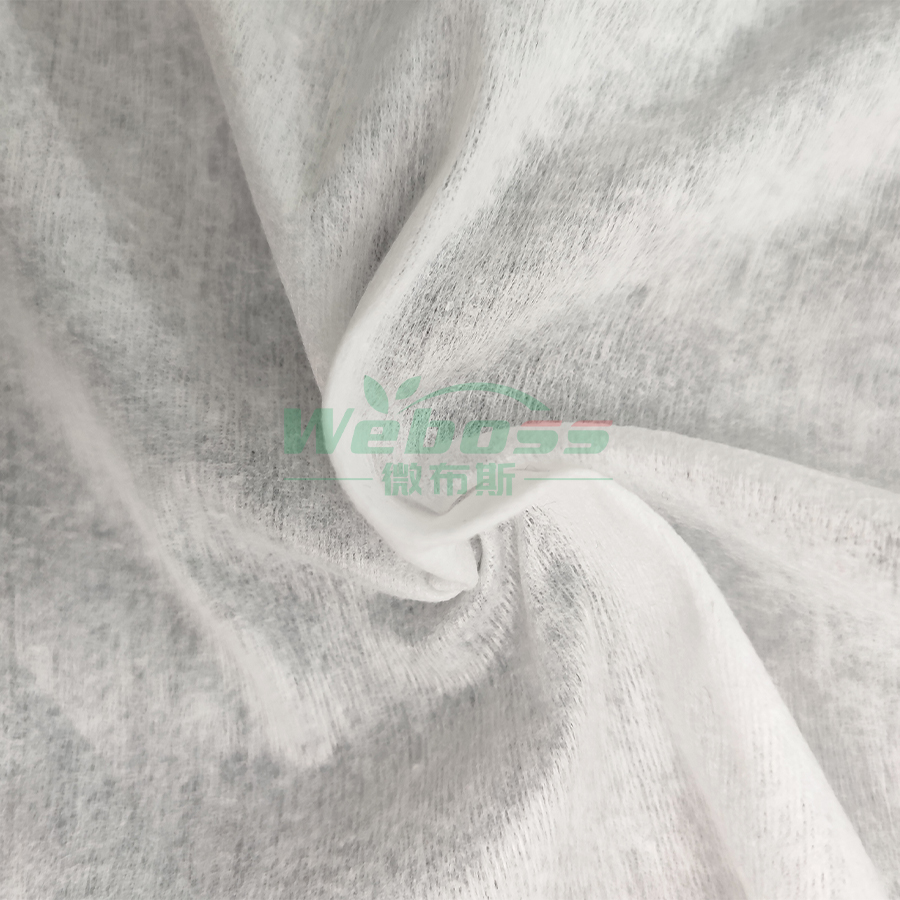
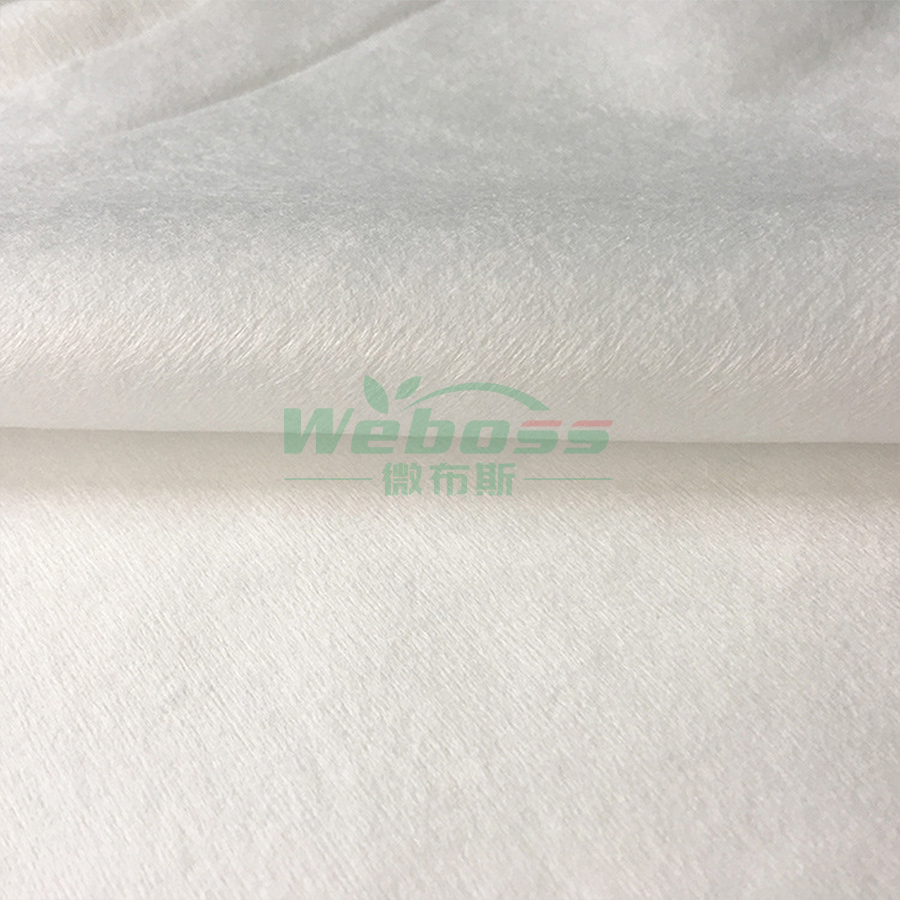
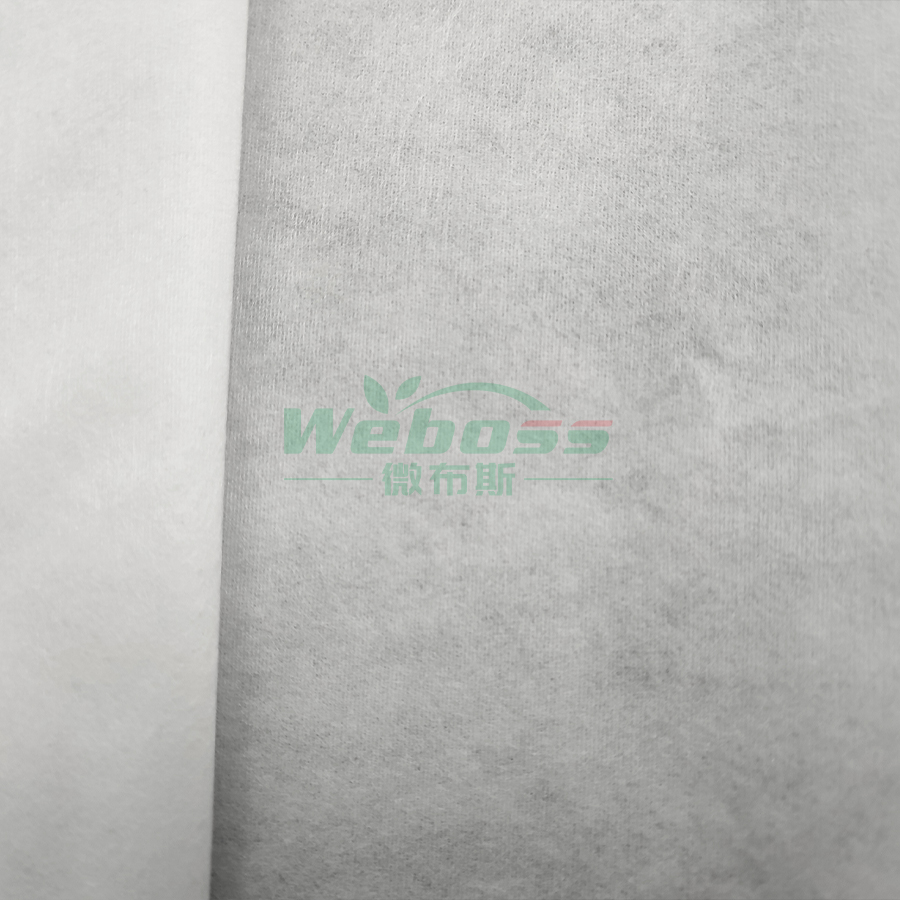
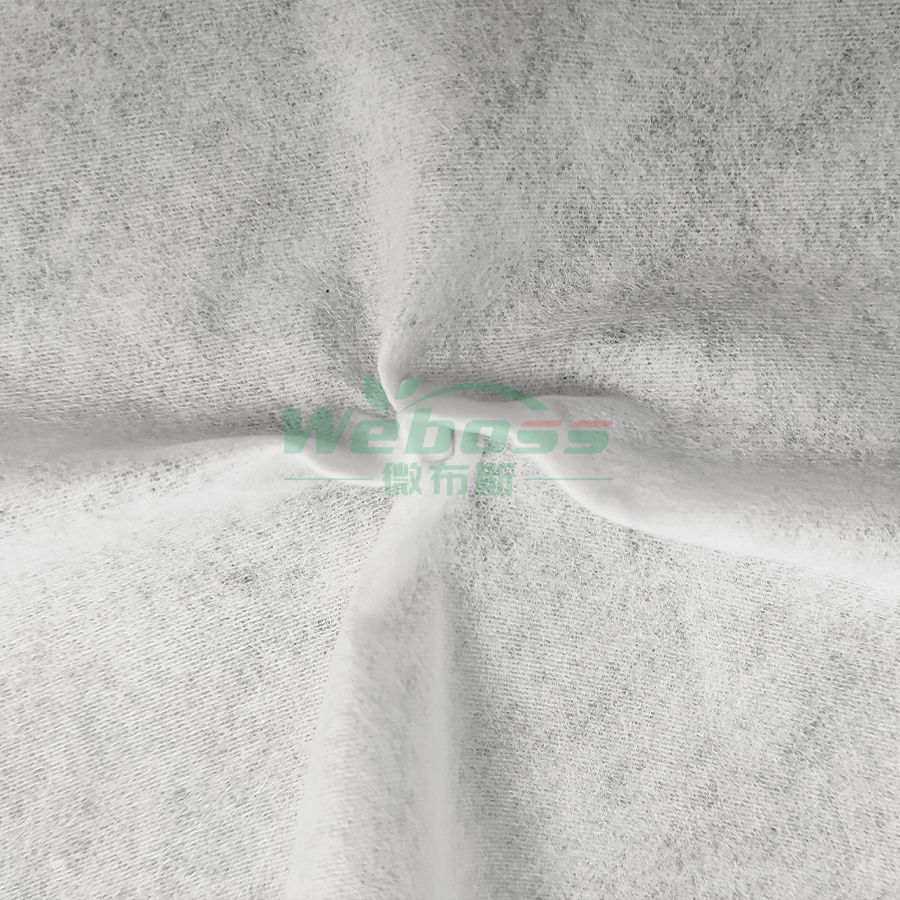
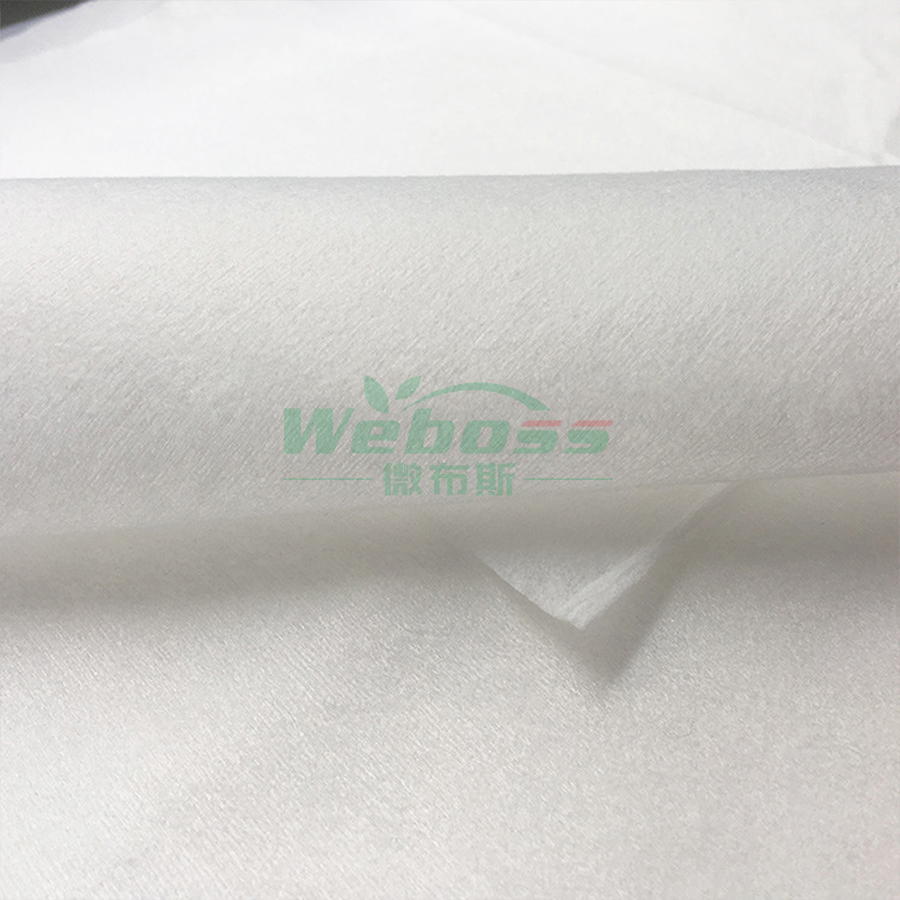
PLA Spunlace Nonwoven Fabric
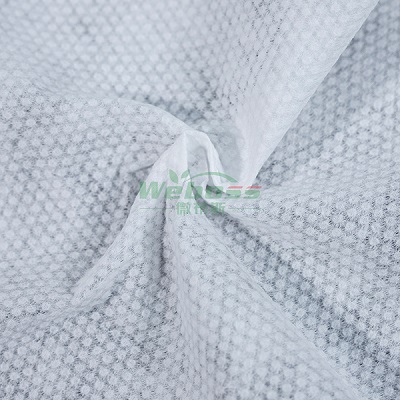
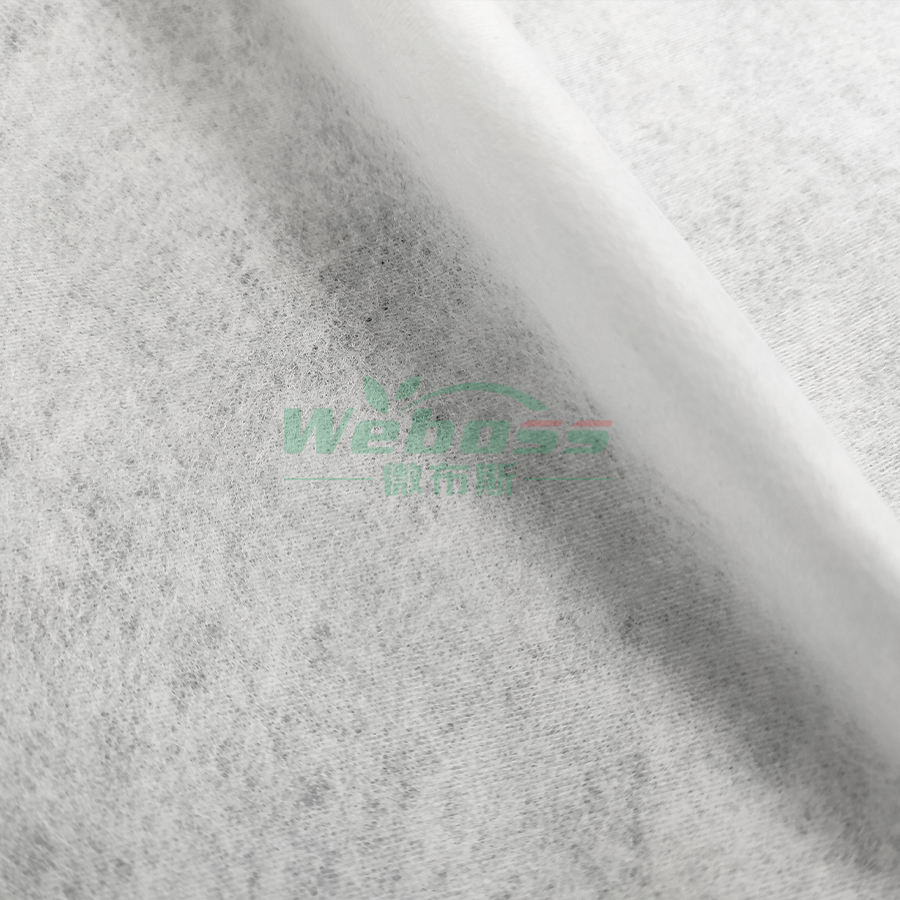
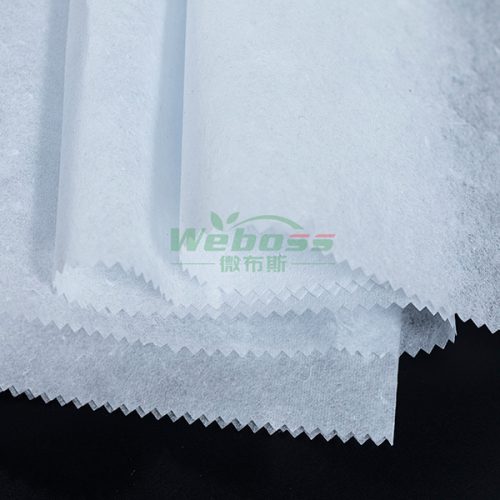
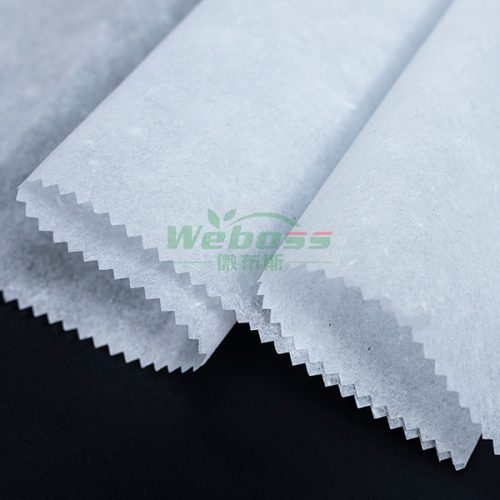
PLA Spunlace Nonwoven Fabric is an eco-friendly and biodegradable nonwoven material made from polylactic acid (PLA), a polymer derived from renewable plant sources such as corn starch or sugarcane. Through advanced spunlace hydroentanglement technology, the fibers are bonded by high-pressure water jets without chemical binders, resulting in a soft, strong, and skin-friendly fabric.
With its biodegradable, compostable, and hypoallergenic properties, PLA spunlace nonwoven fabric is widely used in cosmetic, medical, hygiene, and environmentally conscious applications.
product introduce
Product Description
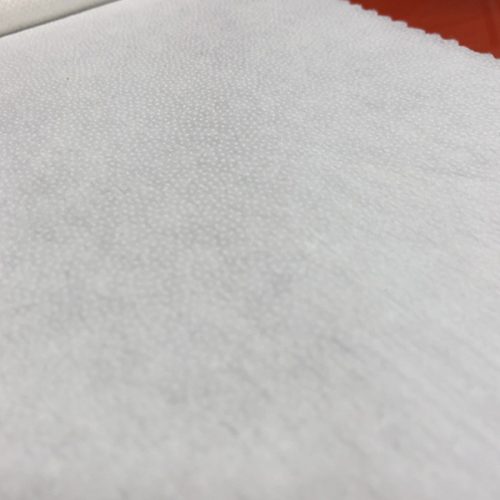
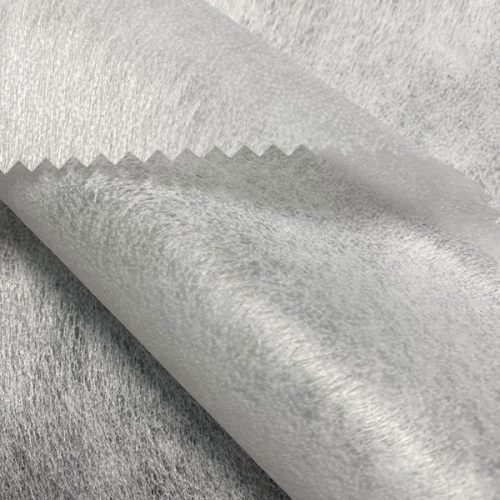
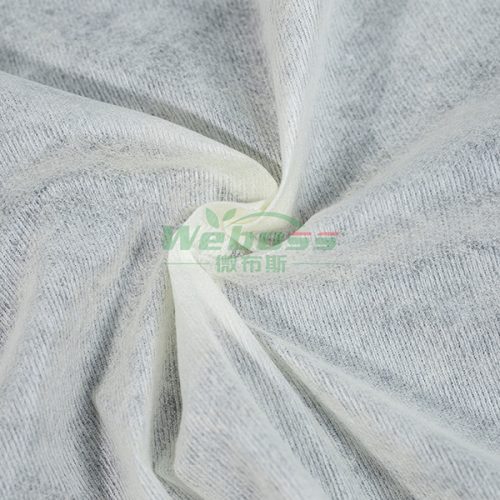
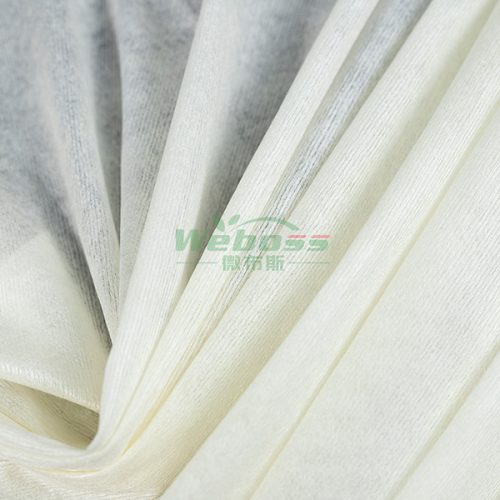
PLA spunlace nonwoven fabric combines the strength and softness of spunlace technology with the sustainability of biobased PLA fibers. It decomposes naturally under composting conditions, converting into water and carbon dioxide, leaving no harmful residue.
The fabric has a smooth texture, good moisture absorption, and is gentle to the skin, making it ideal for facial masks, wipes, diapers, sanitary products, and eco packaging. It is also suitable for industrial or agricultural applications where biodegradable materials are required.
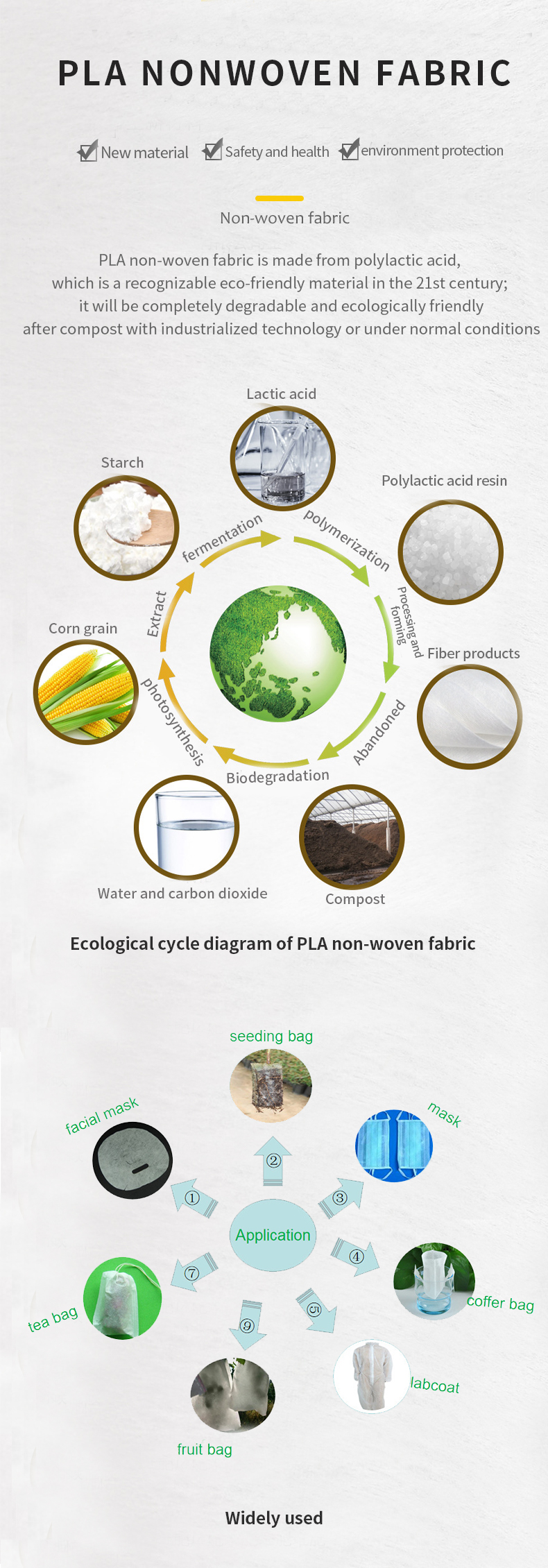
Key Features
-
♻️ 100% Biodegradable and Compostable — Made from renewable plant-based PLA materials.
-
🌿 Eco-Friendly and Sustainable — Reduces plastic pollution and carbon footprint.
-
💧 Excellent Absorbency and Breathability — Ideal for wet wipes, face masks, and hygiene care.
-
🤍 Soft and Skin-Friendly — Gentle on sensitive skin, perfect for cosmetic or medical use.
-
💪 High Tensile Strength — Durable structure that maintains integrity even when wet.
-
🔥 Heat-Resistant and Chemical-Safe — Suitable for sterilization and hygienic processes.
Product Advantages of PLA Spunlace Nonwoven Fabric
PLA spunlace nonwoven fabric is a bio-based material made from renewable plant resources, offering a strong balance between environmental responsibility and functional performance. By combining PLA fibers with spunlace water-entanglement technology, the fabric achieves a soft, breathable, and skin-friendly structure without the use of chemical binders.
Compared with traditional petroleum-based fibers, PLA provides a lower carbon footprint while still delivering stable tensile strength and good fabric integrity. The spunlace process further enhances uniformity and drape, making PLA spunlace suitable for applications that require direct skin contact, comfort, and clean processing.
For brands and manufacturers focusing on sustainability without compromising product usability, PLA spunlace offers a practical and scalable solution.
Production Process
-
PLA Fiber Preparation:
High-purity polylactic acid chips are melted and extruded into fine continuous filaments. -
Web Formation:
The PLA fibers are carded and layered evenly to form a soft web. -
Hydroentanglement (Spunlace):
High-pressure water jets entangle the fibers, enhancing strength without adhesives. -
Drying and Finishing:
The fabric is dried, optionally calendered, and rolled according to customer requirements.
This process ensures a uniform, high-quality PLA spunlace nonwoven fabric that is fully biodegradable and environmentally safe.
PLA Spunlace vs. Conventional Fiber Spunlace – Application-Based Differences
PLA spunlace nonwoven fabric is often compared with polyester or viscose spunlace materials. The key difference lies not in “better or worse,” but in application priorities.
PLA spunlace is particularly suitable for products where:
Bio-based material sourcing is required
Sustainability claims are part of brand positioning
Softness and breathability are essential
Moderate strength meets application needs
Conventional fibers such as PET or viscose may be preferred where extreme durability or high wet strength is the primary concern. PLA spunlace, on the other hand, excels in eco-conscious, skin-contact, and disposable applications.
Choosing PLA spunlace allows manufacturers to align material selection with environmental goals and consumer expectations.
Functional Treatments & Surface Finishing Options
PLA spunlace nonwoven fabric can be customized to meet specific functional and processing requirements, including:
- Hydrophilic treatment for improved moisture absorption
- Skin-contact grade surface finishing
- Softening and drape optimization
- Controlled basis weight and thickness
- Custom width and roll configuration
- Blending options with other bio-based fibers (upon request)
Weboss works closely with customers to ensure PLA spunlace fabric performs reliably in both product use and manufacturing processes.
Common Applications of PLA Spunlace Nonwoven Fabric
PLA spunlace nonwoven fabric is widely used in applications where sustainability and comfort are key considerations:
Facial masks and skincare sheet masks
Personal care and hygiene wipes
Cosmetic pads and beauty products
Medical and healthcare disposables
Eco-friendly cleaning wipes
Single-use products with sustainability focus
Its combination of softness, breathability, and bio-based content makes it especially attractive for next-generation eco-conscious consumer products.
Common Applications of PLA Spunlace Nonwoven Fabric
PLA spunlace nonwoven fabric is widely used in applications where sustainability and comfort are key considerations:
- Facial masks and skincare sheet masks
- Personal care and hygiene wipes
- Cosmetic pads and beauty products
- Medical and healthcare disposables
- Eco-friendly cleaning wipes
- Single-use products with sustainability focus
Its combination of softness, breathability, and bio-based content makes it especially attractive for next-generation eco-conscious consumer products.
FAQ – PLA Spunlace Nonwoven Fabric
Q1: What makes PLA spunlace fabric eco-friendly?
A1: It’s made from renewable plant-based PLA fibers and decomposes completely into CO₂ and water under composting conditions.
Q2: Is PLA spunlace suitable for direct skin contact?
A2: Yes. PLA spunlace is soft, breathable, and suitable for skin-contact applications.
Q3: Is PLA spunlace suitable for wet products?
A3: Yes, for most hygiene and personal care applications, PLA spunlace provides sufficient wet strength.
Q4: Can PLA spunlace be customized in weight and width?
A4: Yes. Weboss offers flexible customization based on application needs.
Q5: Is it suitable for industrial composting?
A5: Yes, PLA spunlace nonwoven fabric meets EN13432 standards for industrial compostability.
Q6: How does PLA spunlace compare to traditional spunlace fabrics?
A6: PLA spunlace emphasizes sustainability and bio-based sourcing, while traditional fibers may focus more on mechanical strength.
Why Choose Weboss?
Weboss supports customers who want to integrate sustainable materials into real products, not just marketing concepts. Our PLA Spunlace Nonwoven Fabric is manufactured using advanced spunlace lines with strict quality control, ensuring stable quality and reliable performance.
- Experience with bio-based and eco-friendly nonwovens
- Stable production and quality consistency
- Customization support for product development
- Reliable supply for global markets
- Responsive technical and commercial support
Choosing Weboss means choosing a partner who understands how to turn sustainability goals into manufacturable solutions.
additional information
| Material | 100% Polylactic Acid (PLA) |
|---|---|
| Weight | 30–120 gsm (customizable) |
| Width | 10–320 cm |
| Color | Natural white or customized |
| Surface Type | Plain, embossed, or patterned |
| Biodegradability | 100% compostable under industrial conditions |
| Certification | OEKO-TEX, ISO, SGS, GRS |
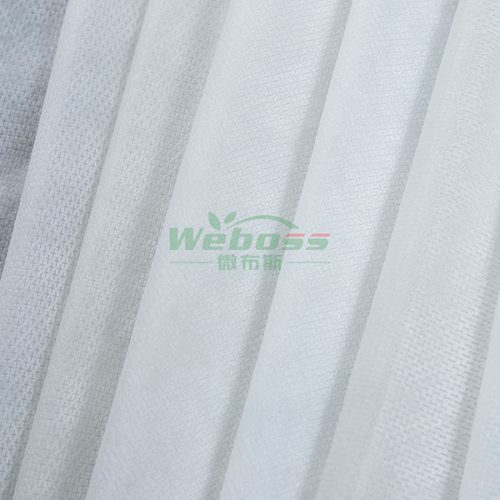
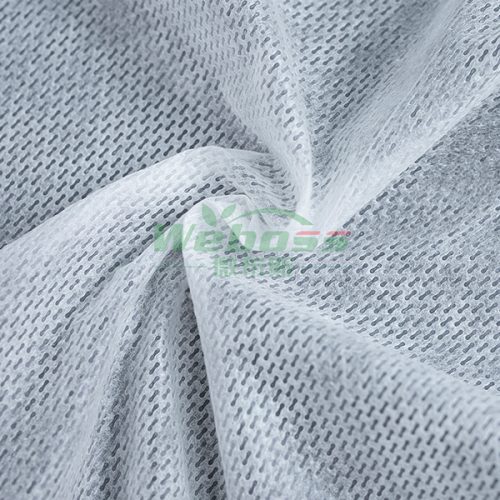
Stay Ahead With Weboss Updates

This article explains laminated nonwoven fabric, its structure, materials, functions, applications, and how to choose the right option for different uses.

Spunlace nonwoven fabric is a mechanically bonded material produced by entangling fibers with high-pressure water jets rather than thermal or chemical bonding.
-
Spunmelt nonwoven fabric is a multi-layered material combining spunbond and meltblown technologies to deliver strength, breathability, and barrier performance. Manufactured through polymer extrusion, web formation, bonding, and finishing, spunmelt fabrics can feature hydrophilic, anti-bacterial, anti-static, and “Three-Anti” treatments.