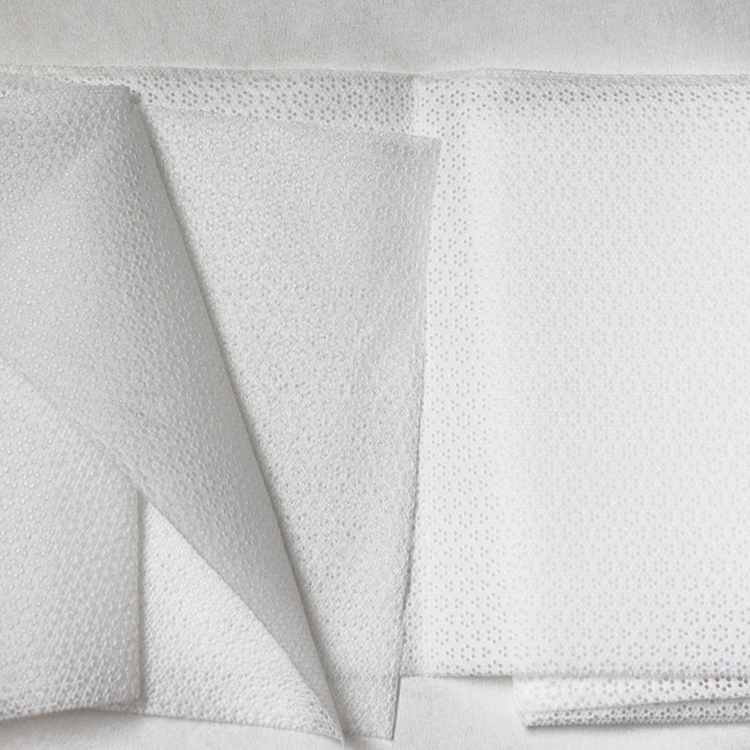
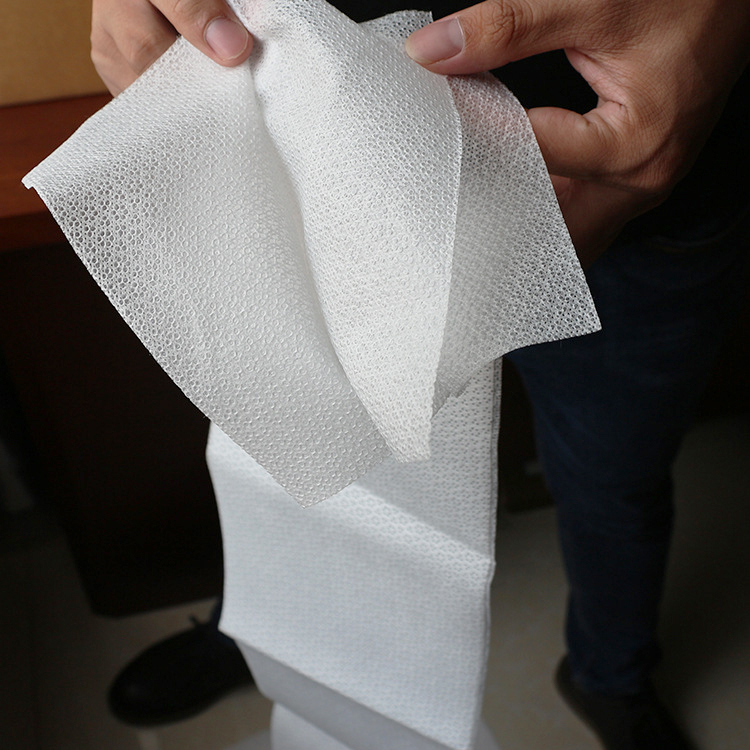
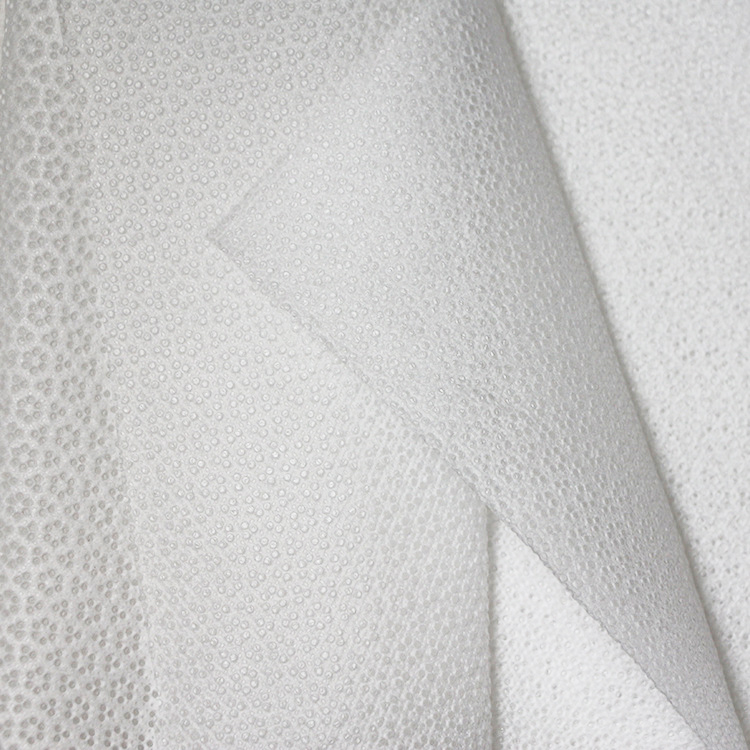
product introduce
1. Product Advantages
Enhanced Structural Uniformity
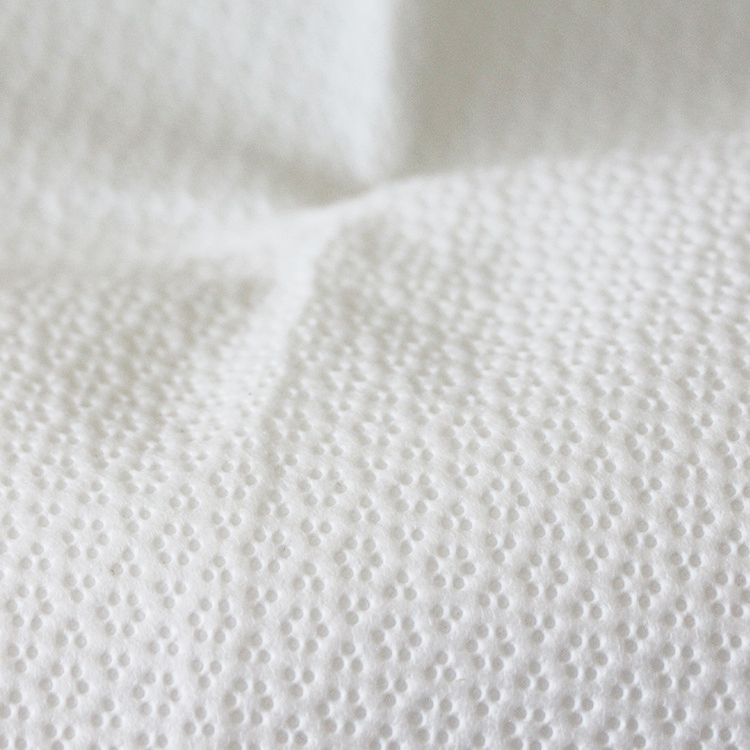
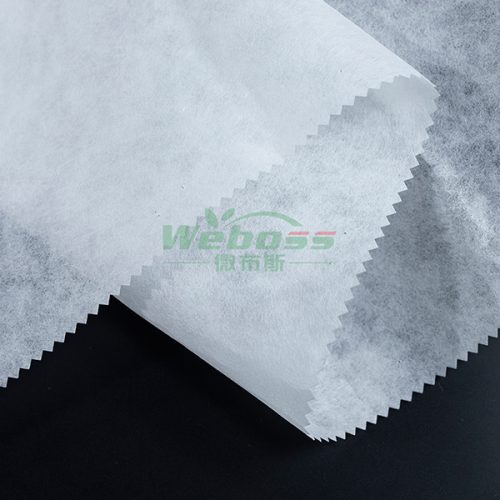
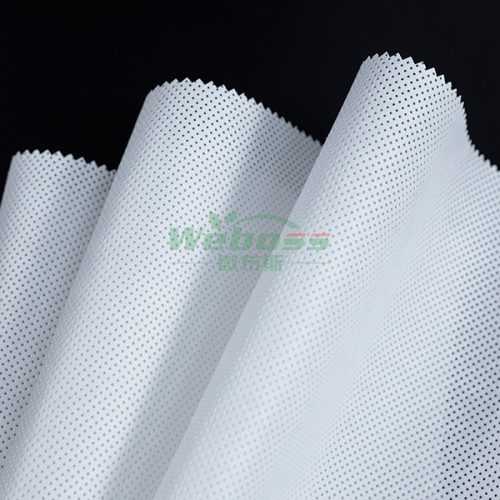
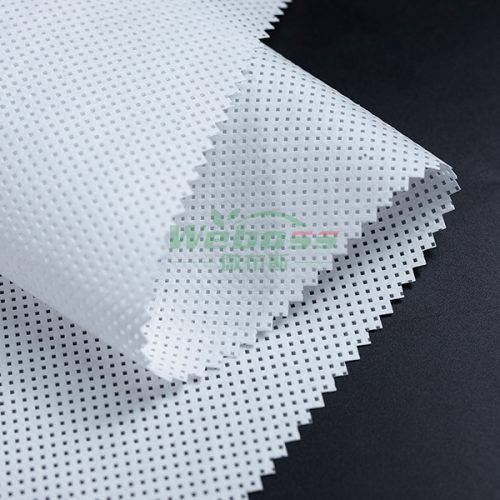
The plum pattern helps optimize fiber distribution, reducing uneven density areas.
Improved Strength & Integrity
Compared with plain meltblown fabric, the patterned structure offers better tensile support.
Balanced Filtration & Airflow
Maintains a stable balance between filtration efficiency and breathability.
Soft & Lightweight
Suitable for applications requiring both comfort and performance.
Better Converting Performance
The patterned surface improves handling during lamination and further processing.
2. Pattern Structure & Performance Characteristics
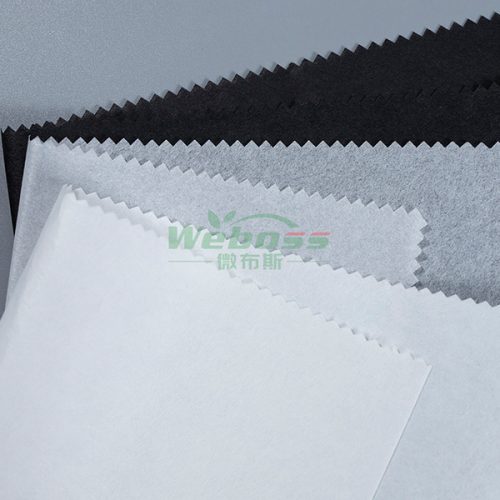
This section focuses on the pattern-based structural benefits, which is the core difference of this product.
| Feature | Description |
| Material | 100% Polypropylene (PP) |
| Process | Meltblown Technology |
| Pattern Type | Plum Pattern (Embossed / Structured Distribution) |
| Fiber Structure | Microfiber Layer |
| Weight Range | 15gsm – 50gsm (customizable) |
| Color | White (standard) |
| Width | Customizable |
What is the value of the plum pattern?
The plum-shaped distribution creates a more reinforced network structure, which can enhance durability and reduce deformation during use or processing.
3. Functional Treatments & Surface Finishing Options
Plum pattern meltblown non woven fabric can be customized with different functional treatments depending on end-use requirements:
Electret Treatment
Improves electrostatic adsorption for better particle filtration.
Hydrophobic Treatment
Enhances resistance to liquid penetration, suitable for hygiene and protective applications.
Antibacterial Treatment (optional)
Adds an extra layer of protection in hygiene-related uses.
Softening Treatment
Improves flexibility and touch, especially for composite materials.
Antistatic Treatment (optional)
Reduces static buildup in industrial applications.
4. Common Applications
Although plum pattern meltblown non woven fabric is not limited to a single field, it is especially suitable for applications where structure stability and processing performance are important.
Typical applications include:
Mask & Filtration Layer (General Use)
Can be used as a functional layer in disposable masks and filtration products.
Air & Dust Filtration Materials
Applied in industrial air filters and dust control systems.
Composite Nonwoven Materials
Used as an inner functional layer combined with spunbond or other nonwovens.
Hygiene & Disposable Products
Suitable for products requiring lightweight and breathable materials.
Packaging & Protective Layers (extended use)
Provides cushioning and protective functions in certain packaging applications.
5. FAQ
Q1: What is the difference between plum pattern and stripes meltblown fabric?
A: Plum pattern focuses more on structural reinforcement and strength, while stripes pattern emphasizes directional uniformity and processing efficiency.
Q2: Is plum pattern meltblown fabric suitable for masks?
A: Yes, it can be used as a functional layer in masks, especially when structural stability is required.
Q3: Does the pattern affect filtration performance?
A: The pattern mainly improves structural consistency, which can indirectly enhance filtration stability.
Q4: Can this fabric be laminated with other materials?
A: Yes, it performs well in composite structures such as SMS or other laminated nonwoven systems.
Q5: Is customization available?
A: Yes, weight, width, and functional treatments can all be customized.
Q6: Is it suitable for industrial use?
A: Yes, especially in filtration, dust control, and composite material applications.
6. Why Choose Weboss
At Weboss, we don’t just supply materials—we help customers find the right structure for the right application.
Why choose us:
Stable production quality for patterned meltblown materials
Flexible customization for different applications
Strong experience in nonwoven export markets
Reliable delivery and long-term supply capability
Practical technical support, not over-promising
We focus on making materials that are consistent, usable, and cost-effective for real production needs.
Contact Us:
TEL: +86-21-33608891
FAX: +86-21-33608892
Email: info@webosstex.com
additional information
| MOQ | 500kg |
|---|---|
| Certification | OEKO-TEX, GRS, SGS |
| Price Range | USD $1.7 – $3.5/kg (Depending on material and weight) |
| Transportation | Via sea, air, or express logistics. |
| Payment Terms | L/C, D/P, T/T, Western Union, PayPal |
| Delivery Time | 7-15 days based on order size |
| Special Customization | Available for color, weight, and width upon request. |
Stay Ahead With Weboss Updates

Spunlace non woven fabric for cleaning is a soft, absorbent, and lint-free material widely used for wipes, industrial cleaning, and household use
-
PET spunbond non woven fabric vs PP spunbond non woven fabric differ in strength, heat resistance, cost, and applications.
-
This article explains spunlace non woven fabric for wet wipes, its structure, materials, features, and how to choose the right option.