SS PP Spunbond Non Woven Fabric
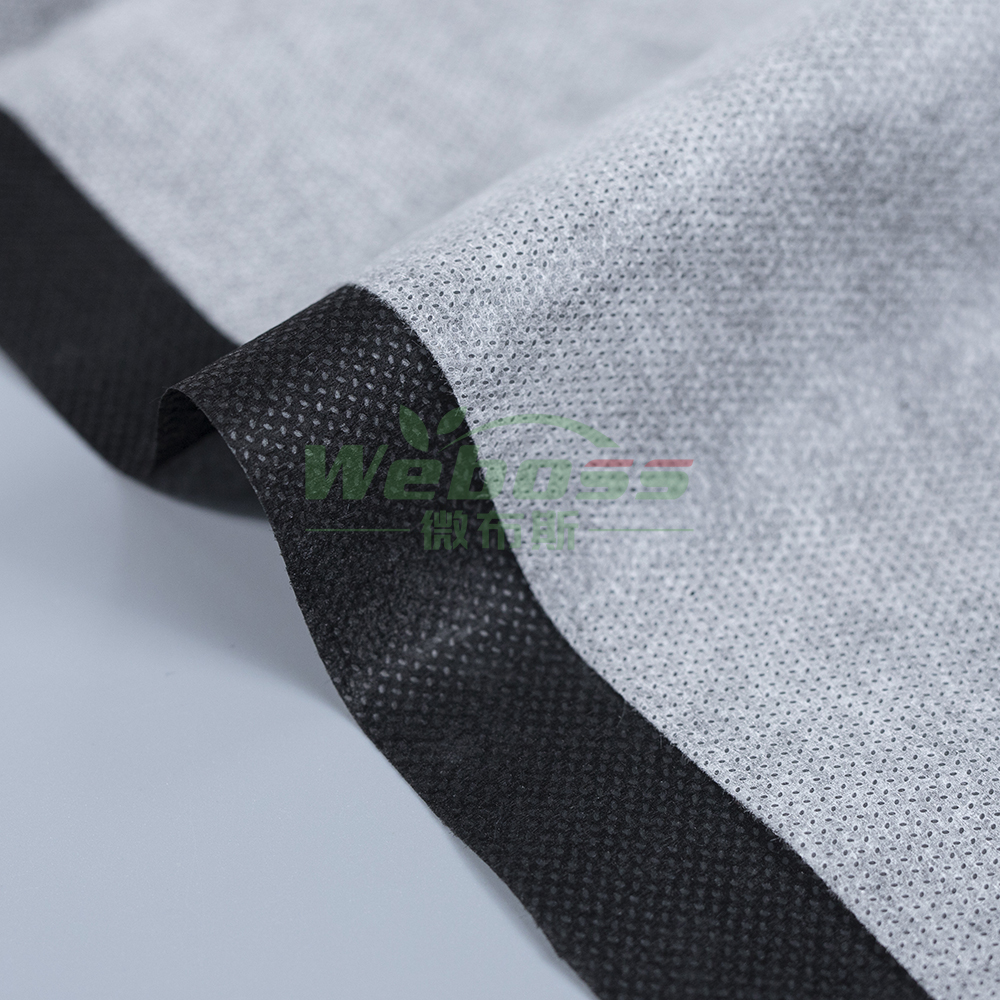
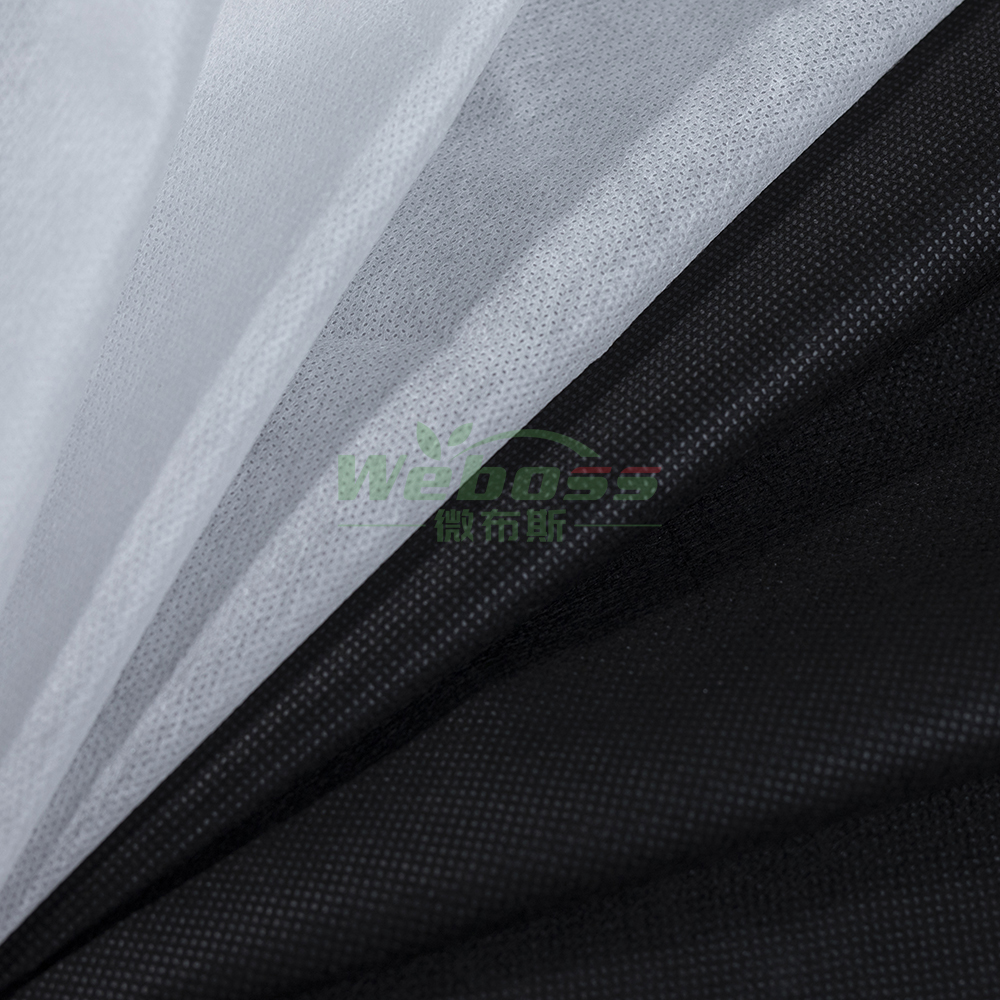
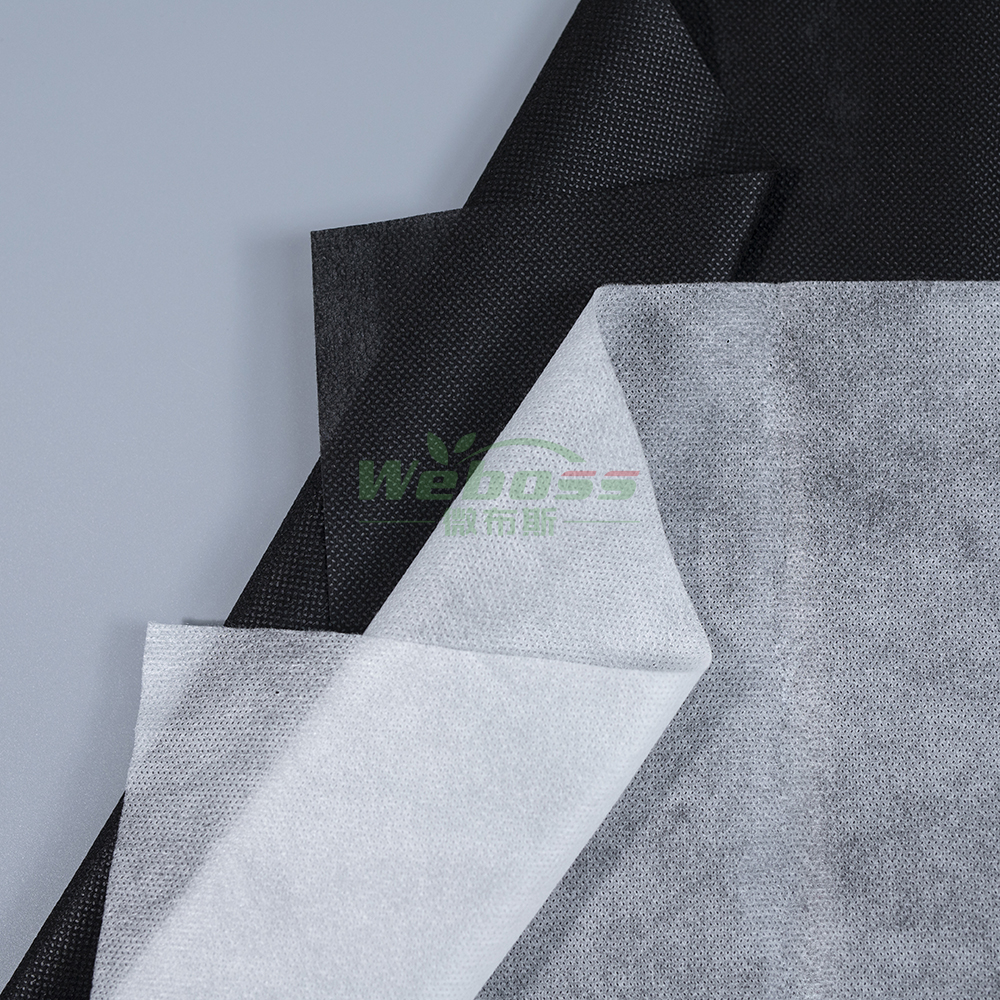
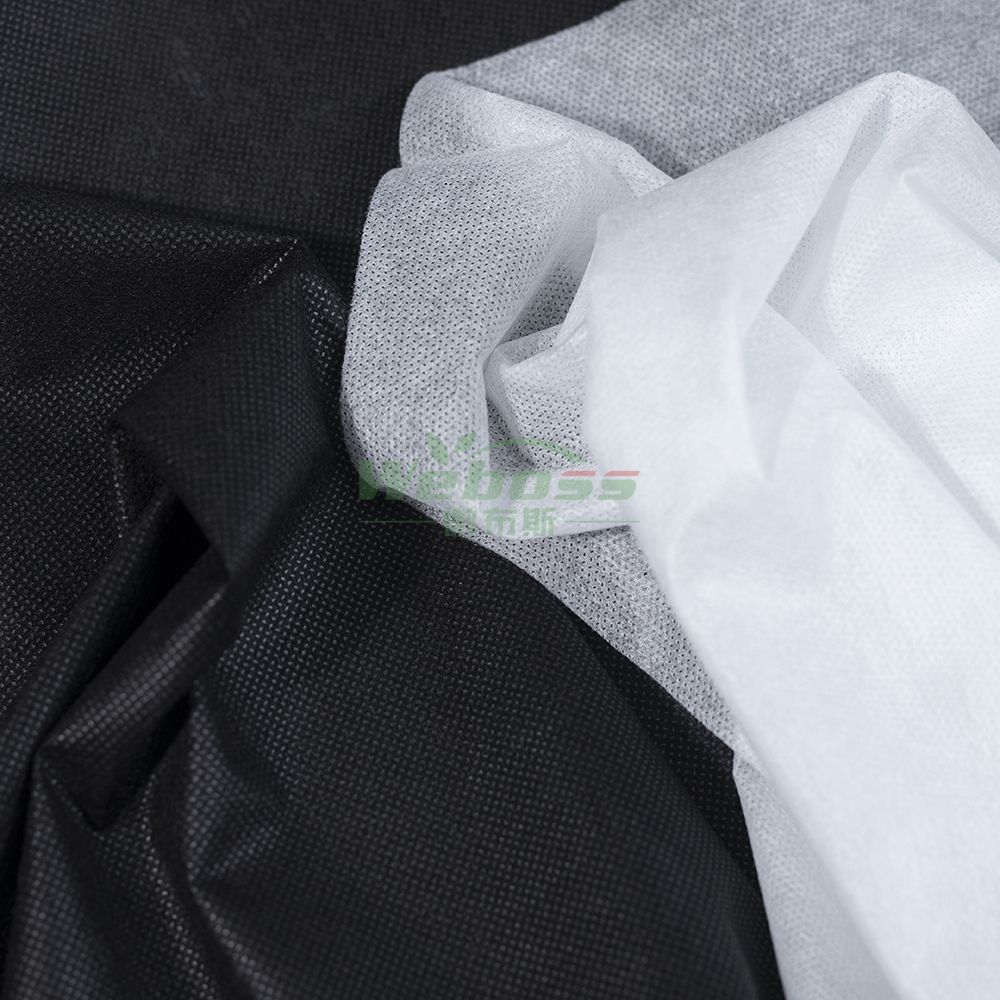
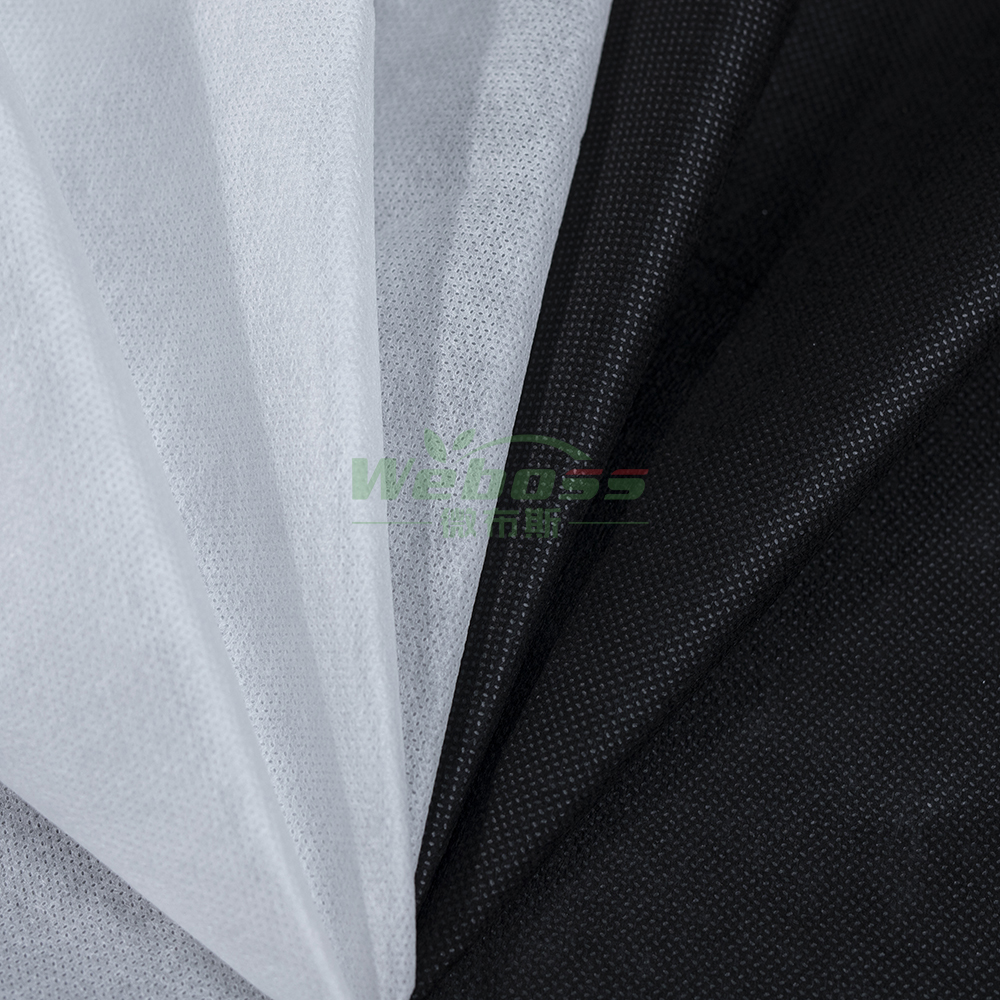
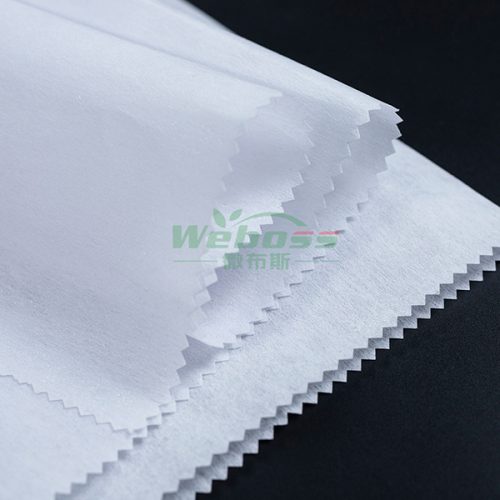
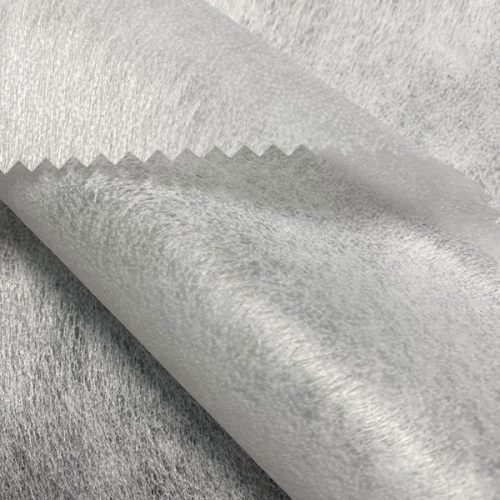
SS PP spunbond non woven fabric is a double-layer spunbond polypropylene material. Compared with the single-layer S type, this structure gives the fabric a more uniform surface and a softer hand feel. In real production, this difference is easy to notice, especially when the fabric is used in products that come into direct contact with skin.
product introduce
1. Product Advantages
SS PP spunbond non woven fabric one of the main advantages is improved softness. The two-layer structure makes the fabric feel smoother and more comfortable, which is important for hygiene products and disposable applications. At the same time, it still maintains good strength, so it does not easily tear during processing or use.
Another benefit is better coverage. SS fabric has a more even fiber distribution, which means fewer visible pinholes compared with single-layer material. This can improve the overall appearance and performance in certain applications.
From a production point of view, SS PP non woven fabric is still cost-effective. While it is slightly more expensive than S type, it offers a noticeable improvement in quality without a large increase in cost. For many manufacturers, this makes it a practical upgrade.
Because of these characteristics, SS PP non woven fabric is widely used in products that require a balance between softness, strength, and cost.
2. SS vs S and SSS PP Non Woven Fabric
SS PP spunbond non woven fabric sits between S and SSS structures in terms of performance and cost.
S type is a single-layer fabric. It is more economical and suitable for basic applications where softness and coverage are not the main concerns.
SS type uses a two-layer structure. This improves softness, uniformity, and appearance while still keeping production costs under control. It is often chosen for products that need better quality without going to a higher-end structure.
SSS type has three layers. It usually provides even better softness and coverage and is often used in more demanding applications.
In many cases, SS PP spunbond non woven fabric is selected because it offers a good balance. It improves on the S type in terms of feel and appearance, while still being more economical than SSS.
3. Functional Treatments & Surface Finishing Options
SS PP spunbond non woven fabric can be customized with different treatments depending on the application.
Hydrophilic treatment
Improves water absorption, commonly used in hygiene products.
Hydrophobic treatment
Helps repel liquids and provides moisture resistance.
Anti-static treatment
Reduces static buildup during processing and use.
UV-resistant treatment
Enhances durability for outdoor applications.
Flame retardant treatment
Available for products that require fire resistance.
Customized color, weight, and width
Different specifications can be produced to match customer needs.
These options make the fabric suitable for a wide range of industries.
4. Common Applications of SS PP Nonwoven Fabric
SS PP spunbond non woven fabric is widely used in applications where softness and uniformity are important.
Typical applications include:
hygiene products
disposable medical items
face mask layers
baby care products
sanitary products
packaging materials
protective apparel
Because of its softer hand feel and improved structure, it is often chosen for products that come into contact with skin.
5. FAQ
Q1: What does “SS” mean in SS PP non woven fabric?
“SS” means the fabric is made from two spunbond layers bonded together during production.
Q2: Is SS fabric softer than S fabric?
Yes. The double-layer structure generally provides a smoother and softer hand feel.
Q3: Is SS PP spunbond non woven fabric suitable for hygiene products?
Yes. It is commonly used in hygiene and disposable products due to its softness and uniformity.
Q4: What is the typical weight range?
It can be produced in a wide range of GSM depending on the application.
Q5: Can SS PP spunbond non woven fabric be customized?
Yes. Color, weight, width, and functional treatments can all be adjusted based on customer requirements.
Q6: Is SS fabric more expensive than S fabric?
Yes, but the cost increase is usually reasonable considering the improvement in quality and performance.
Q7: Can it be used for medical applications?
Yes, for some applications. However, for higher filtration or barrier requirements, composite structures like SMS are often used.
6. Why Choose Weboss
Weboss supplies PP nonwoven fabric and other material solutions for customers in hygiene, medical, and industrial applications.
We focus on stable product quality and consistent supply so customers can maintain reliable production. Our SS PP nonwoven fabrics are available in different weights, colors, and specifications.
Weboss also supports customization based on specific application needs, including functional treatments and product specifications.
With industry-focused experience and responsive service, Weboss works with customers who need dependable nonwoven fabric solutions.
additional information
| MOQ | 500kg |
|---|---|
| Certification | OEKO-TEX, GRS, SGS |
| Price Range | USD $1.5 – $2.7/kg (Depending on material and weight) |
| Transportation | Via sea, air, or express logistics. |
| Payment Terms | L/C, D/P, T/T, Western Union, PayPal |
| Delivery Time | 7-15 days based on order size |
| Special Customization | Available for color, weight, and width upon request. |
Stay Ahead With Weboss Updates

Spunlace non woven fabric for cleaning is a soft, absorbent, and lint-free material widely used for wipes, industrial cleaning, and household use
-
PET spunbond non woven fabric vs PP spunbond non woven fabric differ in strength, heat resistance, cost, and applications.
-
This article explains spunlace non woven fabric for wet wipes, its structure, materials, features, and how to choose the right option.