What Do You Need to Know About Laminated Non woven Fabric?
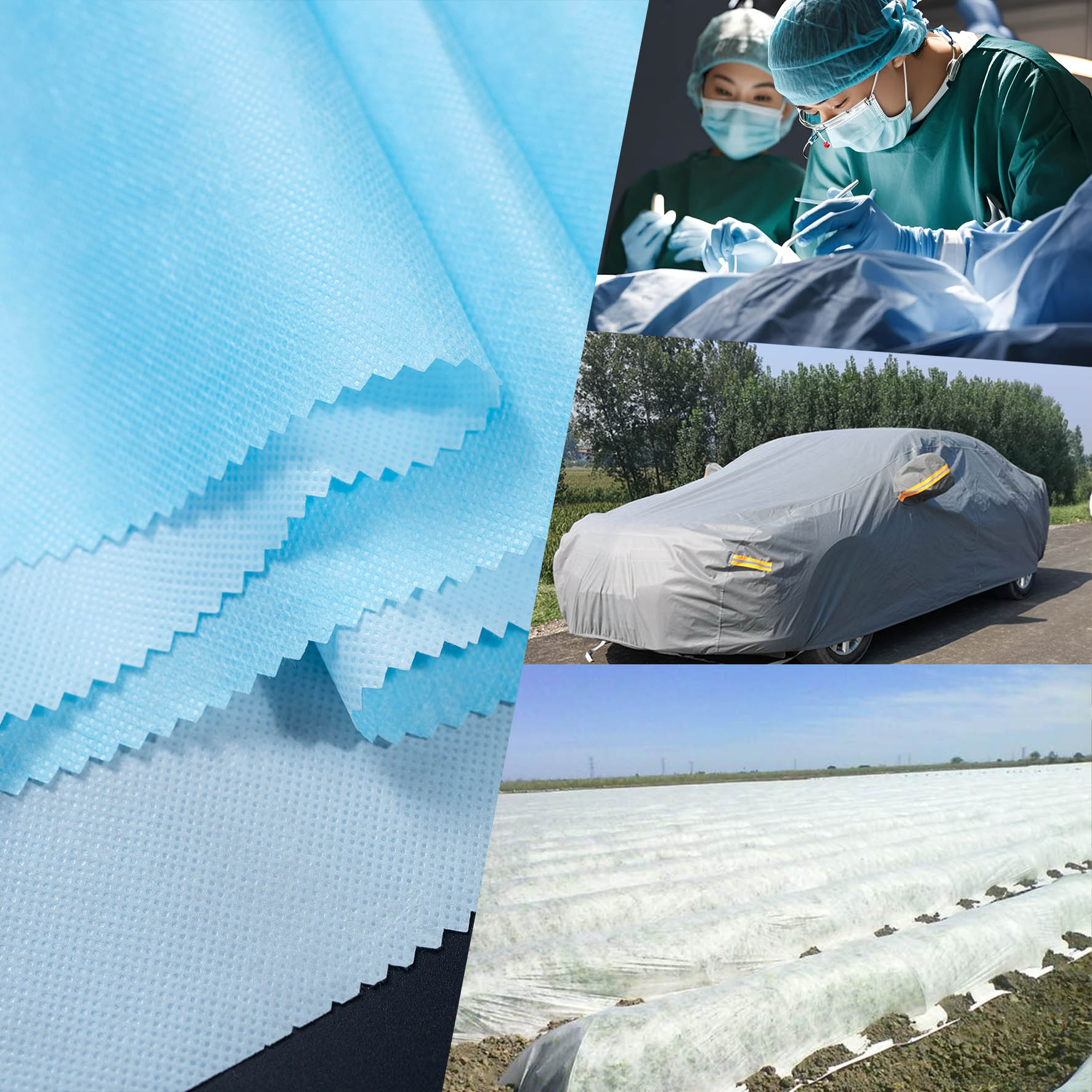
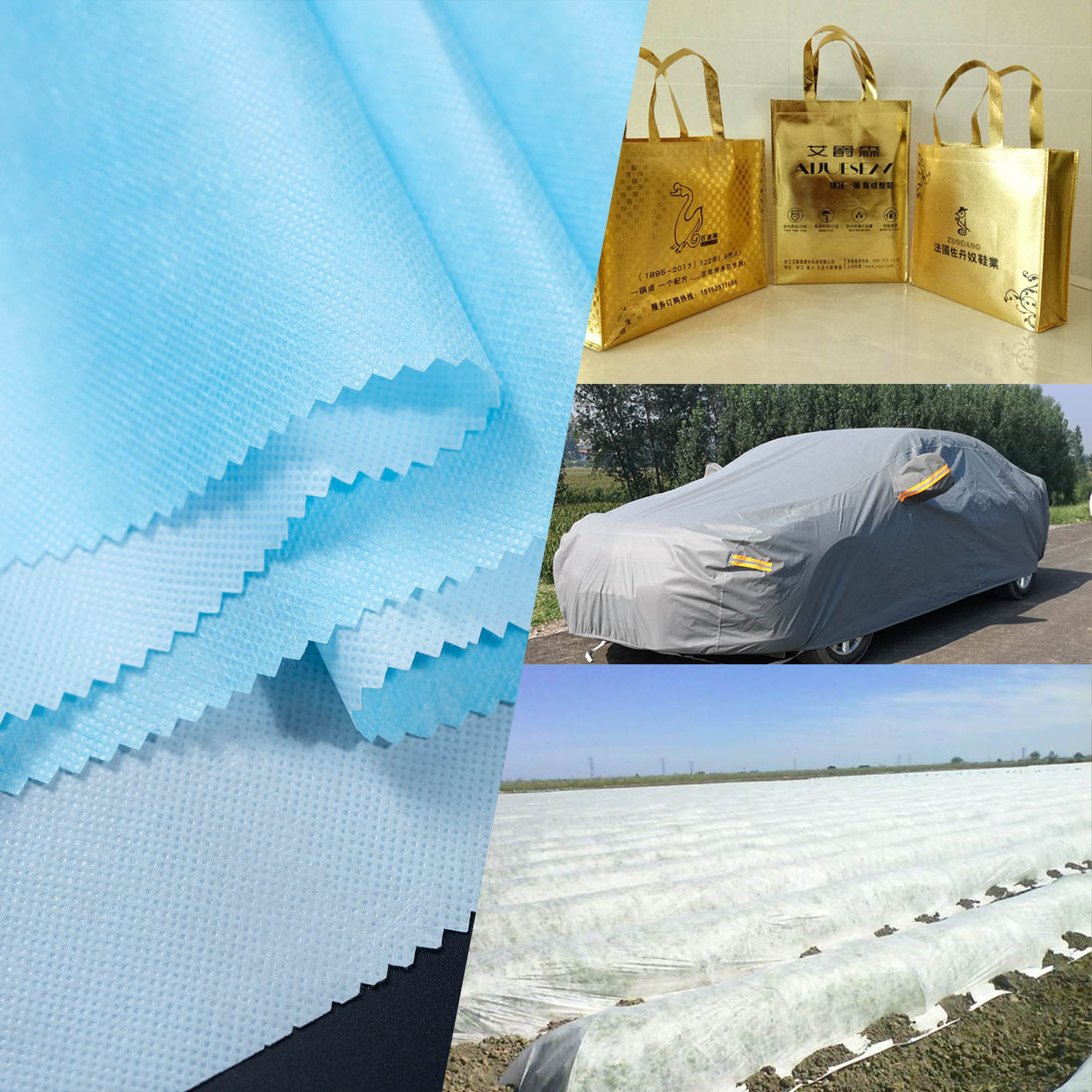
Laminated non woven fabric is widely used in many industries where protection, durability, or special performance is needed. By combining nonwoven fabric with other functional layers, laminated materials offer properties that a single layer cannot provide.
In this article, we’ll explain what laminated non woven fabric is, how it’s made, the common types, and how it’s used in real applications.
What Is Laminated Nonwoven Fabric?
Laminated nonwoven fabric is created by bonding a nonwoven base fabric with one or more additional layers. These layers may be films, membranes, or coatings, depending on the intended function.
The lamination process improves performance such as:
-
Water resistance
-
Strength
-
Barrier protection
-
Surface appearance
The nonwoven layer provides structure, while the laminated layer adds specific functions.
How Is Laminated Non woven Fabric Made?
Lamination usually involves heat, pressure, or adhesive bonding.
Common methods include:
-
Hot melt adhesive lamination
-
Thermal lamination
-
Film or membrane bonding
The method is selected based on material compatibility and final use requirements.
Common Structures of Laminated Non woven Fabric
Nonwoven + Film
This structure is often used for waterproof or non-breathable applications. The film layer blocks liquids and particles.
Nonwoven + Breathable Membrane
Allows air and moisture vapor to pass while blocking liquids. Suitable for hygiene and medical products.
Multi-Layer Laminates
Combines several layers for enhanced performance, such as strength plus barrier protection.
Main Types of Laminated Non woven Fabric
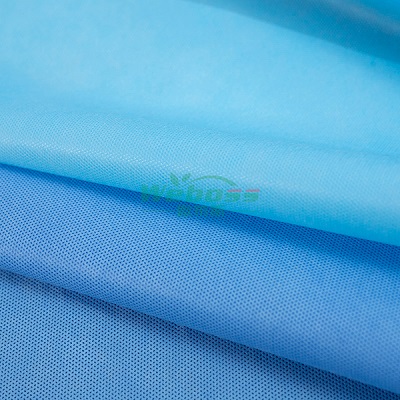
Spunbond Laminated Non woven Fabric
-
Strong and durable
-
Good tensile strength
-
Widely used in medical and industrial applications
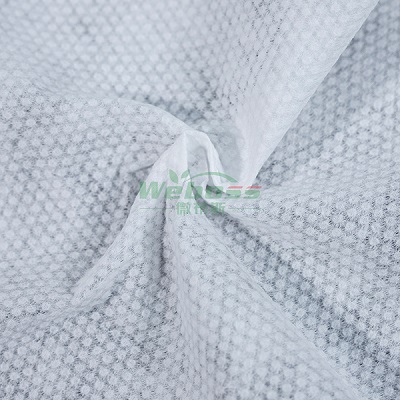
Spunlace Laminated Non woven Fabric
-
Soft and comfortable
-
Better drape
-
Used where skin contact is important
Composite Laminated Non woven Fabric
-
Combines different nonwoven technologies
-
Designed for specific performance needs
Key Features of Laminated Non woven Fabric
Improved Protection
Lamination adds resistance to liquids, dust, and external elements.
Enhanced Strength
Multiple layers improve tear resistance and durability.
Functional Flexibility
Different layers can be combined to meet specific needs.
Controlled Breathability
Some laminates are breathable, others are fully sealed.
Where Is Laminated Nonwoven Fabric Used?
Medical and Hygiene Products
Used in surgical gowns, protective clothing, and hygiene materials.
Protective Apparel
Provides barrier protection while maintaining comfort.
Industrial Applications
Used as protective covers, filters, and insulation materials.
Home and Furniture
Applied in mattress covers, upholstery backing, and protective layers.
Breathable vs Non-Breathable Laminated Nonwoven Fabric
Breathable Laminates
-
Allow moisture vapor to escape
-
Improve comfort
-
Used in garments and hygiene products
Non-Breathable Laminates
-
Fully block liquids
-
Used for protection and containment
Choosing the right type depends on the balance between protection and comfort.
How to Choose the Right Laminated Nonwoven Fabric
Define the End Use
Understand whether protection, comfort, or durability is the priority.
Select the Right Base Nonwoven
Spunbond for strength, spunlace for softness, or composite for special needs.
Check Lamination Method
Different bonding methods affect flexibility and performance.
Test Performance
Always test for strength, barrier performance, and durability before mass use.
Common Issues and How to Avoid Them
-
Delamination: poor bonding or incompatible materials
-
Stiff Hand Feel: too many layers or thick films
-
Poor Breathability: incorrect membrane selection
Proper material matching and testing help avoid these problems.
FAQ
Q1: Is laminated nonwoven fabric waterproof?
Some types are waterproof, while others are breathable. It depends on the laminated layer.
Q2: Can laminated nonwoven fabric be used for garments?
Yes, especially breathable laminates used in protective or functional clothing.
Q3: Is laminated nonwoven fabric reusable?
It depends on the structure and application. Some are designed for single use.
Q4: Can laminated nonwoven fabric be customized?
Yes, layers and performance can be adjusted based on requirements.
Why Choose Shanghai Weboss New Material Technology Co.,Ltd
-
Wide Range of Laminated Nonwoven Solutions
Breathable and non-breathable structures available. -
Material Selection Expertise
Guidance based on real application needs. -
Stable Quality Control
Consistent bonding strength and layer performance. -
Flexible Customization
Weight, structure, and lamination options available. -
Export Experience
Reliable supply and professional communication.
continue reading
Related Posts

This article explains laminated nonwoven fabric, its structure, materials, functions, applications, and how to choose the right option for different uses.

Spunmelt nonwoven fabric is a multi-layered material combining spunbond and meltblown technologies to deliver strength, breathability, and barrier performance. Manufactured through polymer extrusion, web formation, bonding, and finishing, spunmelt fabrics can feature hydrophilic, anti-bacterial, anti-static, and “Three-Anti” treatments.
-
Spunlace nonwoven fabric is a mechanically bonded material produced by entangling fibers with high-pressure water jets rather than thermal or chemical bonding.