What Is PLA Non Woven Fabric and How to Choose the Right Type?
What Is PLA Non Woven Fabric and How to Choose the Right Type?
What Is PLA Non Woven Fabric?
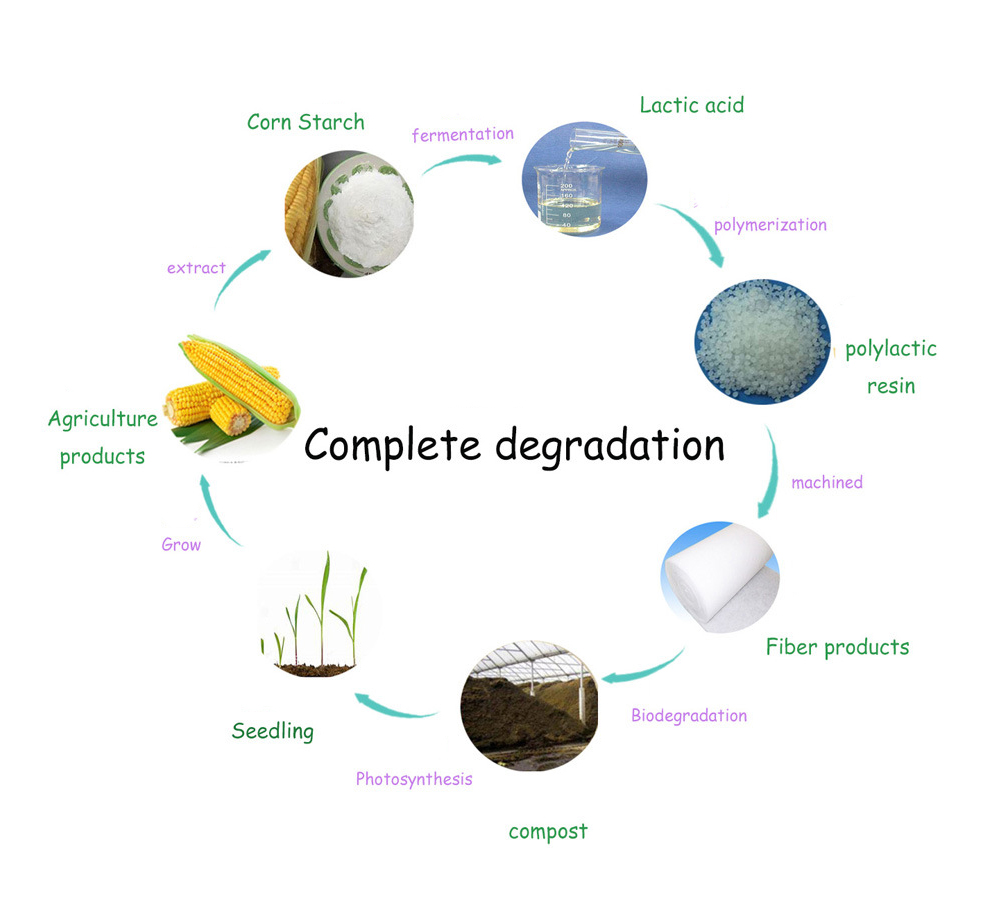
PLA non woven fabric is a type of nonwoven material made from polylactic acid (PLA), which is derived from renewable resources like corn starch or sugarcane.
To put it simply, it’s a plant-based alternative to traditional polypropylene (PP) nonwoven fabric.
Instead of relying on petroleum-based materials, PLA fabric is designed for customers who are looking for:
-
Eco-friendly solutions
-
Biodegradable materials
-
Sustainable product options
This is why more and more buyers—especially in Europe and North America—are starting to switch to PLA-based products.
Why Are More Buyers Choosing PLA Non Woven Fabric?
1. Biodegradable and Compostable
PLA can break down under industrial composting conditions, which helps reduce environmental impact.
👉 This is especially important if your product is disposable, like wipes or packaging.
2. Made from Renewable Resources
Unlike PP fabric, PLA comes from plants.
That means:
-
Lower carbon footprint
-
Less dependence on fossil fuels
3. Skin-Friendly and Safe
PLA fibers are generally soft and suitable for:
-
Hygiene products
-
Medical use
-
Direct skin contact
4. Good Breathability
PLA nonwoven materials maintain decent air permeability, making them suitable for:
-
Masks
-
Wipes
-
Packaging
What Types of PLA Nonwoven Fabric Are Available?
There are several types of PLA non woven fabric, depending on the production process.
At Weboss, we mainly supply:
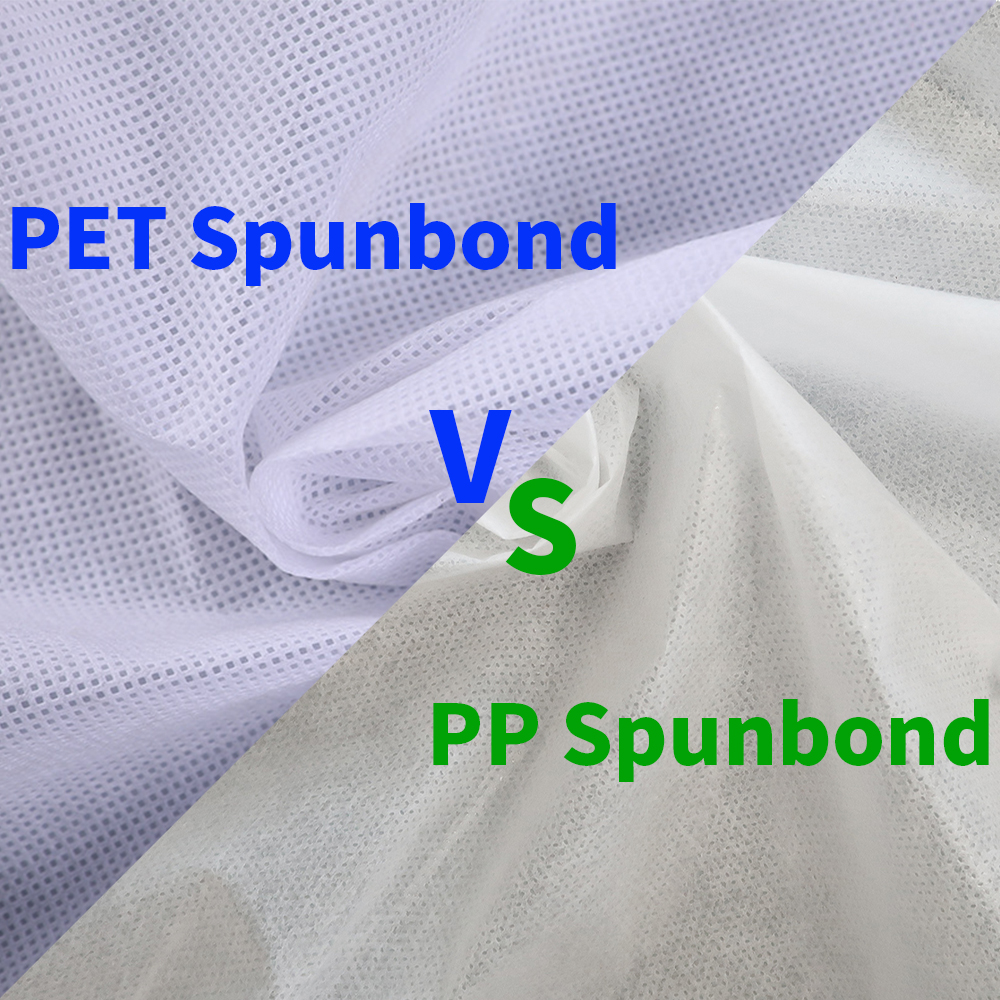
1. PLA Spunbond Nonwoven Fabric
This is one of the most common types.
Features:
-
Strong and durable
-
Uniform structure
-
Cost-effective
Typical uses:
-
Shopping bags
-
Agricultural covers
-
Packaging materials
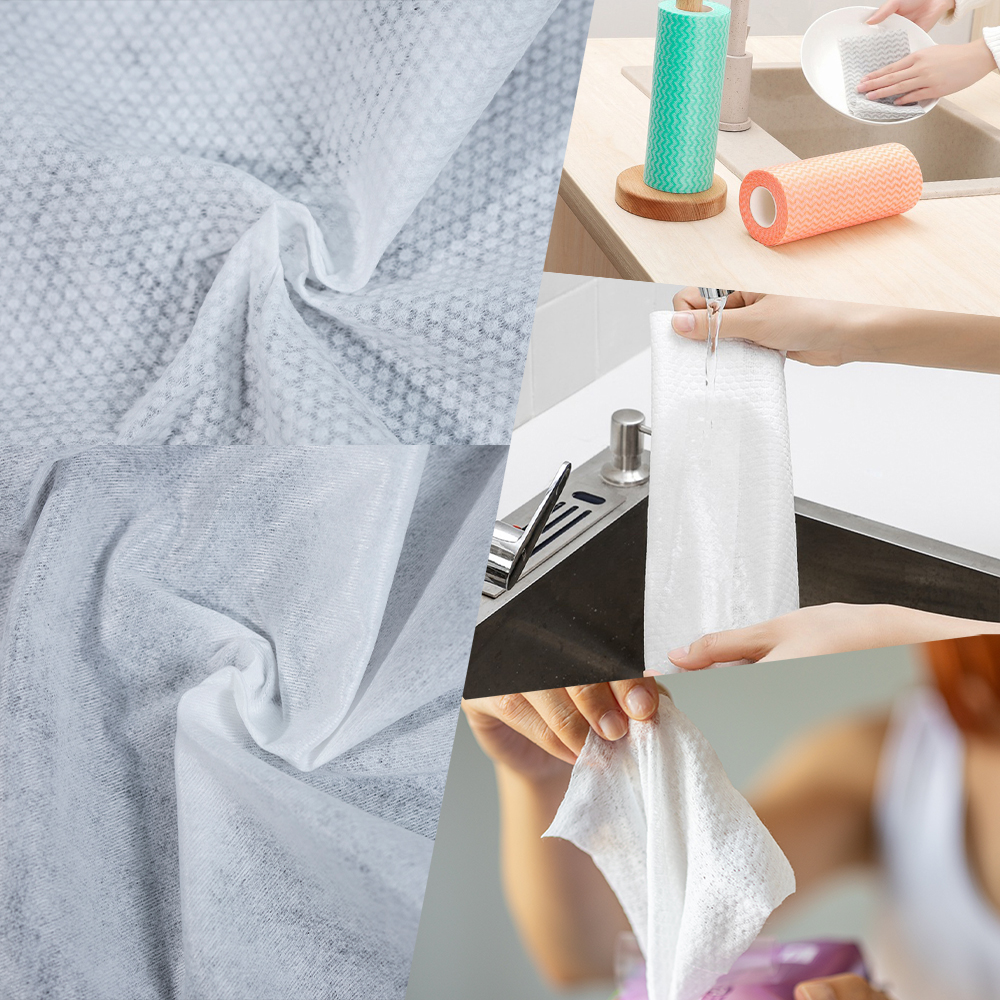
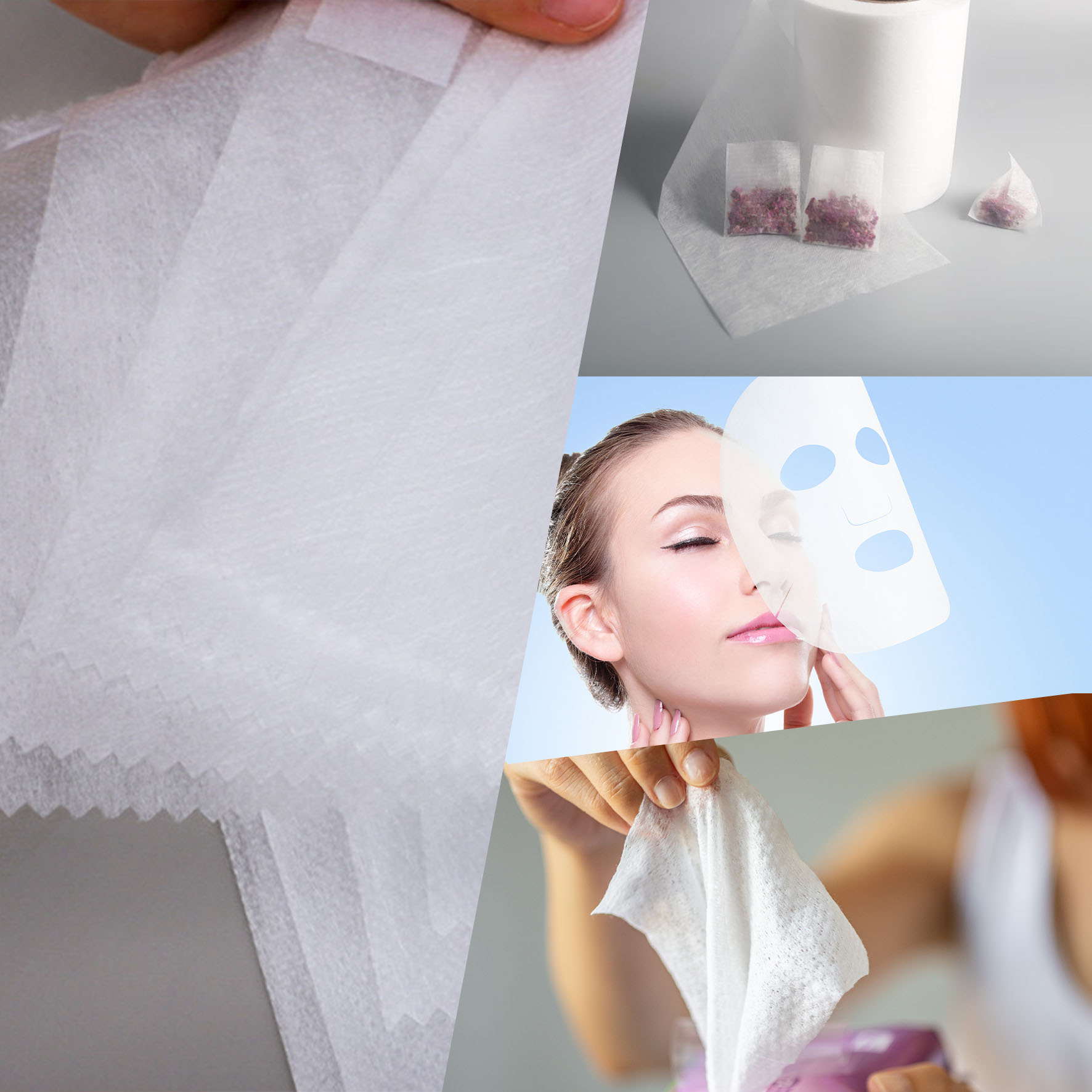
2. PLA Spunlace Nonwoven Fabric
This type is made using high-pressure water jets.
Features:
-
Very soft
-
Cloth-like feel
-
Good absorbency
Typical uses:
-
Wet wipes
-
Facial masks
-
Medical wipes
3. Other Types of PLA Nonwoven Fabric
Although less common, PLA can also be made into:
-
PLA Meltblown Nonwoven
-
Fine fibers
-
Used for filtration
-
-
PLA Needle Punched Nonwoven
-
Thicker and stronger
-
Used in industrial applications
-
-
PLA Composite Nonwoven
-
Multi-layer structures
-
Customized for specific uses
-
👉 If you’re not sure which type fits your product, it’s better to decide based on end use and required performance.
PLA Nonwoven Fabric vs Traditional PP Nonwoven
Here’s a simple comparison to help you understand the difference:
| Feature | PLA Non Woven Fabric | PP Nonwoven Fabric |
|---|---|---|
| Raw Material | Plant-based (corn, sugar) | Petroleum-based |
| Biodegradability | Yes (industrial compost) | No |
| Environmental Impact | Lower | Higher |
| Cost | Higher | Lower |
| Strength | Moderate | Good |
| Applications | Eco products, hygiene | General-purpose |
👉 If your market requires sustainability, PLA is the better choice.
👉 If cost is your priority, PP may still be more suitable.
How to Choose the Right PLA Non Woven Fabric?
This is where many buyers feel confused. You don’t need to overcomplicate it—just focus on these key points:
1. What Is Your Application?
Different uses require different materials:
-
Wipes → Spunlace
-
Bags → Spunbond
-
Filtration → Meltblown
👉 Always start from your product, not from the material.
2. Do You Need Softness or Strength?
-
If you need softness → choose spunlace
-
If you need strength → choose spunbond
3. What GSM Do You Need?
GSM (grams per square meter) affects:
-
Thickness
-
Strength
-
Cost
Typical ranges:
-
Wipes: 30–80 gsm
-
Bags: 50–100 gsm
4. Is Certification Required?
Some markets require:
-
Compostability certificates
-
Food contact safety
👉 This is very important for export, especially to Europe.
5. Budget Consideration
PLA is usually more expensive than PP.
So you need to balance:
-
Environmental requirements
-
Target market
-
Product positioning
Common Applications of PLA Non Woven Fabric
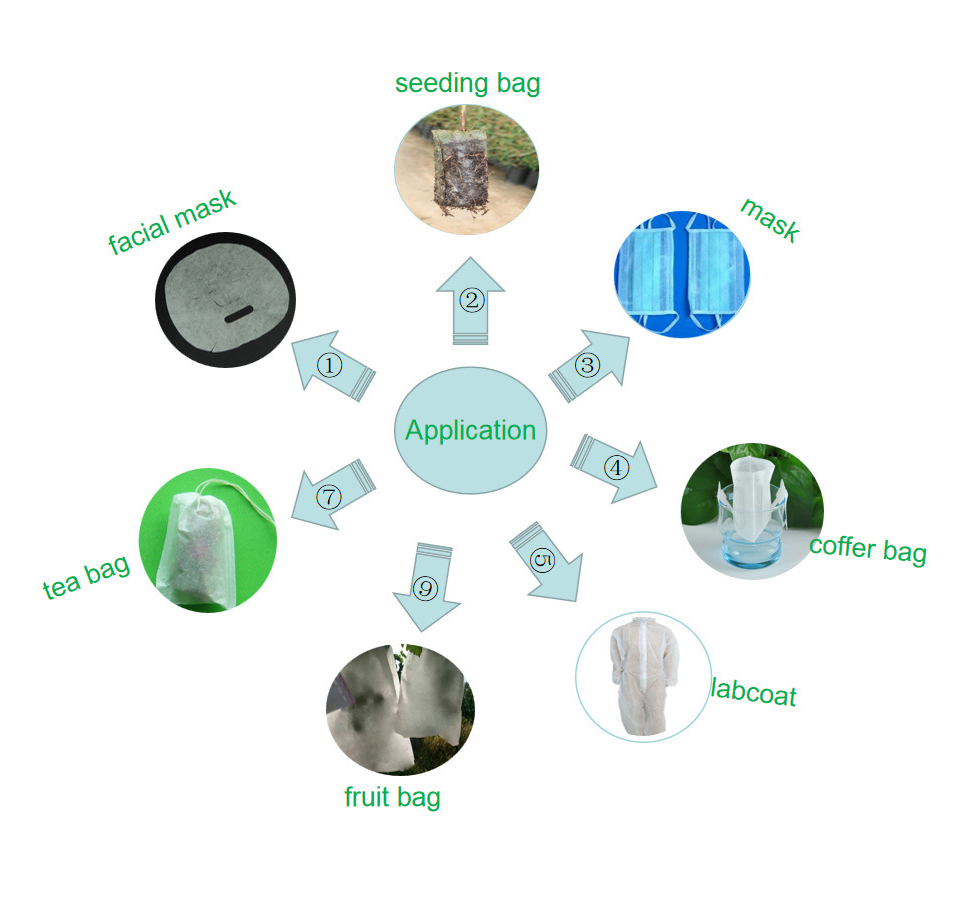
PLA nonwoven is widely used in:
-
Wet wipes
-
Disposable towels
-
Medical products
-
Eco-friendly packaging
-
Agriculture covers
-
Shopping bags
👉 Basically, anywhere you want a disposable but sustainable material
FAQ About PLA Non Woven Fabric
1. Is PLA nonwoven fabric really biodegradable?
Yes, but mainly under industrial composting conditions. It may not fully degrade in normal landfill.
2. Is PLA fabric safe for skin contact?
Yes, it is generally considered safe and suitable for hygiene products.
3. Can PLA replace PP nonwoven completely?
Not completely yet. PLA is more eco-friendly, but cost and performance still limit some applications.
4. What is the difference between PLA spunbond and spunlace?
Spunbond is stronger and cheaper, while spunlace is softer and more suitable for wipes.
5. Is PLA non woven fabric waterproof?
It is not naturally waterproof, but it can be treated or laminated.
6. What certifications are needed for PLA products?
Common ones include compostability certifications and safety standards depending on the market.
7. Is PLA more expensive than PP?
Yes, usually higher due to raw material and production cost.
8. Can PLA nonwoven be customized?
Yes, including GSM, width, color, and finishing.
Why Choose Weboss as Your PLA Non Woven Fabric Supplier?
At Weboss, we understand that buyers are not just looking for materials—they need reliable solutions.
Here’s what we offer:
-
10+ years of experience in nonwoven export
-
Full range of products:
-
PLA spunbond
-
PLA spunlace
-
Other customized PLA nonwoven
-
-
Strict quality control and testing support
-
Flexible customization (GSM, width, application-based solutions)
-
Stable supply and professional export service
-
Support for documents, shipping, and global delivery
👉 Whether you are testing a new eco product or scaling production, we can help you choose the right solution.
Contact Us
If you are looking for a reliable PLA non woven fabric supplier, feel free to contact us:
-
TEL: +86-21-33608891
-
FAX: +86-21-33608892
-
Email: info@webosstex.com
continue reading
Related Posts

Spunlace non woven fabric for cleaning is a soft, absorbent, and lint-free material widely used for wipes, industrial cleaning, and household use
-
PET spunbond non woven fabric vs PP spunbond non woven fabric differ in strength, heat resistance, cost, and applications.

PLA non woven fabric is a biodegradable material made from plant-based fibers, widely used in hygiene, medical, and eco-friendly applications.