What Should Know About Spunlace Nonwoven Fabric for Facial Masks?
What Should You Know About Spunlace Nonwoven Fabric for Facial Masks?
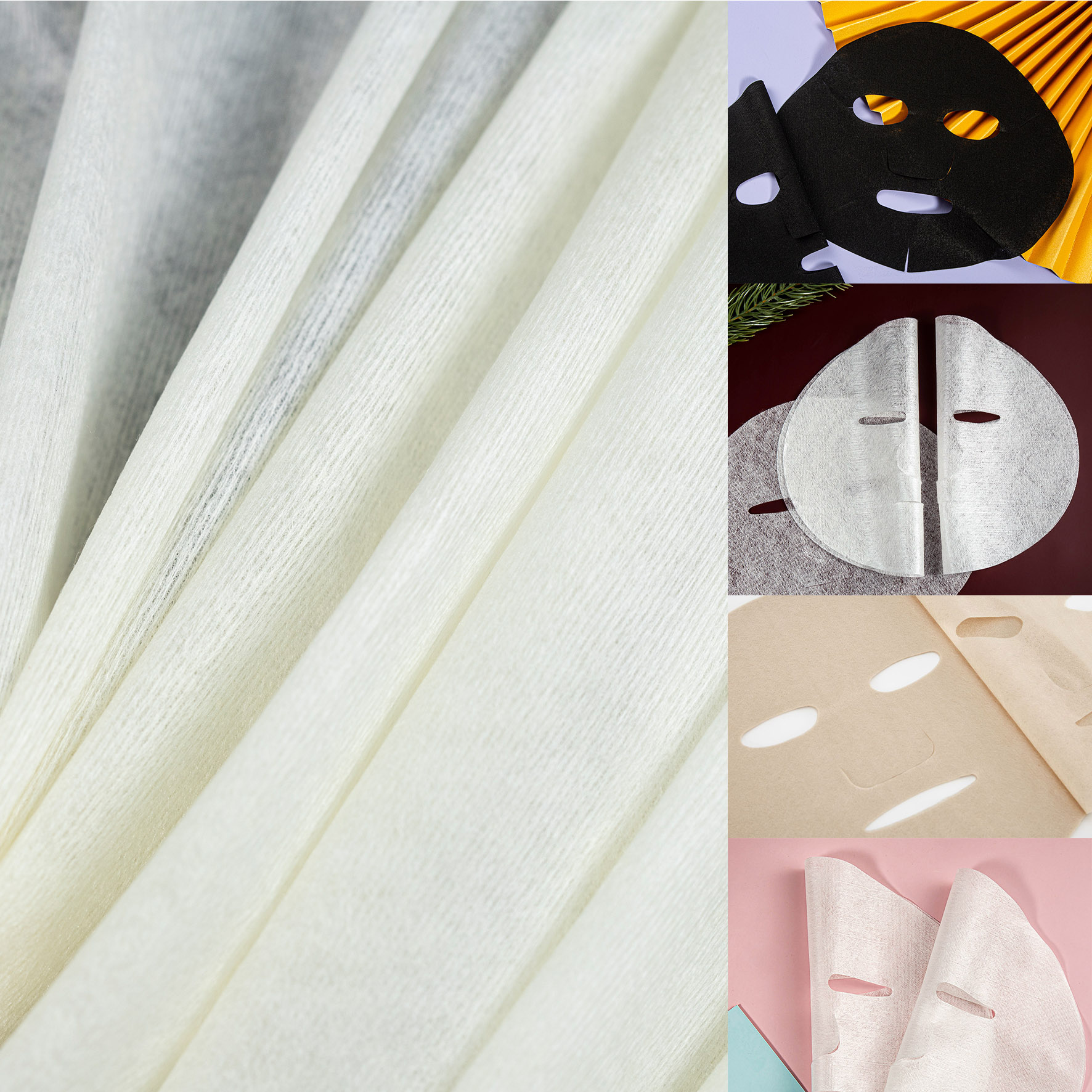
Spunlace nonwoven fabric is one of the most common materials used for facial sheet masks. What makes it special is the soft feel, good absorbency, and skin-friendly nature. But not all spunlace mask fabrics are the same. They come in many different fiber types, and each one affects how the mask holds essence, fits the face, and feels on the skin. This article breaks down the main materials used in spunlace facial mask fabric and explains how they perform in real use.
What Is Spunlace Nonwoven Fabric for Facial Masks?
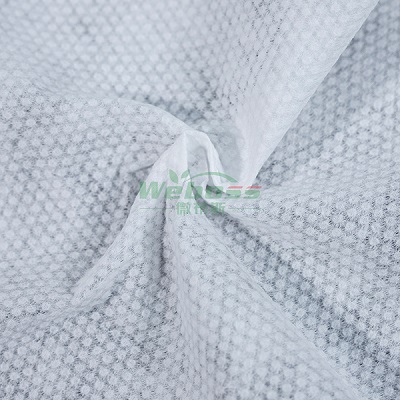
Spunlace nonwoven fabric is made by using high-pressure water jets to entangle fibers together.
This process creates a soft, breathable, and lint-free fabric that works well for skin-contact applications, especially facial masks.
For beauty products, the key advantages are:
-
gentle on the skin
-
good liquid absorption
-
thin yet strong
-
fits the face without stiffness
The final performance depends heavily on which fiber is used.
What Materials Are Used in Spunlace Mask Fabric?
Below are the most common fibers found in cosmetic-grade spunlace nonwoven fabric.
1. Viscose Spunlace (Rayon)
Features:
-
Soft, smooth, and comfortable
-
High absorbency
-
Good transparency when soaked
Why it’s popular:
Rayon is widely used because it holds a large amount of essence and feels cool and gentle on the skin.
2. Tencel Spunlace (Lyocell)
Features:
-
Made from wood pulp
-
Naturally smooth and skin-friendly
-
Good strength even when wet
Benefits:
Tencel has a “silky” feel and stays stable when fully soaked. It’s often used for mid-to-high-end mask sheets.
3. Cotton Spunlace
Features:
-
Natural and breathable
-
Comfortable for sensitive skin
-
Stronger texture and less slippery than rayon
Use cases:
Great for brands that want a natural, simple, skin-comfort focused product.
4. Chitosan Fiber Spunlace
Features:
-
Derived from marine sources (usually shells)
-
Known for being gentle and skin-compatible
-
Often used in soothing or sensitive-skin masks
Why it’s special:
Chitosan fibers can help reduce irritation, making it a good option for recovery or calming formulas.
5. Banana Fiber Spunlace
Features:
-
Plant-based
-
Slightly textured feel
-
Good strength and absorbency
Market position:
Sometimes chosen for “natural concept” mask lines or eco-friendly themes.
6. Seaweed Fiber Spunlace
Features:
-
Contains natural marine ingredients
-
Soft and comfortable
-
Absorbs liquid well
Why brands like it:
Often used in hydrating and moisturizing masks due to its association with marine skincare.
7. Bamboo Fiber Spunlace
Features:
-
Natural fiber
-
Breathable and smooth
-
Good moisture absorption
Use cases:
Popular in “clean beauty” or environmentally conscious products.
8. Collagen Fiber Spunlace
Features:
-
Added collagen element
-
Soft, elastic feel
-
Enhanced skin-contact sensation
Benefits:
Used in mask lines focused on firming, elasticity, and hydration.
How Do These Materials Affect Mask Performance?
Absorbency
Rayon, Tencel, bamboo, and seaweed fibers all absorb liquid very well. Cotton absorbs less but feels more natural.
Skin Feel
Silky: Tencel, collagen fiber
Soft: Rayon, seaweed, bamboo
Natural texture: Cotton, banana fiber
Extra gentle: Chitosan fiber
Fit and Draping
Finer fibers like rayon and Tencel fit the face more closely. Cotton and banana fiber may feel slightly thicker.
Brand Positioning
Eco-friendly lines often choose bamboo, banana, or lyocell. Functional skincare may prefer chitosan or collagen fiber.
How Do You Choose the Right Mask Fabric?
Think about these factors:
-
Skin feel you want (silky, natural, cooling)
-
Essence thickness (thin liquids vs. viscous serums)
-
Brand image (natural, luxury, clinical)
-
Fabric transparency (some fibers turn see-through when wet)
-
Cost and production needs
Testing is important—different liquids behave differently on each type of spunlace fabric.
FAQ
Q1: Which material holds the most essence?
Rayon and Tencel usually provide the best absorption.
Q2: Which type is best for sensitive skin?
Chitosan, cotton, or bamboo spunlace are gentle and widely used for sensitive-skin formulas.
Q3: Are plant-based fibers stronger?
Not always—banana and bamboo fibers are strong, but Tencel has better wet strength overall.
Q4: Does the fabric affect the scent or formula?
Good-quality spunlace should not affect the smell or effectiveness of the skincare ingredients.
Why Choose Shanghai Uneed Textile Co., Ltd.?
-
Wide Material Options
Viscose, Tencel, cotton, bamboo, chitosan, collagen fiber, and more. -
Stable Cosmetic-Grade Quality
Fabrics tested for cleanliness, softness, absorbency, and skin contact safety. -
Custom GSM & Width
Available in different thicknesses and roll sizes for various mask filling machines. -
Consistent Export Supply
Professional packaging, stable production capacity, and reliable delivery. -
Technical Support
Recommendations based on your formula type, essence viscosity, and mask style.
continue reading
Related Posts

This article explains laminated nonwoven fabric, its structure, materials, functions, applications, and how to choose the right option for different uses.

Spunmelt nonwoven fabric is a multi-layered material combining spunbond and meltblown technologies to deliver strength, breathability, and barrier performance. Manufactured through polymer extrusion, web formation, bonding, and finishing, spunmelt fabrics can feature hydrophilic, anti-bacterial, anti-static, and “Three-Anti” treatments.
-
Spunlace nonwoven fabric is a mechanically bonded material produced by entangling fibers with high-pressure water jets rather than thermal or chemical bonding.