What Should You Know About PET Non Woven Fabric?
PET non woven fabric is widely used in many industries, from garments to industrial products. It is known for its strength, stability, and long service life. Compared with some natural fibers, PET-based nonwoven fabric performs better in demanding conditions. In this article, we’ll explain what PET nonwoven fabric is, how it’s made, and why it’s chosen for different applications.
What Is PET Nonwoven Fabric?
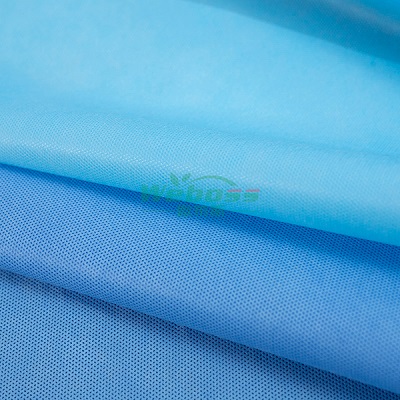
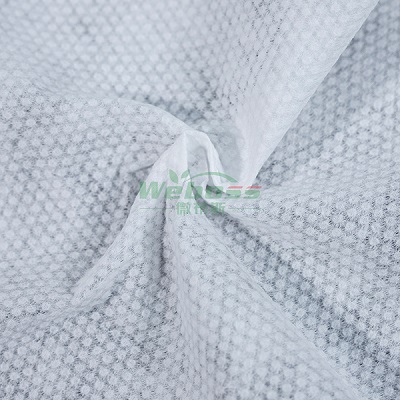
PET non woven fabric is made from polyethylene terephthalate fibers. These fibers are commonly used because they are strong, stable, and resistant to wear. Instead of being woven or knitted, the fibers are bonded together through different nonwoven processes.
The result is a fabric that looks simple but performs well in many practical uses.
How Is PET Nonwoven Fabric Made?
PET non woven fabric can be produced using different methods, depending on the required performance.
Spunbond Process
PET fibers are melted, extruded, and laid into a web, then bonded together. This creates a strong and uniform fabric.
Needle Punch Process
Fibers are mechanically entangled using needles, forming a thicker and more durable structure.
Thermal Bonding
Heat is applied to bond fibers together, improving stability and surface strength.
Each method gives the fabric different thickness, strength, and surface feel.
Key Features of PET Nonwoven Fabric
High Strength
PET fibers provide good tensile strength, making the fabric resistant to tearing.
Dimensional Stability
The fabric keeps its shape well, even after long-term use.
Good Heat Resistance
Compared with some other fibers, PET handles higher temperatures better.
Low Shrinkage
PET non woven fabric maintains size during processing and use.
Chemical Resistance
It performs well in contact with many common chemicals.
Where Is PET Nonwoven Fabric Commonly Used?
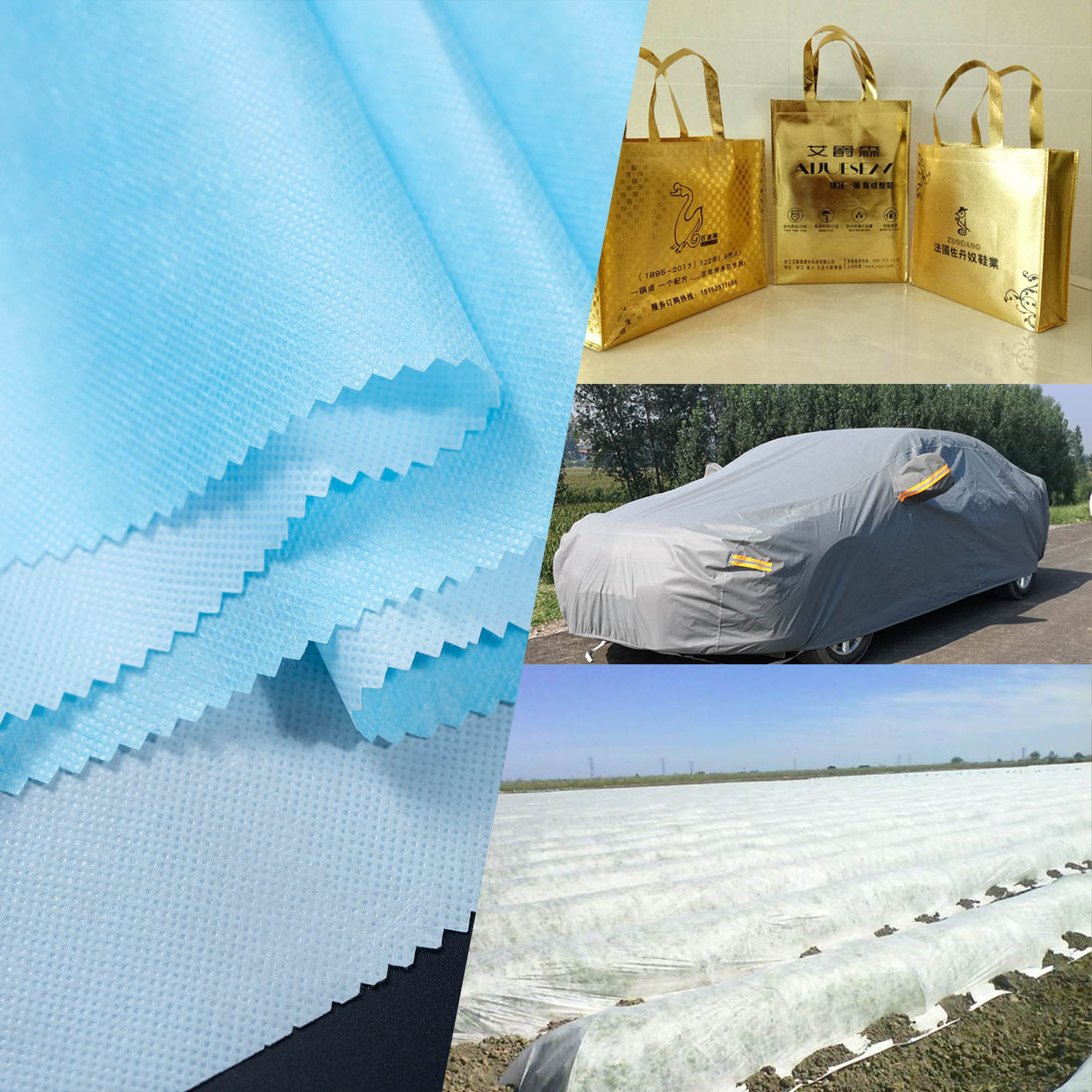
PET non woven fabric is chosen when durability and stability are important.
Garment Interlining
Used as base material for interlining that requires firmness and long-term shape retention.
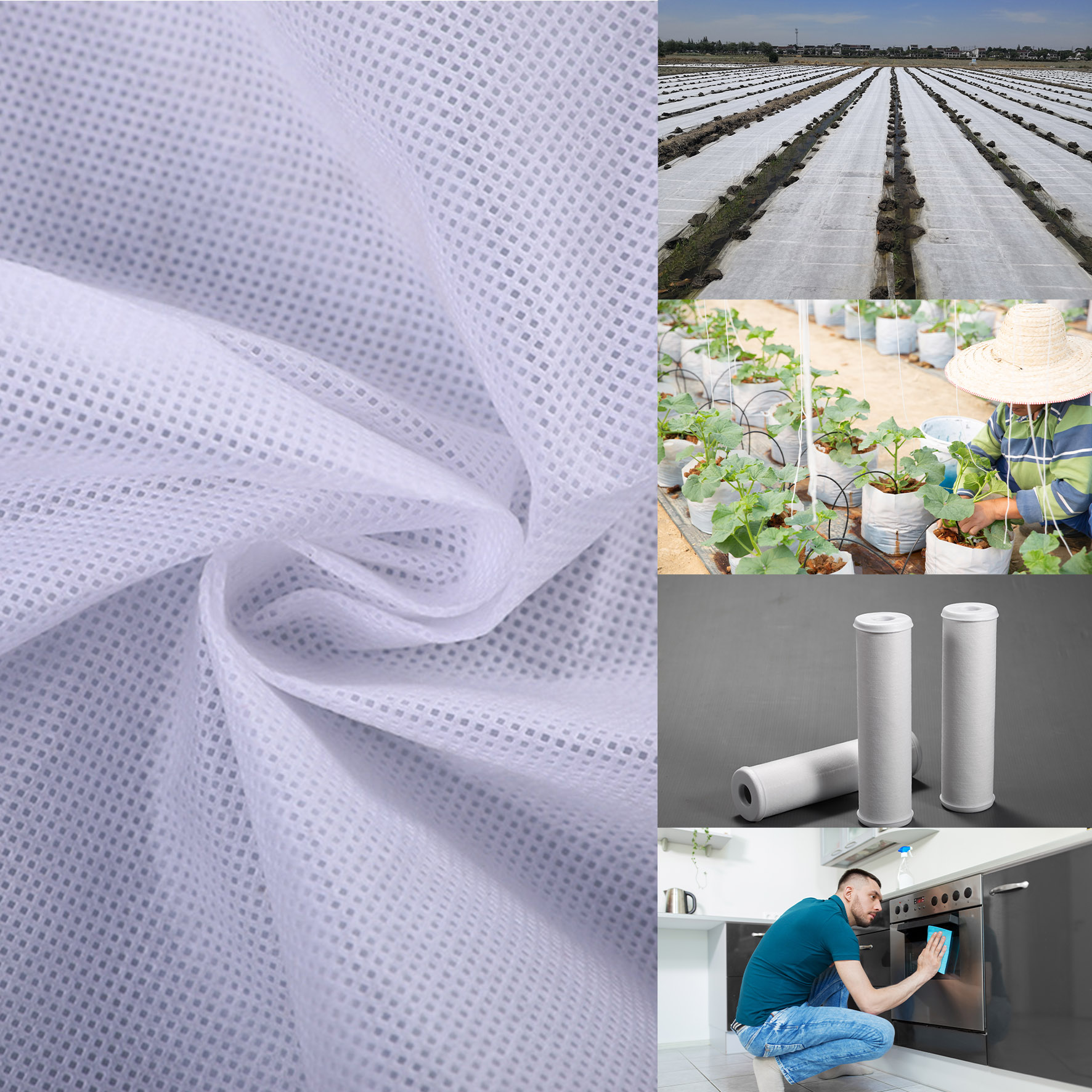
Industrial Applications
Suitable for filtration, insulation, and reinforcement materials.
Automotive Interior
Used in trunk liners, seat components, and sound insulation.
Home and Furniture
Applied in mattress layers, sofa lining, and protective layers.
Agricultural Use
Used as ground cover, plant protection, and separation layers.
PET Nonwoven Fabric Compared with Other Materials
Compared with PP Non woven Fabric
PET is stronger and more heat-resistant, while PP is lighter and more cost-effective.
Compared with Viscose Nonwoven Fabric
PET lasts longer and is more durable, while viscose is softer and more absorbent.
Compared with Natural Fibers
PET offers better consistency and longer service life.
How to Choose the Right PET Nonwoven Fabric
Define the Application
Different uses require different strength, thickness, and bonding methods.
Check Weight and Thickness
Higher GSM means stronger and thicker fabric.
Consider Surface Finish
Smooth or textured surfaces affect bonding and appearance.
Test Before Production
Always test the fabric under real use conditions.
FAQ
Q1: Is PET nonwoven fabric environmentally friendly?
PET can be recycled, and recycled PET fibers are widely used in nonwoven production.
Q2: Is PET non woven fabric waterproof?
It is not naturally waterproof but can be treated or laminated.
Q3: Can PET non woven fabric be used for clothing?
Yes, mainly as interlining or support material rather than direct skin contact.
Q4: Does PET non woven fabric shrink after washing?
High-quality PET nonwoven fabric has very low shrinkage.
Why Choose Shanghai Weboss New Material Technology Co.,Ltd
-
Professional Nonwoven Expertise
Strong experience in PET, PP, and composite nonwoven fabrics. -
Strict Quality Control
Testing for strength, thickness, heat resistance, and stability. -
Flexible Specifications
Different GSM, widths, colors, and bonding methods available. -
Reliable Export Service
Stable supply, clear communication, and on-time delivery. -
Technical Support
Practical advice for choosing the right material for your application.
continue reading
Related Posts

This article explains laminated nonwoven fabric, its structure, materials, functions, applications, and how to choose the right option for different uses.

Spunmelt nonwoven fabric is a multi-layered material combining spunbond and meltblown technologies to deliver strength, breathability, and barrier performance. Manufactured through polymer extrusion, web formation, bonding, and finishing, spunmelt fabrics can feature hydrophilic, anti-bacterial, anti-static, and “Three-Anti” treatments.
-
Spunlace nonwoven fabric is a mechanically bonded material produced by entangling fibers with high-pressure water jets rather than thermal or chemical bonding.