What Should You Know About PP Spunbond Non Woven Fabric?

PP spunbond non woven fabric is one of the most widely used nonwoven materials in the market. It is valued for its stable quality, wide application range, and cost efficiency. You can find it in packaging, agriculture, medical products, furniture, and many industrial uses. In this article, we’ll explain what PP spunbond nonwoven fabric is, how it’s made, and how it’s used in real applications.
What Does “PP Spunbond” Mean?
PP stands for polypropylene, a common plastic material known for being lightweight and durable.
Spunbond refers to the production process.
In simple terms, PP is melted, spun into long fibers, laid into a web, and then bonded together to form a fabric. The fibers are continuous, which gives spunbond fabric better strength compared with some other nonwoven types.
How Is PP Spunbond Non Woven Fabric Made?
The basic process includes:
-
PP raw material is melted
-
Fibers are spun and stretched
-
Fibers are laid evenly on a conveyor
-
Heat or pressure bonds the fibers together
This process allows for fast production and consistent quality, making it suitable for large-scale manufacturing.
Key Features of PP Spunbond Non Woven Fabric
Lightweight
PP spunbond fabric is light but still strong enough for many uses.
Good Strength
The continuous fibers help improve tear resistance.
Breathable
Air can pass through the fabric, which is important for comfort-related applications.
Water Resistant
PP itself does not absorb water easily.
Cost-Effective
Compared with many other materials, PP spunbond offers good performance at a reasonable cost.
Common Types of PP Spunbond Non Woven Fabric
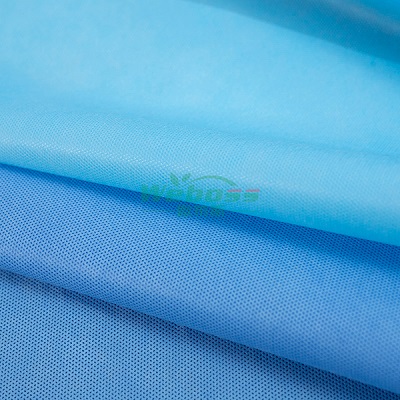
Single Layer (S)
Basic structure, widely used for packaging and general purposes.
Double Layer (SS)
Better strength and more uniform surface.
Triple Layer (SSS)
Softer feel and higher strength, often used where better performance is needed.
These structures are selected based on end use rather than appearance alone.
Where Is PP Spunbond Non Woven Fabric Used?
PP spunbond nonwoven fabric is used across many industries.
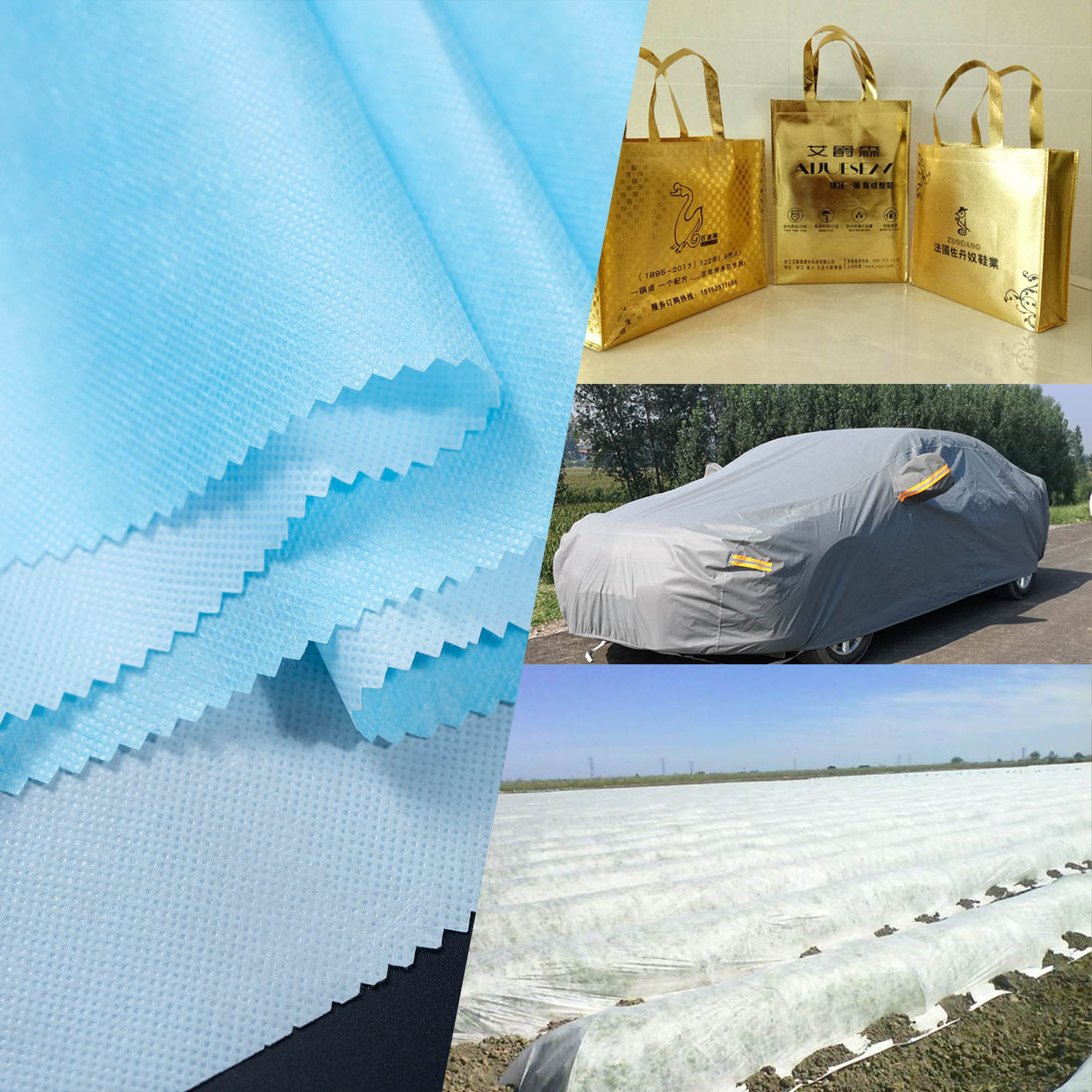
Medical and Hygiene Products
Used in disposable products such as gowns, caps, and covers where cleanliness and breathability matter.
Agriculture
Used as crop covers, weed control fabric, and plant protection layers.
Packaging
Commonly used for shopping bags, dust covers, and protective packaging.
Furniture and Home Use
Applied as sofa lining, mattress layers, and protective inner covers.
Industrial Applications
Used for filtration support, insulation layers, and reinforcement materials.
How GSM Affects Performance
GSM (grams per square meter) is one of the most important factors buyers consider.
-
Lower GSM: lighter, more breathable, lower cost
-
Higher GSM: stronger, thicker, more durable
Choosing the right GSM depends on how the fabric will be used.
PP Spunbond vs Other Non Woven Fabrics
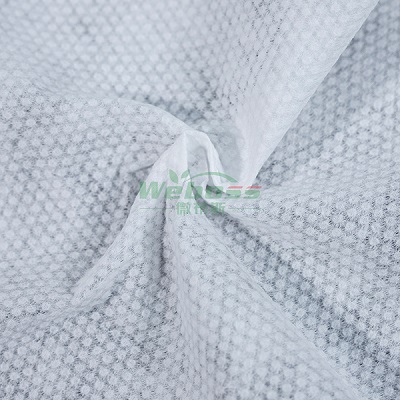
Compared with Spunlace
Spunbond is stronger and more cost-effective, while spunlace is softer and more absorbent.
Compared with Meltblown
Spunbond provides structure and strength, while meltblown focuses on filtration.
Compared with PET Nonwoven
PP is lighter and cheaper, PET is stronger and more heat-resistant.
How to Choose PP Spunbond Non Woven Fabric
Define the Application
Different uses require different thickness and strength.
Check Surface Feel
Some applications need a softer finish.
Confirm Color and Width
PP spunbond is available in many colors and roll widths.
Test Before Use
Always test the fabric in real conditions.
FAQ
Q1: Is PP spunbond non woven fabric waterproof?
It is water resistant but not fully waterproof unless treated or laminated.
Q2: Can PP spunbond fabric be recycled?
Yes, polypropylene is recyclable.
Q3: Is it safe for skin contact?
Yes, high-quality PP spunbond fabric is widely used in hygiene products.
Q4: Does PP spunbond fabric tear easily?
Tear resistance depends on GSM and structure.
Why Choose Shanghai Weboss New Material Technology Co.,Ltd.?
-
Wide Product Range
PP spunbond non woven fabric in S, SS, and SSS structures. -
Stable Quality Control
Consistent GSM, strength, and surface quality. -
Flexible Specifications
Custom width, color, and roll size available. -
Export-Oriented Service
Clear communication and reliable delivery. -
Practical Material Support
Advice based on real application needs.
continue reading
Related Posts

This article explains laminated nonwoven fabric, its structure, materials, functions, applications, and how to choose the right option for different uses.

Spunmelt nonwoven fabric is a multi-layered material combining spunbond and meltblown technologies to deliver strength, breathability, and barrier performance. Manufactured through polymer extrusion, web formation, bonding, and finishing, spunmelt fabrics can feature hydrophilic, anti-bacterial, anti-static, and “Three-Anti” treatments.
-
Spunlace nonwoven fabric is a mechanically bonded material produced by entangling fibers with high-pressure water jets rather than thermal or chemical bonding.