Why Is Nonwoven Geotextile Fabric Widely Used in Construction?
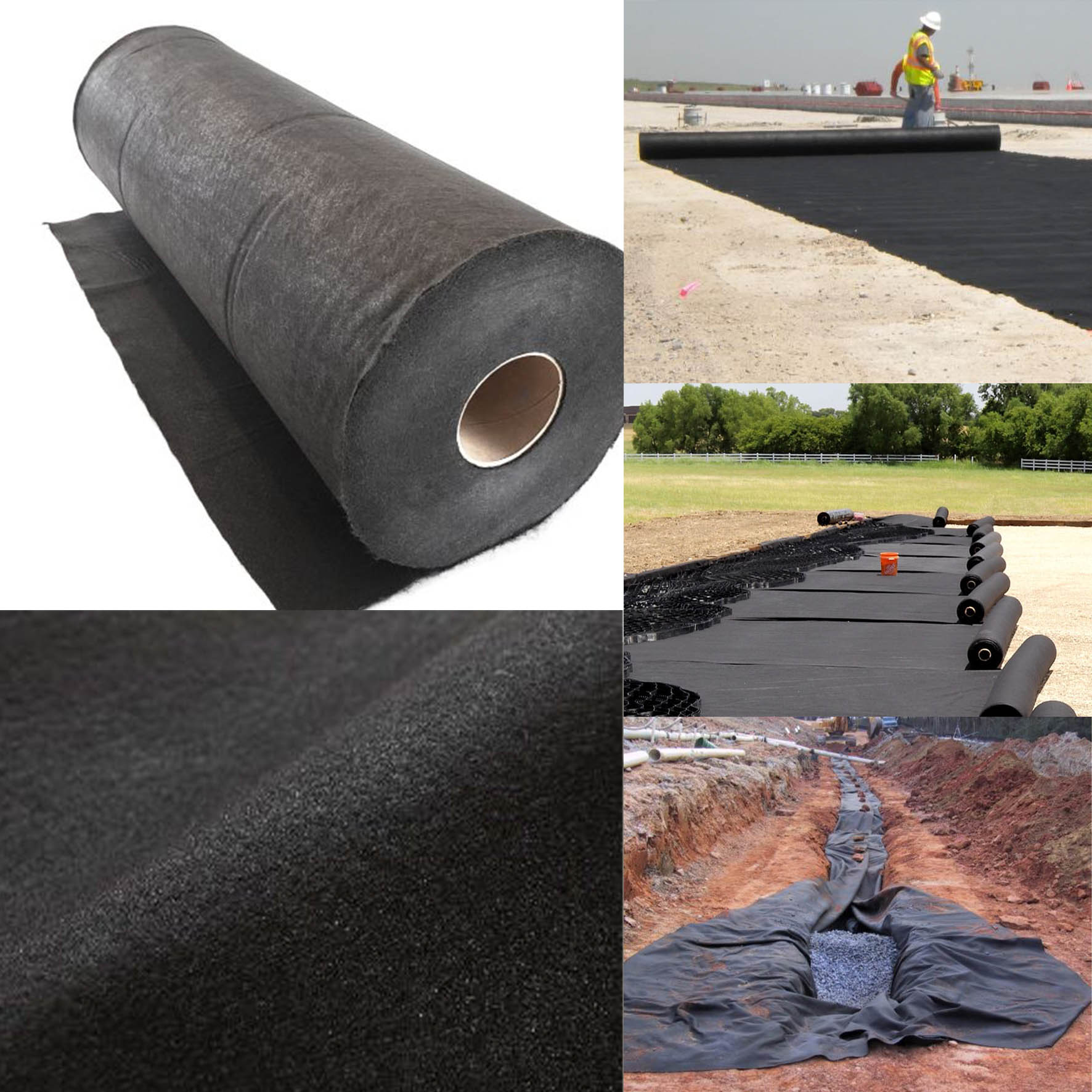
Nonwoven geotextile fabric is a common material in civil engineering and construction projects. Although it looks simple, it plays an important role in improving ground stability, drainage, and long-term performance. From road construction to drainage systems, this material is used in many practical applications.
This article explains what nonwoven geotextile fabric is, how it’s made, and why it’s so widely used.
What Is Nonwoven Geotextile Fabric?
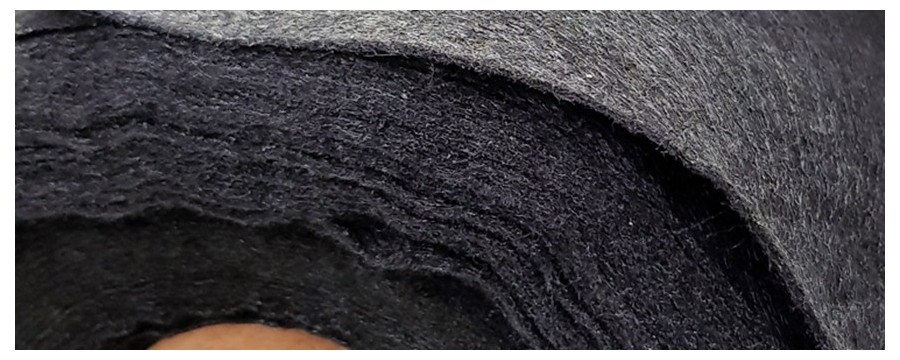
Nonwoven geotextile fabric is usually made through a needle-punching process. Fibers are mechanically bonded to form a strong and flexible fabric-like material.
The most common raw materials are:
-
Polyester (PET)
-
Polypropylene (PP)
These materials offer good strength, durability, and resistance to moisture and chemicals.
How Is Nonwoven Geotextile Fabric Made?
In needle-punched nonwoven geotextile fabric, fibers are entangled together using thousands of barbed needles. This process creates a thick and stable structure without using chemical binders.
The result is a fabric that:
-
Allows water to pass through
-
Blocks soil particles
-
Maintains structural integrity under pressure
Main Functions of Nonwoven Geotextile Fabric
Filtration
Allows water to flow while preventing soil and fine particles from passing through.
Separation
Keeps different soil layers from mixing, improving ground stability.
Drainage
Channels water away from structures and foundations.
Protection
Protects membranes or other materials from damage.
Why Use Polyester or Polypropylene?
Polyester (PET)
-
High tensile strength
-
Good resistance to stretching
-
Suitable for long-term applications
Polypropylene (PP)
-
Lightweight
-
Good chemical resistance
-
Common in drainage and separation applications
Material choice depends on project conditions and performance needs.
Common Applications of Nonwoven Geotextile Fabric
Road and Highway Construction
Used under pavement layers to improve load distribution and drainage.
Railway Projects
Prevents soil movement and maintains track stability.
Drainage Systems
Placed around pipes to prevent clogging.
Landscaping and Gardening
Used to separate soil layers and control weeds.
Erosion Control
Helps stabilize slopes and embankments.
Key Advantages of Non woven Geotextile Fabric
High Permeability
Allows water to pass freely while retaining soil.
Strong Adaptability
Fits uneven ground surfaces easily.
Durability
Resists rot, mold, and chemical exposure.
Easy Installation
Simple to cut and place on site.
Things to Consider When Choosing Non woven Geotextile Fabric
Weight and Thickness
Heavier fabrics provide more strength and protection.
Tensile Strength
Important for load-bearing applications.
Water Flow Rate
Must match drainage requirements.
Project Environment
Soil type, moisture level, and load conditions matter.
Testing and proper specification help ensure long-term performance.
Common Installation Tips
-
Prepare a smooth surface before laying the fabric
-
Avoid excessive stretching during installation
-
Overlap joints properly
-
Cover promptly to prevent UV exposure
Correct installation improves effectiveness.
FAQ
Q1: Is nonwoven geotextile fabric waterproof?
No, it allows water to pass through while blocking soil particles.
Q2: How long does it last underground?
High-quality materials are designed for long-term use.
Q3: Can it be used in drainage systems?
Yes, it’s commonly used for filtration and drainage.
Q4: Is it environmentally friendly?
It helps reduce material waste and improves project efficiency.
Why Choose Shanghai Weboss New Material Technology Co.,Ltd?
-
Reliable Raw Materials
PET and PP nonwoven geotextile options available. -
Stable Quality Control
Consistent weight, strength, and filtration performance. -
Application-Based Support
Guidance based on real project needs. -
Flexible Specifications
Different weights and widths available. -
Export Experience
Professional service for international markets.
continue reading
Related Posts

This article explains laminated nonwoven fabric, its structure, materials, functions, applications, and how to choose the right option for different uses.

Spunmelt nonwoven fabric is a multi-layered material combining spunbond and meltblown technologies to deliver strength, breathability, and barrier performance. Manufactured through polymer extrusion, web formation, bonding, and finishing, spunmelt fabrics can feature hydrophilic, anti-bacterial, anti-static, and “Three-Anti” treatments.
-
Spunlace nonwoven fabric is a mechanically bonded material produced by entangling fibers with high-pressure water jets rather than thermal or chemical bonding.