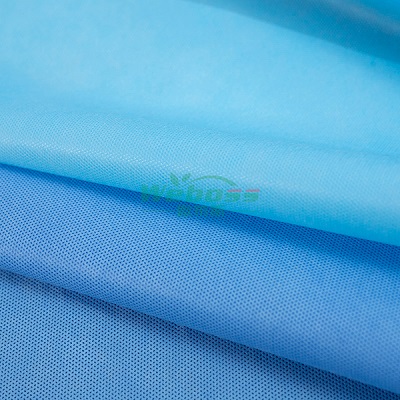
What Is Laminated Non Woven Fabric and Where Is It Used?
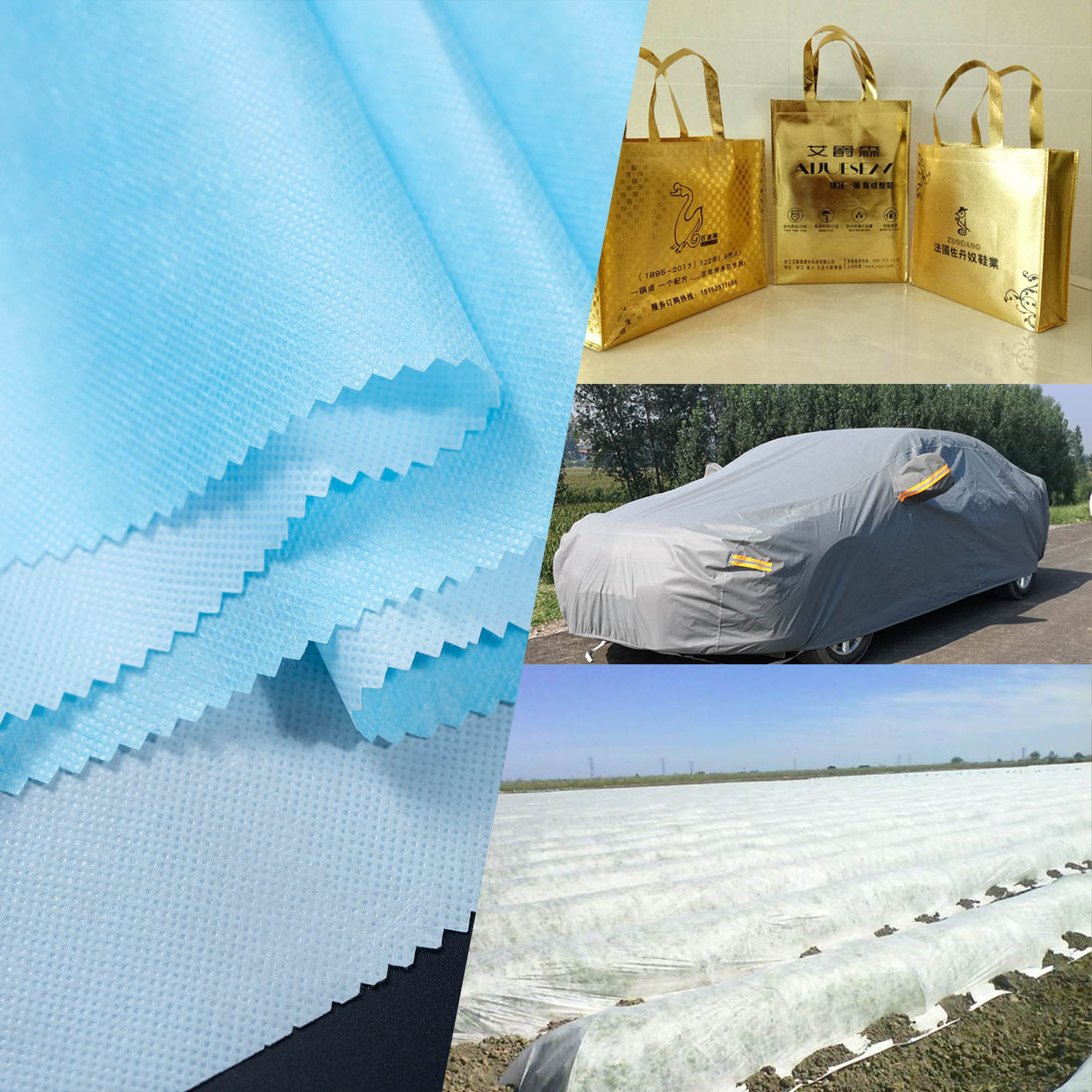
What Is Laminated Non Woven Fabric?
Laminated non woven fabric is a composite material made by bonding a functional layer onto a nonwoven base fabric.
The base nonwoven fabric provides basic strength, flexibility, and structure, while the laminated layer adds specific performance, such as waterproofing, barrier protection, or improved durability.
Unlike single-layer nonwoven fabric, laminated nonwoven fabric is designed for applications where one material alone is not enough. By combining layers, manufacturers can control performance more precisely according to real-use requirements.
Basic Structure of Laminated Non Woven Fabric
Most laminated non woven fabrics are made up of three key parts, each with a clear role.
-
Nonwoven base layer
This layer determines the basic strength, softness, and handling performance. It also affects breathability and thickness. -
Functional laminated layer
This layer provides added properties such as waterproofing, liquid resistance, or protection against dust and wind. -
Bonding method
The bonding process ensures the layers stay firmly attached without affecting performance or appearance.
Different combinations of these three elements create very different end products.
Common Nonwoven Base Fabrics
Choosing the right base fabric is the foundation of laminated nonwoven performance.
Spunbond Nonwoven Fabric
Spunbond non woven fabric is one of the most commonly used base materials.
-
Provides good tensile strength
-
Maintains stable structure during lamination
-
Suitable for large-scale production
It is widely used in protective clothing, packaging materials, and industrial applications where durability is required.
Spunlace Nonwoven Fabric
Spunlace nonwoven fabric is known for its softness and comfort.
-
Smooth surface with textile-like feel
-
High absorbency
-
Suitable for skin-contact products
This base fabric is often used in medical, hygiene, and personal care products where comfort matters.
Needle Punched Nonwoven Fabric
Needle punched nonwoven fabric is thicker and more robust.
-
High strength and dimensional stability
-
Good filtration and drainage performance
-
Suitable for heavy-duty use
It is commonly used in construction, agriculture, and industrial protection fields.
Common Laminated Materials
The laminated layer plays a key role in determining how the fabric performs in real use.
| Laminated Layer | Main Function | Typical Applications |
|---|---|---|
| PE Film | Strong waterproof and moisture barrier | Protective clothing, packaging |
| PU Membrane | Breathable while blocking liquids | Medical gowns, hygiene products |
| PP Film | Cost-effective barrier protection | Disposable products |
| Aluminum Film | Heat, light, and moisture resistance | Industrial insulation |
Each laminated material is chosen based on performance needs, cost considerations, and application environment.
Main Functions of Laminated Non Woven Fabric
Lamination significantly expands the function of nonwoven fabric.
-
Waterproof performance
Prevents liquid penetration in wet or humid environments. -
Barrier protection
Blocks dust, particles, and contaminants. -
Breathability control
Allows air flow while maintaining protection when breathable membranes are used. -
Improved durability
Enhances tear strength and service life. -
Environmental adaptability
Performs well in demanding industrial or outdoor conditions.
Where Is Laminated Non Woven Fabric Used?
Because of its versatility, laminated non woven fabric is used in many industries.
Medical and Hygiene
-
Surgical gowns
-
Protective clothing
-
Disposable bed sheets
These applications require a balance between protection and comfort.
Industrial Protection
-
Workwear
-
Equipment covers
-
Protective packaging
Here, strength and barrier performance are more important than softness.
Construction and Agriculture
-
Roofing underlayment
-
Ground covers
-
Moisture barriers
Laminated non woven fabric helps manage water and environmental exposure.
Consumer Products
-
Shopping bags
-
Furniture covers
-
Household protective items
Cost control and durability are key factors in this category.
Laminated vs Coated Non Woven Fabric
Although both improve performance, they differ in structure and application.
| Item | Laminated Nonwoven | Coated Nonwoven |
|---|---|---|
| Structure | Separate functional layer bonded | Liquid coating applied |
| Performance | More stable and consistent | More flexible |
| Durability | Higher | Moderate |
| Application | High-performance uses | Light protection |
How to Choose the Right Laminated Nonwoven Fabric
Buyers usually consider several practical factors:
-
Required waterproof or breathable level
-
Strength and thickness requirements
-
Comfort and hand feel
-
Usage environment
-
Budget and order volume
Testing samples under real conditions helps avoid performance issues later.
FAQ
Is laminated non woven fabric always waterproof?
Not always. Waterproof performance depends on the laminated layer used.
Can laminated non woven fabric be customized?
Yes. Base fabric type, laminated material, weight, and width can all be adjusted.
Is laminated non woven fabric suitable for reusable products?
Some types are designed for repeated use, depending on construction and application.
Why Choose Us for Laminated Nonwoven Fabric
-
Multiple base fabric and lamination options
-
Stable quality and reliable performance
-
Competitive pricing for export markets
-
Sampling and application matching support
-
Experience working with global customers
Contact Us
If you would like to learn more about our nonwoven fabric products or need support in choosing the right solution, feel free to contact us. Shanghai Weboss New Material Technology Co.,Ltd, Ltd is always happy to discuss your requirements and provide professional suggestions.
TEL: +86-21-33608891
FAX: +86-21-33608892
Email: info@uneed-tex.com
continue reading
Related Posts

This article explains non woven filter fabric, common types like meltblown, spunbond and spunlace, and how to choose the right material.

This article explains laminated nonwoven fabric, its structure, materials, functions, applications, and how to choose the right option for different uses.

Spunmelt nonwoven fabric is a multi-layered material combining spunbond and meltblown technologies to deliver strength, breathability, and barrier performance. Manufactured through polymer extrusion, web formation, bonding, and finishing, spunmelt fabrics can feature hydrophilic, anti-bacterial, anti-static, and “Three-Anti” treatments.