What Is Non Woven Filter Fabric and Which Type Is Best for Filtration?
What Is Non Woven Filter Fabric?
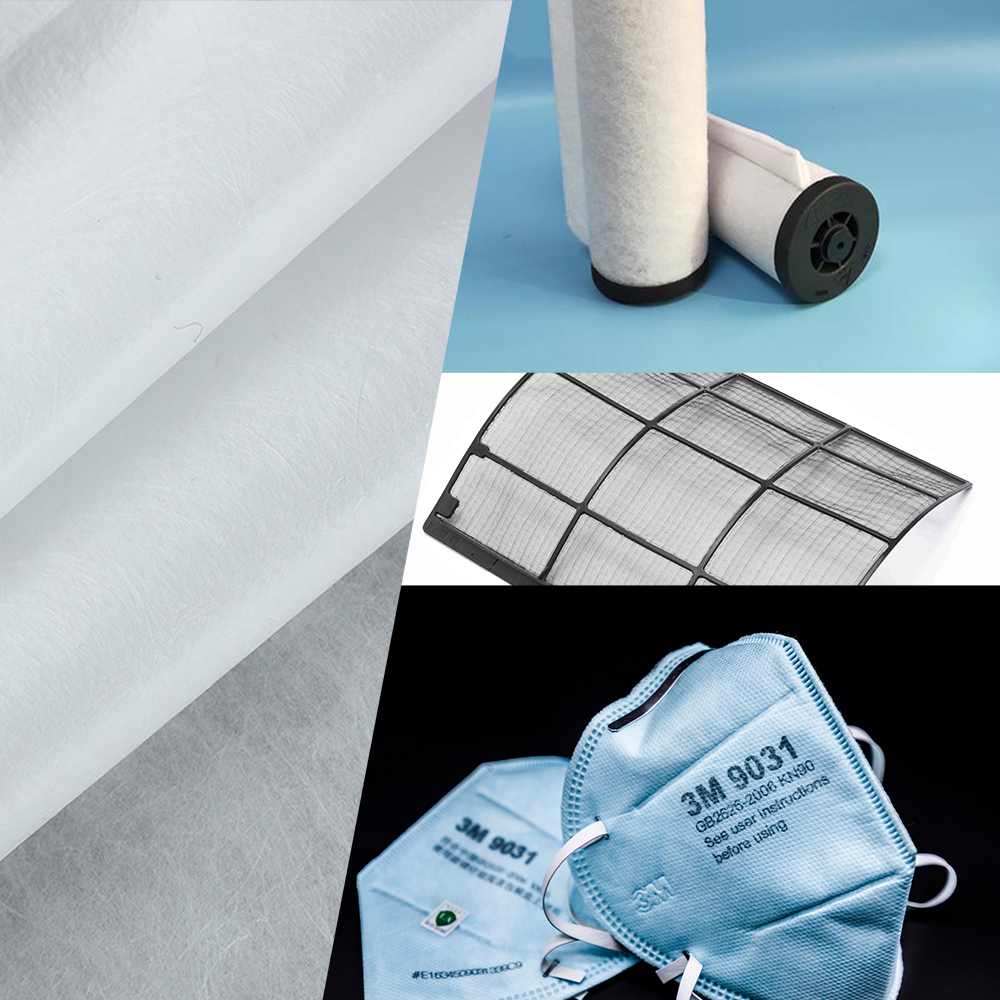
Non woven filter fabric is a type of nonwoven material designed to trap particles, dust, liquid impurities, or air pollutants.
In real applications, it’s used in:
-
Face masks
-
Air filters
-
Liquid filtration systems
-
Industrial dust collection
-
Automotive filtration
When people talk about filtration nonwoven, the first thing that usually comes to mind is meltblown nonwoven fabric. And that’s correct — meltblown plays a key role. But it’s not the only option.
Why Meltblown Nonwoven Is Commonly Used for Filtration
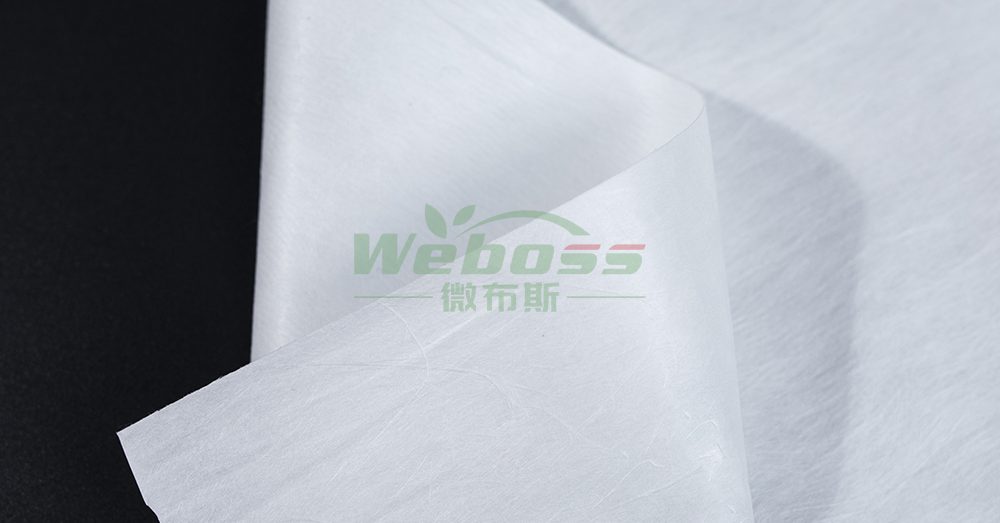
Meltblown nonwoven fabric is made by blowing melted polymer through very fine nozzles, creating extremely fine fibers.
These fine fibers create:
-
Small pore size
-
High surface area
-
Good particle capture ability
This is why meltblown is widely used in:
-
Mask filter layers
-
Air purifier filters
-
HVAC systems
-
Medical filtration materials
In mask production, for example, the middle layer is usually meltblown. That layer is responsible for actual filtration, not the outer spunbond layers.
Can Other Nonwoven Fabrics Be Used for Filtration?
Yes. Meltblown is important, but other nonwoven types also play a role depending on filtration level and structure requirements.
Spunbond Nonwoven Fabric
Spunbond has thicker fibers compared to meltblown.
It is often used as:
-
Support layer
-
Protective outer layer
-
Pre-filtration layer
In many filter products, spunbond is combined with meltblown to create SMS or similar composite structures.
Spunbond alone is not ideal for high-efficiency filtration, but it adds strength and durability.
Spunlace Nonwoven Fabric
Spunlace is softer and more textile-like.
It can be used for:
-
Liquid filtration
-
Wiping and filtering combined applications
-
Certain industrial filtration uses
However, it is less common for fine particle air filtration because fiber diameter is larger than meltblown.
Needle Punched Nonwoven Fabric
Needle punched nonwoven is thicker and stronger.
It is often used in:
-
Industrial dust collection
-
Automotive cabin air filters
-
Heavy-duty filtration systems
Its structure allows airflow while capturing larger particles.
Comparison of Common Nonwoven Filter Fabrics
| Type | Fiber Fineness | Filtration Efficiency | Typical Use |
|---|---|---|---|
| Meltblown | Very fine | High | Mask filters, air filters |
| Spunbond | Medium | Low to medium | Support layer |
| Spunlace | Medium | Medium (liquid) | Industrial filtration |
| Needle Punched | Coarse to medium | Medium | Dust collection |
In many real products, these materials are combined rather than used alone.
What Determines Filtration Performance?
Filtration efficiency is not decided by material type alone. It depends on:
-
Fiber diameter
-
Fabric weight (gsm)
-
Electrostatic treatment
-
Layer combination
-
Airflow resistance
For example, electrostatic meltblown can significantly increase particle capture without increasing thickness.
In mask production, testing is usually done for:
-
BFE (Bacterial Filtration Efficiency)
-
PFE (Particle Filtration Efficiency)
-
Air permeability
Factories normally test samples before confirming mass production.
Air Filtration vs Liquid Filtration
Not all filtration applications are the same.
Air filtration requires:
-
Fine fiber structure
-
Controlled airflow resistance
-
Stable electrostatic performance
Liquid filtration requires:
-
Chemical resistance
-
Wet strength
-
Controlled pore size
This is why material selection must be based on final use.
How to Choose the Right Non Woven Filter Fabric
In practical purchasing situations, buyers usually consider:
-
Required filtration efficiency level
-
Airflow resistance limit
-
Final product structure
-
Durability requirement
-
Cost target
For simple dust filtration, heavy meltblown may not be necessary.
For medical-grade masks, meltblown with electrostatic treatment is essential.
Testing samples under real working conditions is always recommended.
FAQ
Is meltblown always required for filtration?
Not always. It depends on required efficiency. For high-efficiency air filtration, yes. For simple dust blocking, other materials may work.
Can spunbond fabric filter air?
Yes, but mainly larger particles. It is often used as support or pre-filter layer.
What is SMS filter fabric?
SMS combines spunbond–meltblown–spunbond layers. The meltblown layer does the filtering, spunbond adds strength.
Does weight (gsm) affect filtration performance?
Yes. Higher weight often increases filtration but may reduce airflow.
Is electrostatic treatment necessary?
For high-efficiency mask or air filtration, electrostatic charging improves performance significantly.
Can nonwoven filter fabric be customized?
Yes. Weight, width, layering structure, and treatment can all be adjusted.
Why Choose Us for Non Woven Filter Fabric
-
Multiple nonwoven types available
-
Meltblown and composite structures supported
-
Stable quality control
-
Custom weight and width options
-
Export experience for different markets
Contact Us
If you would like to learn more about our interlining products or need support in choosing the right solution for your garments, feel free to contact us. Shanghai Weboss New Material Technology Co.,Ltd.is always happy to discuss your requirements and provide professional suggestions.
TEL: +86-21-33608891
FAX: +86-21-33608892
Email: info@webosstex.com
continue reading
Related Posts

Bamboo Fiber vs Bamboo Carbon Spunlace Non Woven Fabric compares softness, functionality, and applications to help you choose the right material.
-
Bamboo carbon spunlace non woven fabric is a functional material known for odor control, antibacterial performance, and moisture absorption.
-
Bamboo fiber spunlace non woven fabric is a soft, breathable, and eco-friendly material widely used in wipes, hygiene, and skincare products.