What Is Bamboo Fiber Spunlace Non Woven Fabric?
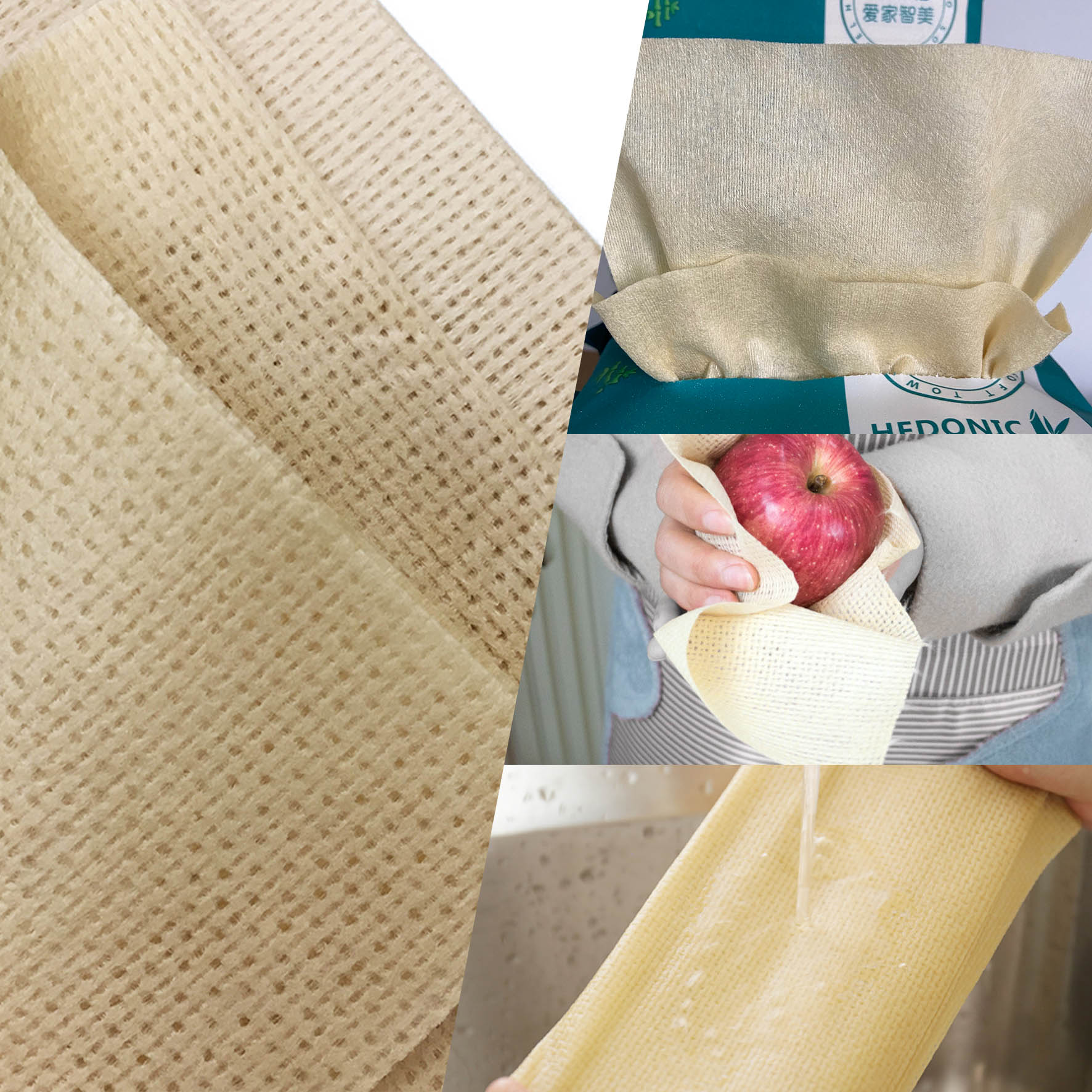
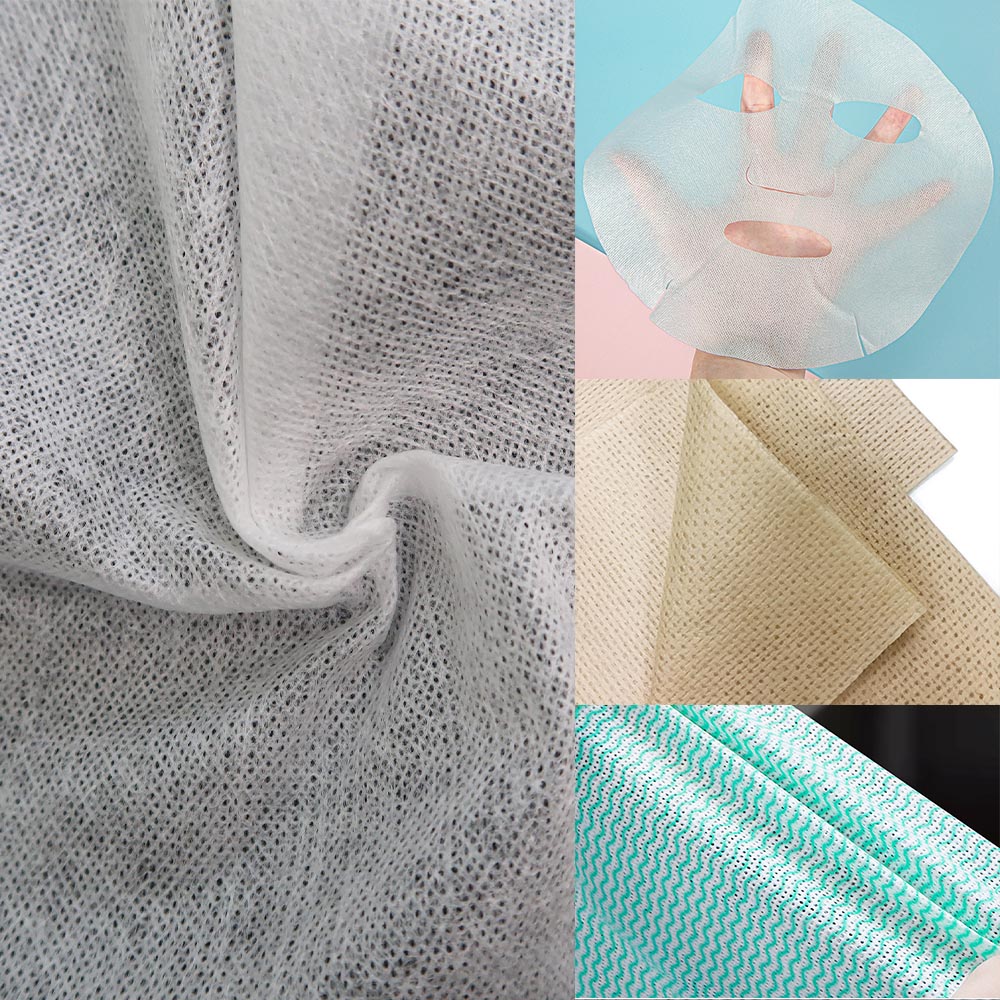
Bamboo fiber spunlace non woven fabric is a type of spunlace material made using bamboo-derived fibers, often blended with other fibers like viscose or polyester, and bonded through high-pressure water jets.
Compared with regular spunlace, its biggest selling point is usually:
👉 “natural + soft + eco-friendly”
That’s why many customers choose it for products where consumers care about:
- Skin comfort
- Natural ingredients
- Sustainable materials
In actual business, this material is especially popular in personal care and premium wipes.
Why Are More Buyers Interested in Bamboo Fiber Spunlace?
Over the last few years, many brands—especially in Europe and North America—have started asking for more natural materials.
Bamboo fiber spunlace fits that trend well.
1. Soft and Comfortable
This is usually the first thing customers notice.
Bamboo fiber gives the fabric:
- A softer hand feel
- Better skin comfort
👉 That makes it suitable for:
- Facial wipes
- Baby products
- Cosmetic pads
2. Good Breathability
Because of its fiber structure, bamboo-based spunlace usually has:
- Good air permeability
- Better comfort in skin-contact applications
3. Natural and Eco-Oriented
Many buyers choose bamboo because it sounds more sustainable.
And to some extent, that’s true:
- Bamboo grows fast
- It is considered a renewable resource
But this needs clarification:
👉 “Bamboo” does not always mean “100% biodegradable.”
The final result still depends on the full fiber blend.
(This is an important point many suppliers don’t explain clearly.)
4. Good Absorbency
Like regular spunlace, bamboo fiber spunlace can absorb:
- Water
- Skincare liquids
- Cleaning solutions
That makes it practical, not just marketable.
What Is Bamboo Fiber Spunlace Commonly Used For?
In real applications, this material is mainly used in consumer-facing products, especially where softness matters.
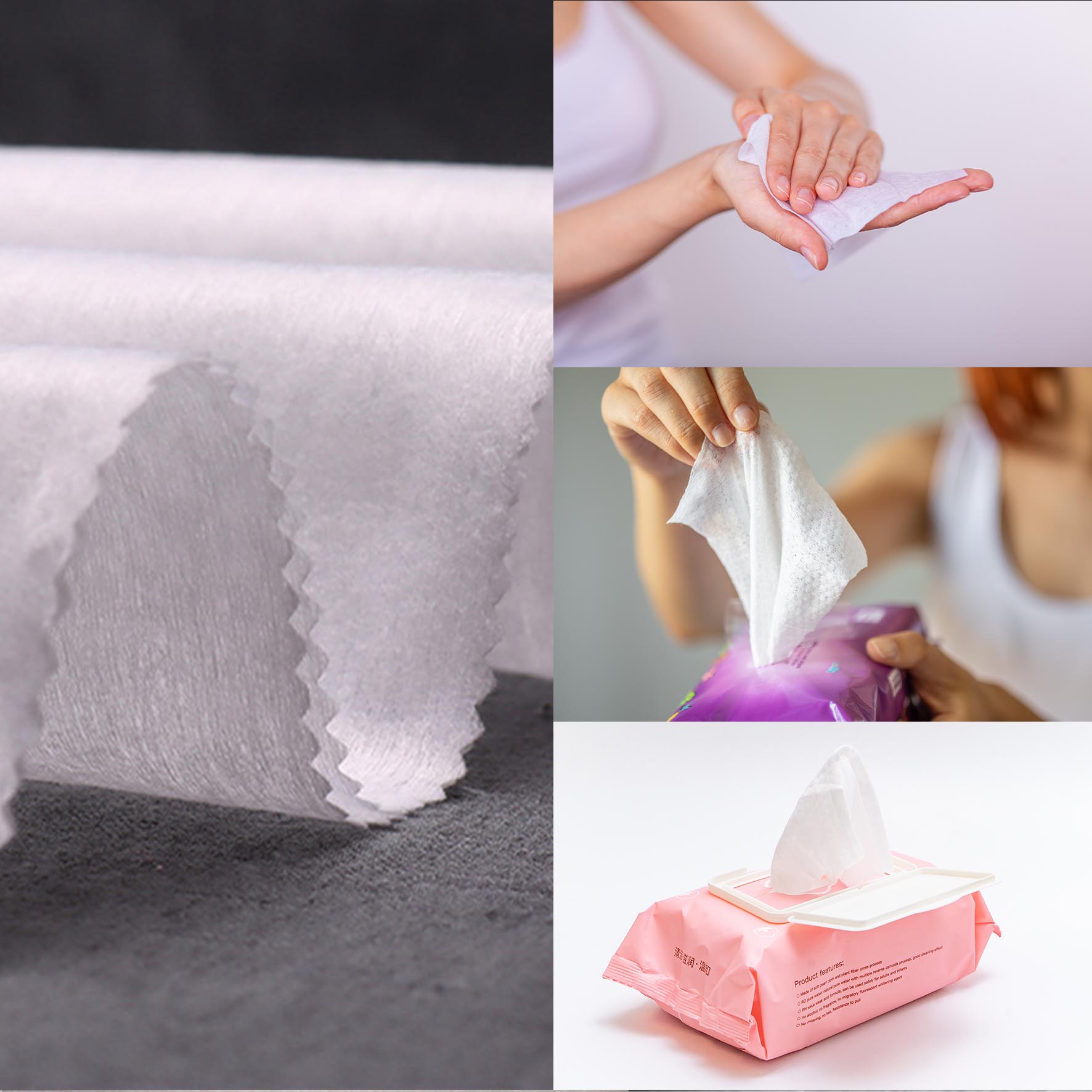
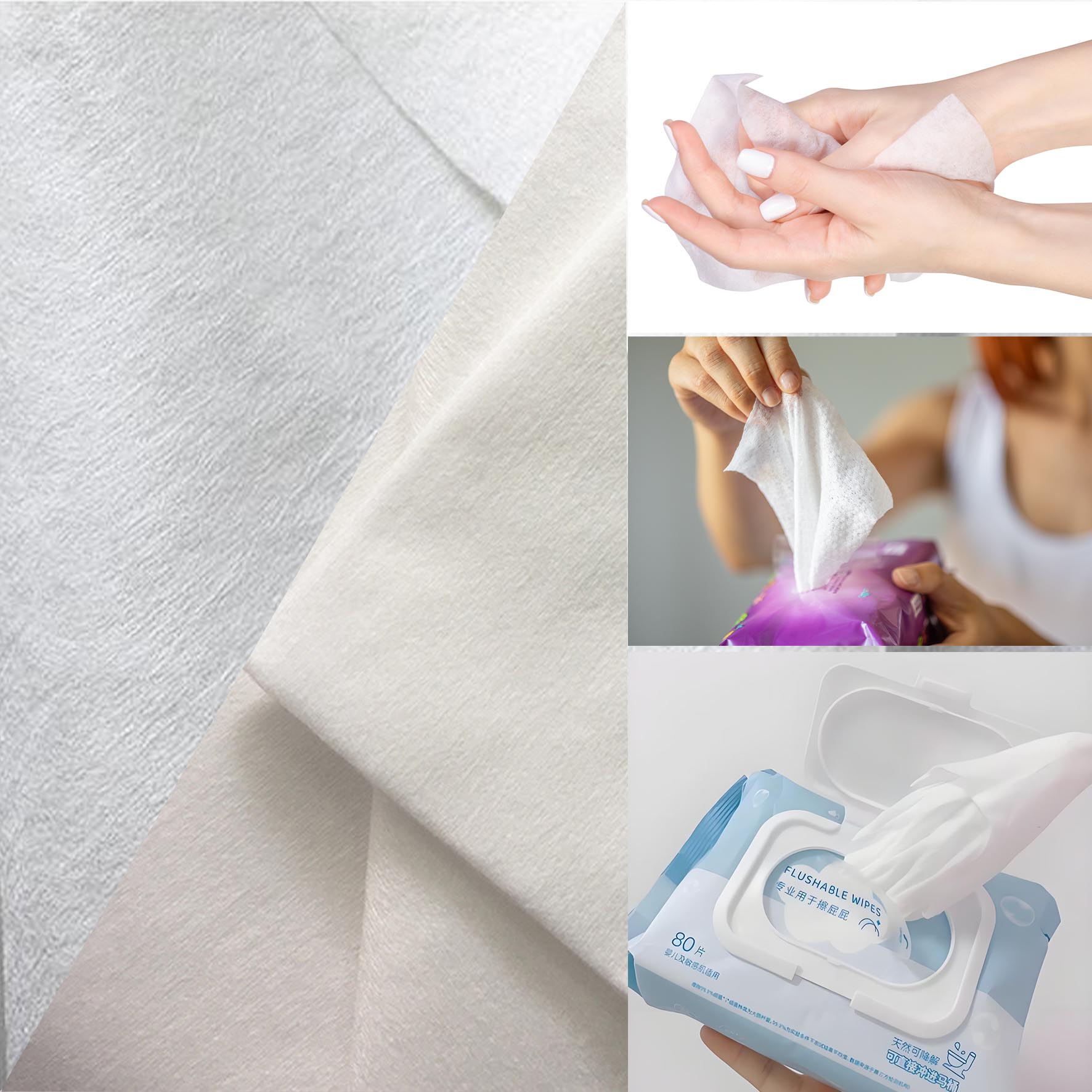
1. Facial Wipes
A very common use.
Why?
- Soft on skin
- Better product positioning (“natural bamboo”)
2. Baby Wipes
Parents usually care about:
- Gentle touch
- Safer-feeling materials
That’s where bamboo fiber has strong appeal.
3. Cosmetic and Beauty Products
Used in:
- Makeup remover wipes
- Facial masks
- Cotton pad alternatives
4. Personal Hygiene Products
Such as:
- Feminine wipes
- Daily hygiene wipes
Bamboo Fiber Spunlace vs Regular Spunlace
Here’s a practical comparison:
| Feature | Bamboo Fiber Spunlace | Regular Spunlace |
|---|---|---|
| Softness | Higher | Good |
| Skin Comfort | Better | Good |
| Eco Positioning | Stronger | Standard |
| Absorbency | High | High |
| Cost | Higher | Lower |
| Main Use | Premium wipes, skincare | General wipes |
👉 Simple way to understand:
Regular spunlace = practical
Bamboo spunlace = premium + natural positioning
How to Choose Bamboo Fiber Spunlace Nonwoven Fabric?
This is where buyers often hesitate.
1. What Is Your Product Positioning?
Ask yourself:
- Mass market product? → regular spunlace may be enough
- Premium product? → bamboo makes more sense
2. Check the Fiber Composition
This is important.
Some suppliers say “bamboo fabric,” but the actual bamboo content may be low.
Common blends:
- Bamboo + viscose
- Bamboo + polyester
👉 Always ask for the actual ratio.
3. Do You Need Softness or Strength?
- More bamboo/viscose → softer
- More polyester → stronger
Choose based on use.
4. Budget Consideration
Bamboo spunlace usually costs more.
So ask:
“Will customers pay for the added value?”
If yes → good fit
If no → standard spunlace may be smarter
Common Mistakes Buyers Make
1. Assuming “Bamboo” Means Fully Natural
Not always.
Many products are blended.
👉 Always check the composition.
2. Buying It Only for Marketing
This happens a lot.
If your product is industrial cleaning, bamboo may add cost but little value.
3. Ignoring End User Expectations
Customers buying bamboo products expect:
- Softness
- Premium feel
If quality is poor, they notice quickly.
FAQ About Bamboo Fiber Spunlace Non Woven Fabric
1. Is bamboo fiber spunlace soft?
Yes, softness is one of its biggest advantages.
2. Is bamboo spunlace biodegradable?
It depends on the full fiber composition.
3. Is it better than regular spunlace?
Not always. It’s better for premium and skin-contact products.
4. Is bamboo fiber safe for skin?
Yes, it is widely used in personal care products.
5. Why is bamboo spunlace more expensive?
Mainly due to material cost and premium market positioning.
6. Can it be used for baby wipes?
Yes, that is one of its most common applications.
7. Can it be customized?
Yes, including GSM, width, embossing, and composition.
8. Is bamboo spunlace suitable for industrial cleaning?
Usually no—it is more suitable for hygiene and personal care.
Why Choose Weboss as Your Bamboo Fiber Nonwoven Supplier?
At Weboss, we’ve seen many customers move toward natural and premium nonwoven materials, especially in personal care markets.
From our experience:
- Bamboo spunlace is not for every product
- But when used correctly, it adds real value and stronger market appeal
Here’s what we offer:
- 10+ years of nonwoven export experience
- Experience with eco-friendly and functional spunlace materials
- Support in choosing the right fiber blend
- Sample testing before bulk production
- Stable quality and reliable supply
- Professional export and logistics support
👉 We help customers choose materials based on actual product goals—not just trends.
Contact Us
If you are looking for a reliable spunlace nonwoven fabric supplier, feel free to contact us:
- TEL: +86-21-33608891
- FAX: +86-21-33608892
- Email: info@webosstex.com
continue reading
Related Posts

Apertured Spunlace has an open mesh structure for better wiping, liquid pickup and airflow in dry towels, wipes and beauty products.

Polyester Spunlace for Wet Wipes offers high wet strength and durability for cleaning, disinfecting and industrial wipes.
-
Cotton Spunlace for Wet Wipes offers a soft, absorbent and natural feel for premium baby, facial and personal care wipes.