Bamboo Fiber vs Bamboo Carbon Spunlace Non Woven Fabric
Why Do Buyers Compare These Two Materials?
Bamboo Fiber vs Bamboo Carbon Spunlace Non Woven Fabric
At first glance, these two materials sound very similar.
Both include the word “bamboo”, and both are made using spunlace technology.
That’s why many buyers initially assume they are interchangeable.
But in reality:
👉 They are designed for different purposes
A simple way to understand it:
- Bamboo fiber spunlace = focused on softness and natural positioning
- Bamboo carbon spunlace = focused on functionality and added performance
Choosing the wrong one usually means:
- higher cost,
- weaker product positioning,
- or customer expectations not being met.
What Is Bamboo Fiber Spunlace Non Woven Fabric?
Bamboo Fiber vs Bamboo Carbon Spunlace Non Woven Fabric
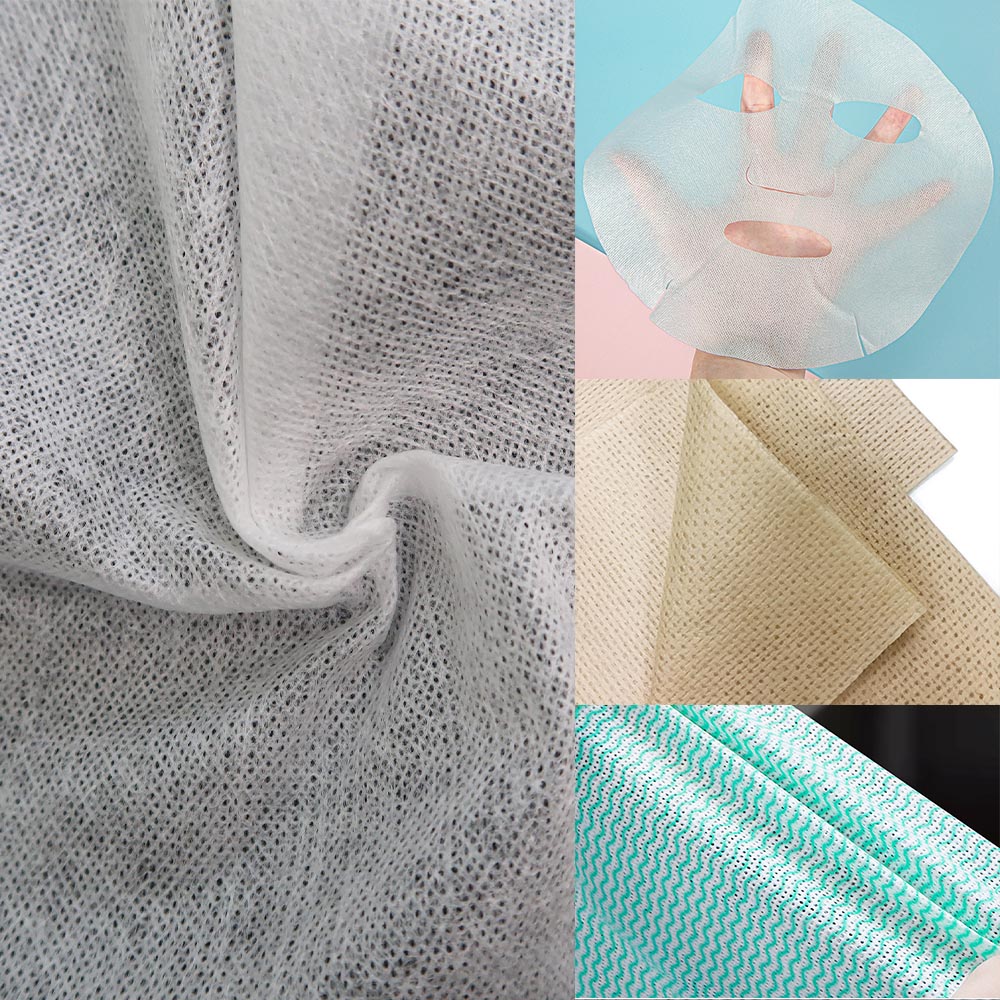
Bamboo fiber spunlace is made using bamboo-derived fibers, often blended with viscose or polyester.
Its biggest strengths are:
- Soft hand feel
- Skin comfort
- Natural / eco-friendly marketing appeal
It is usually chosen for:
- baby wipes
- facial wipes
- cosmetic products
- personal care items
👉 Think of it as a comfort-focused material.
What Is Bamboo Carbon Spunlace Non Woven Fabric?
Bamboo Fiber vs Bamboo Carbon Spunlace Non Woven Fabric
Bamboo carbon spunlace is made by adding bamboo charcoal (carbon) particles or fibers into the spunlace structure.
Its main strengths are:
- odor control
- moisture management
- functional product positioning
It is usually chosen for:
- deodorizing wipes
- charcoal facial masks
- functional skincare products
- specialty hygiene products
👉 Think of it as a performance-focused material.
Key Differences Between Bamboo Fiber and Bamboo Carbon Spunlace
Here is the clearest comparison:
| Feature | Bamboo Fiber Spunlace | Bamboo Carbon Spunlace |
|---|---|---|
| Main Advantage | Softness | Functional performance |
| Skin Feel | Softer | Slightly less soft |
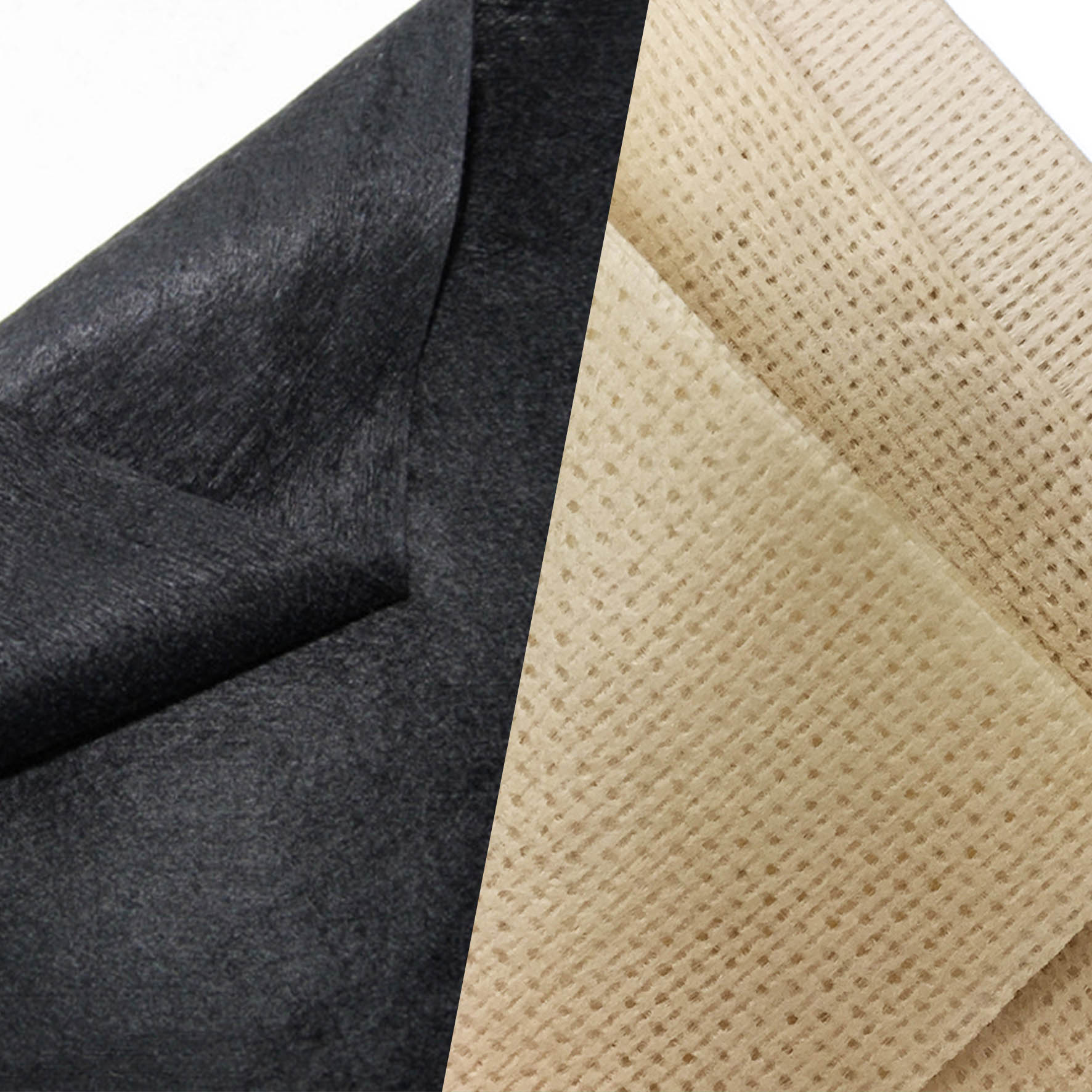
| Appearance | Usually white / natural | Usually gray or black |
| Odor Control | No | Yes |
| Moisture Management | Standard | Better |
| Market Position | Natural / eco | Functional / premium |
| Typical Use | Baby wipes, skincare | Charcoal masks, deodorizing wipes |
| Cost | Medium to high | Usually higher |
Which One Is Better for Skin Contact?
If your product directly touches skin, softness matters.
In most cases:
✅ Bamboo fiber spunlace performs better for:
- baby products
- facial wipes
- sensitive skin applications
Why?
Because customers can immediately feel:
- softness
- comfort
- gentle texture
That matters a lot in personal care.
Which One Is Better for Functional Products?
If your product needs a “feature” beyond wiping, bamboo carbon usually wins.
Examples:
- odor-control wipes
- detox facial masks
- charcoal beauty products
Why?
Because consumers already associate charcoal with:
- cleansing
- detox
- odor removal
That gives your product stronger marketing value.
Which One Is Better for Face Masks?
This is a common question.
The answer depends on the product concept.
Choose Bamboo Fiber Spunlace if you want:
- softness
- hydration
- gentle skincare
Choose Bamboo Carbon Spunlace if you want:
- deep cleansing
- detox
- charcoal mask positioning
👉 Both are used in facial masks, but for different reasons.
Which One Is More Eco-Friendly?
This is where many buyers misunderstand things.
Many people assume:
“Bamboo” = fully eco-friendly
Not always.
The truth depends on:
- actual bamboo content
- whether polyester is blended in
- production process
So:
👉 Always ask for the full composition, not just the product name.
How to Choose Between Them?
A simple decision guide:
Choose Bamboo Fiber Spunlace if:
✔ your product focuses on softness
✔ your customer cares about natural materials
✔ skin comfort is your priority
Choose Bamboo Carbon Spunlace if:
✔ your product needs odor control
✔ you want functional positioning
✔ charcoal branding matters
Common Buying Mistakes
1. Choosing Only by Name
“Bamboo” doesn’t mean the same thing here.
The function is very different.
2. Ignoring Customer Expectations
If you sell a “charcoal wipe,” buyers expect functional benefits.
If you sell a “bamboo baby wipe,” buyers expect softness.
Mismatch creates disappointment.
3. Not Testing Samples
Always test:
- touch
- absorbency
- product fit
Specs alone are not enough.
FAQ About Bamboo Fiber vs Bamboo Carbon Spunlace
1. Are both made with spunlace technology?
Yes, both use hydroentanglement.
2. Which one is softer?
Bamboo fiber spunlace is usually softer.
3. Which one controls odor better?
Bamboo carbon spunlace.
4. Which one is better for baby wipes?
Bamboo fiber spunlace.
5. Which one is used in charcoal masks?
Bamboo carbon spunlace.
6. Are both eco-friendly?
It depends on the full material composition.
7. Which one costs more?
Bamboo carbon is often slightly more expensive.
8. Can both be customized?
Yes, including GSM, width, and composition.
Why Choose Weboss as Your Bamboo Nonwoven Supplier?
At Weboss, we help customers choose materials based on real application needs, not just keywords.
From our experience:
- many customers initially confuse these two materials
- but once the product goal is clear, the right choice becomes obvious
We offer:
- 10+ years of nonwoven export experience
- full spunlace product support
- experience in eco-friendly and functional materials
- customized solutions
- sample support before production
- reliable global delivery
👉 Our goal is simple: help you choose the right material the first time.
Contact Us
If you are looking for a reliable spunlace nonwoven fabric supplier, feel free to contact us:
- TEL: +86-21-33608891
- FAX: +86-21-33608892
- Email: info@webosstex.com
continue reading
Related Posts

Apertured Spunlace has an open mesh structure for better wiping, liquid pickup and airflow in dry towels, wipes and beauty products.

Polyester Spunlace for Wet Wipes offers high wet strength and durability for cleaning, disinfecting and industrial wipes.
-
Cotton Spunlace for Wet Wipes offers a soft, absorbent and natural feel for premium baby, facial and personal care wipes.