Medical Nonwoven Fabric Types Explained
What Are Medical Nonwoven Fabrics?
Medical nonwoven fabrics are materials used in healthcare products.
Fibers are bonded together through processes like heat, pressure, or water jets.
In real use, these fabrics are everywhere:
- Masks
- Surgical gowns
- Medical wipes
- Sterile packaging
👉 The key point is: different applications use different types of nonwoven fabric, and choosing the wrong one can directly affect performance.
You might wonder why there isn’t just one standard material.
The reason is simple:
👉 Medical products have very different requirements.
For example:
- A mask needs filtration
- A wipe needs absorbency
- A gown needs protection
No single material can do all of these well.
Main Types of Medical Nonwoven Fabrics
Below are the most commonly used types you’ll come across.
1. Spunbond Nonwoven Fabric
How it works:
Fibers are extruded and bonded by heat.
Key features:
- Strong and durable
- Lightweight
- Cost-effective
Common medical uses:
- Surgical gowns (outer layer)
- Masks (outer layer)
- Disposable caps and shoe covers
👉 Think of spunbond as the structure layer
2. Meltblown Nonwoven Fabric
How it works:
Very fine fibers are created and form a dense web.
Key features:
- Excellent filtration
- Very fine fiber structure
- Lightweight
Common medical uses:
- Mask filter layer
- Air and liquid filtration
👉 This is the core filtration material
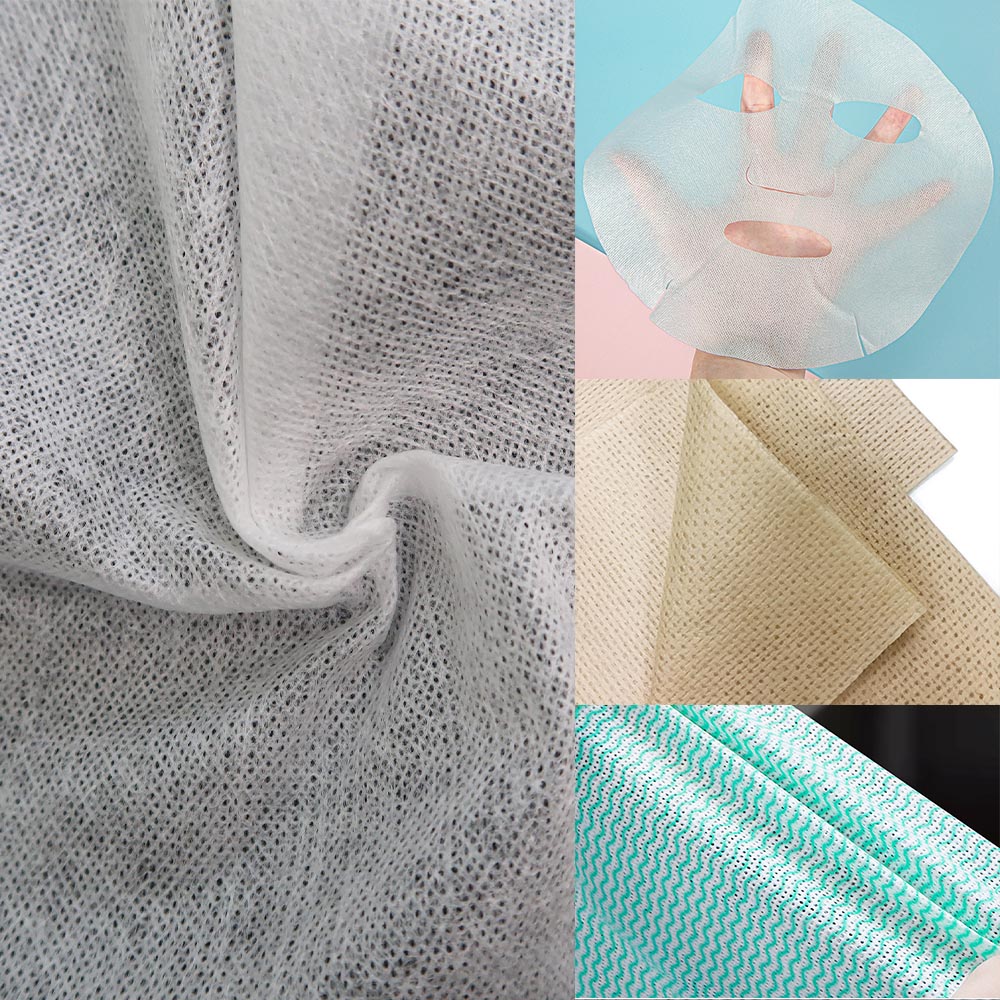
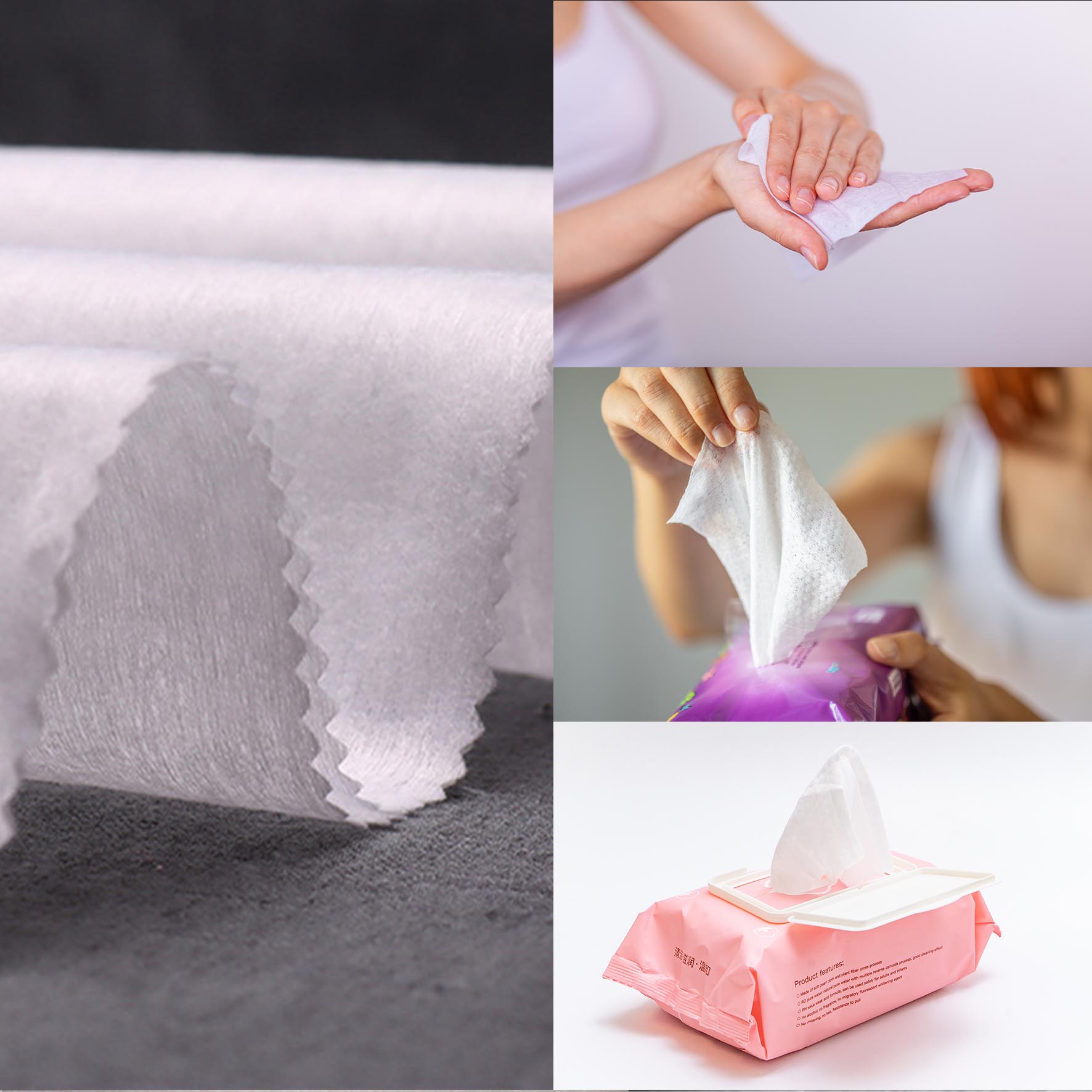
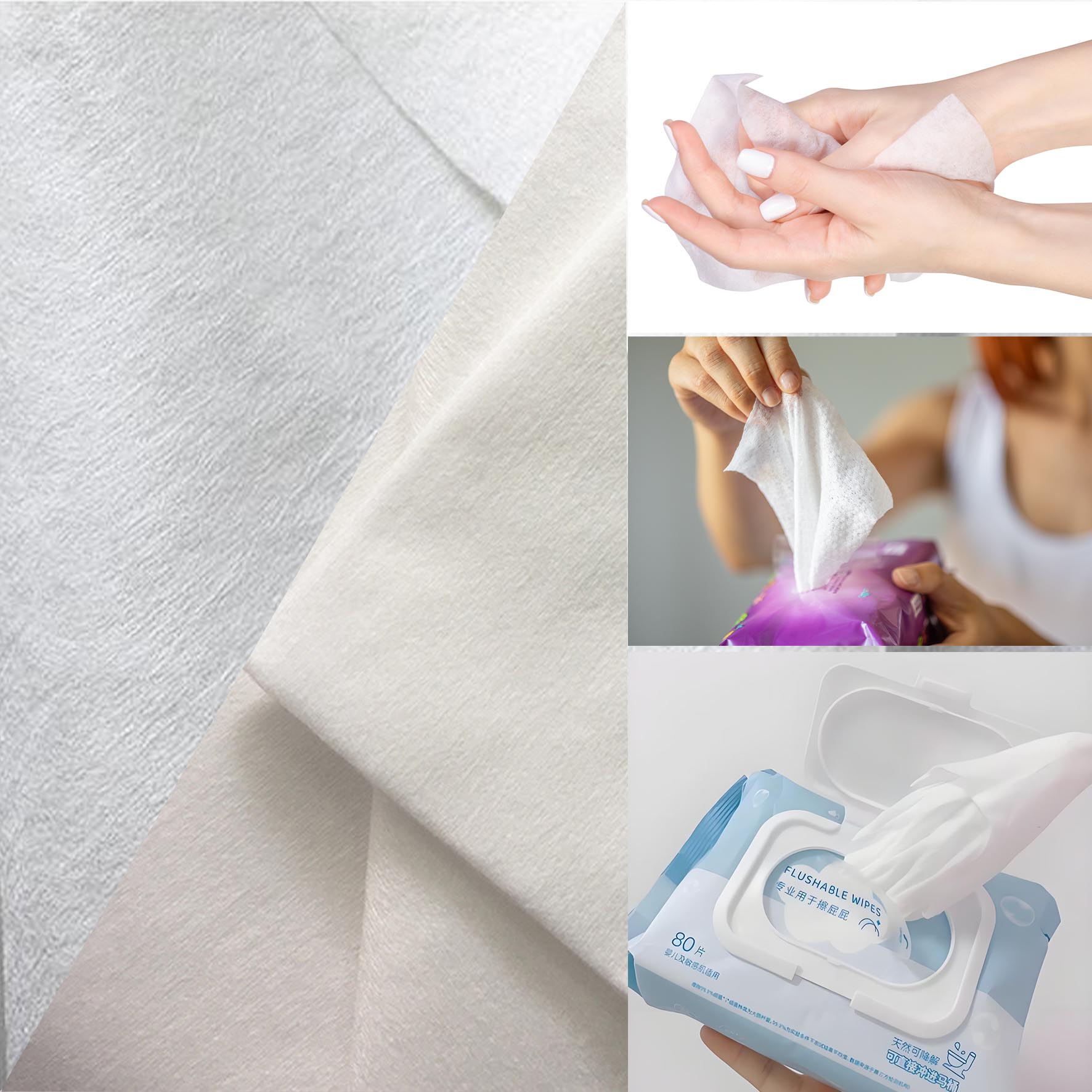
3. Spunlace Nonwoven Fabric
How it works:
Fibers are entangled using high-pressure water.
Key features:
- Soft and cloth-like
- High absorbency
- Low lint
Common medical uses:
- Medical wipes
- Wound care products
- Patient cleaning
👉 Best for skin contact and cleaning
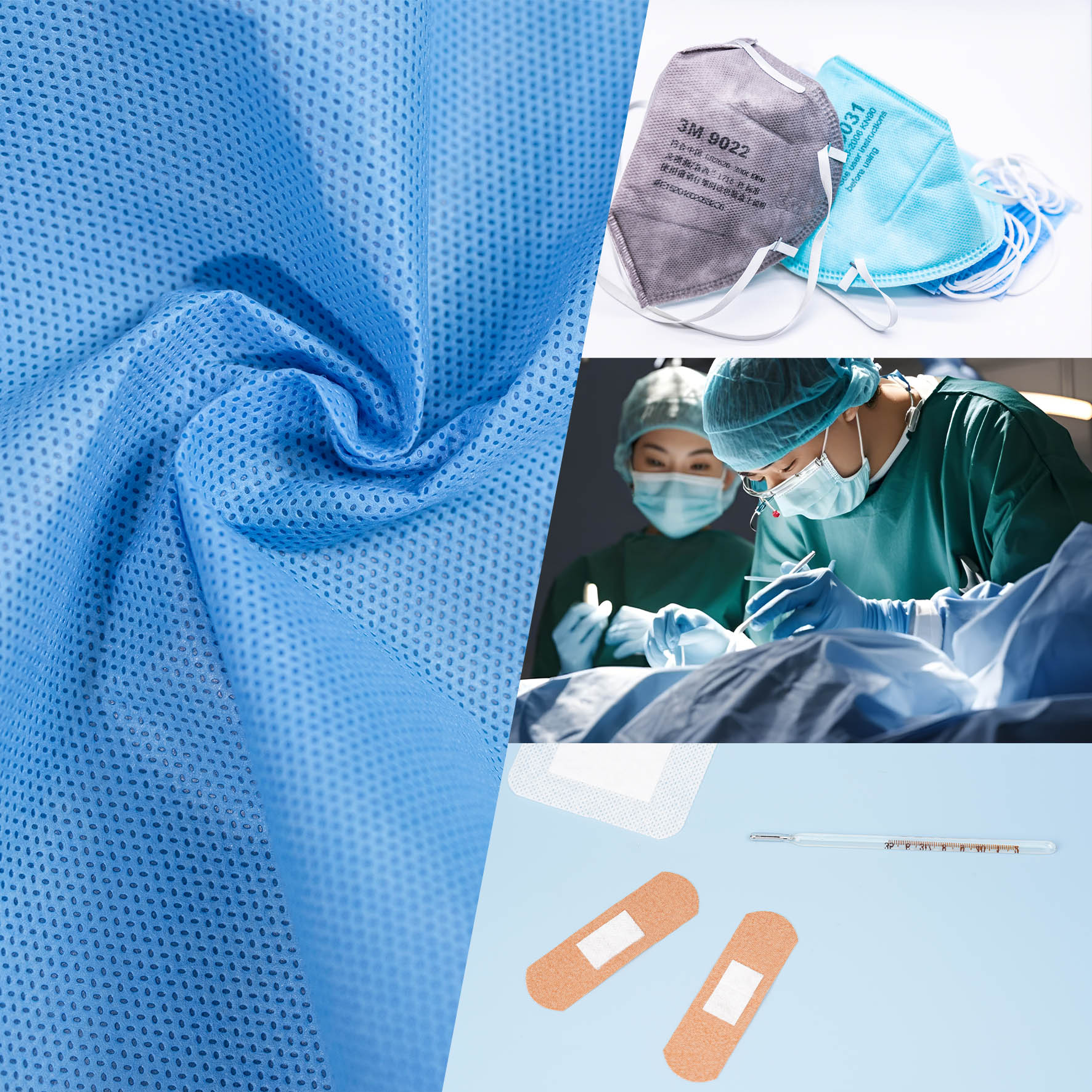
4. SMS (Spunbond + Meltblown + Spunbond)
How it works:
A multi-layer structure combining strength and filtration.
Key features:
- Good barrier properties
- Balanced strength and filtration
- Widely used in medical protection
Common medical uses:
- Surgical gowns
- Protective clothing
- Medical drapes
👉 This is a combined performance material
5. Needle Punched Nonwoven Fabric
How it works:
Fibers are mechanically entangled using needles.
Key features:
- Thick and strong
- Durable
- Less common in direct medical use
Common uses:
- Support materials
- Medical bedding or padding
Comparison of Medical Nonwoven Fabric Types
Here’s a quick overview to help you compare:
| Type | Softness | Strength | Absorbency | Filtration | Cost | Main Use |
|---|---|---|---|---|---|---|
| Spunbond | Medium | High | Low | Low | Low | Gowns, caps |
| Meltblown | Low | Low | Low | Very High | Medium | Masks (filter layer) |
| Spunlace | High | Medium | High | Low | Medium | Wipes, dressings |
| SMS | Medium | High | Low | High | Medium | Protective clothing |
| Needle Punch | Low | High | Medium | Low | Medium | Padding, support materials |
👉 Each type solves a different problem — there’s no “best,” only “most suitable”
How to Choose the Right Medical Nonwoven Fabric?
Instead of starting from the material, start from your product.
1. What Is Your Application?
- Masks → Meltblown + Spunbond
- Wipes → Spunlace
- Gowns → SMS or Spunbond
👉 This is always the first step.
2. Do You Need Filtration or Absorption?
- Filtration → Meltblown
- Absorption → Spunlace
3. Does It Touch Skin?
If yes:
- Choose soft materials (spunlace or cotton-based)
4. Is Protection Required?
For barrier protection:
- SMS is usually a better choice
5. Budget Consideration
- Low cost → Spunbond
- Higher performance → SMS / Spunlace
Common Mistakes When Choosing Medical Nonwoven
1. Using the Same Material for All Products
👉 Different products need different materials
2. Ignoring Comfort
👉 Especially important for skin-contact products
3. Overlooking Performance Requirements
👉 For example, using non-filtration material in masks
Typical Applications by Fabric Type
- Spunbond: gowns, caps, outer mask layers
- Meltblown: mask filtration
- Spunlace: wipes, cleaning, patient care
- SMS: protective clothing
- Needle punched: padding, support
FAQ About Medical Nonwoven Fabric Types
1. What is the most commonly used medical nonwoven?
Spunbond and meltblown are the most widely used.
2. Which fabric is best for medical wipes?
Spunlace is the most suitable due to softness and absorbency.
3. What is SMS fabric used for?
It is mainly used for protective medical clothing.
4. Is meltblown used alone?
Usually not, it is combined with spunbond in masks.
5. Which material is best for filtration?
Meltblown offers the best filtration performance.
6. Are medical nonwovens safe for skin?
Yes, especially spunlace and cotton-based materials.
7. Can these materials be customized?
Yes, including GSM, layers, and treatments.
8. How do I choose the right type?
Start from your product’s function and performance needs.
Why Choose Weboss as Your Medical Nonwoven Supplier?
At Weboss, we help customers choose the right material based on real applications.
Here’s what we offer:
- 10+ years of export experience
- Full range of medical nonwoven fabrics:
- Spunbond
- Meltblown
- Spunlace
- SMS and more
- Application-based recommendations
- Strict quality control and testing support
- Flexible customization
- Stable supply and reliable delivery
👉 Whether you are developing medical products or scaling production, we can support you with the right solution.
Contact Us
If you are looking for a reliable medical nonwoven fabric supplier, feel free to contact us:
- TEL: +86-21-33608891
- FAX: +86-21-33608892
- Email: info@webosstex.com
continue reading
Related Posts

Apertured Spunlace has an open mesh structure for better wiping, liquid pickup and airflow in dry towels, wipes and beauty products.

Polyester Spunlace for Wet Wipes offers high wet strength and durability for cleaning, disinfecting and industrial wipes.
-
Cotton Spunlace for Wet Wipes offers a soft, absorbent and natural feel for premium baby, facial and personal care wipes.