BFE and PFE in Meltblown Fabric Explained
What Do BFE and PFE in Meltblown Fabric?
If you’ve ever sourced meltblown fabric for masks or filtration products, you’ve probably seen terms like:
- BFE 95%
- BFE 99%
- PFE 95%
- PFE ≥99%
For many buyers, these numbers look simple—but they often create confusion.
A common question is:
“If both say 95%, are they the same?”
The answer is:
👉 Not necessarily.
BFE and PFE measure different things, and understanding that difference can help you avoid choosing the wrong material.
What Is BFE in Meltblown Fabric?
BFE stands for Bacterial Filtration Efficiency.
It measures how well the material filters bacteria-containing droplets.
In simple terms:
- A bacterial aerosol is passed through the material
- The lab checks how much bacteria is blocked
Example:
- BFE 95% = blocks 95% of tested bacteria
- BFE 99% = blocks 99%
Where Is BFE Important?
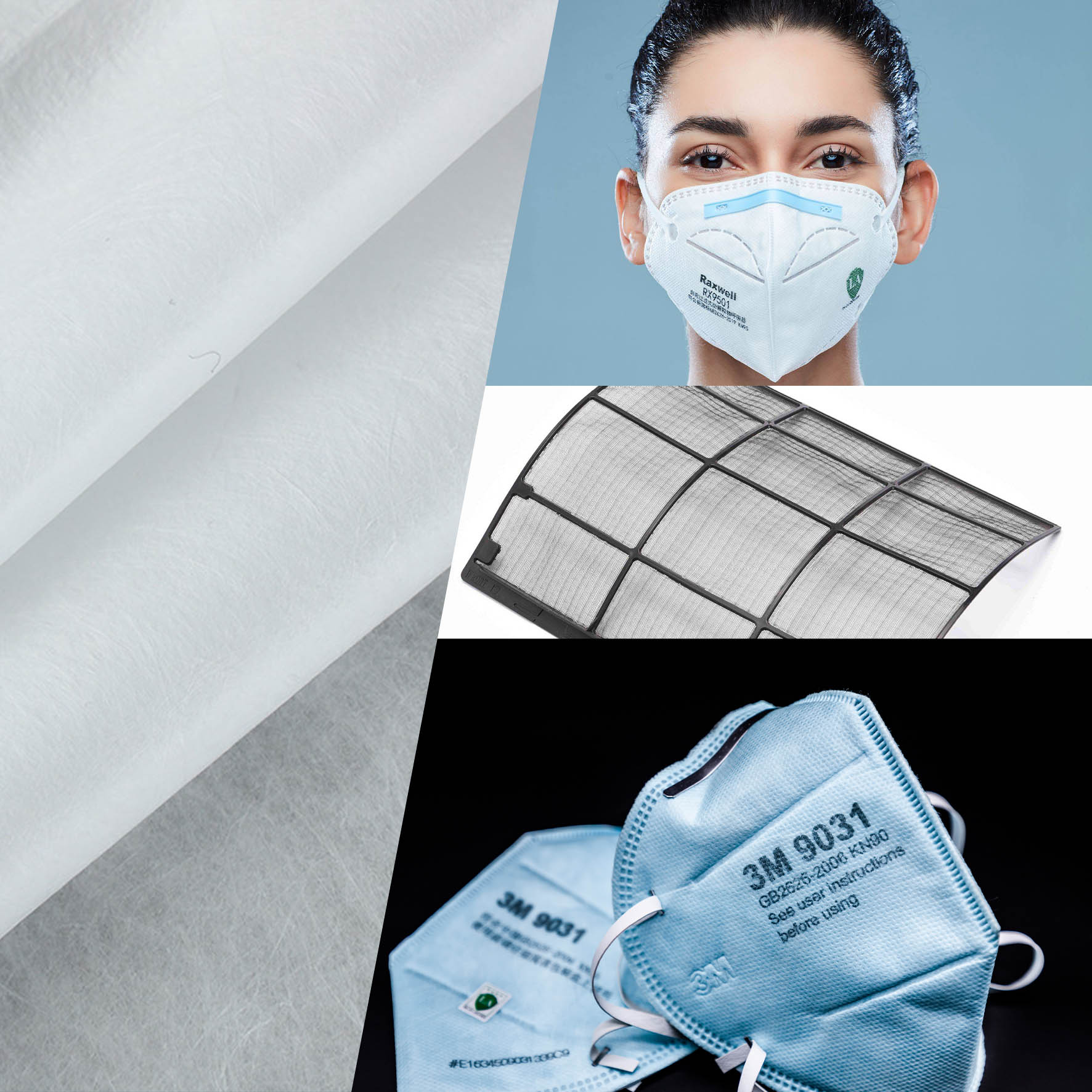
BFE is commonly used for:
- medical face masks
- surgical masks
- healthcare products
That’s why many hospital-grade masks focus heavily on BFE values.
What Is PFE in Meltblown Fabric?
PFE stands for Particle Filtration Efficiency.
It measures how well the material filters small particles, not bacteria.
These particles are usually much smaller.
Typical testing may involve:
- 0.1 micron particles
- 0.3 micron particles
That makes PFE a stricter test in many cases.
Where Is PFE Important?
PFE matters for:
- respirators
- high-performance masks
- air filtration products
What’s the Difference Between BFE and PFE?
This is the part buyers care about most.
| Item | BFE | PFE |
|---|---|---|
| Full Name | Bacterial Filtration Efficiency | Particle Filtration Efficiency |
| Tests | Bacteria droplets | Fine particles |
| Typical Particle Size | Larger | Smaller |
| Common Use | Surgical masks | Respirators, filters |
| Difficulty | Lower | Higher |
Simple way to understand:
👉 BFE tests bigger particles
👉 PFE tests smaller particles
That means:
A material with good PFE usually performs well in BFE too—but not always the other way around.
Why Can Two Meltblown Fabrics Both Say “95%” But Perform Differently?
This is a common sourcing mistake.
Some buyers see:
- Material A: 95%
- Material B: 95%
and assume they are identical.
But you need to ask:
95% of what?
Examples:
- BFE 95%
- PFE 95%
- VFE 95%
- FFE 95%
These are different tests.
👉 Always ask for the test report, not just the percentage.
What Affects BFE and PFE in Meltblown Fabric?
Filtration is not random. It depends on several factors.
1. Fiber Diameter
Finer fibers create:
- smaller pores
- better filtration
This is why meltblown works so well.
2. Fabric Weight (GSM)
Higher GSM often means:
- thicker fabric
- potentially better filtration
But:
👉 more GSM also means higher cost and lower breathability.
Balance matters.
3. Electrostatic Treatment
This is very important.
Many meltblown fabrics use electret treatment.
It helps the material:
- attract particles
- improve filtration without becoming too dense
Without this treatment, performance often drops.
4. Production Stability
Even if samples test well, poor production control can cause:
- inconsistent quality
- unstable filtration
This is why supplier experience matters.
How to Choose the Right Meltblown Fabric?
Don’t choose by price alone.
Start with your product.
For surgical masks
Focus on:
- BFE
- breathability
For respirators
Focus on:
- PFE
- electrostatic performance
For general filtration
Check:
- particle size requirement
- end-use environment
Common Buying Mistakes
1. Looking Only at Price
Low-cost meltblown often means:
- unstable filtration
- weak electret performance
Cheap can become expensive later.
2. Not Asking for Test Reports
Always request:
- lab reports
- testing standard details
Not just “95%”.
3. Ignoring Storage Conditions
This is often overlooked.
Humidity and heat can reduce:
- electrostatic performance
- filtration efficiency
Proper packaging matters.
FAQ About BFE and PFE in Meltblown Fabric
1. Is BFE the same as PFE?
No. They test different filtration targets.
2. Which is more difficult to achieve?
Usually PFE, because particles are smaller.
3. Is BFE enough for respirators?
Usually no. PFE is more important there.
4. Can one material have both BFE and PFE?
Yes, many high-quality meltblown fabrics do.
5. Does higher GSM always mean better filtration?
Not always. Electrostatic treatment also matters.
6. What is electret treatment?
A process that improves particle capture using static charge.
7. Can filtration performance drop over time?
Yes, especially if stored poorly.
8. Should I ask for test reports?
Always.
Why Choose Weboss as Your Meltblown Fabric Supplier?
At Weboss, we understand that buying meltblown fabric is not just about GSM or price.
From our experience:
Many buyers focus only on “95%” or “99%,” but the real questions should be:
- Which test standard?
- Which application?
- How stable is the performance?
We offer:
- 10+ years of nonwoven export experience
- professional meltblown supply support
- stable filtration-grade production
- testing support and documentation
- customized GSM and widths
- reliable export service
👉 We help customers choose the right filtration material—not just the cheapest one.
Contact Us
If you are looking for a reliable meltblown nonwoven fabric supplier, feel free to contact us:
- TEL: +86-21-33608891
- FAX: +86-21-33608892
- Email: info@webosstex.com
continue reading
Related Posts

Apertured Spunlace has an open mesh structure for better wiping, liquid pickup and airflow in dry towels, wipes and beauty products.

Polyester Spunlace for Wet Wipes offers high wet strength and durability for cleaning, disinfecting and industrial wipes.
-
Cotton Spunlace for Wet Wipes offers a soft, absorbent and natural feel for premium baby, facial and personal care wipes.