What Is TNT Non Woven Fabric?
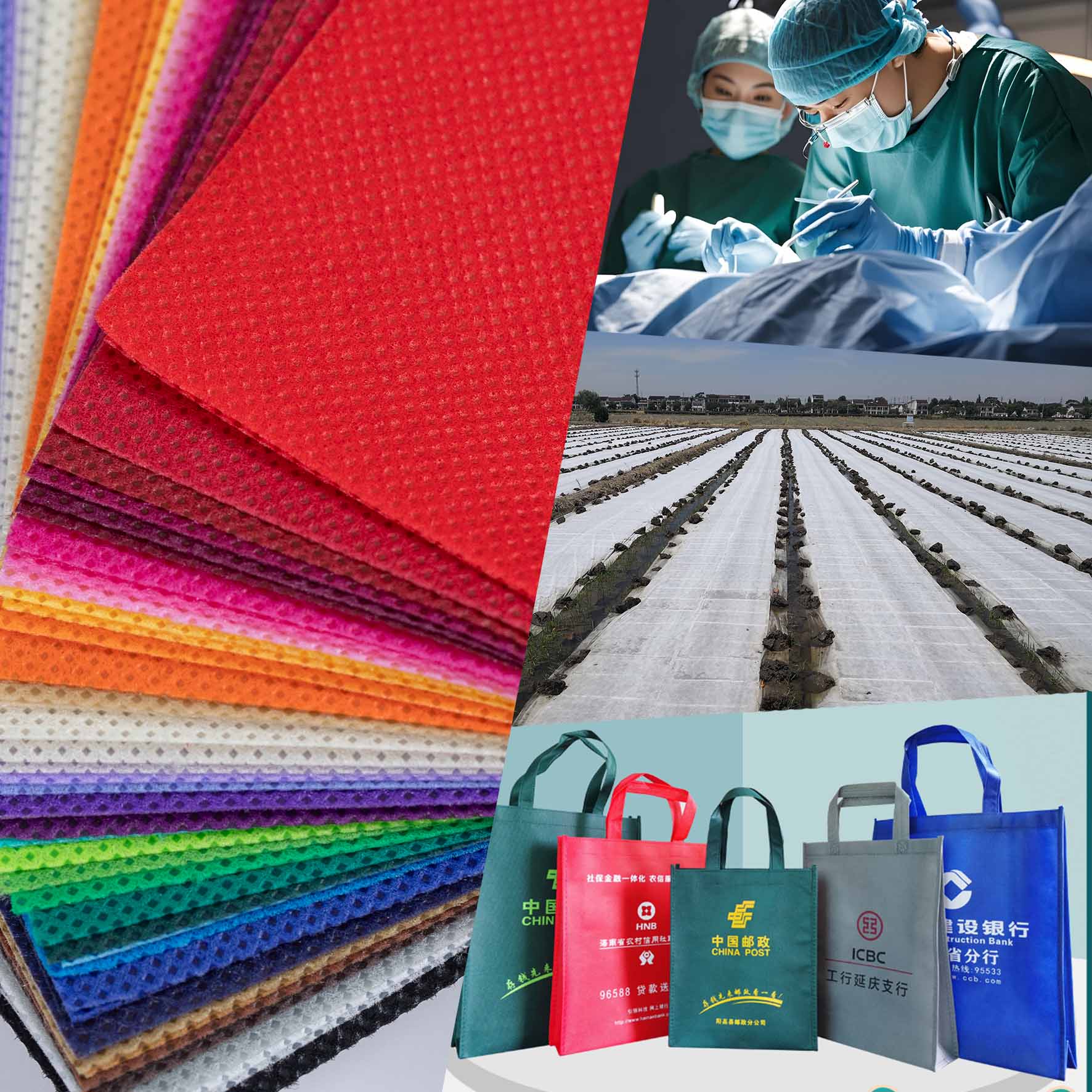
If you work with European customers—especially in Italy—you may hear the term TNT non woven fabric.
Many buyers ask:
“Is TNT a different kind of nonwoven?”
The answer is:
👉 No, usually it is not.
“TNT” stands for Tessuto Non Tessuto, which is Italian for non woven fabric.
In most commercial situations, when customers say TNT fabric, they usually mean:
PP spunbond nonwoven fabric
That’s why understanding this term is important—especially in export business.
Is TNT Fabric the Same as PP Spunbond?
In most cases:
✅ Yes.
When European buyers ask for TNT, they usually mean:
- polypropylene (PP)
- spunbond production
- roll material or finished nonwoven products
But always confirm specifications.
Why?
Because technically “TNT” means nonwoven, which is a broad category.
It could include:
- spunbond
- meltblown
- spunlace
However, in daily trade language:
👉 TNT usually means PP spunbond.
This is an important distinction many suppliers don’t explain.
How Is TNT Non Woven Fabric Made?
Since TNT usually refers to PP spunbond, the production process is the same.
Basic process:
- polypropylene pellets are melted
- polymer is extruded into continuous filaments
- fibers are laid into a web
- heat bonds the fibers together
Result:
- lightweight
- strong
- breathable
- cost-effective
That’s why it is one of the most widely used nonwoven materials in the world.
Main Features of TNT Non Woven Fabric
1. Lightweight
TNT fabric is usually available in different GSM ranges, from light to heavy.
Common range:
- 10gsm to 150gsm
This makes it flexible for many applications.
2. Good Strength
Compared with many other disposable materials, PP spunbond has good tensile strength.
That means:
- not easy to tear
- suitable for converting
3. Breathable
Its fiber structure allows air to pass through.
This is important for:
- medical use
- hygiene products
- packaging
4. Water Resistance (Optional)
Standard PP spunbond is naturally hydrophobic.
It can also be treated to become:
- hydrophilic
- anti-static
- UV resistant
This makes it highly customizable.
5. Cost Effective
One major reason buyers choose TNT:
👉 affordable price
For many disposable products, cost matters.
Where Is TNT Non Woven Fabric Used?
Because it is versatile, TNT fabric is used in many industries.
1. Medical Products
Very common applications:
- surgical gowns
- masks
- caps
- shoe covers
2. Shopping Bags
Reusable nonwoven bags are often made from TNT.
This is one of the biggest markets.
3. Agriculture
Used for:
- crop covers
- plant protection
- weed control
4. Furniture and Home Textile
Applications include:
- mattress covers
- sofa lining
- furniture backing
5. Hygiene Products
Such as:
- diapers
- sanitary products
- disposable pads
How to Choose TNT Non Woven Fabric?
Many buyers think all TNT is the same.
It isn’t.
1. Check GSM
Typical examples:
- 17gsm: lightweight medical
- 25gsm: bags
- 50gsm+: stronger industrial use
Choose based on application.
2. Confirm Width and Roll Size
This affects:
- production efficiency
- transportation cost
Always confirm before ordering.
3. Ask About Treatment
Do you need:
- hydrophilic?
- hydrophobic?
- UV resistant?
- flame retardant?
Not all TNT is standard.
4. Color Matters
Many buyers forget this.
Common colors:
- white
- blue
- black
- green
Custom colors are often possible.
Common Buying Mistakes
1. Thinking TNT Is a Special Material
It usually isn’t.
Most of the time:
👉 TNT = PP spunbond.
2. Buying Only by Price
Low-cost material may have:
- uneven GSM
- weak tensile strength
- poor roll quality
3. Not Confirming the End Use
Medical TNT and bag-grade TNT are very different.
Always define the application first.
FAQ About TNT Non Woven Fabric
1. What does TNT mean?
It means Tessuto Non Tessuto, Italian for nonwoven fabric.
2. Is TNT the same as PP spunbond?
In most commercial cases, yes.
3. Is TNT fabric waterproof?
Standard PP spunbond is water-resistant, not fully waterproof.
4. What GSM is common?
Usually 10gsm–150gsm.
5. Can TNT fabric be printed?
Yes, especially for shopping bags and packaging.
6. Is TNT fabric recyclable?
PP-based TNT can be recyclable depending on local systems.
7. Is TNT fabric breathable?
Yes, that is one of its key benefits.
8. Can it be customized?
Yes, including color, width, GSM, and treatments.
Why Choose Weboss as Your TNT Nonwoven Supplier?
At Weboss, we understand the difference between technical terminology and market terminology.
From our experience:
European customers may ask for “TNT,” while other markets say “PP spunbond”—but they often mean the same product.
That’s why we focus on clarifying:
- real application
- exact specifications
- final product requirements
We offer:
- 10+ years of nonwoven export experience
- professional PP spunbond production support
- multiple GSM and color options
- customized solutions
- stable quality control
- reliable global shipping
👉 We help buyers avoid confusion and source the right material faster.
Contact Us
If you are looking for a reliable TNT non woven fabric supplier, feel free to contact us:
- TEL: +86-21-33608891
- FAX: +86-21-33608892
- Email: info@webosstex.com
continue reading
Related Posts

Apertured Spunlace has an open mesh structure for better wiping, liquid pickup and airflow in dry towels, wipes and beauty products.

Polyester Spunlace for Wet Wipes offers high wet strength and durability for cleaning, disinfecting and industrial wipes.
-
Cotton Spunlace for Wet Wipes offers a soft, absorbent and natural feel for premium baby, facial and personal care wipes.