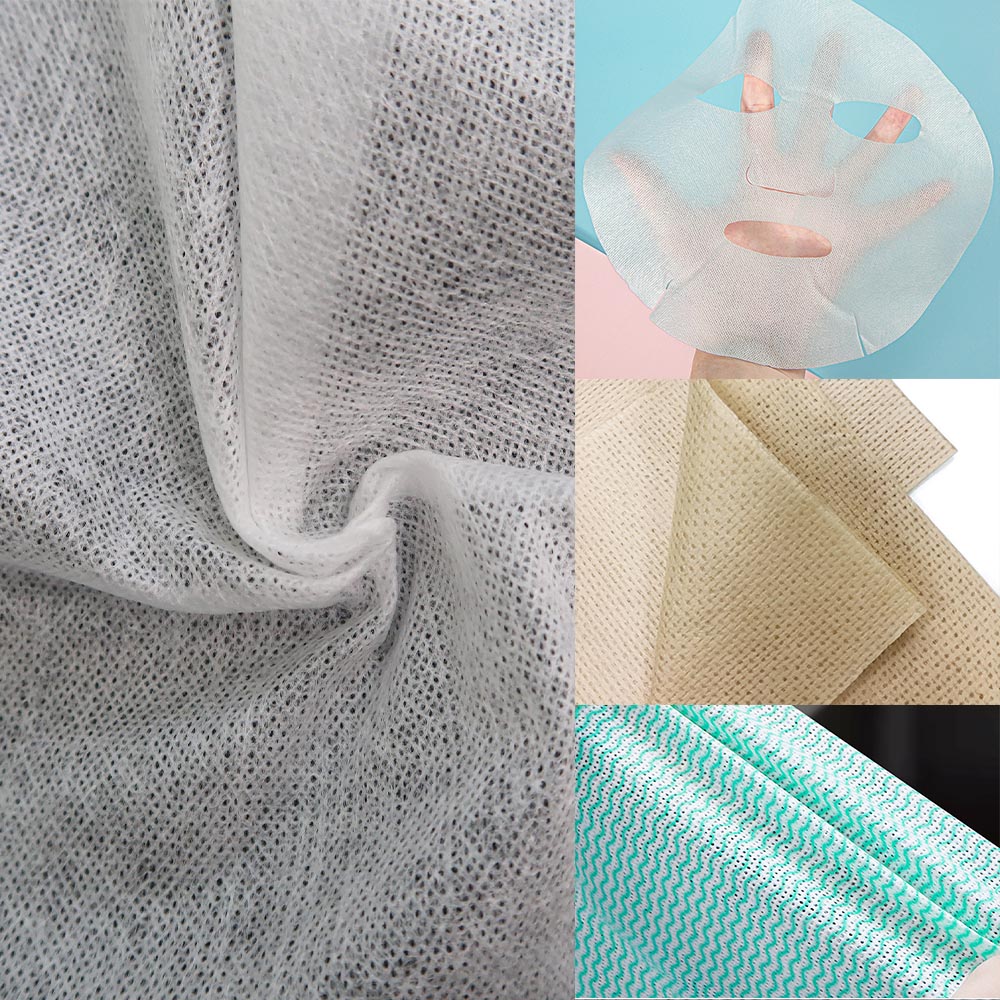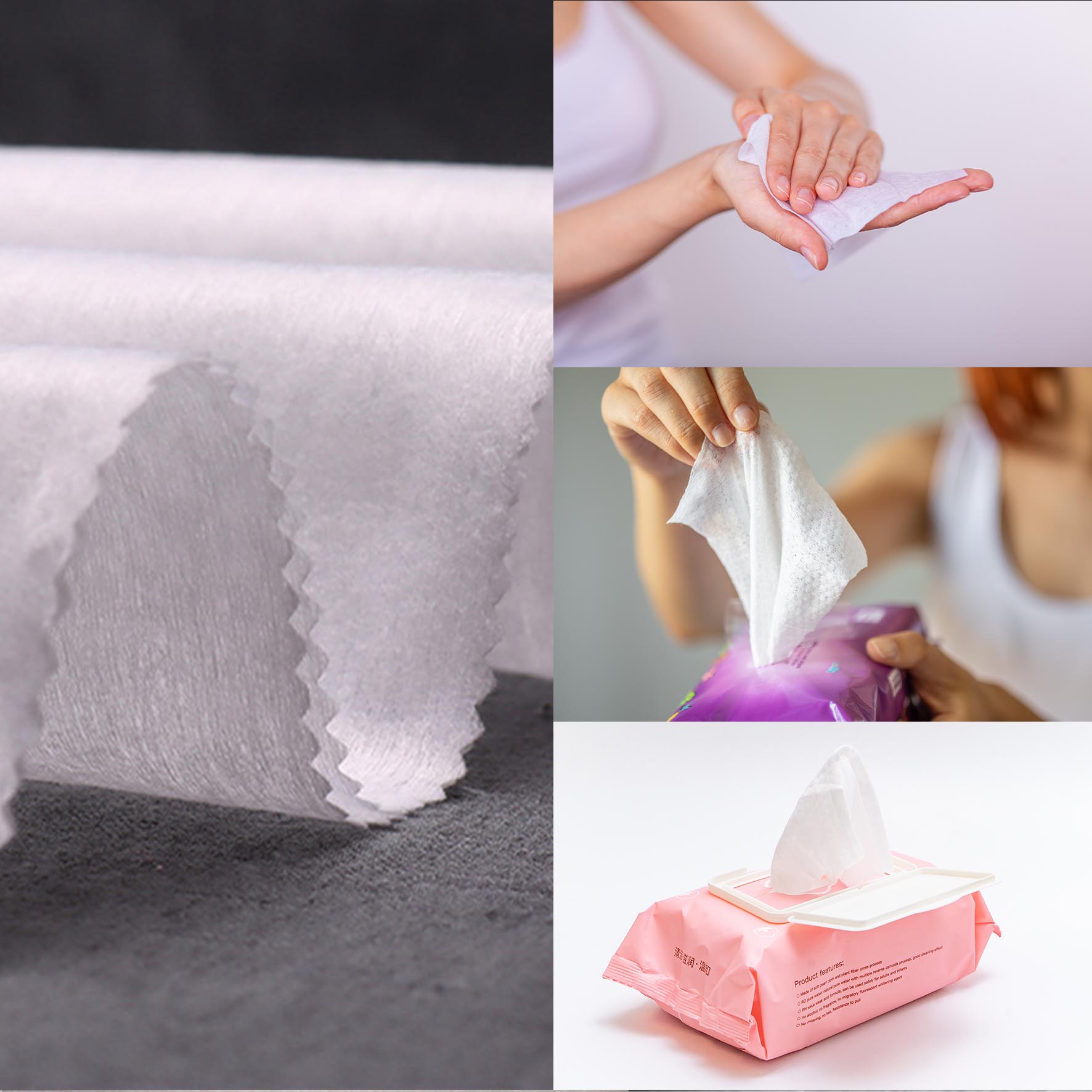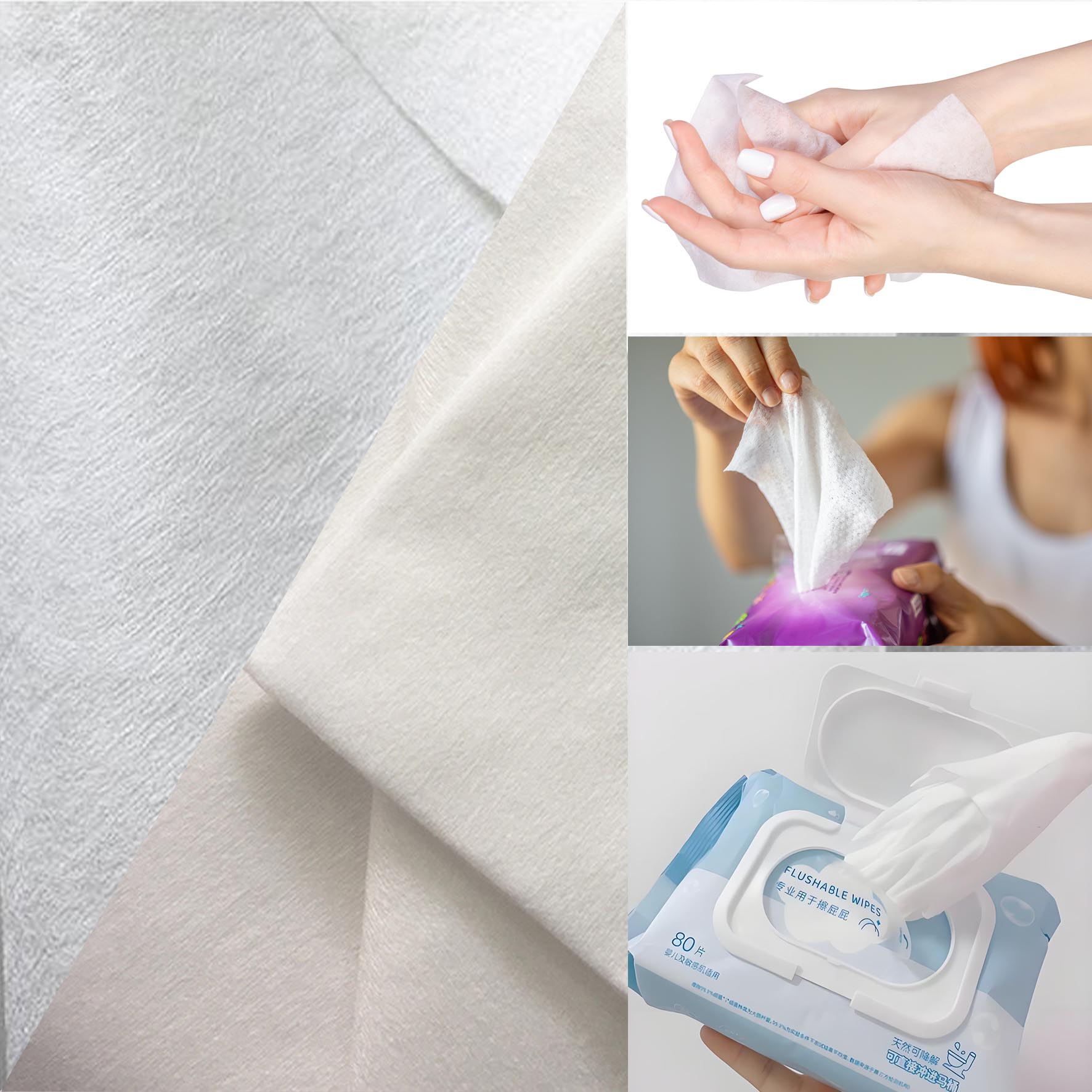
Why Use Viscose Spunlace Nonwoven Fabric for Wet Wipes?
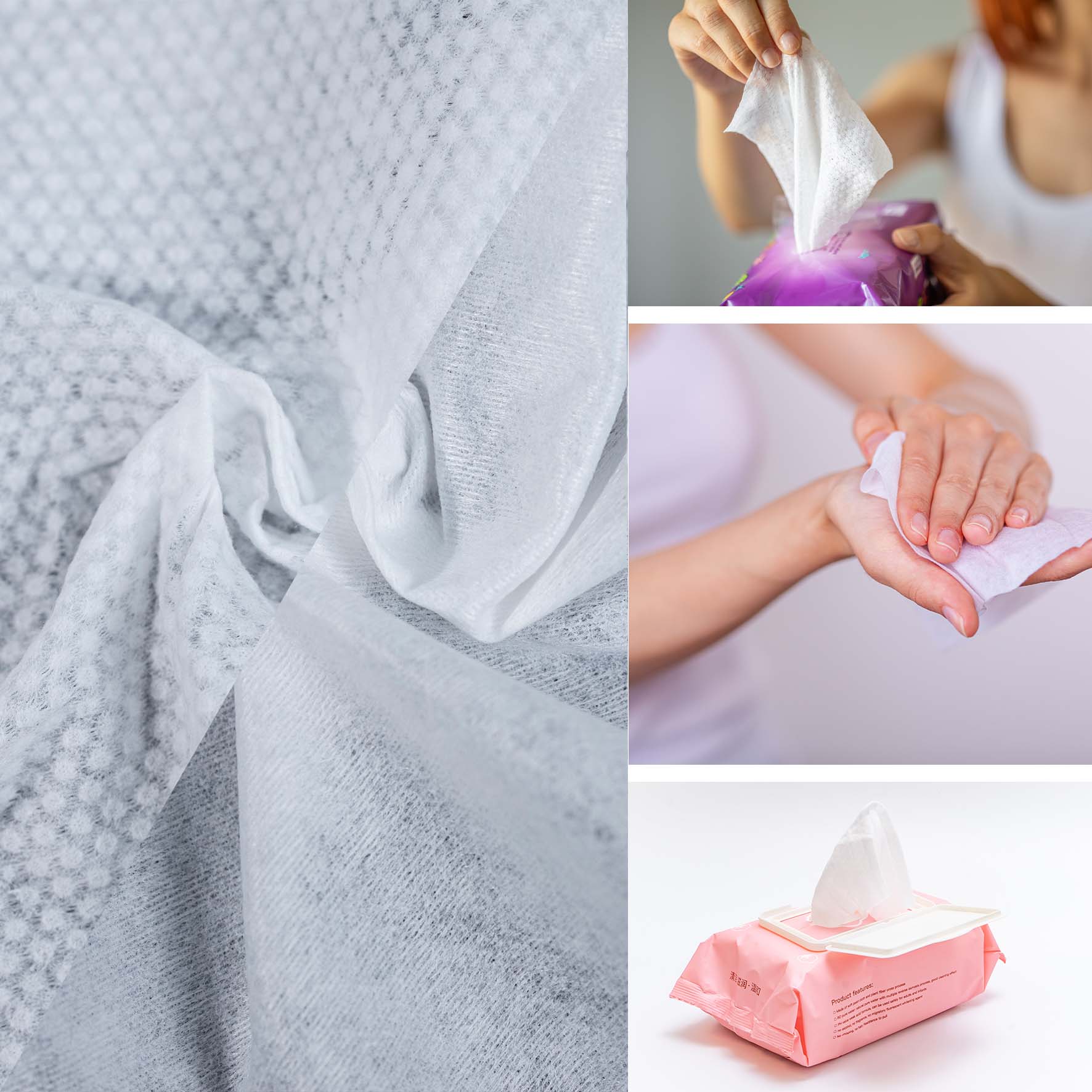
Why Is Viscose Spunlace Nonwoven Fabric So Popular in the Wet Wipes Industry?
When consumers choose wet wipes, they often focus on the packaging, fragrance, or added lotion. However, manufacturers know that the nonwoven material plays a major role in how a wipe feels and performs.
Among various materials used in wet wipes, viscose spunlace nonwoven fabric for wet wipes remains one of the most widely used options worldwide. It offers a balance of softness, absorbency, and comfort that is difficult to achieve with many synthetic fibers.
Whether for baby wipes, cosmetic wipes, personal care wipes, or household cleaning wipes, viscose-based spunlace fabrics continue to be a preferred solution for many brands.
What Is Viscose Spunlace Nonwoven Fabric?
Viscose is a regenerated cellulose fiber typically produced from wood pulp. Through the spunlace process, high-pressure water jets entangle the fibers together to form a strong yet soft nonwoven fabric.
Unlike woven textiles, spunlace fabric does not require weaving or knitting. The hydroentanglement process creates a material that combines:
- Softness
- Flexibility
- Good absorbency
- Low lint generation
- Comfortable skin contact
These characteristics make viscose spunlace nonwoven fabric for wet wipes particularly suitable for applications that involve direct contact with skin.
Why Do Wet Wipe Manufacturers Choose Viscose?
The popularity of viscose is not accidental. It addresses several key requirements that wet wipe brands care about.
Excellent Softness
One of the main reasons brands choose viscose is its soft and natural feel.
Compared with fabrics containing high levels of polyester, viscose generally feels gentler on the skin. This is especially important for:
- Baby wipes
- Facial cleansing wipes
- Makeup remover wipes
- Sensitive skin products
Consumers often associate softness with product quality.
High Liquid Absorption
Wet wipes need to hold and release liquid effectively.
Viscose fibers absorb liquid quickly and help distribute lotion evenly throughout the wipe.
This can improve:
- User experience
- Cleaning efficiency
- Moisture retention
For many wet wipe producers, absorbency is one of the most important advantages of viscose spunlace nonwoven fabric for wet wipes.
Comfortable Skin Feel
Because viscose is cellulose-based, many consumers perceive it as more natural than synthetic fibers.
The fabric typically feels:
- Smooth
- Gentle
- Comfortable
This makes it particularly attractive for personal care products.
100% Viscose vs Polyester/Viscose Blends
Many buyers assume all viscose wipes are made from 100% viscose. In reality, both pure viscose and blended constructions are common.
| Material Type | Softness | Strength | Cost | Typical Applications |
|---|---|---|---|---|
| 100% Viscose | Excellent | Medium | Higher | Premium baby wipes, facial wipes |
| 80% Viscose / 20% Polyester | Very Good | Good | Medium | Personal care wipes |
| 70% Viscose / 30% Polyester | Good | Very Good | Lower | General wet wipes |
| 50% Viscose / 50% Polyester | Moderate | High | Lower | Industrial and cleaning wipes |
The ideal blend depends on the product’s positioning and performance requirements.
Which Wet Wipes Commonly Use Viscose Spunlace Fabric?
Baby Wipes
Baby wipes often require:
- High softness
- Good absorbency
- Gentle skin contact
Many premium baby wipe brands therefore use high-viscose spunlace materials.
Facial Cleansing Wipes
Consumers expect facial wipes to feel soft and comfortable.
High-viscose fabrics help create a more premium user experience.
Makeup Removal Wipes
These products require both softness and efficient liquid distribution.
Viscose performs well in both areas.
Personal Care Wipes
For daily hygiene products, comfort is often just as important as cleaning performance.
This is another reason why viscose spunlace fabric for wet wipes remains a popular choice.
What GSM Is Common for Viscose Wet Wipes Fabric?
The appropriate weight depends on the end application.
| Application | Common GSM Range |
|---|---|
| Baby Wipes | 40–60 GSM |
| Facial Wipes | 40–70 GSM |
| Makeup Remover Wipes | 45–70 GSM |
| Household Wipes | 45–80 GSM |
| Industrial Wipes | 50–90 GSM |
Higher GSM often provides a thicker feel, but it also increases material costs.
What Are the Advantages of Viscose Spunlace Nonwoven Fabric for Wet Wipes?
Advantages
- Soft and skin-friendly
- Excellent absorbency
- Comfortable touch
- Good liquid distribution
- Suitable for personal care products
- Widely accepted by global markets
Considerations
- Generally more expensive than polyester
- Lower dry strength compared with polyester-rich blends
- Premium grades may increase production costs
Choosing the right material always requires balancing performance and budget.
Which Markets Prefer High-Viscose Wet Wipes?
Different regions often have different expectations.
Europe
European buyers increasingly focus on:
- Skin comfort
- Sustainability
- Premium quality
High-viscose and natural fiber blends are common.
North America
Consumers often value:
- Softness
- Performance
- Brand reputation
High-viscose materials are frequently used in premium wipes.
Japan and South Korea
These markets tend to pay close attention to:
- Texture
- Uniformity
- Skin feel
Soft spunlace fabrics are highly preferred.
Middle East
Many brands focus on:
- Softness
- Thickness
- Premium positioning
High-viscose materials are also widely used.
Common Buying Mistakes When Choosing Viscose Wet Wipes Material
Choosing Based Only on Price
Lower-cost materials may reduce softness and customer satisfaction.
Ignoring Blend Ratios
Not all viscose fabrics perform the same way.
A 100% viscose fabric behaves differently from a 70/30 blend.
Focusing Only on Softness
Softness is important, but strength and processability also matter.
The right balance depends on the product.
Not Testing the Final Formula
Different wipe liquids can affect material performance.
Compatibility testing is always recommended before mass production.
FAQ
1. Is viscose spunlace fabric biodegradable?
Viscose fibers are cellulose-based, but biodegradability depends on the complete fabric composition and local disposal conditions.
2. Is 100% viscose better than blended spunlace?
Not necessarily. Pure viscose offers excellent softness, while blends often provide better strength and lower cost.
3. Why is viscose commonly used in baby wipes?
Because it provides softness, absorbency, and a comfortable skin feel.
4. Can viscose spunlace be used for facial wipes?
Yes. It is widely used in facial cleansing and cosmetic wipe applications.
5. What GSM is suitable for baby wipes?
Typically between 40 and 60 GSM, depending on product positioning.
6. Is viscose more absorbent than polyester?
Generally, yes. Viscose absorbs liquids more readily than polyester.
7. Which markets prefer high-viscose wet wipes?
Europe, North America, Japan, and South Korea commonly use high-viscose materials in premium products.
8. How do I choose the right viscose blend?
The choice depends on softness requirements, strength requirements, target market, and budget.
Why Choose Weboss for Wet Wipes Spunlace Fabric?
At Weboss, we supply various grades of viscose spunlace nonwoven fabric for wet wipes, including:
- 100% viscose spunlace
- Polyester/viscose spunlace
- Bamboo fiber spunlace
- Lyocell spunlace
- PLA spunlace
- Customized wet wipes materials
With more than 10 years of export experience, we support customers in selecting suitable materials based on product positioning, target market, and performance requirements.
Our advantages include:
- Consistent quality control
- Material customization
- OEKO-TEX certified options
- Global export experience
- Professional technical support
Contact Us
Shanghai Weboss New Material Technology Co., Ltd
TEL: +86-21-33608891
FAX: +86-21-33608892
Email: info@webosstex.com
continue reading
Related Posts

Apertured Spunlace has an open mesh structure for better wiping, liquid pickup and airflow in dry towels, wipes and beauty products.

Polyester Spunlace for Wet Wipes offers high wet strength and durability for cleaning, disinfecting and industrial wipes.
-
Cotton Spunlace for Wet Wipes offers a soft, absorbent and natural feel for premium baby, facial and personal care wipes.