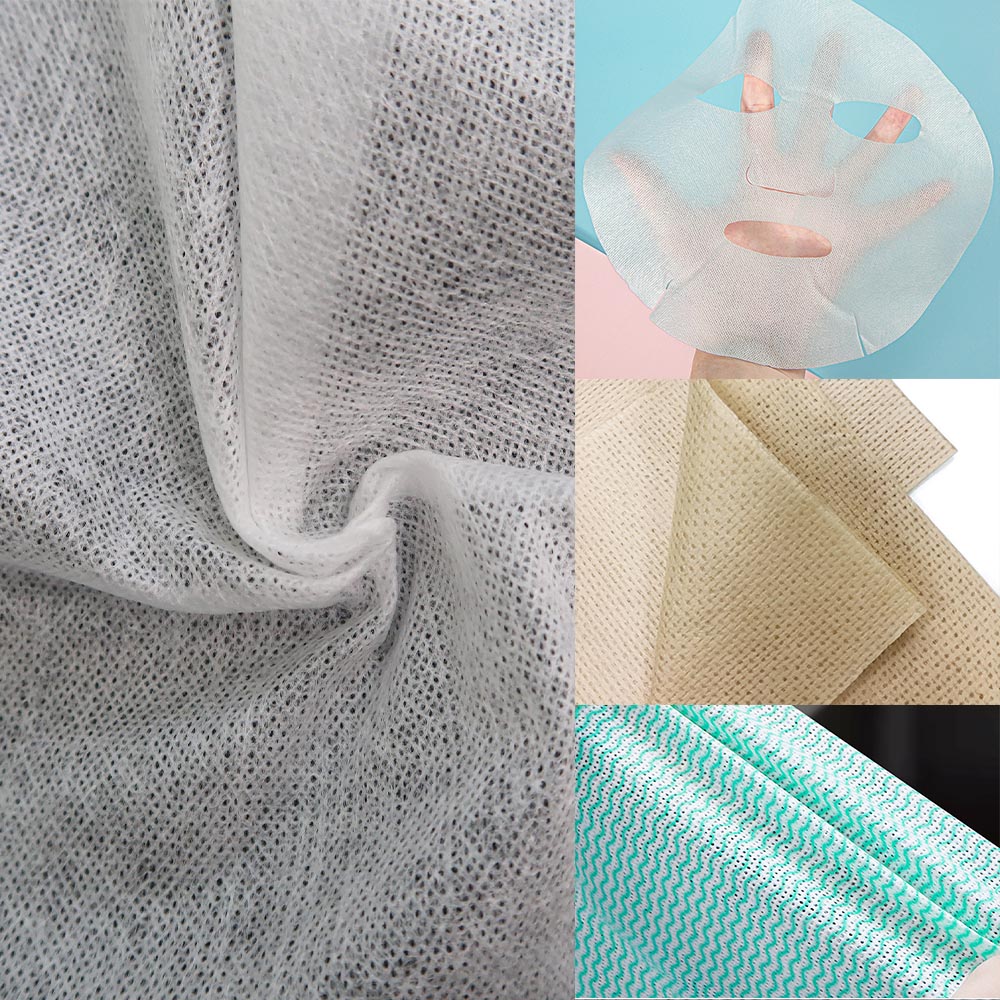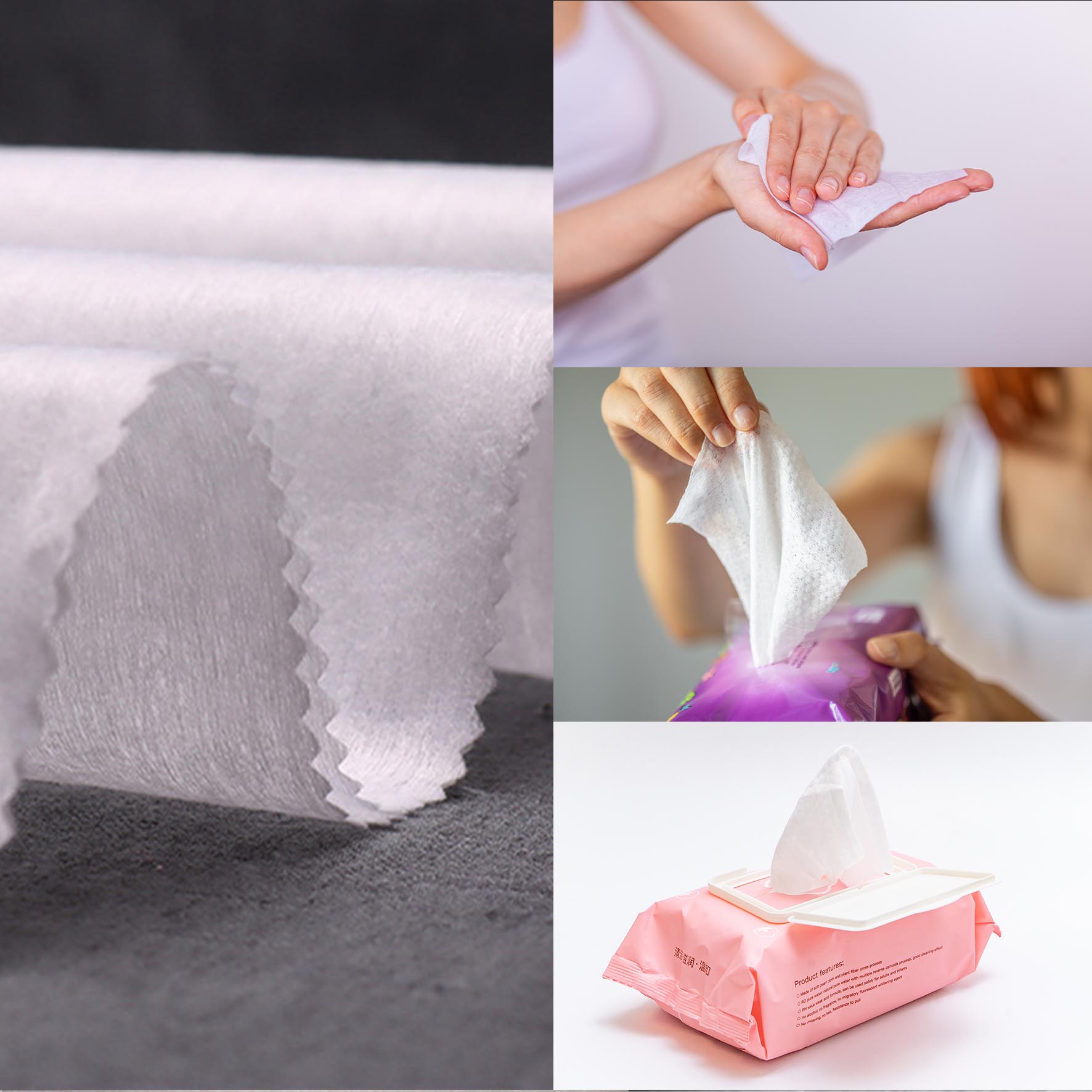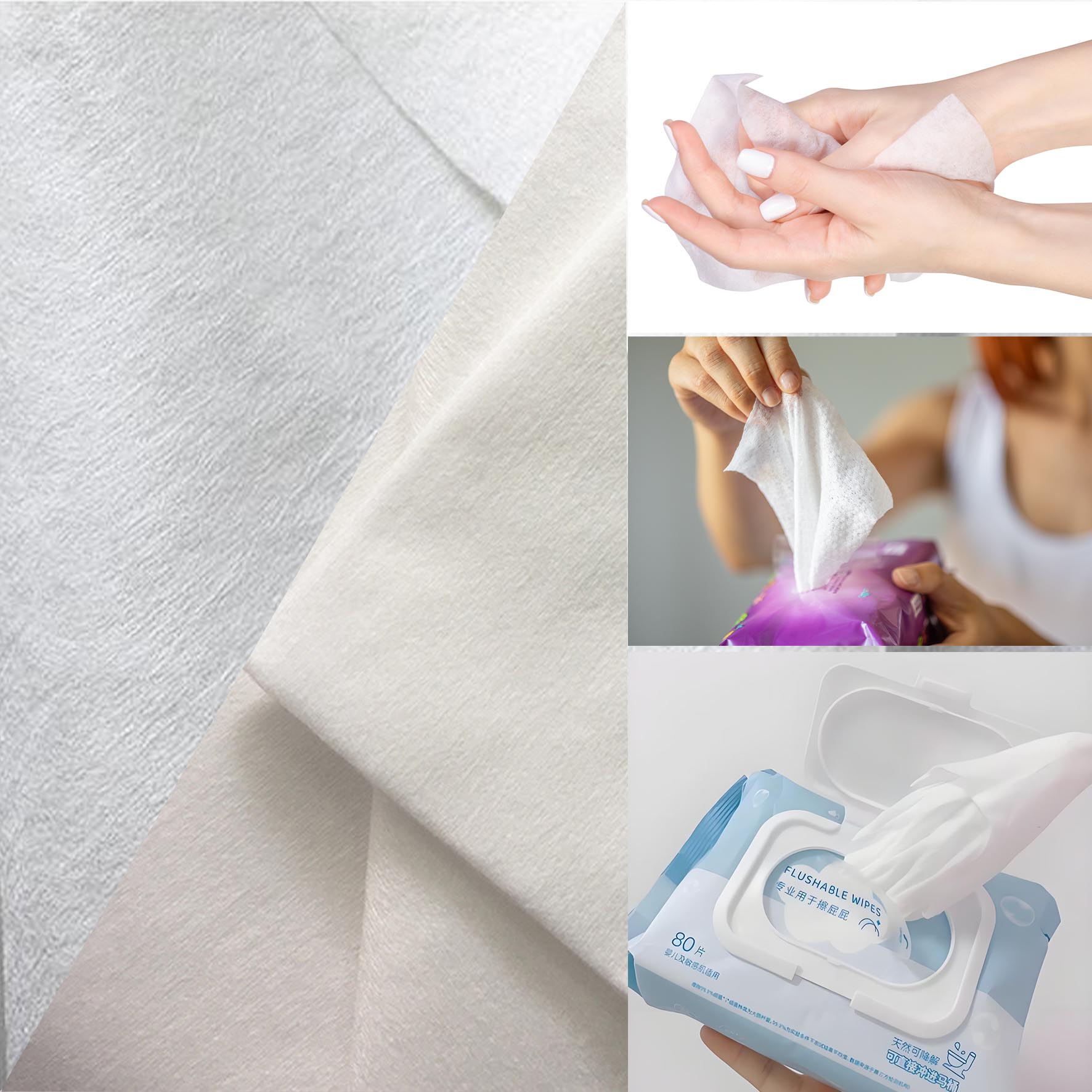
What Is the Best Spunlace Nonwoven Fabric for Wet Wipes?
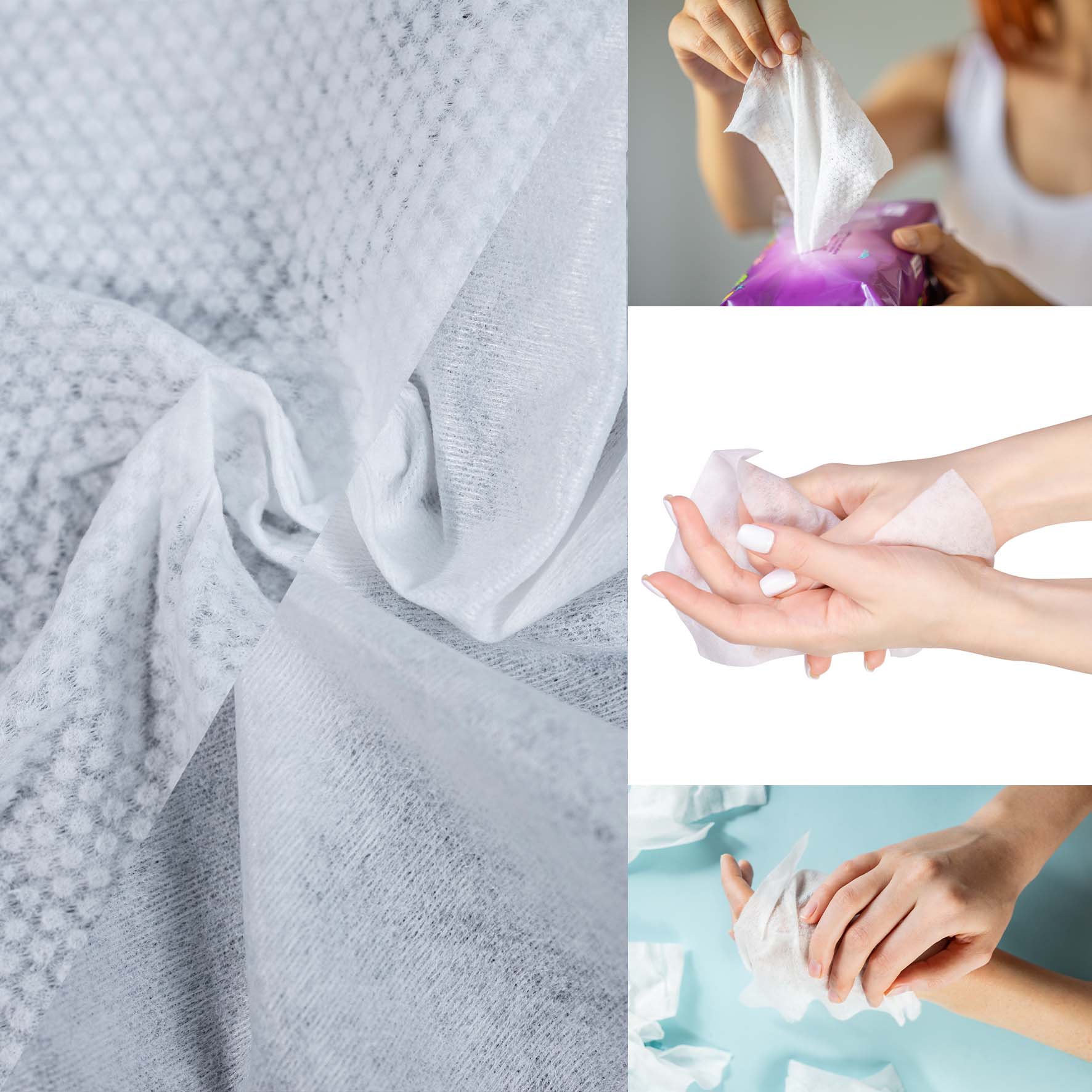
Why Is Spunlace Nonwoven Widely Used for Wet Wipes?
When people think about wet wipes, they usually focus on:
- the liquid formula
- fragrance
- packaging
But for manufacturers, the most important part is often the wipe material itself. Choosing the right Spunlace Nonwoven Fabric for Wet Wipes directly affects softness, absorbency, and customer experience.
Because customers immediately notice:
- softness
- thickness
- absorbency
- stretch resistance
- skin feel
And in most wet wipes, the material used is:
Spunlace nonwoven fabric
Why?
Because spunlace offers a good balance of:
- softness
- strength
- absorbency
- cost
- skin comfort
That is why it has become one of the most common materials for:
- baby wipes
- household wipes
- cosmetic wipes
- disinfecting wipes
- industrial cleaning wipes
But not all spunlace fabrics are the same.
The raw material composition changes everything.
What Materials Are Used in Spunlace Wet Wipes?
Many buyers assume wet wipes use only one material. In reality, different types of Spunlace Nonwoven Fabric for Wet Wipes are used depending on product positioning and market demand.
In reality, spunlace wipes can be made from many fiber combinations.
The most common include:
| Material | Softness | Cost | Absorbency | Wet Strength | Common Market Position |
|---|---|---|---|---|---|
| Polyester + Viscose | Good | Medium | Good | Good | Mainstream wet wipes |
| 100% Viscose | Very soft | Higher | Excellent | Medium | Premium baby wipes |
| Polyester | Lower softness | Low | Lower | Strong | Industrial wipes |
| Wood Pulp + PP/PET | Good | Medium | Very good | Medium | Cleaning wipes |
| Bamboo Fiber | Soft | Higher | Good | Medium | Eco-friendly wipes |
| Cotton | Excellent | High | Excellent | Medium | Premium skincare wipes |
| Lyocell (Tencel) | Excellent | High | Excellent | Strong | High-end skincare and baby wipes |
| PLA | Good | High | Good | Medium | Biodegradable wipes |
Different combinations are chosen for different goals.
Polyester and Viscose: The Most Common Wet Wipes Material
This is probably the most widely used spunlace blend in the market.
A common ratio is:
- 70% viscose + 30% polyester
- or 80/20
Why is this blend so popular?
Because it balances:
- softness
- strength
- production cost
What Does Viscose Do?
Viscose mainly improves:
- softness
- liquid absorption
- skin comfort
This is important for:
- baby wipes
- personal care wipes
- facial wipes
What Does Polyester Do?
Polyester mainly improves:
- tensile strength
- durability
- processing stability
Without polyester, some wipes may tear more easily.
Are 100% Viscose Wet Wipes Better?
Not always—but they are usually positioned as more premium.
Advantages:
- softer touch
- more natural feel
- better absorbency
That’s why many high-end wipes use high viscose content.
Especially:
- baby wipes
- skincare wipes
- sensitive skin wipes
But there are trade-offs too.
Possible disadvantages:
- higher cost
- lower dry strength
- slower processing in some converting lines
So higher viscose does not automatically mean “better” for every product.
What Materials Are Used in Premium Wet Wipes?
Premium wipes usually focus on:
- skin comfort
- softness
- natural positioning
- eco-friendly image
Common materials include:
1. High Viscose Spunlace
Very common in:
- baby wipes
- cosmetic wipes
Soft and comfortable.
2. Cotton Spunlace
Used in:
- luxury skincare wipes
- compressed towels
- facial cleansing wipes
Consumers often associate cotton with:
- gentleness
- premium quality
But cotton is expensive.
3. Bamboo Fiber Spunlace
Popular for:
- natural branding
- eco-friendly marketing
Especially common in:
- organic wipes
- baby products
4. Lyocell (Tencel) Spunlace
Lyocell, also known as Tencel fiber, is becoming increasingly popular in premium wet wipes and skincare wipes.
Compared with regular viscose, lyocell usually offers:
- better softness
- smoother skin feel
- stronger wet strength
- better drape performance
That is why it is widely used in:
- premium baby wipes
- facial cleansing wipes
- beauty and skincare products
- high-end dry wipes
Another reason brands like lyocell is its eco-friendly image.
Many consumers associate Tencel with:
- sustainable sourcing
- skin comfort
- premium quality
In Europe and some high-end Asian markets, lyocell spunlace is becoming more common in products positioned as:
- plastic-free
- biodegradable
- premium skincare wipes
However, lyocell material is usually more expensive than standard viscose blends, so it is mainly used in higher-end products.
5. PLA Spunlace
Growing in eco-focused markets.
Main advantage:
- biodegradable positioning
But cost is still relatively high.
What Materials Are Used in Low-Cost Wet Wipes?
For economy-grade wipes, cost control becomes the main factor.
Common choices:
- higher polyester ratio
- lower GSM
- simpler spunlace structure
These are often used for:
- restaurant wipes
- industrial wipes
- basic cleaning wipes
The goal is usually:
👉 acceptable performance at lower cost
Not luxury skin feel.
How Do Wet Wipe Material Preferences Differ by Region?
This is something many suppliers overlook.
Different markets often prefer very different wipe materials.
Understanding regional preference is extremely important in export business.
What Materials Are Popular in Europe and North America?
These markets increasingly focus on:
- sustainability
- skin safety
- biodegradability
Popular materials:
- high-viscose spunlace
- cotton spunlace
- bamboo fiber
- flushable materials
- plastic-free wipes
Customers in these regions often ask about:
- OEKO certification
- biodegradable claims
- flushability
- sustainability
Softness also matters a lot.
What Materials Are Popular in the Middle East?
Middle Eastern markets often focus more on:
- thickness
- softness
- luxury feel
Many buyers prefer:
- thicker GSM
- embossed wipes
- softer hand feel
Polyester/viscose blends remain very common.
Packaging appearance also matters heavily in this market.
What Materials Are Popular in Southeast Asia?
Price sensitivity is usually stronger.
Common choices:
- polyester/viscose blends
- medium GSM spunlace
The market often balances:
- cost
- softness
- acceptable durability
In tropical climates, some buyers also pay attention to:
- moisture retention
- packaging sealing quality
What Materials Are Popular in Japan and Korea?
Japan and Korea usually pay very close attention to:
- skin feel
- softness
- cleanliness
- uniformity
High-quality spunlace is common.
Popular choices include:
- high-viscose wipes
- cotton wipes
- soft embossed spunlace
Consumers in these markets often notice small quality differences quickly.
How to Choose the Right Spunlace Nonwoven Fabric for Wet Wipes?
Instead of asking:
“What is the best material?”
A better question is:
“What type of wipe am I making?”
For Baby Wipes
Focus on:
- softness
- skin safety
- absorbency
Recommended:
- high viscose
- cotton blends
- bamboo fiber
For Disinfecting Wipes
Focus on:
- strength
- chemical compatibility
Recommended:
- polyester/viscose blends
For Industrial Wipes
Focus on:
- durability
- low lint
- cost control
Recommended:
- higher polyester content
For Eco-Friendly Wipes
Focus on:
- biodegradability
- natural fibers
Recommended:
- PLA
- bamboo
- cotton
- wood pulp blends
Common Buying Mistakes
1. Choosing Only by Price
Cheap wipes often create problems:
- rough hand feel
- weak absorbency
- tearing issues
Low cost may hurt the final product image.
2. Ignoring the Local Market Preference
A material that sells well in Europe may not work well in Southeast Asia.
Market preference matters.
3. Focusing Only on Softness
Very soft wipes may sometimes have:
- weaker strength
- converting difficulties
Balance is important.
4. Ignoring Liquid Compatibility
Some wipe liquids interact differently with different fiber blends.
Always test compatibility.
FAQ About Spunlace Nonwoven Fabric for Wet Wipes
1. Why is spunlace used for wet wipes?
Because it combines softness, absorbency, and strength.
2. What is the most common wet wipe material?
Polyester and viscose blends.
3. Are cotton wipes better?
They are softer and more premium, but more expensive.
4. What material is used in baby wipes?
Usually high-viscose or soft spunlace blends.
5. Are bamboo wipes biodegradable?
It depends on the full fiber composition.
6. What do European buyers prefer?
More eco-friendly and plastic-free materials.
7. Why is polyester added to wipes?
To improve strength and durability.
8. Is thicker spunlace always better?
Not necessarily. It depends on the application and cost target.
9. What GSM is common for wet wipes?
Usually around 35gsm–80gsm depending on the product.
Why Choose Weboss as Your Spunlace Wet Wipes Material Supplier?
At Weboss, we understand that choosing the right Spunlace Nonwoven Fabric for Wet Wipes is not just about GSM or price.
Different markets care about different things:
- softness
- sustainability
- durability
- luxury feel
- cost control
From our export experience, material choice directly affects:
- product positioning
- customer satisfaction
- market competitiveness
We offer:
- spunlace material customization
- multiple fiber options
- eco-friendly material solutions
- stable quality support
- export experience in global wet wipes markets
Including:
- Europe
- North America
- Middle East
- Southeast Asia
- Japan and Korea
👉 We help customers choose materials based on real market needs, not just specifications.
Contact Us
If you are looking for a reliable spunlace nonwoven fabric supplier for wet wipes, feel free to contact us:
- TEL: +86-21-33608891
- FAX: +86-21-33608892
- Email: info@webosstex.com
continue reading
Related Posts

Apertured Spunlace has an open mesh structure for better wiping, liquid pickup and airflow in dry towels, wipes and beauty products.

Polyester Spunlace for Wet Wipes offers high wet strength and durability for cleaning, disinfecting and industrial wipes.
-
Cotton Spunlace for Wet Wipes offers a soft, absorbent and natural feel for premium baby, facial and personal care wipes.