Chitosan Spunlace Nonwoven Fabric for Wet Wipes: Premium Applications
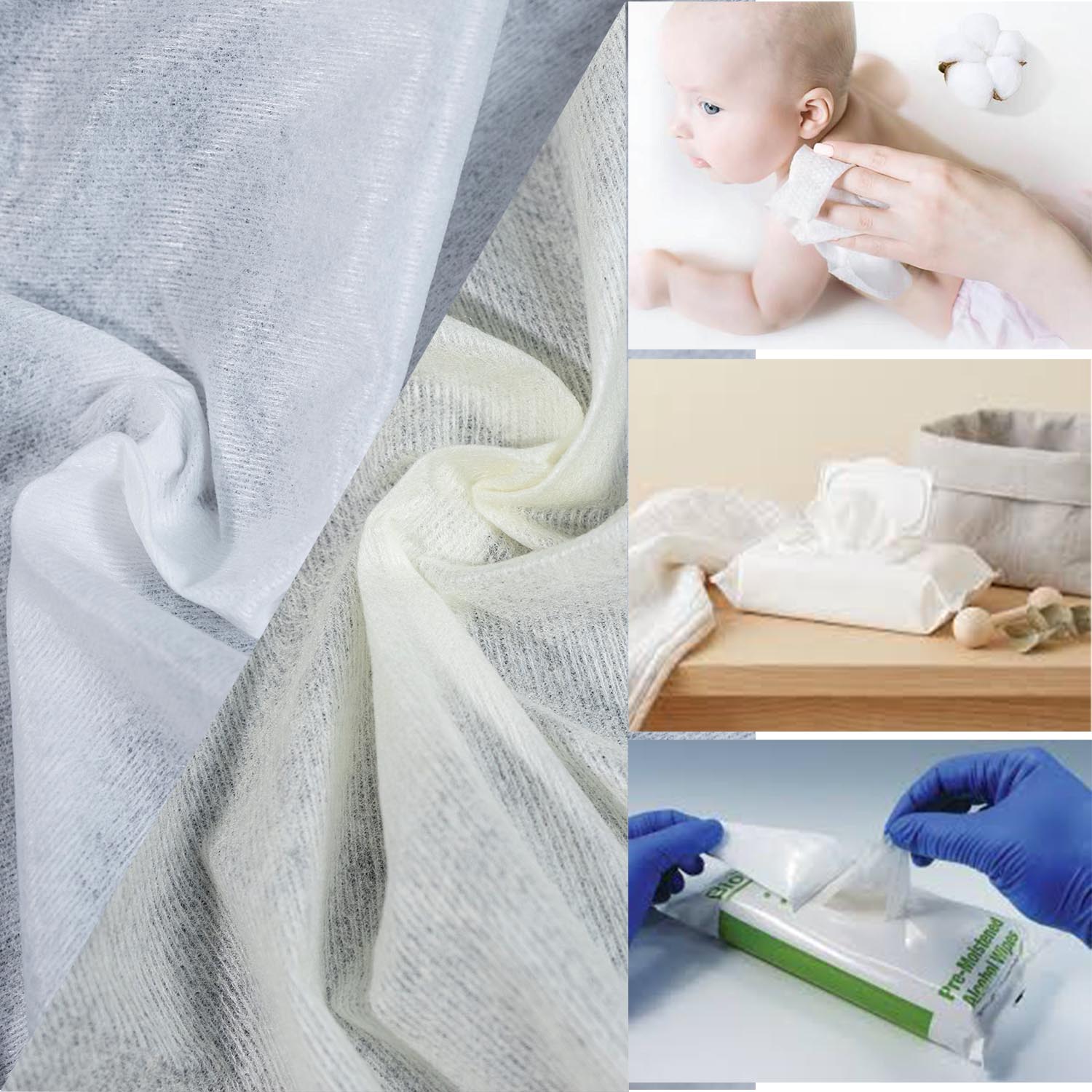
Why Is Chitosan Spunlace Nonwoven Fabric Receiving More Attention?
Most wet wipes are manufactured using viscose, polyester, wood pulp, or lyocell fibers. These materials provide a good balance of performance and cost.
However, as consumers increasingly seek premium, skin-friendly, and environmentally conscious products, manufacturers are exploring new materials that can offer additional value.
One material attracting growing interest is Chitosan Spunlace Nonwoven Fabric for Wet Wipes.
Although it remains a niche product compared with conventional spunlace materials, it has found opportunities in several high-end and specialized wipe segments.
What Is Chitosan?
Chitosan is a natural biopolymer derived from chitin, which is commonly found in shrimp shells, crab shells, and other crustaceans.
After processing, chitosan can be converted into fibers or incorporated into nonwoven materials.
Because of its natural origin, chitosan is often associated with:
- Biobased materials
- Skin-friendly products
- Functional textile applications
- Sustainable material development
These characteristics have encouraged research and commercial development in medical textiles, cosmetics, and specialty wipes.
How Is Chitosan Used in Spunlace Nonwoven Fabric?
Pure chitosan fiber nonwoven fabric is technically possible but relatively uncommon due to its high cost.
Commercial products are more likely to use:
- Chitosan and viscose blends
- Chitosan and lyocell blends
- Chitosan-treated spunlace fabric
- Functional composite structures
This approach helps manufacturers balance performance and cost while maintaining the desired product positioning.
Where Can Chitosan Wet Wipes Be Used?
Unlike conventional wet wipes, chitosan-based wipes are generally designed for premium applications.
Skin Care Wipes
One of the most common applications is cosmetic and skin care wipes.
Brands often seek materials that provide:
- Soft touch
- Comfortable skin contact
- Premium product image
Chitosan-containing fabrics can help support this positioning.
Facial Cleansing Wipes
Consumers using facial wipes often expect higher material quality than standard cleaning wipes.
For this reason, some premium facial wipe brands explore Chitosan Spunlace Nonwoven Fabric for Wet Wipes as a differentiation strategy.
Baby Care Wipes
Although not yet widely adopted due to cost considerations, some high-end baby care products investigate chitosan-based materials because of their gentle and skin-friendly characteristics.
Medical and Healthcare Wipes
Medical and healthcare wipes represent one of the most promising areas.
Examples include:
- Patient care wipes
- Nursing wipes
- Specialty hygiene wipes
- Hospital care products
Material comfort and product performance are often more important than achieving the lowest possible cost.
Women’s Personal Care Wipes
Premium feminine hygiene wipes sometimes use advanced nonwoven materials to improve user experience and product differentiation.
Chitosan-based spunlace materials may be considered in this category.
How Does Chitosan Compare with Conventional Wet Wipes Materials?
| Material | Softness | Cost | Premium Positioning | Typical Market |
|---|---|---|---|---|
| Polyester | Medium | Low | Low | General Wipes |
| Viscose | High | Medium | Medium | Baby & Personal Care Wipes |
| Lyocell | Very High | High | High | Premium Wipes |
| Bamboo Fiber | High | High | High | Eco-Friendly Wipes |
| Chitosan Blends | High | Very High | Very High | Specialty & Premium Wipes |
The table illustrates why chitosan products are generally positioned at the upper end of the market.
What Advantages Does Chitosan Spunlace Nonwoven Fabric Offer?
Premium Brand Differentiation
Many wet wipe brands compete in crowded markets.
Using specialty materials can help create a unique product story.
Natural Material Origin
Consumers increasingly pay attention to the source of materials used in personal care products.
Chitosan’s natural origin supports this trend.
Comfortable Skin Contact
Softness and comfort remain important factors in premium wipe applications.
Innovation Potential
As sustainable and biobased materials continue to develop, chitosan may play a larger role in future wipe products.
What Challenges Limit Wider Adoption?
Despite its advantages, Chitosan Spunlace Nonwoven Fabric for Wet Wipes still faces several challenges.
High Material Cost
This remains the biggest barrier.
Compared with viscose or polyester, chitosan fibers are significantly more expensive.
Limited Supply Chain Availability
Global production capacity remains relatively small compared with mainstream fibers.
Market Acceptance
Many consumers are still unfamiliar with chitosan-based wipe materials.
Brands often need additional marketing and education efforts.
Is Chitosan the Future of Wet Wipes?
At present, chitosan is unlikely to replace conventional spunlace materials in mass-market wet wipes.
However, it may continue to grow in:
- Premium skincare wipes
- Specialty healthcare wipes
- High-end baby care products
- Functional personal care wipes
As manufacturers seek innovative and differentiated materials, chitosan will remain an interesting option for selected applications.
FAQ
1. What is chitosan spunlace nonwoven fabric?
It is a specialty nonwoven material made using chitosan fibers, chitosan blends, or chitosan functional treatments.
2. Is pure chitosan nonwoven fabric commonly used for wet wipes?
No. Pure chitosan products are typically expensive and less common than blended constructions.
3. Why is chitosan considered a premium material?
Because of its natural origin, specialized functionality, and relatively high production cost.
4. Can chitosan wipes be used for skincare products?
Yes. Premium facial and skincare wipes are among the potential applications.
5. Is chitosan used in medical wipes?
Certain healthcare and specialty hygiene wipe products may use chitosan-containing materials.
6. How does chitosan compare with viscose?
Chitosan generally offers a more specialized positioning but comes at a significantly higher cost.
Why Choose Weboss?
Weboss supplies a variety of specialty spunlace nonwoven materials for wet wipes applications, including:
- Viscose spunlace nonwoven fabric
- Lyocell spunlace nonwoven fabric
- Bamboo fiber spunlace nonwoven fabric
- PLA spunlace nonwoven fabric
- Functional specialty spunlace materials
With over 10 years of export experience, we help customers evaluate materials based on performance requirements, target markets, sustainability goals, and product positioning.
Contact Us
Shanghai Weboss New Material Technology Co., Ltd
TEL: +86-21-33608891
FAX: +86-21-33608892
Email: info@webosstex.com
continue reading
Related Posts

Apertured Spunlace has an open mesh structure for better wiping, liquid pickup and airflow in dry towels, wipes and beauty products.

Polyester Spunlace for Wet Wipes offers high wet strength and durability for cleaning, disinfecting and industrial wipes.
-
Cotton Spunlace for Wet Wipes offers a soft, absorbent and natural feel for premium baby, facial and personal care wipes.