How to Choose Baby Wipes Spunlace Nonwoven Fabric?
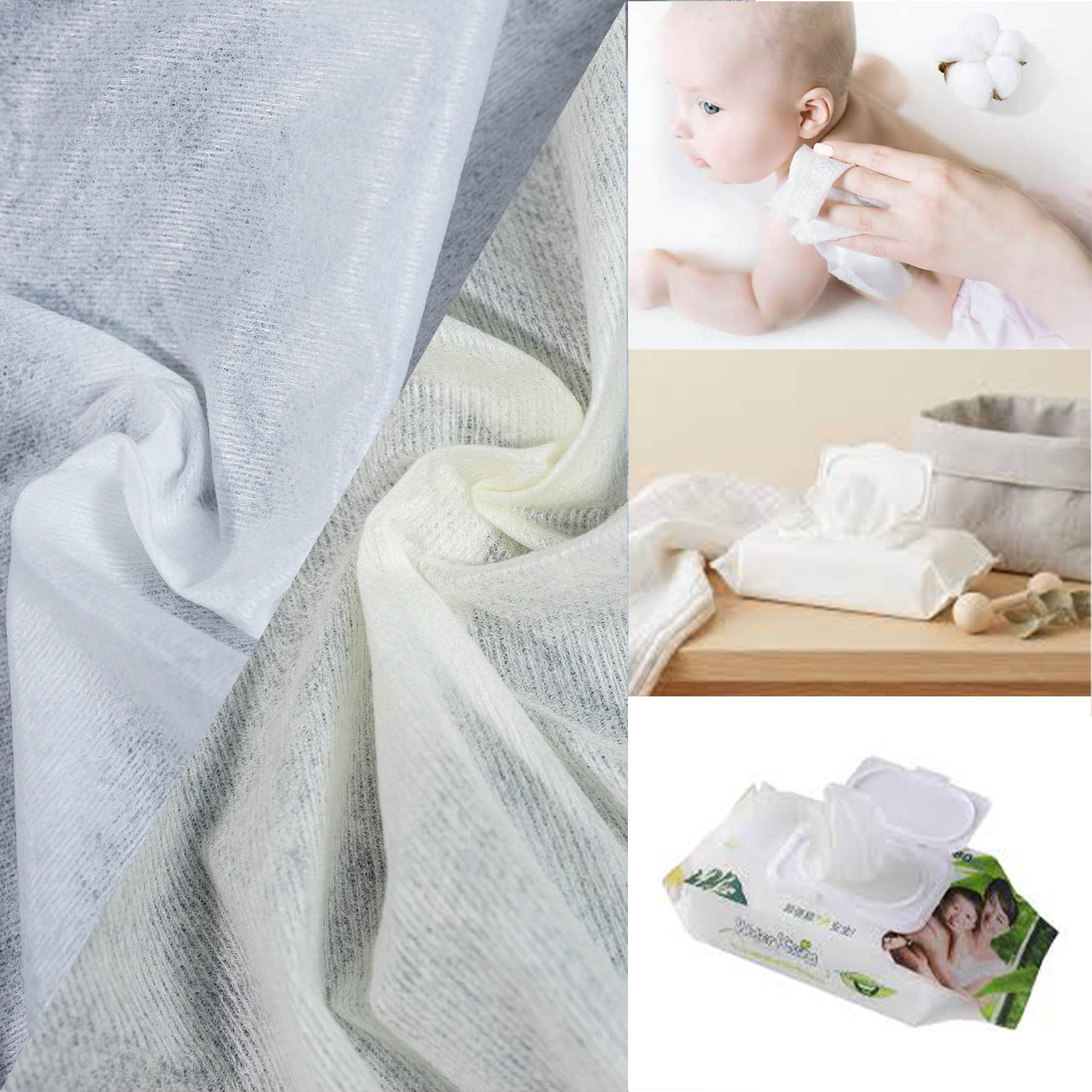
Why Does Material Selection Matter for Baby Wipes?
Parents pay close attention to what touches their baby’s skin. While ingredients and packaging often attract the most attention, the nonwoven fabric itself plays a major role in the overall user experience.
A baby wipe may contain a high-quality lotion, but if the material feels rough, tears easily, or lacks absorbency, consumers will quickly notice the difference.
This is why choosing the right Baby Wipes Spunlace Nonwoven Fabric is one of the most important decisions for wet wipe manufacturers.
What Makes Spunlace Nonwoven Fabric Suitable for Baby Wipes?
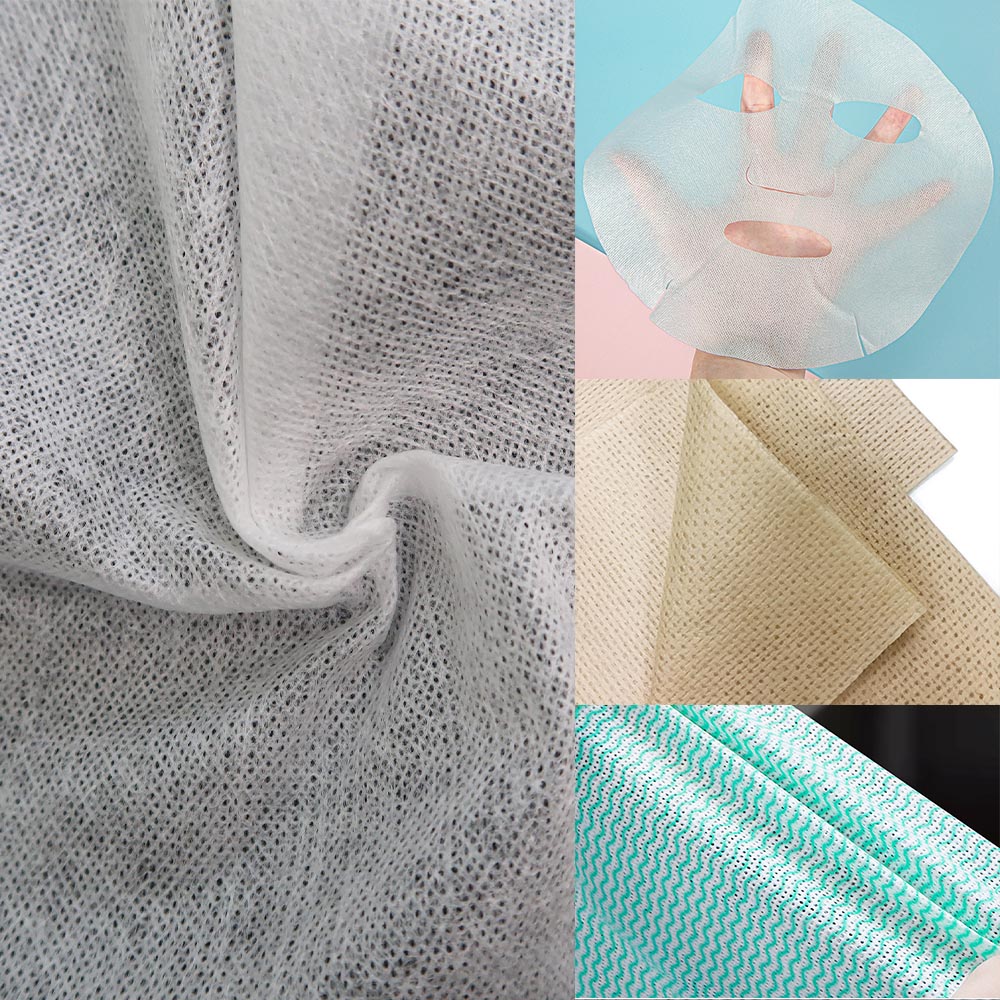
Spunlace nonwoven fabric is produced by entangling fibers with high-pressure water jets. This process creates a soft and flexible material without the need for weaving or knitting.
Compared with many other nonwoven technologies, spunlace offers several advantages:
- Softer hand feel
- Better liquid absorption
- Good strength
- Low lint generation
- Comfortable skin contact
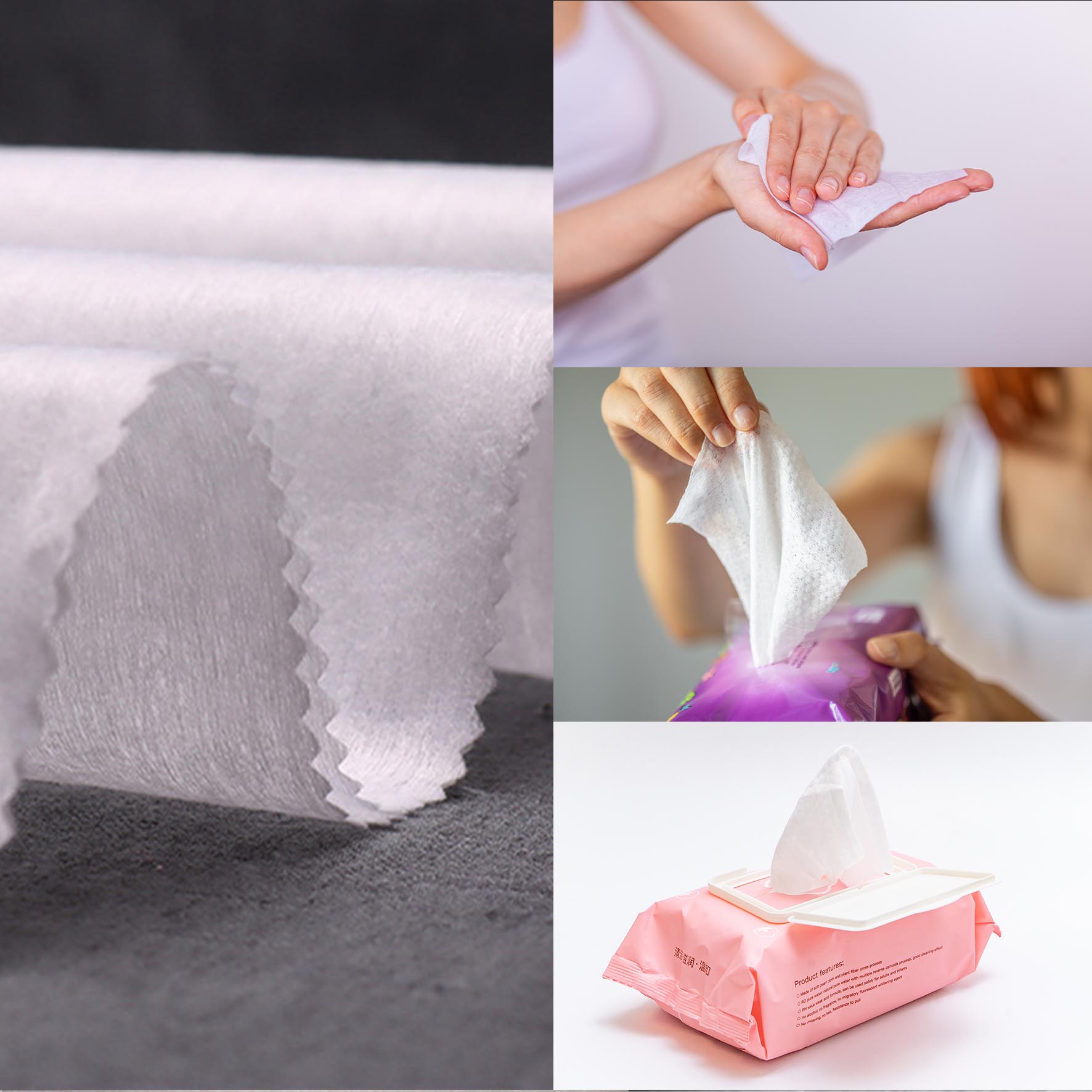
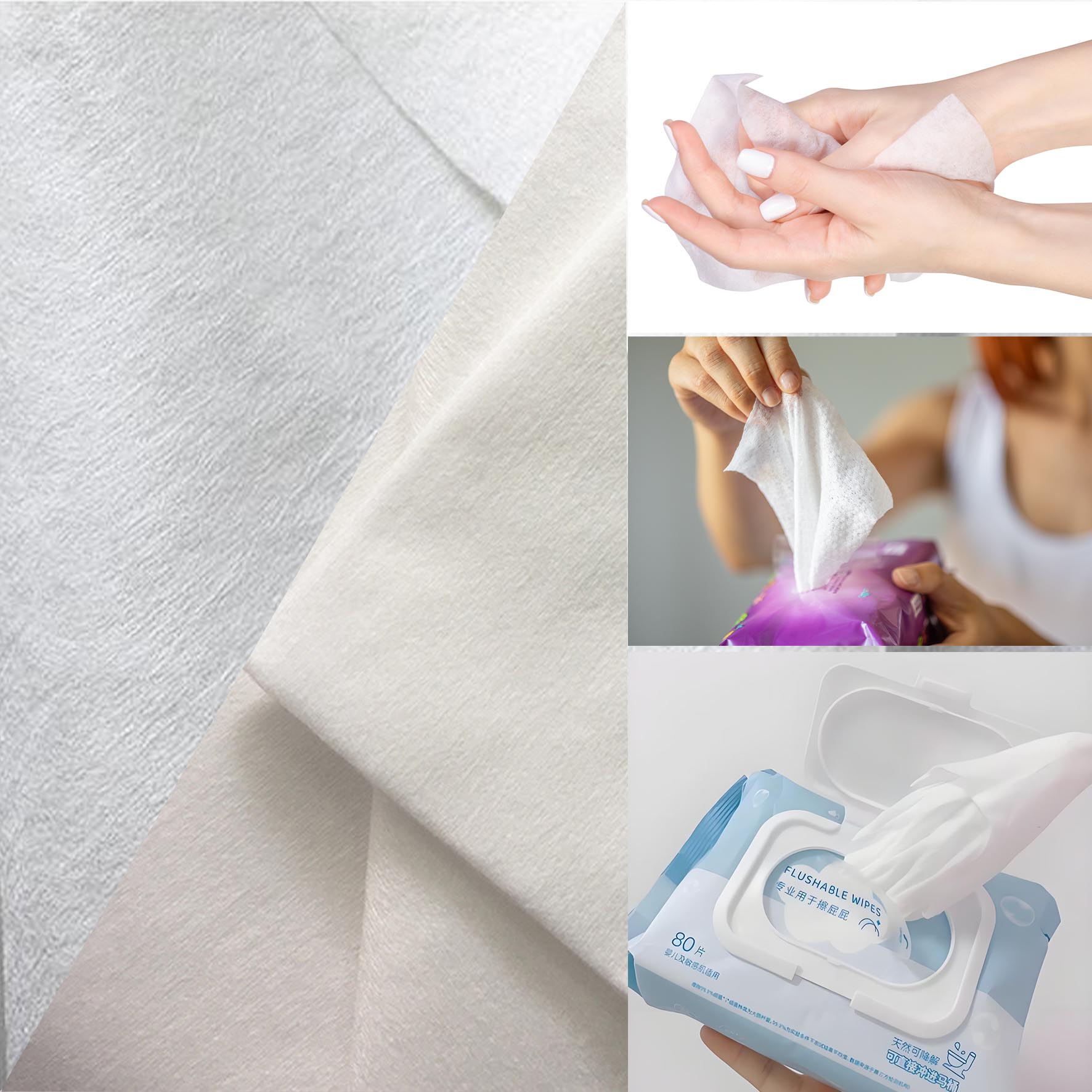
These characteristics make Baby Wipes Spunlace Nonwoven Fabric one of the most commonly used materials worldwide.
What Materials Are Commonly Used in Baby Wipes Spunlace Nonwoven Fabric?
Not all baby wipes use the same fibers.
Different brands choose different materials based on positioning, target markets, and cost considerations.
High Viscose Spunlace
Viscose remains one of the most popular options.
Advantages include:
- Excellent softness
- Good absorbency
- Comfortable skin feel
Premium baby wipes often contain 80%–100% viscose.
Lyocell (Tencel) Spunlace
Lyocell has gained popularity in recent years.
Compared with conventional viscose, it can provide:
- Smoother touch
- Better wet strength
- Premium positioning
Many high-end baby wipe brands now use lyocell-based spunlace materials.
Bamboo Fiber Spunlace
Bamboo fiber is often selected for brands that promote natural and eco-friendly concepts.
It is commonly found in:
- Organic baby wipes
- Eco-friendly baby care products
- Premium wipe collections
Polyester and Viscose Blends
For mainstream products, polyester and viscose blends remain highly popular.
They help balance:
- Cost
- Softness
- Strength
Many large-volume baby wipe manufacturers use this combination.
Which Material Is Best for Premium Baby Wipes?
There is no single “best” material.
The answer depends on product positioning.
| Material | Softness | Absorbency | Wet Strength | Typical Positioning |
|---|---|---|---|---|
| 100% Viscose | Excellent | Excellent | Medium | Premium Baby Wipes |
| Lyocell | Excellent | Excellent | Good | Premium & Eco-Friendly |
| Bamboo Fiber | Very Good | Good | Medium | Natural Baby Wipes |
| Viscose/Polyester | Good | Good | Good | Mainstream Baby Wipes |
Many premium brands focus on softness first because baby skin is more sensitive than adult skin.
What Do Parents Care About Most?
From a consumer perspective, several factors influence purchasing decisions.
Softness
A wipe that feels soft is often associated with higher quality.
Parents usually expect baby wipes to be gentle enough for frequent use.
Moisture Retention
The material should hold lotion evenly and release moisture effectively during use.
Poor absorbency can make wipes feel dry or less effective.
Strength
Nobody likes a wipe that tears during use.
The material must remain strong even after being saturated with liquid.
Skin Comfort
The wipe should not feel rough or abrasive.
This is one reason why Baby Wipes Spunlace Nonwoven Fabric is preferred over many alternative materials.
What Material Preferences Exist in Different Markets?
Different regions often have different expectations.
Europe
European consumers increasingly prefer:
- Plastic-free wipes
- Sustainable fibers
- High-viscose materials
- Lyocell-based products
Environmental concerns strongly influence purchasing decisions.
North America
Consumers often focus on:
- Softness
- Brand reputation
- Product performance
Viscose-rich spunlace materials remain common.
Japan and South Korea
These markets are known for demanding high-quality baby care products.
Manufacturers often emphasize:
- Ultra-soft textures
- Premium fibers
- Consistent quality
Lyocell and high-viscose spunlace fabrics are frequently used.
Middle East
Many brands prioritize:
- Softness
- Thickness
- Luxury positioning
Higher GSM spunlace materials are often preferred.
Common Mistakes When Selecting Baby Wipes Material
Choosing Based Only on Price
The lowest-cost option may not deliver the comfort parents expect.
Ignoring Wet Strength
Softness is important, but wipes also need to remain strong during use.
Overlooking Market Preferences
A material popular in Europe may not be the best choice for Southeast Asia or the Middle East.
Focusing Only on Fiber Type
Fabric performance is influenced by:
- Fiber blend
- Fabric structure
- GSM
- Embossing design
Material selection should consider the entire product design.
How to Choose the Right Baby Wipes Spunlace Nonwoven Fabric?
Before selecting a material, manufacturers should consider:
- Target market
- Product positioning
- Retail price range
- Sustainability goals
- Desired softness level
The right solution is often a balance between performance and cost.
FAQ
1. What is the most common material used in baby wipes?
Viscose and polyester/viscose spunlace materials are among the most widely used options.
2. Why is spunlace nonwoven fabric used for baby wipes?
Because it offers softness, absorbency, and good strength.
3. Is 100% viscose better for baby wipes?
It provides excellent softness but may have a higher cost than blended materials.
4. Is lyocell suitable for baby wipes?
Yes. Lyocell is increasingly used in premium and eco-friendly baby wipe products.
5. What GSM is common for baby wipes?
Most baby wipes use spunlace fabrics ranging from 40 GSM to 60 GSM.
6. Which material is more eco-friendly?
Lyocell, bamboo fiber, PLA, and high-cellulose materials are often used in sustainable wipe solutions.
7. Why do some baby wipes feel softer than others?
Softness depends on fiber type, fabric structure, GSM, and finishing processes.
Why Choose Weboss?
At Weboss, we supply various grades of Baby Wipes Spunlace Nonwoven Fabric for global wet wipe manufacturers.
Our product range includes:
- Viscose spunlace nonwoven fabric
- Polyester/viscose spunlace nonwoven fabric
- Bamboo fiber spunlace nonwoven fabric
- Lyocell spunlace nonwoven fabric
- PLA spunlace nonwoven fabric
- Customized wet wipe materials
With more than 10 years of industry experience, we help customers select suitable materials based on product positioning, market requirements, and performance goals.
Our advantages include:
- Stable quality control
- Material customization
- OEKO-TEX certified options
- Global export experience
- Professional technical support
Contact Us
Shanghai Weboss New Material Technology Co., Ltd
TEL: +86-21-33608891
FAX: +86-21-33608892
Email: info@webosstex.com
continue reading
Related Posts

Apertured Spunlace has an open mesh structure for better wiping, liquid pickup and airflow in dry towels, wipes and beauty products.

Polyester Spunlace for Wet Wipes offers high wet strength and durability for cleaning, disinfecting and industrial wipes.
-
Cotton Spunlace for Wet Wipes offers a soft, absorbent and natural feel for premium baby, facial and personal care wipes.