Meltblown and Spunbond: What’s the Difference?
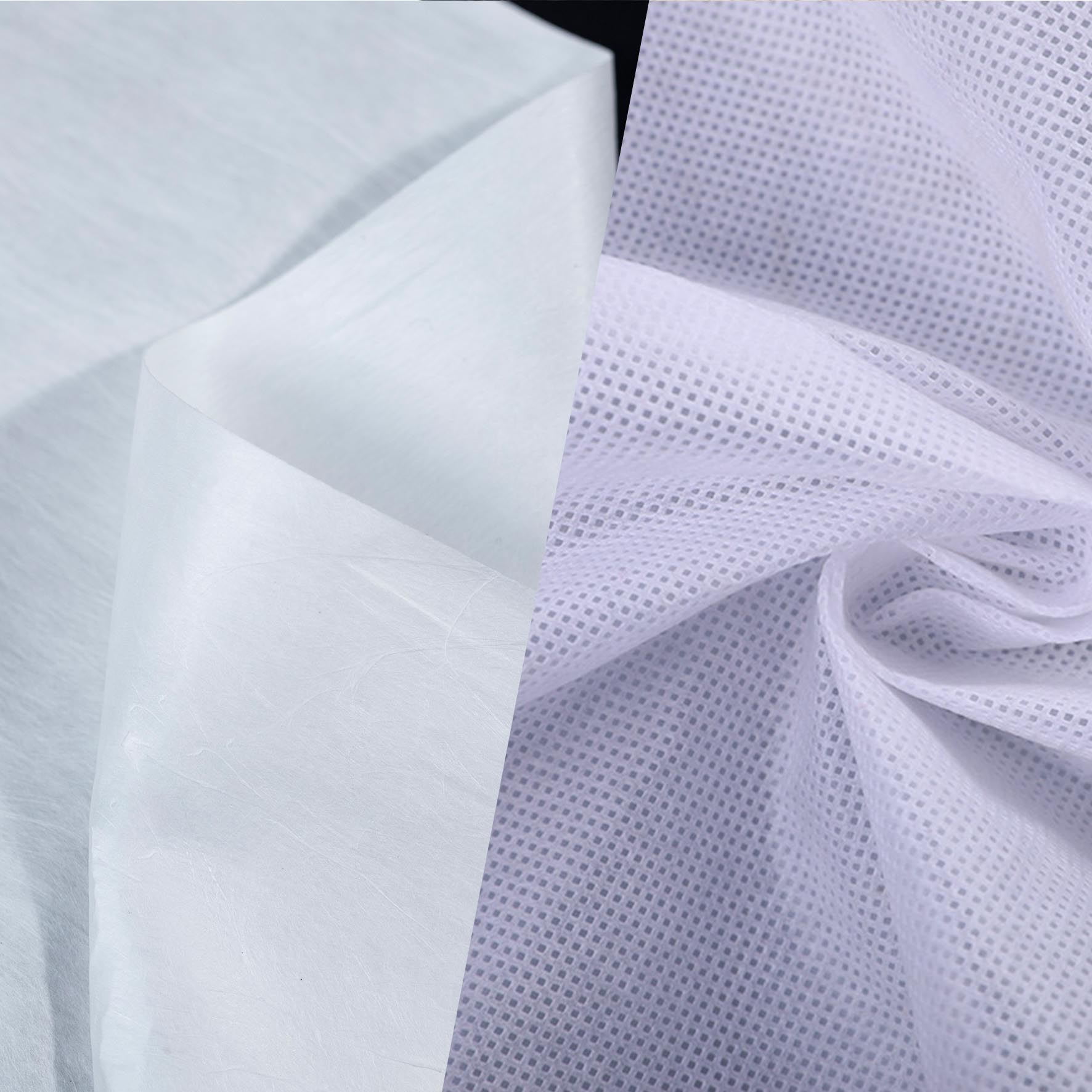
What Are Meltblown and Spunbond Fabrics?
Both meltblown and spunbond are nonwoven fabrics, and both are usually made from polypropylene (PP).
That’s why many new buyers assume they are similar.
But in reality:
👉 they are made differently
👉 they perform differently
👉 they are used for different purposes
A simple way to understand:
- Spunbond = strength and structure
- Meltblown = filtration and fine fibers
What Is Spunbond Fabric?
Spunbond fabric is made by:
- melting polypropylene
- spinning it into continuous filaments
- laying the fibers into a web
- bonding them together
Its biggest advantages are:
- strong
- durable
- low cost
That’s why spunbond is widely used in:
- shopping bags
- medical gowns
- furniture
- agriculture
- packaging
Think of spunbond as the “support layer.”
What Is Meltblown Fabric?
Meltblown is also made from melted polypropylene, but the process is different.
Instead of making long filaments, hot air stretches the polymer into ultra-fine microfibers.
These fibers are much smaller.
Result:
- softer
- better filtration
- weaker strength
That’s why meltblown is used in:
- mask filter layers
- respirators
- air filters
Think of meltblown as the “filter layer.”
Key Differences Between Meltblown and Spunbond
Here is the clearest comparison:
| Feature | Meltblown | Spunbond |
|---|---|---|
| Fiber Size | Very fine | Larger |
| Strength | Lower | Higher |
| Filtration | Excellent | Low |
| Breathability | Good | Good |
| Softness | Softer | Firmer |
| Cost | Higher | Lower |
| Main Function | Filtration | Structure/support |
Simple summary:
👉 Meltblown filters
👉 Spunbond supports
Why Is Meltblown More Expensive?
Many customers ask this.
Main reasons:
1. Finer Fiber Technology
Meltblown requires:
- smaller fibers
- more precise machines
That makes production harder.
2. Lower Production Speed
Spunbond lines usually run faster.
Meltblown often has:
- slower output
- higher cost per kilogram
3. Additional Electret Treatment
For filtration products, meltblown often needs electret charging.
That adds extra cost.
Why Are Both Used in Face Masks?
This is where many buyers finally understand the difference.
A typical 3-layer mask looks like this:
Spunbond + Meltblown + Spunbond
Why?
Outer spunbond:
- gives strength
- protects surface
Middle meltblown:
- filters particles
Inner spunbond:
- improves comfort
This is often called SMS structure.
That’s why both materials are needed.
Which One Should You Choose?
It depends on your product.
Choose Spunbond If You Need:
✔ strength
✔ durability
✔ low cost
✔ structure support
Best for:
- bags
- covers
- agriculture
- packaging
Choose Meltblown If You Need:
✔ filtration
✔ fine particle blocking
✔ medical protection
Best for:
- masks
- filters
- respirators
Choose Both If You Need:
✔ multi-layer products
✔ filtration + strength
Example:
- medical masks
- protective clothing
Common Buying Mistakes
1. Choosing Only by Price
Spunbond is cheaper—but may not filter.
2. Assuming They Are Interchangeable
They are not.
Different functions.
3. Ignoring Final Application
Always start with:
“What will this product do?”
Not:
“What is cheaper?”
FAQ About Meltblown vs Spunbond
1. Are both made from polypropylene?
Usually yes.
2. Which one is stronger?
Spunbond.
3. Which one filters better?
Meltblown.
4. Which one is used in masks?
Usually both.
5. Is meltblown softer?
Yes, because fibers are finer.
6. Why is meltblown more expensive?
Production is more complex.
7. Can spunbond replace meltblown?
Not in filtration applications.
8. What is SMS fabric?
A combination of spunbond and meltblown layers.
Why Choose Weboss as Your Nonwoven Supplier?
At Weboss, we help customers choose the right material based on actual product use, not just product names.
From our experience:
Many buyers initially ask:
“Which one is better?”
But the better question is:
“Which one fits my application?”
We offer:
- 10+ years of nonwoven export experience
- spunbond and meltblown product support
- customized specifications
- testing support
- stable production and supply
- professional export service
👉 We help customers choose the right nonwoven solution the first time.
Contact Us
If you are looking for a reliable nonwoven fabric supplier, feel free to contact us:
- TEL: +86-21-33608891
- FAX: +86-21-33608892
- Email: info@webosstex.com
continue reading
Related Posts

Apertured Spunlace has an open mesh structure for better wiping, liquid pickup and airflow in dry towels, wipes and beauty products.

Polyester Spunlace for Wet Wipes offers high wet strength and durability for cleaning, disinfecting and industrial wipes.
-
Cotton Spunlace for Wet Wipes offers a soft, absorbent and natural feel for premium baby, facial and personal care wipes.