What Is Electret Meltblown Fabric?
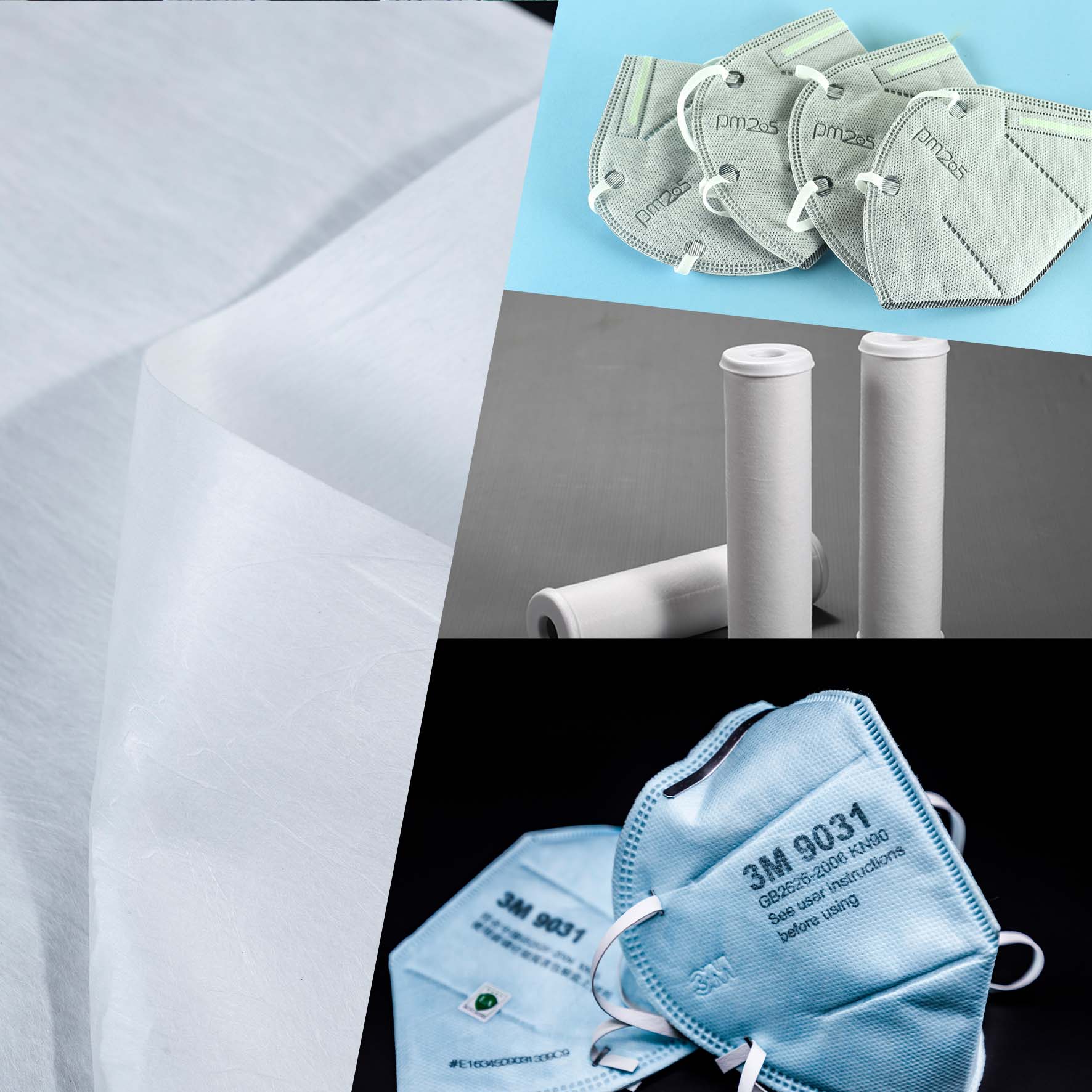
Electret meltblown fabric is a type of meltblown nonwoven fabric that has been treated with a special electrostatic charging process, also called electret treatment.
This process gives the fabric a static charge, allowing it to attract and trap tiny particles more effectively.
In simple terms:
- regular meltblown = mechanical filtration
- electret meltblown = mechanical + electrostatic filtration
That is why electret-treated meltblown usually performs much better.
Why Is Electret Treatment Important?
Without electret treatment, meltblown fabric mainly relies on its physical fiber structure to block particles.
That works—but only to a point.
To increase filtration further, manufacturers often have two choices:
- make the fabric thicker
- add electrostatic charge
The problem with making it thicker is:
❌ airflow becomes worse
❌ breathing resistance increases
That’s why electret treatment is preferred.
👉 It improves filtration without sacrificing breathability.
How Does Electret Meltblown Fabric Work?
Think of it like a magnet.
After electret treatment, the fibers carry static electricity.
These charged fibers can attract:
- dust
- bacteria
- aerosols
- tiny airborne particles
Even particles that are smaller than the fabric’s pore size can be captured.
That’s why it is so effective in:
- face masks
- respirators
- air filters
How Is Electret Treatment Applied?
Different manufacturers use different methods, but the most common are:
1. Corona Charging
This is one of the most common methods.
A high-voltage electrical field is used to charge the material surface.
Advantages:
- widely used
- stable process
2. Water Electret Treatment
This uses special water-based technology to improve charge retention.
Some manufacturers use this to improve:
- humidity resistance
- longer filtration stability
3. Thermal Electret Treatment
In some cases, heat is used to help stabilize the charge.
This depends on the production process.
Electret Meltblown vs Regular Meltblown
Here’s the practical difference:
| Feature | Electret Meltblown | Regular Meltblown |
|---|---|---|
| Filtration Efficiency | Higher | Lower |
| Breathability | Better balance | Often lower |
| Static Charge | Yes | No |
| Cost | Higher | Lower |
| Typical Use | Masks, respirators | Basic filtration |
Simple way to understand:
👉 Regular meltblown blocks particles
👉 Electret meltblown attracts and blocks particles
Where Is Electret Meltblown Fabric Used?
This material is mainly used where high filtration efficiency is required.
1. Medical Face Masks
Very common application.
Typical requirements:
- BFE
- breathability
- stable quality
2. N95 / KN95 Respirators
These products rely heavily on electret-treated meltblown.
Without electret treatment, it’s much harder to meet filtration standards.
3. Air Filtration Products
Such as:
- HVAC filters
- purifier filters
- industrial filtration
4. Specialty Protective Products
Including:
- industrial masks
- protective garments with filter layers
What Affects Electret Performance?
This is very important—and often ignored.
1. Storage Conditions
Humidity and heat can reduce static charge over time.
That means:
- lower filtration
- weaker performance
Proper packaging matters.
2. Production Quality
Poor charging process can lead to:
- unstable filtration
- inconsistent batches
This is why supplier experience matters.
3. Usage Time
Electret performance can decrease after long use.
That’s why many filtration products are designed as disposable.
How to Choose Electret Meltblown Fabric?
Don’t just ask:
“Is it electret?”
Ask:
- What filtration level?
- How stable is the charge?
- Is there a test report?
- How long does performance last?
Those questions matter more.
Common Buying Mistakes
1. Assuming All Meltblown Is Electret
It isn’t.
Many low-cost products are not electret treated.
Always confirm.
2. Only Looking at Initial Test Data
A good sample may test well.
But:
👉 charge retention matters too.
3. Ignoring Packaging
Bad storage can destroy performance before the product is even used.
FAQ About Electret Meltblown Fabric
1. What does electret mean?
It means the fabric carries a long-lasting electrostatic charge.
2. Is electret meltblown better than regular meltblown?
Yes, especially for filtration performance.
3. Is electret treatment permanent?
Not completely. Performance can decrease over time.
4. Does humidity affect electret fabric?
Yes, high humidity can reduce charge.
5. Is electret used in N95 masks?
Yes, it is very common.
6. Is it more expensive?
Usually yes, because of extra processing.
7. Can it be customized?
Yes, including GSM, width, and filtration level.
8. How can I verify electret quality?
Ask for filtration test reports and retention data.
Why Choose Weboss as Your Electret Meltblown Supplier?
At Weboss, we know that meltblown fabric is not just about weight or price.
From our experience:
Many buyers ask for “95% meltblown,” but what really matters is:
- whether it is electret treated
- how stable the filtration is
- whether performance lasts during storage and use
We offer:
- 10+ years of nonwoven export experience
- filtration-grade meltblown solutions
- electret-treated product options
- quality testing support
- customized specifications
- stable global supply
👉 We help customers choose the right filtration solution—not just a product specification.
Contact Us
If you are looking for a reliable meltblown nonwoven fabric supplier, feel free to contact us:
- TEL: +86-21-33608891
- FAX: +86-21-33608892
- Email: info@webosstex.com
continue reading
Related Posts

Apertured Spunlace has an open mesh structure for better wiping, liquid pickup and airflow in dry towels, wipes and beauty products.

Polyester Spunlace for Wet Wipes offers high wet strength and durability for cleaning, disinfecting and industrial wipes.
-
Cotton Spunlace for Wet Wipes offers a soft, absorbent and natural feel for premium baby, facial and personal care wipes.