What Is Flushable Spunlace Non Woven Fabric?
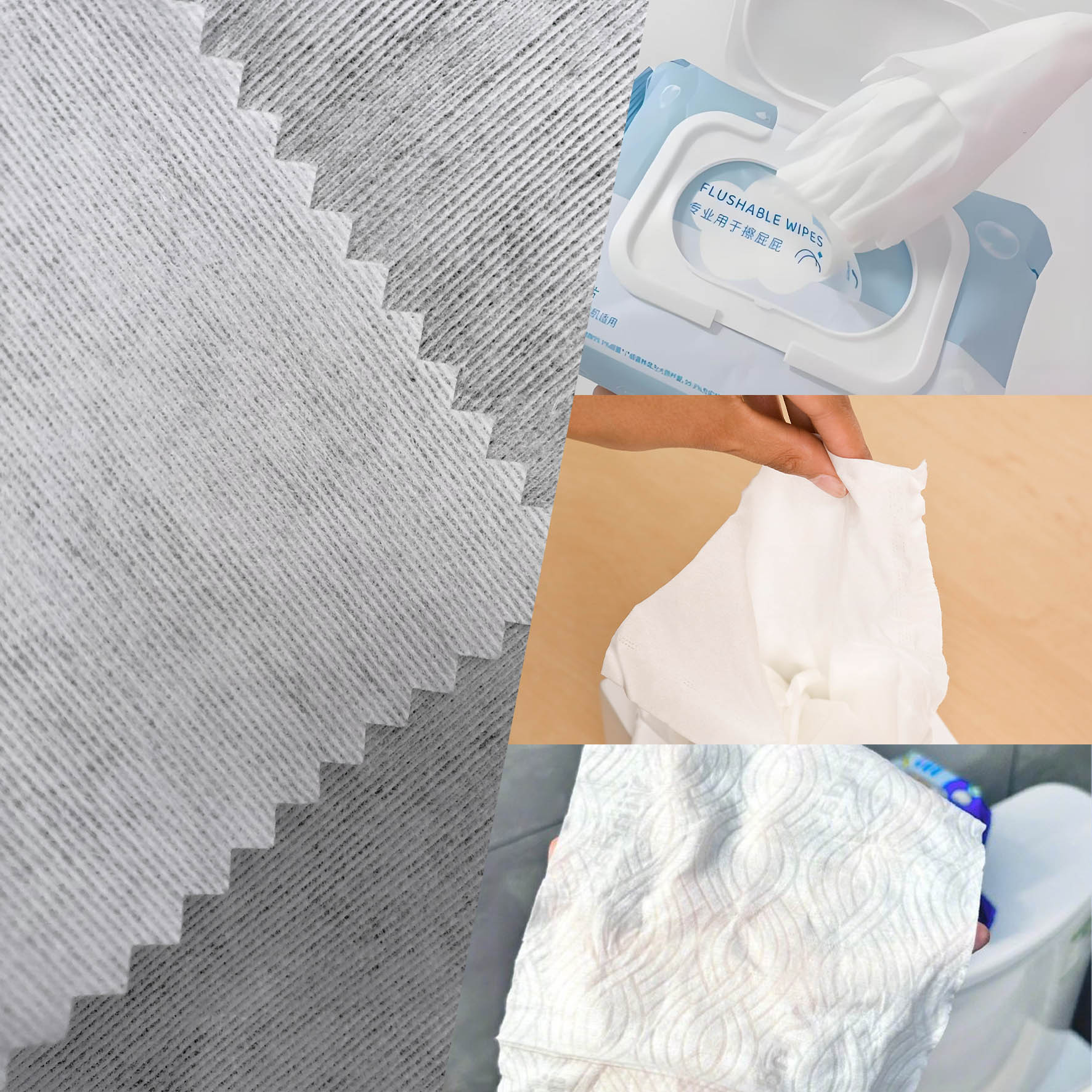
What Is Flushable Spunlace Non Woven Fabric?
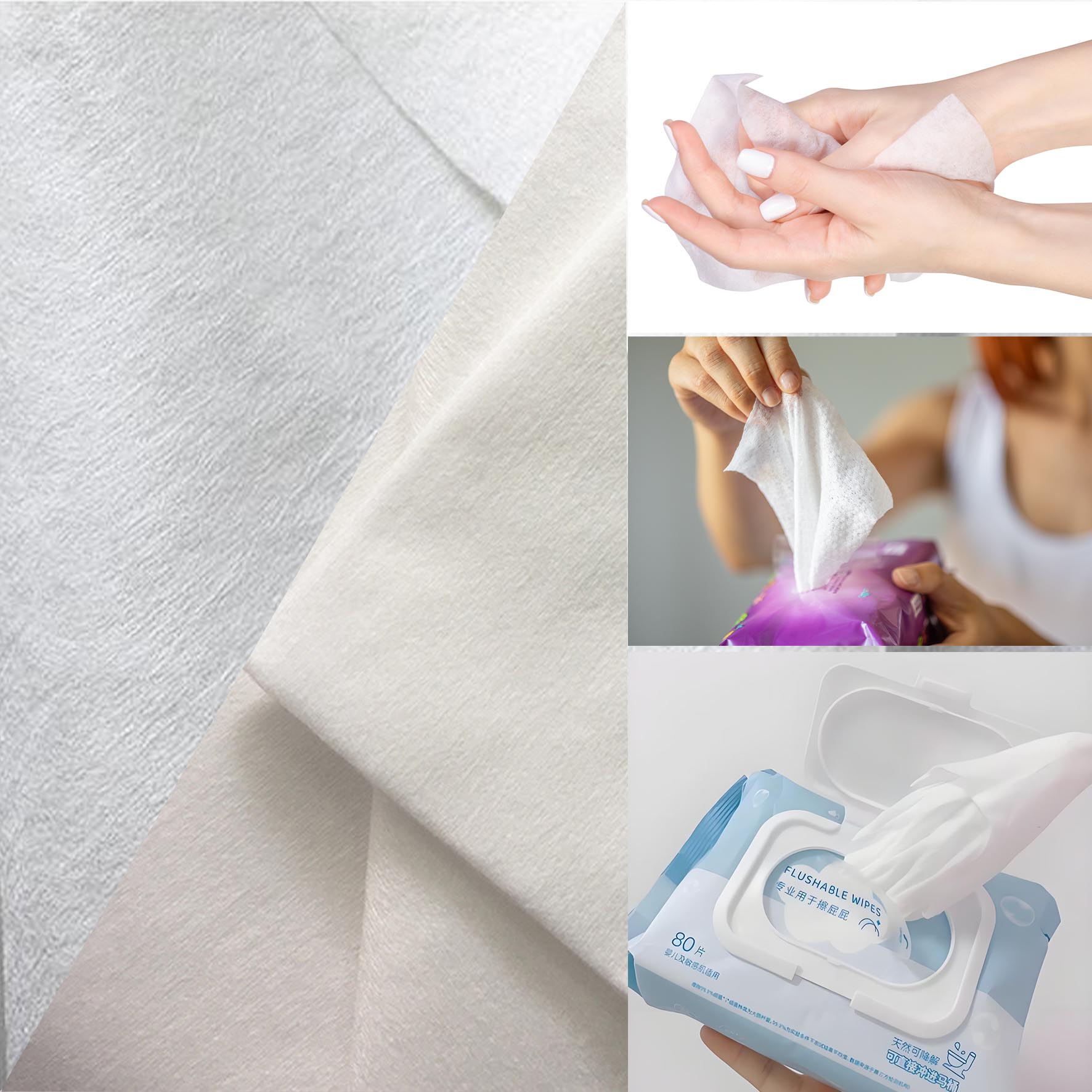
Flushable spunlace non woven fabric is a type of spunlace material specially designed to disperse in water after disposal, allowing it to be flushed through toilets without causing blockage.
Compared to regular spunlace fabric, the key difference is:
👉 It is engineered to break apart under water agitation, rather than staying intact
In simple terms:
- Regular spunlace = strong and durable
- Flushable spunlace = strong enough for use, but able to disintegrate after flushing
Why Is Flushability Important for Wipes?
If you’re producing wipes, especially for personal hygiene, this is a topic you can’t ignore.
From real market feedback, many issues come from “so-called flushable wipes” that don’t actually break down properly.
1. Preventing Pipe Blockage
Non-flushable wipes can:
- Accumulate in pipes
- Cause serious clogging
👉 This leads to complaints from users and even regulatory risks.
2. Meeting Market Regulations
In some regions (especially Europe and the US):
- Flushability standards are becoming stricter
👉 Products may need to meet specific testing standards before being labeled “flushable”
3. Improving User Experience
Consumers prefer:
- Convenient disposal
- No need for trash bins
👉 This is why flushable wipes are growing fast in the market
How Does Flushable Spunlace Fabric Work?
This is where many people misunderstand the material.
Flushable spunlace is usually made with:
- Short fibers (often viscose or pulp-based)
- Special bonding structure (weaker in water conditions)
When flushed:
- The fabric breaks apart into small pieces
- Then disperses and flows through the system
👉 Important point:
It doesn’t “dissolve” like paper — it disintegrates
Flushable vs Regular Spunlace Nonwoven
Here’s a practical comparison:
| Feature | Flushable Spunlace | Regular Spunlace |
|---|---|---|
| Strength (dry) | Moderate | High |
| Strength (wet) | Lower (designed to break) | High |
| Dispersibility | Yes | No |
| Fiber Type | Viscose / pulp-based | Viscose / polyester blend |
| Cost | Higher | Lower |
| Typical Use | Flushable wipes | General wipes |
👉 Simple understanding:
Flushable = controlled strength + water dispersibility
Where Is Flushable Spunlace Used?
This material is mainly used in personal hygiene wipes, where flushability is a key requirement.
1. Toilet Wipes
- The most common application
- Must be safe for sewage systems
2. Adult Care Products
- Used in hospitals or elderly care
- Convenience is important
3. Baby Care (Specific Markets)
Some brands use flushable wipes for:
- Baby hygiene
👉 But this depends on regional standards and positioning
How to Choose Flushable Spunlace Fabric?
This is where many buyers make mistakes. Flushable materials are not just about “can it break down”.
1. Check Flushability Standards
Different markets follow different standards, such as:
- Dispersibility tests
- Slosh box tests
👉 Always confirm:
Can it pass the required standard?
2. Balance Strength and Dispersibility
This is the hardest part.
- Too strong → won’t flush properly
- Too weak → breaks during use
👉 Good products find a balance between the two
3. Fiber Composition Matters
Common options:
- 100% viscose
- Wood pulp blends
👉 Polyester is usually avoided because it reduces flushability
4. Real Testing Is Essential
From experience:
👉 Lab data is not enough
👉 You should test:
- Wet strength
- Disintegration performance
Common Misunderstandings About Flushable Wipes
1. “Flushable Means Fully Dissolvable”
Not true.
👉 It should break apart, not dissolve like tissue paper.
2. “All Spunlace Can Be Flushable”
Wrong.
👉 Regular spunlace (especially with polyester) is NOT flushable.
3. “If It Flushes Once, It’s Fine”
Also risky.
👉 True flushability means:
- No long-term accumulation in pipes
FAQ About Flushable Spunlace Non Woven Fabric
1. Is flushable spunlace really safe to flush?
It depends on whether it meets proper flushability standards.
2. What fibers are used in flushable fabric?
Mainly viscose or wood pulp-based fibers.
3. Can polyester be used in flushable wipes?
Usually not recommended, as it reduces dispersibility.
4. Is flushable fabric as strong as regular spunlace?
No, it is designed to lose strength in water.
5. Are flushable wipes more expensive?
Yes, due to special material and production requirements.
6. Do all countries allow flushable wipes?
Regulations vary, and some regions have strict requirements.
7. How to test flushability?
Through dispersibility and sewage simulation tests.
8. Can flushable wipes replace toilet paper?
In some cases yes, but they are usually positioned as a supplement.
Why Choose Weboss as Your Flushable Nonwoven Supplier?
At Weboss, we understand that flushable materials are not just about marketing — they must perform correctly in real conditions.
From our experience:
- Many products in the market claim to be flushable but fail testing
- The key challenge is balancing strength and dispersibility
Here’s what we offer:
- 10+ years of nonwoven export experience
- Experience with flushable spunlace materials
- Support in selecting the right fiber composition
- Sample testing support before bulk production
- Stable quality and reliable supply
- Professional export service
👉 We focus on helping you avoid real-world problems, not just supplying materials.
Contact Us
If you are looking for a reliable spunlace nonwoven fabric supplier, feel free to contact us:
- TEL: +86-21-33608891
- FAX: +86-21-33608892
- Email: info@webosstex.com
continue reading
Related Posts

Apertured Spunlace has an open mesh structure for better wiping, liquid pickup and airflow in dry towels, wipes and beauty products.

Polyester Spunlace for Wet Wipes offers high wet strength and durability for cleaning, disinfecting and industrial wipes.
-
Cotton Spunlace for Wet Wipes offers a soft, absorbent and natural feel for premium baby, facial and personal care wipes.