Why Choose Biodegradable Spunlace Nonwoven Fabric?
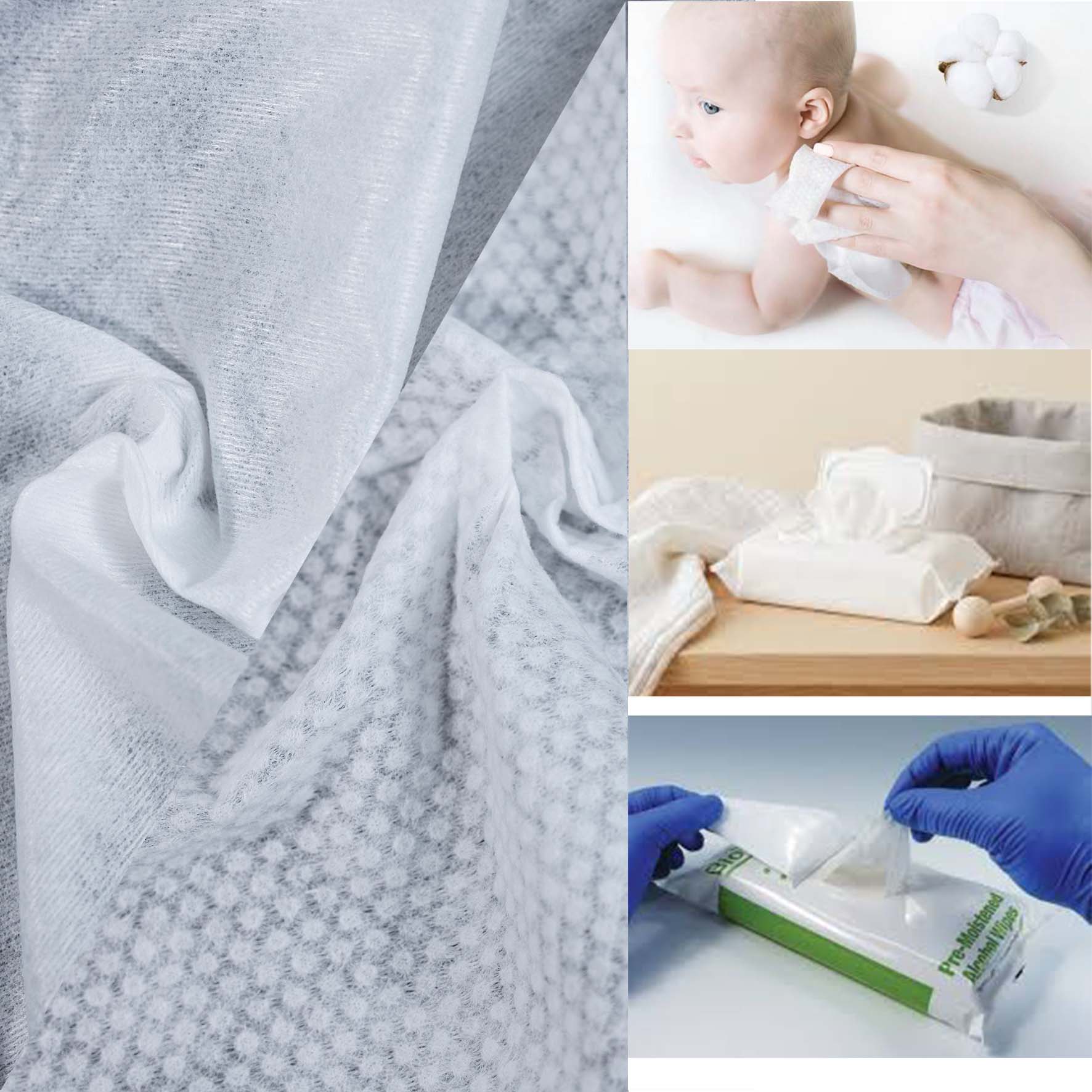
Why Are Wet Wipe Brands Looking for Biodegradable Materials?
Traditional wet wipes often contain polyester or polypropylene fibers. These synthetic materials help improve strength and reduce cost, but they can remain in the environment for a long time after disposal.
This has encouraged more brands to look for Biodegradable Spunlace Nonwoven Fabric, especially for baby wipes, facial wipes, personal care wipes, and other disposable products.
However, choosing a biodegradable material is not as simple as replacing one fiber with another. Buyers also need to consider:
- Wet strength
- Softness
- Lotion compatibility
- Product shelf life
- Disposal conditions
- Local environmental claim requirements
A material may be made from renewable resources but still require specific conditions to biodegrade. That is why the full fiber composition and available test reports matter.
What Makes Spunlace Nonwoven Fabric Biodegradable?
Spunlace describes the production process, not the raw material.
During production, high-pressure water jets entangle the fibers and form the nonwoven structure. Whether the finished fabric is biodegradable mainly depends on the fibers and additives used.
A Biodegradable Spunlace Nonwoven Fabric is usually made from cellulose-based or compostable fibers, such as:
- Viscose
- Lyocell
- Cotton
- Wood pulp
- Certain bamboo-derived cellulose fibers
- PLA in suitable composting systems
If polyester is added to the blend, the fabric may still contain non-biodegradable plastic. In that case, it should not be described as fully biodegradable without supporting evidence.
Which Fibers Are Commonly Used?
Viscose Biodegradable Spunlace
Viscose is widely used in wet wipes because it offers good softness and liquid absorption.
It is derived from cellulose, usually sourced from wood pulp. It can be suitable for biodegradable wet wipe products when the complete fabric construction contains no persistent synthetic fibers.
Viscose is commonly used in:
- Baby wipes
- Personal care wipes
- Facial cleansing wipes
- General hygiene wipes
Lyocell Biodegradable Spunlace
Lyocell is another cellulose-based fiber made from wood pulp.
Compared with standard viscose, it often provides:
- Smooth skin feel
- Good wet strength
- Consistent fiber quality
- Premium product positioning
Lyocell is frequently considered for high-end baby wipes, skincare wipes, and plastic-free wet wipe projects.
Cotton Biodegradable Spunlace
Cotton spunlace offers a natural feel and excellent absorbency.
It is suitable for premium products, but the cost is normally higher than conventional viscose blends. Cotton quality, fiber length, cleanliness, and processing method can also affect the final fabric.
Wood Pulp Biodegradable Spunlace
Wood pulp is commonly combined with viscose, lyocell, or other fibers.
It can improve:
- Liquid absorption
- Wiping performance
- Cellulose content
Wood-pulp-rich materials are often used in household wipes and cleaning products. The exact construction must still provide enough wet strength for the intended application.
PLA Biodegradable Spunlace
PLA is a biobased polymer commonly produced from renewable feedstocks.
It can be used to improve strength while maintaining a compostable product concept. However, PLA normally requires controlled industrial composting conditions to break down efficiently.
Therefore, a PLA-containing wipe should not automatically be described as readily biodegradable in every natural environment.
How Do the Main Material Options Compare?
| Fiber Option | Softness | Wet Strength | Cost Level | Important Consideration |
|---|---|---|---|---|
| 100% Viscose | High | Medium | Medium | Confirm the complete fabric contains no polyester |
| Lyocell | Very high | Good | High | Suitable for premium and plastic-free positioning |
| Cotton | Very high | Medium | High | Natural feel, but quality and cost vary |
| Wood Pulp Blend | Medium | Medium | Medium | Blend design strongly affects durability |
| PLA Blend | Good | Good | High | Usually needs industrial composting conditions |
| Viscose/Polyester | Good | High | Lower | Not fully biodegradable because it contains polyester |
No single material is right for every wet wipe. A baby wipe may prioritize softness, while a kitchen wipe requires more strength and friction.
Does Biodegradable Spunlace Mean Plastic-Free?
Not always.
A fabric can contain a biobased plastic such as PLA and still be classified as containing plastic under some regulatory definitions.
Similarly, a wipe described as plant-based may still contain polyester for strength.
For a genuine plastic-free product, buyers should check:
- The full fiber composition
- Binding or coating materials
- Functional finishes
- Printing components
- The wipe formula and packaging claims
Environmental descriptions should be based on the finished product, not only one fiber in the fabric.
Is Biodegradable Spunlace the Same as Compostable?
These terms are related, but they are not identical.
Biodegradable means a material can be broken down by microorganisms under certain environmental conditions.
Compostable normally means the material meets defined requirements for biodegradation, disintegration, and environmental safety within a composting system.
Some products are suitable only for industrial composting, where temperature, moisture, and aeration are controlled. They may not break down quickly in home compost, soil, seawater, or landfill conditions.
Buyers should therefore ask:
- Under which conditions was the material tested?
- Was the fiber tested, or was the complete wipe tested?
- Is the certification for home or industrial composting?
- Does the claim apply to the fabric or only to one component?
Can Biodegradable Spunlace Wet Wipes Be Flushed?
Not automatically.
Biodegradability and flushability measure different things.
A biodegradable wipe may still remain strong in water and create problems in drainage systems. A flushable wipe must lose strength and disperse under defined wastewater conditions.
Unless the finished wipe passes suitable flushability testing, it should be disposed of in the waste bin rather than flushed.
This distinction is important for baby wipes, facial wipes, cleaning wipes, and most general personal care products.
Which Products Can Use Biodegradable Spunlace?
Baby Wipes
Cellulose-rich spunlace can offer the softness and absorption expected in baby care products.
For premium baby wipes, manufacturers may choose:
- High-viscose fabric
- Lyocell
- Cotton
- Plastic-free cellulose blends
The material must still be tested with the finished lotion.
Facial and Skincare Wipes
Facial wipes usually require a smooth surface, low lint, and a comfortable touch.
Lyocell, viscose, and cotton are common options for products positioned around skin comfort and sustainability.
Personal Hygiene Wipes
Biodegradable materials can be considered for feminine care, adult care, travel wipes, and daily hygiene products.
The balance between softness and wet strength is especially important.
Household Cleaning Wipes
Cellulose-based materials can also be used for household cleaning, although heavy-duty products may require additional strength.
In these cases, buyers should make sure the fabric does not tear during wet wiping.
How Should Buyers Select the Right Material?
When sourcing Biodegradable Spunlace Nonwoven Fabric, start with the finished product rather than the environmental claim.
Confirm the Application
A facial wipe, baby wipe, and kitchen wipe have different performance needs.
Request the Complete Composition
Do not rely only on descriptions such as “natural,” “green,” or “plant-based.”
Ask for the percentage of every fiber.
Test Wet Strength
The wipe must remain usable after absorbing lotion. A material that biodegrades eventually still needs to perform during production, packaging, storage, and use.
Check the Environmental Evidence
Ask whether certificates or test reports cover:
- The raw fiber
- The spunlace fabric
- The finished wet wipe
These are not always the same.
Consider the Target Market
Different countries may apply different rules to plastic content, compostability, labeling, and environmental marketing claims.
Claims should be reviewed before packaging is printed.
Common Mistakes to Avoid
Assuming All Cellulose Blends Are Plastic-Free
Some cellulose-rich fabrics still contain polyester.
Treating PLA Like Ordinary Natural Fiber
PLA can be compostable, but usually under controlled conditions.
Calling a Wipe Flushable Without Testing
A biodegradable product can still block pipes.
Ignoring Lotion and Packaging
A biodegradable base fabric does not make the complete product biodegradable if other components do not meet the same requirement.
FAQ
1. What is Biodegradable Spunlace Nonwoven Fabric?
It is a spunlace material made mainly from fibers that can biodegrade under defined conditions, such as viscose, lyocell, cotton, or wood pulp.
2. Is viscose spunlace fully biodegradable?
It can be biodegradable, but buyers should verify the complete composition and whether any polyester or non-biodegradable finish is present.
3. Is lyocell suitable for biodegradable wet wipes?
Yes. Lyocell is commonly considered for premium cellulose-based and plastic-free wipe projects.
4. Can polyester be added to biodegradable spunlace?
It can be added for strength, but the finished fabric should not be presented as fully biodegradable if conventional polyester remains in the blend.
5. Are biodegradable wipes safe to flush?
Not unless the finished wipes have passed appropriate flushability tests.
6. Which material is best for biodegradable baby wipes?
High-viscose, lyocell, cotton, or properly designed cellulose blends are common options. The final choice depends on softness, strength, cost, and market requirements.
Why Choose Weboss?
Weboss supplies different spunlace solutions for wet wipe manufacturers, including:
- Viscose spunlace nonwoven fabric
- Lyocell spunlace nonwoven fabric
- Cotton spunlace nonwoven fabric
- Wood pulp spunlace nonwoven fabric
- PLA spunlace nonwoven fabric
- Customized cellulose-based blends
When recommending Biodegradable Spunlace Nonwoven Fabric, we consider more than the environmental label. We also review the required softness, wet strength, liquid absorption, target price, converting process, and destination market.
With more than 10 years of export experience, Weboss can support sample evaluation, specification confirmation, quality inspection, documentation, and international shipping.
Contact Us
Shanghai Weboss New Material Technology Co., Ltd
TEL: +86-21-33608891
FAX: +86-21-33608892
Email: info@webosstex.com
continue reading
Related Posts

Apertured Spunlace has an open mesh structure for better wiping, liquid pickup and airflow in dry towels, wipes and beauty products.

Polyester Spunlace for Wet Wipes offers high wet strength and durability for cleaning, disinfecting and industrial wipes.
-
Cotton Spunlace for Wet Wipes offers a soft, absorbent and natural feel for premium baby, facial and personal care wipes.