Where Is Apertured Spunlace Used?
Apertured Spunlace has an open mesh structure for better wiping, liquid pickup and airflow in dry towels, wipes and beauty products.

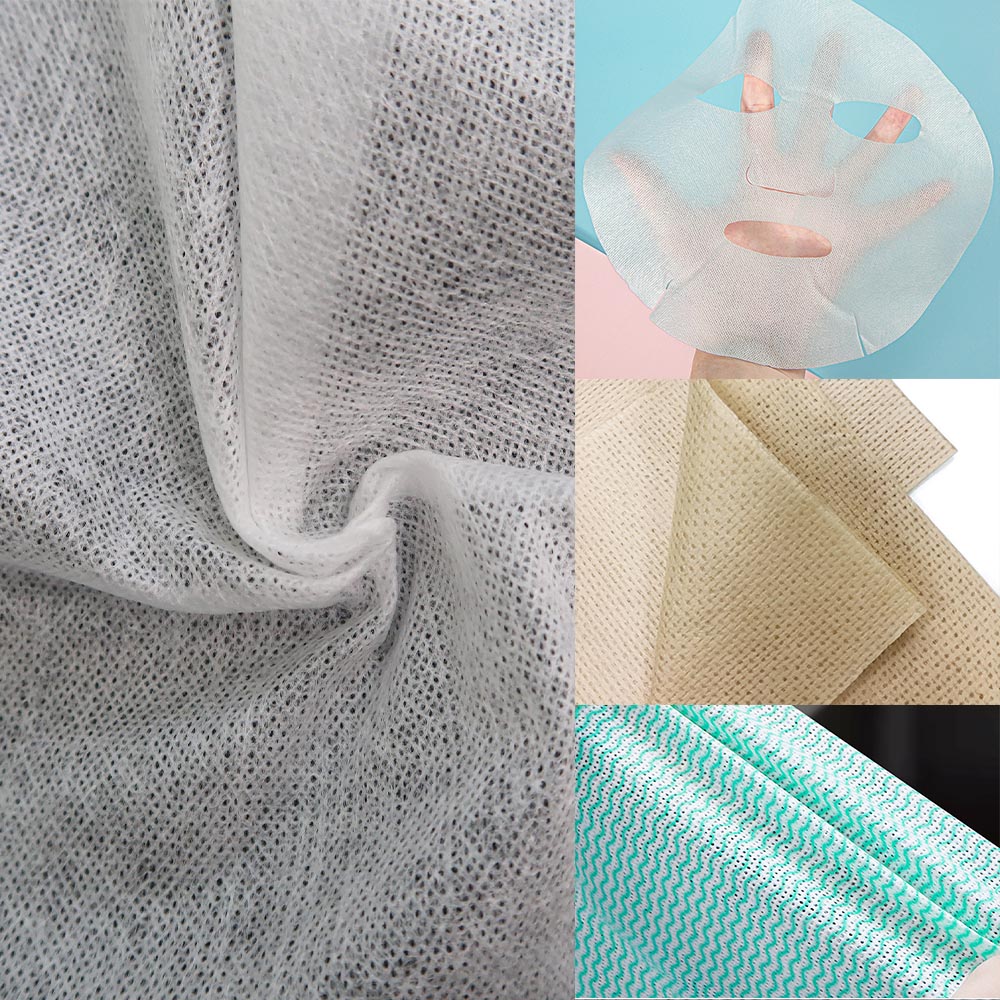
Apertured Spunlace has an open mesh structure for better wiping, liquid pickup and airflow in dry towels, wipes and beauty products.
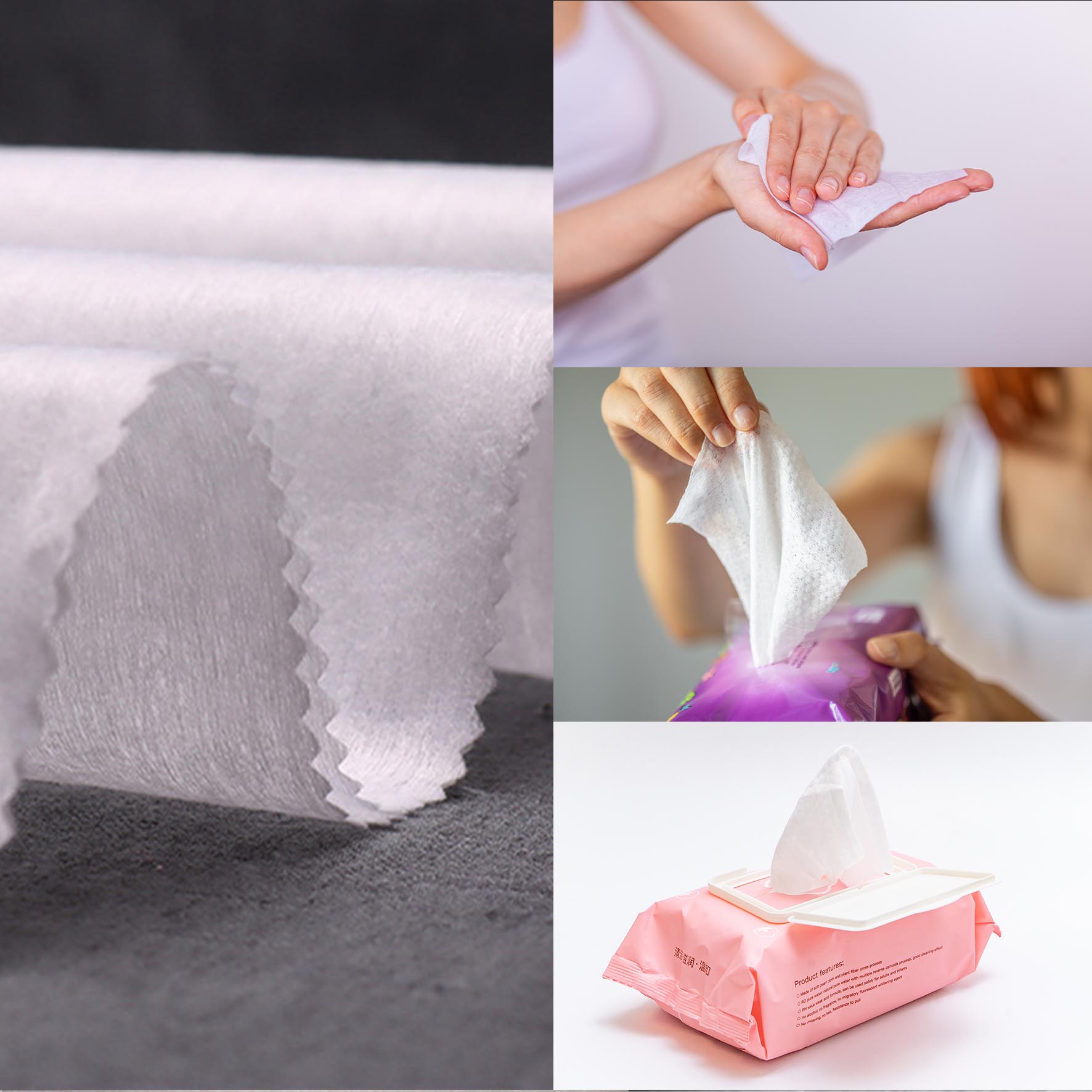
Polyester Spunlace for Wet Wipes offers high wet strength and durability for cleaning, disinfecting and industrial wipes.
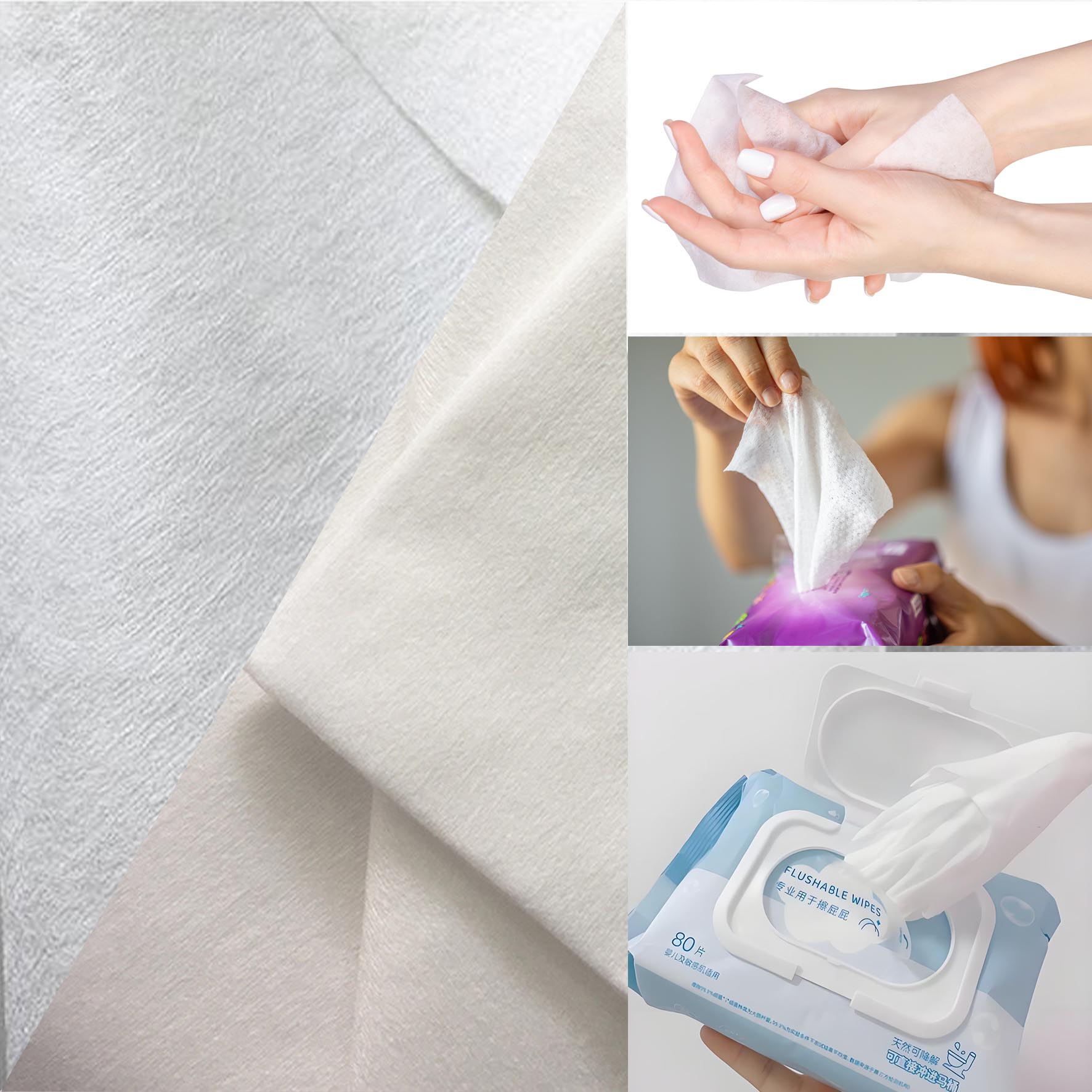
Cotton Spunlace for Wet Wipes offers a soft, absorbent and natural feel for premium baby, facial and personal care wipes.
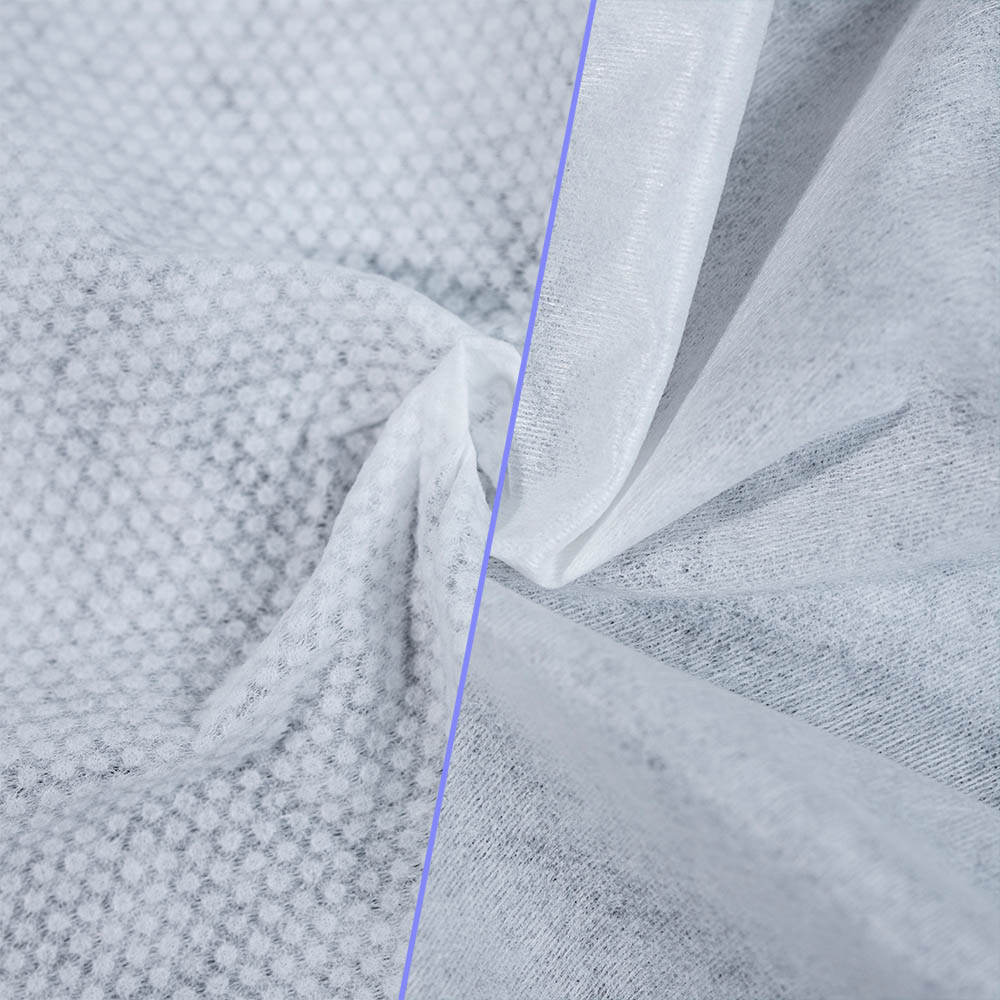
100% Viscose Spunlace for Wet Wipes offers softness and absorbency. Learn how to select fiber, GSM, and surface pattern.
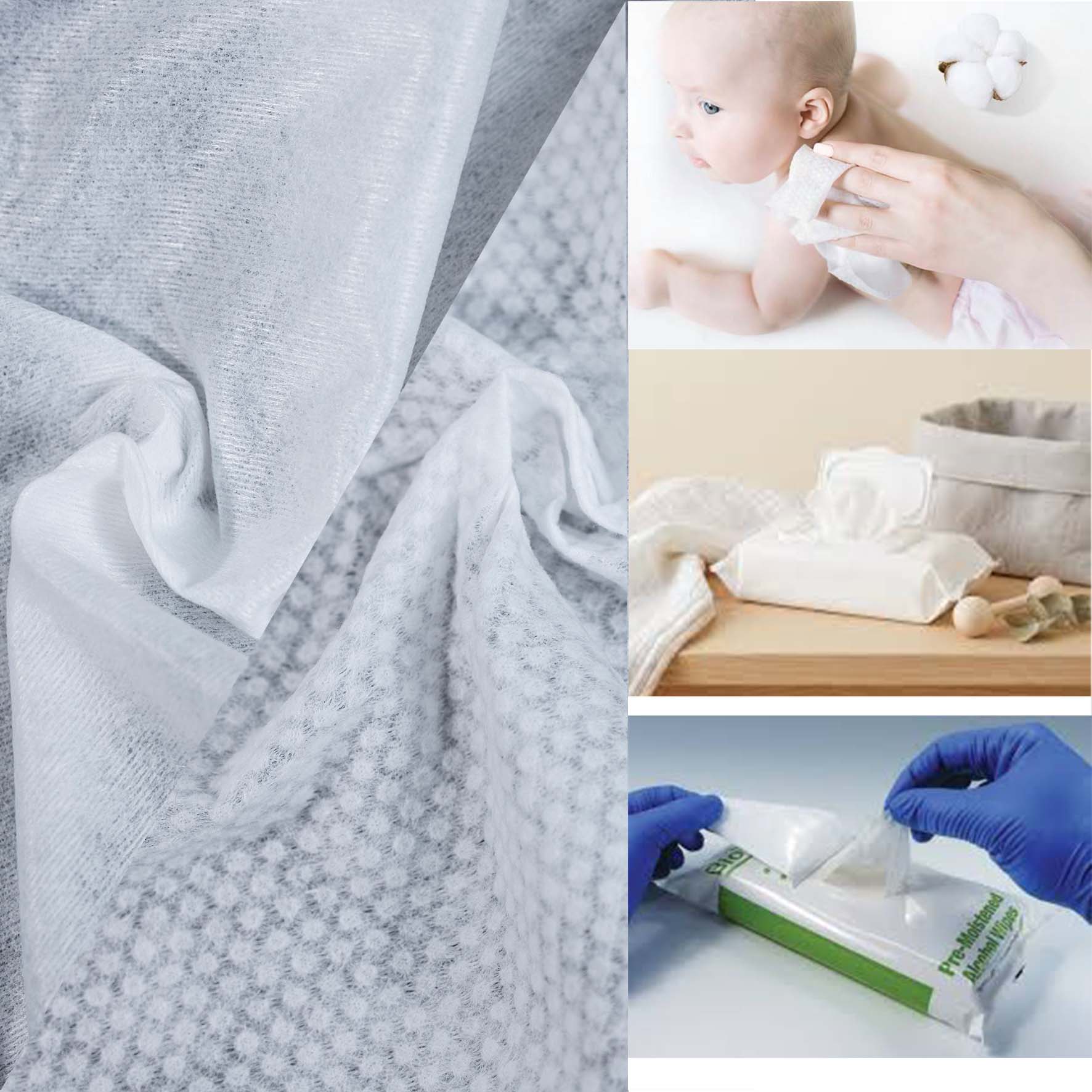
Biodegradable Spunlace Nonwoven Fabric uses cellulose-based fibers for wet wipes with less persistent plastic waste.
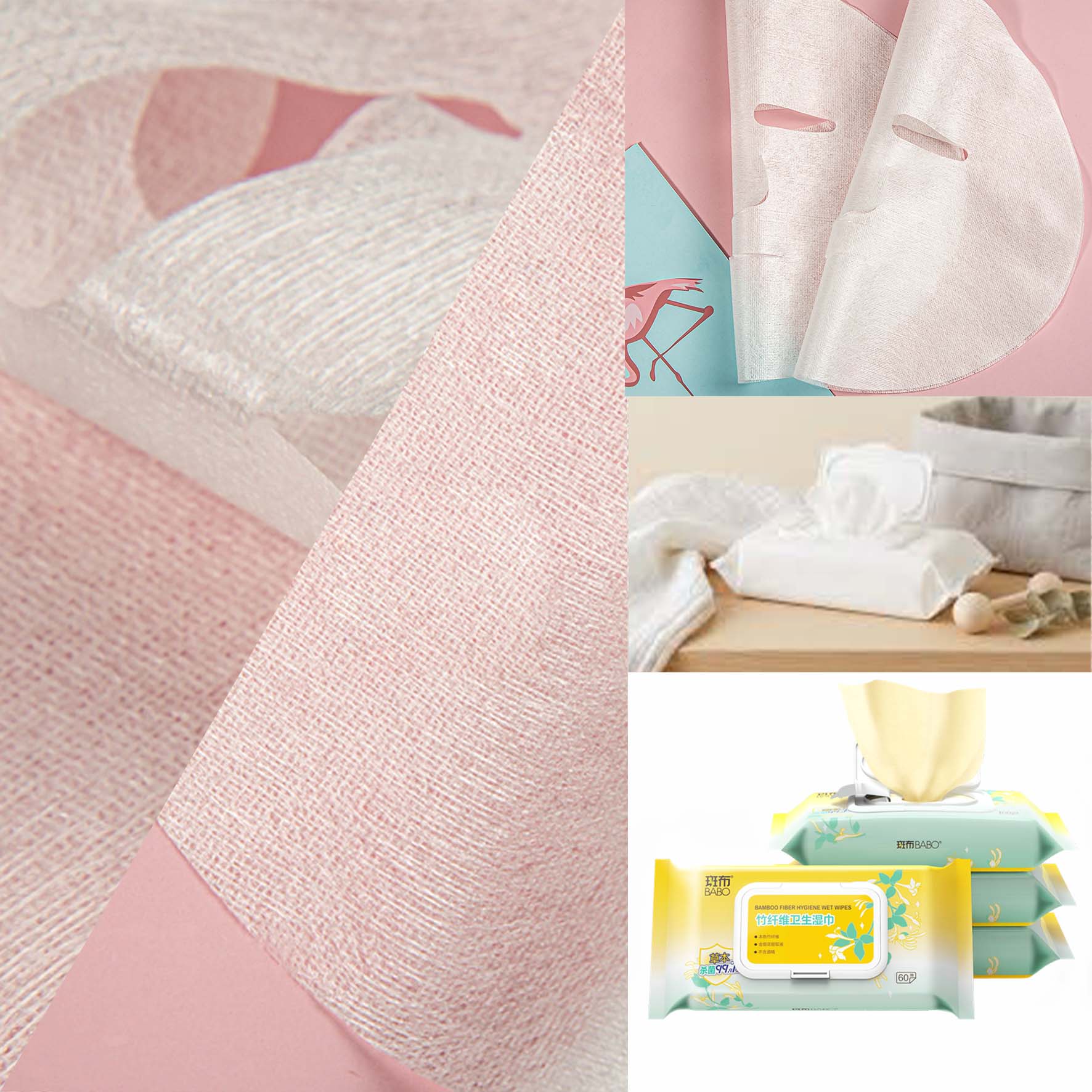
Seaweed Spunlace Nonwoven Fabric for Wet Wipes combines natural seaweed fibers with spunlace technology, offering a soft and premium material for skincare and personal care wipes.
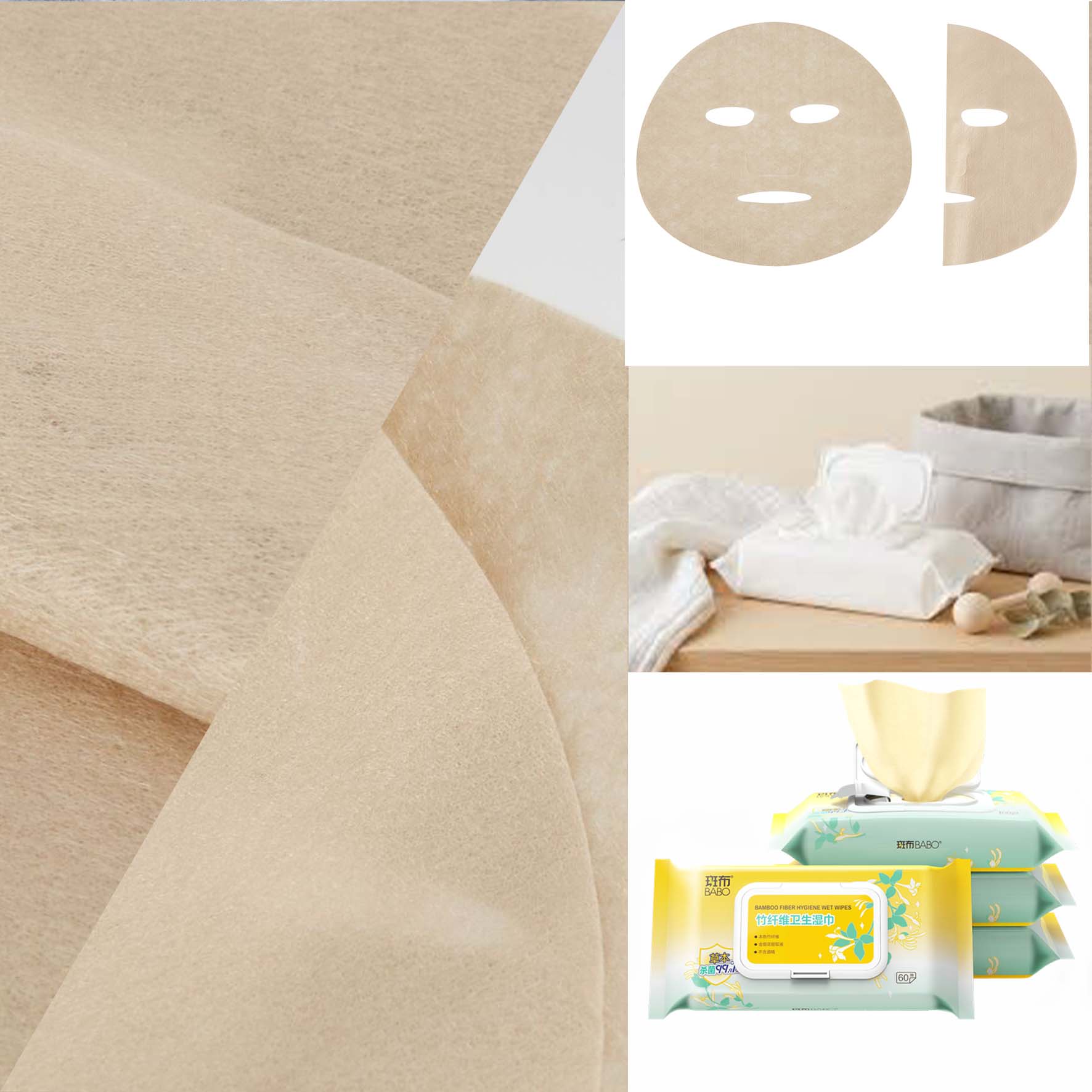
Aloe Spunlace Nonwoven Fabric for Wet Wipes offers softness and a premium skincare concept for facial, baby, and personal care wipes.
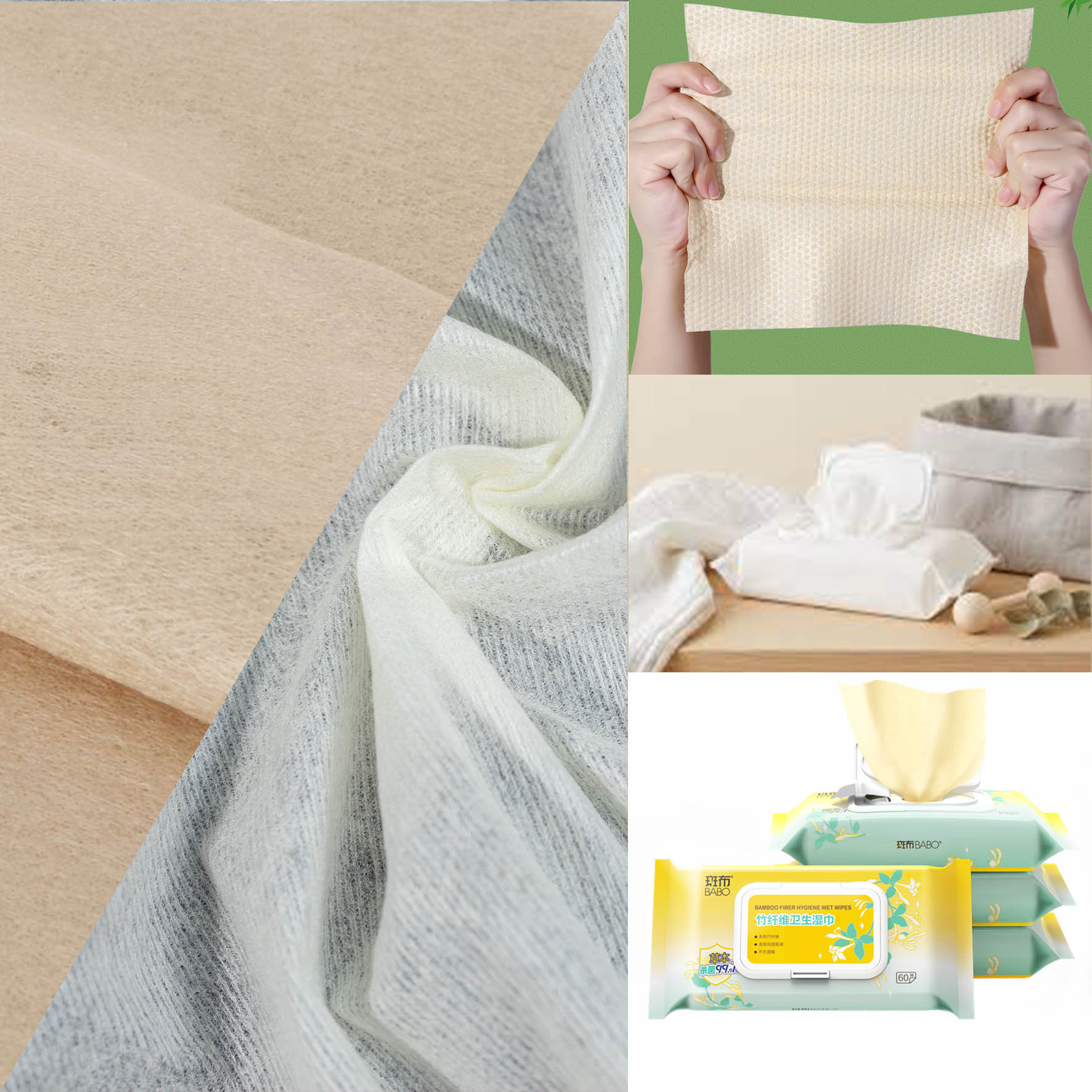
Natural Fiber Spunlace Nonwoven Fabric is becoming an increasingly attractive option for premium wet wipes. Materials such as aloe, seaweed, and banana fiber help brands create differentiated, skin-friendly, and sustainable products.
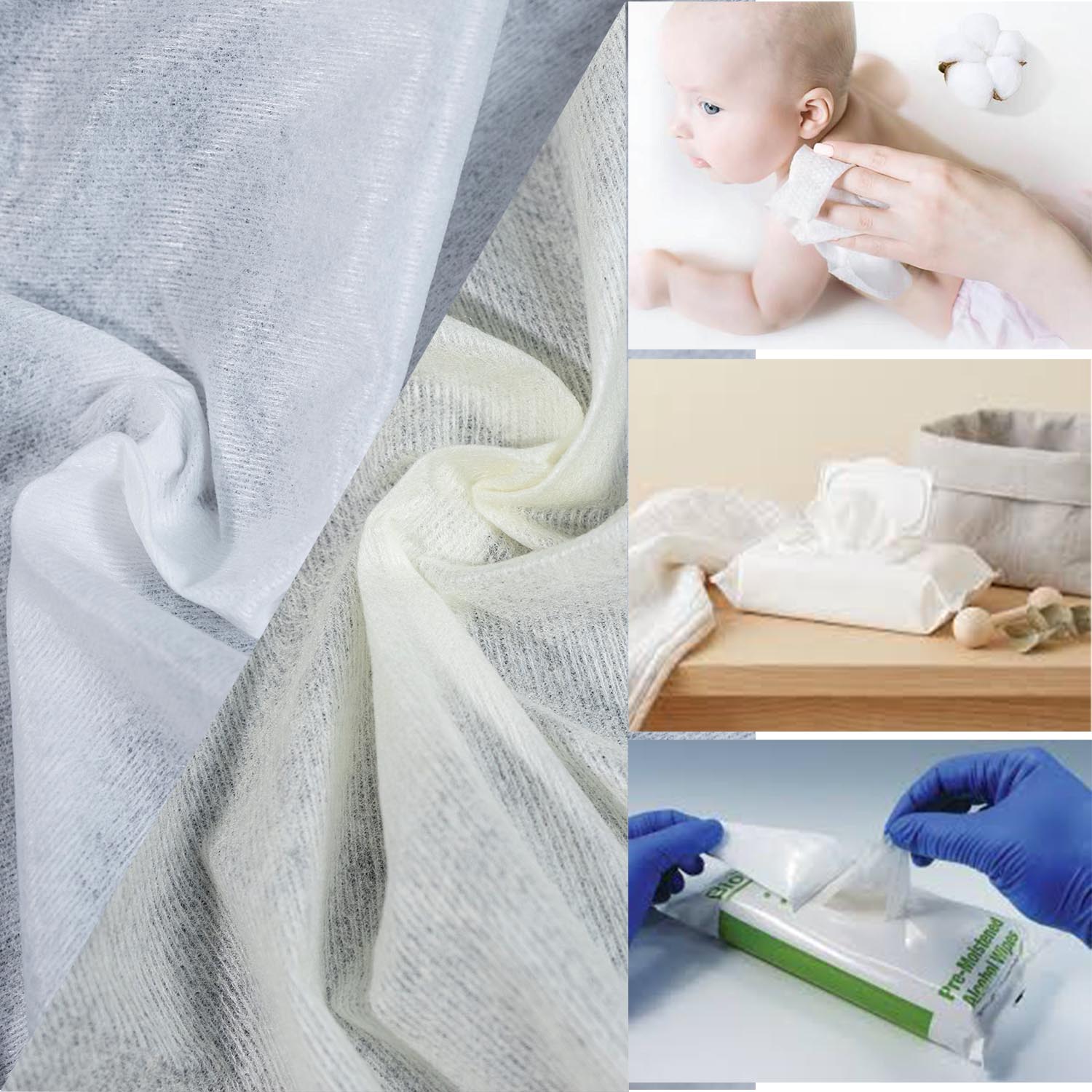
Chitosan Spunlace Nonwoven Fabric for Wet Wipes is a premium material with skin-friendly and natural benefits.
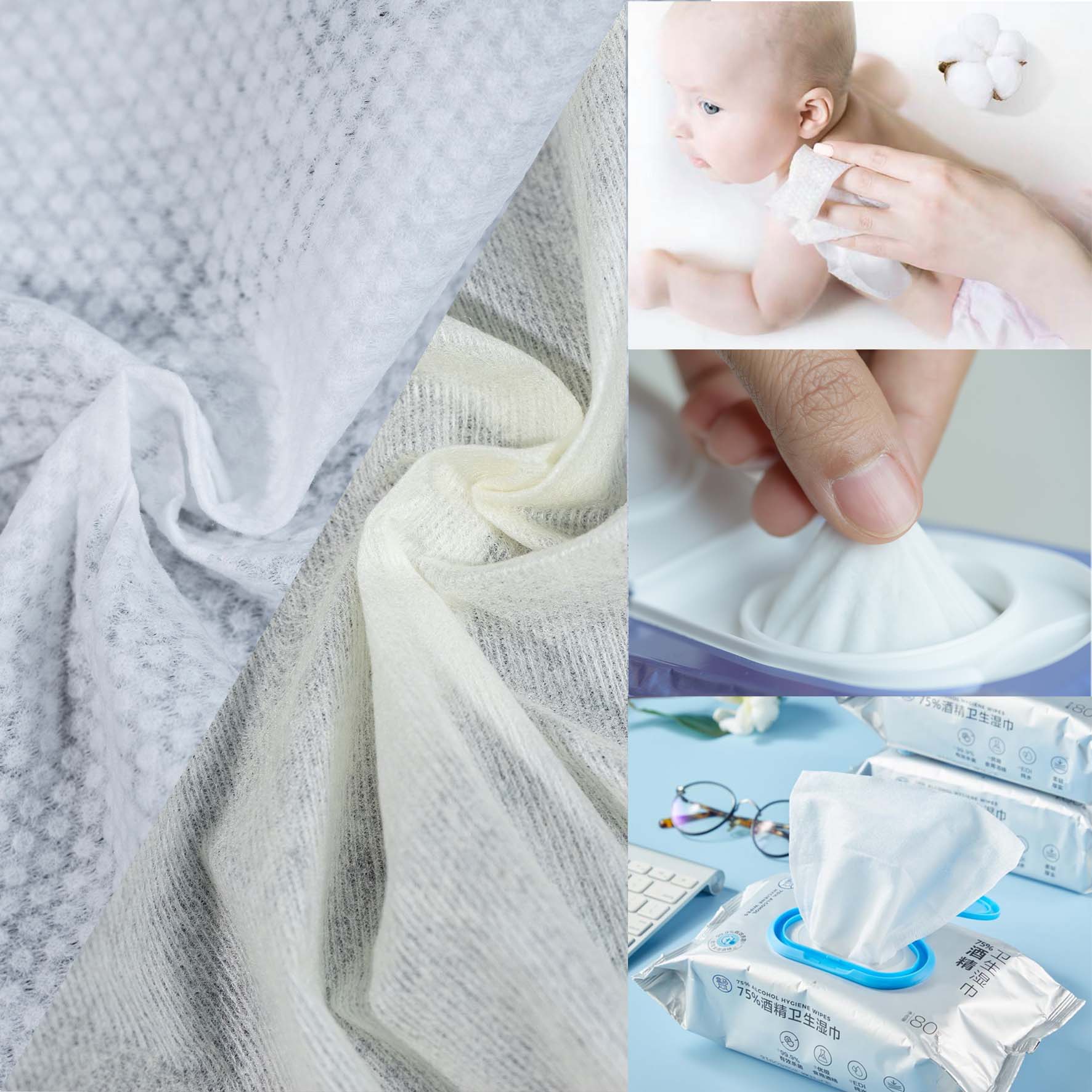
Wet Wipes Spunlace Nonwoven Fabric can vary significantly in quality and cost. Fiber composition, fabric weight, manufacturing process, and market requirements all influence the final product.