Insights

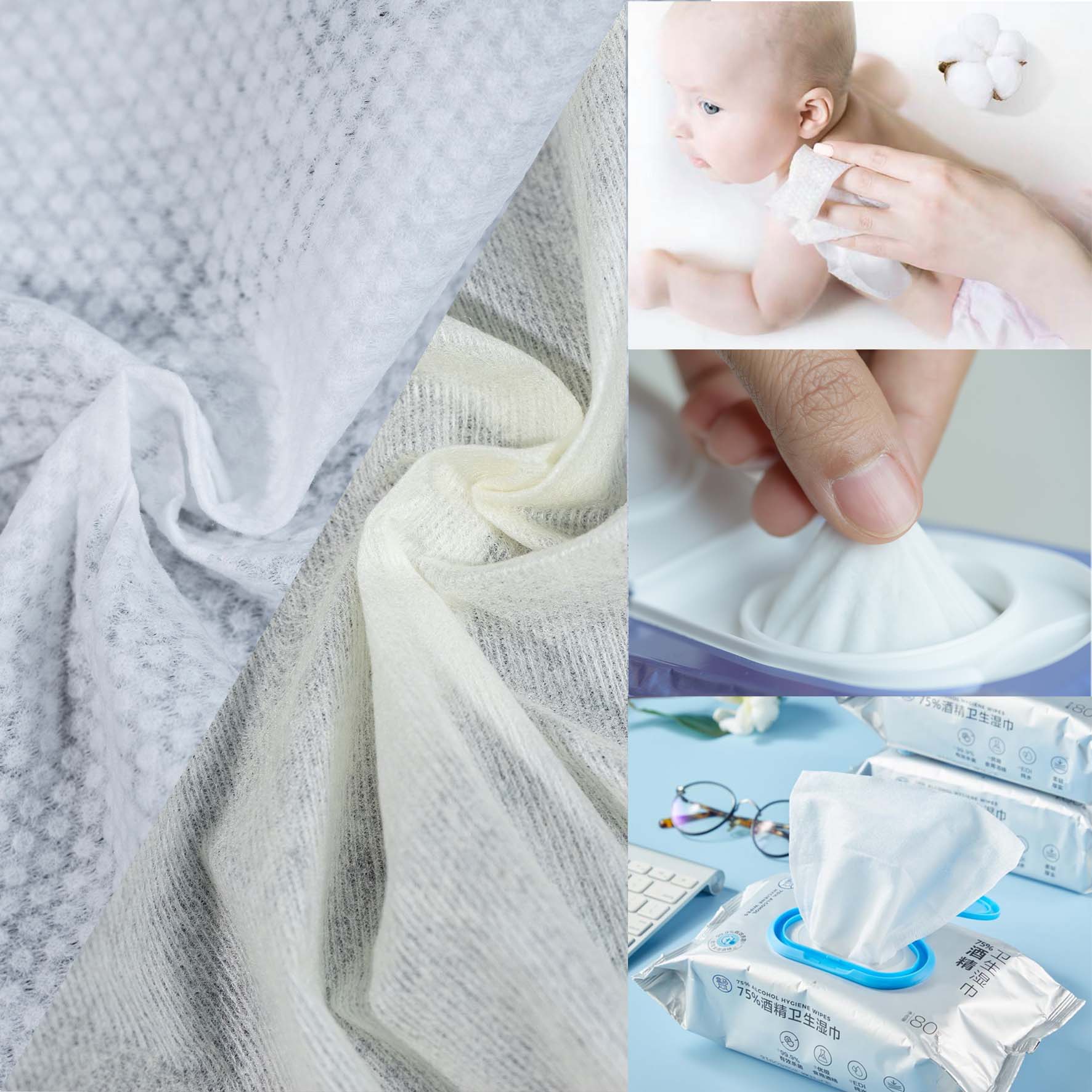
Wet Wipes Spunlace Nonwoven Fabric can vary significantly in quality and cost. Fiber composition, fabric weight, manufacturing process, and market requirements all influence the final product.
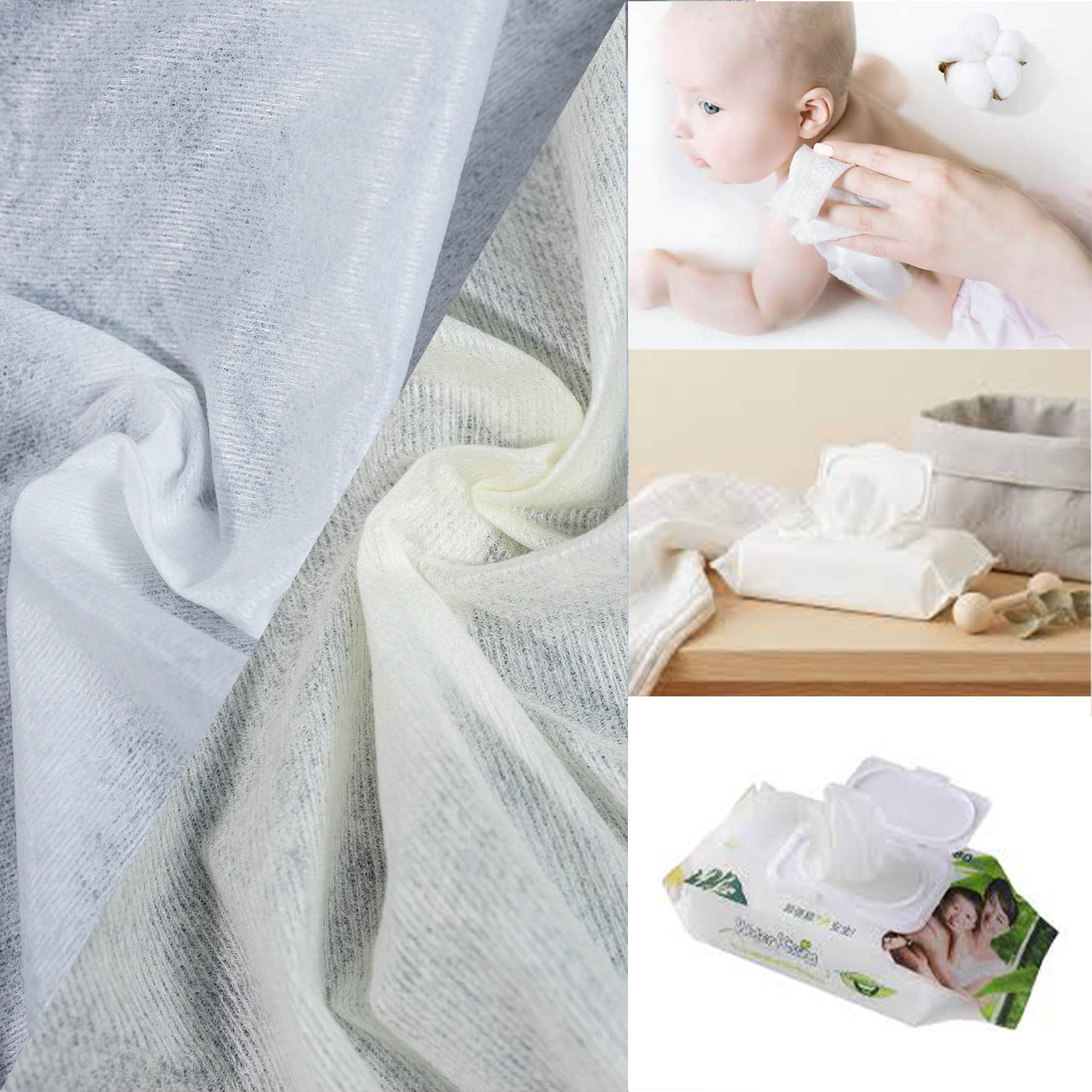
Baby Wipes Spunlace Nonwoven Fabric is widely used because of its softness, absorbency, and gentle skin feel. Different fiber compositions can help brands meet the needs of babies, parents, and various global markets.
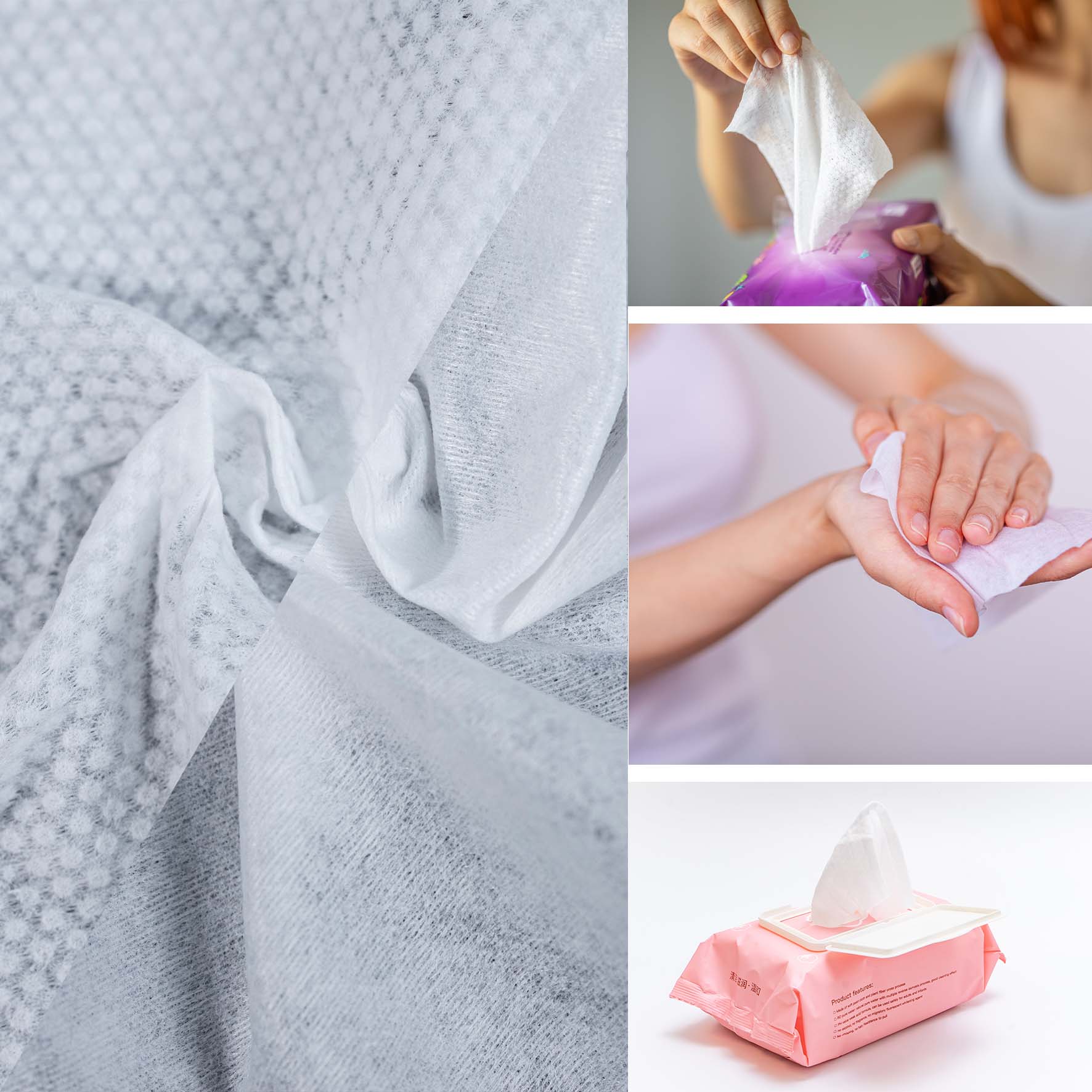
Viscose spunlace nonwoven fabric for wet wipes is valued for its softness, absorbency, and skin-friendly feel, making it a popular choice for baby wipes, facial wipes, and personal care products.
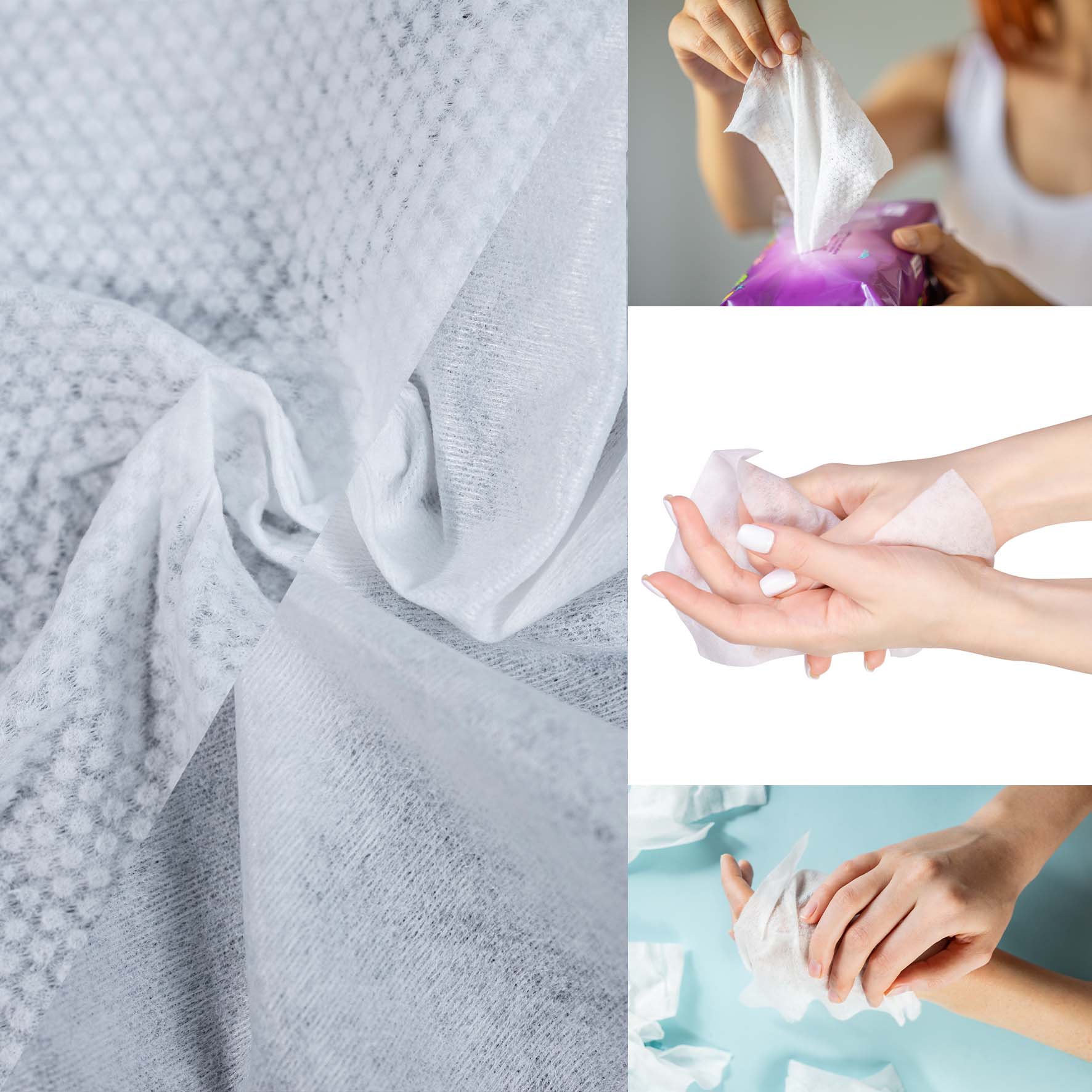
Spunlace nonwoven fabric for wet wipes can be made from viscose, polyester, wood pulp, bamboo fiber, cotton, and more. Different markets and product grades prefer different materials.
-
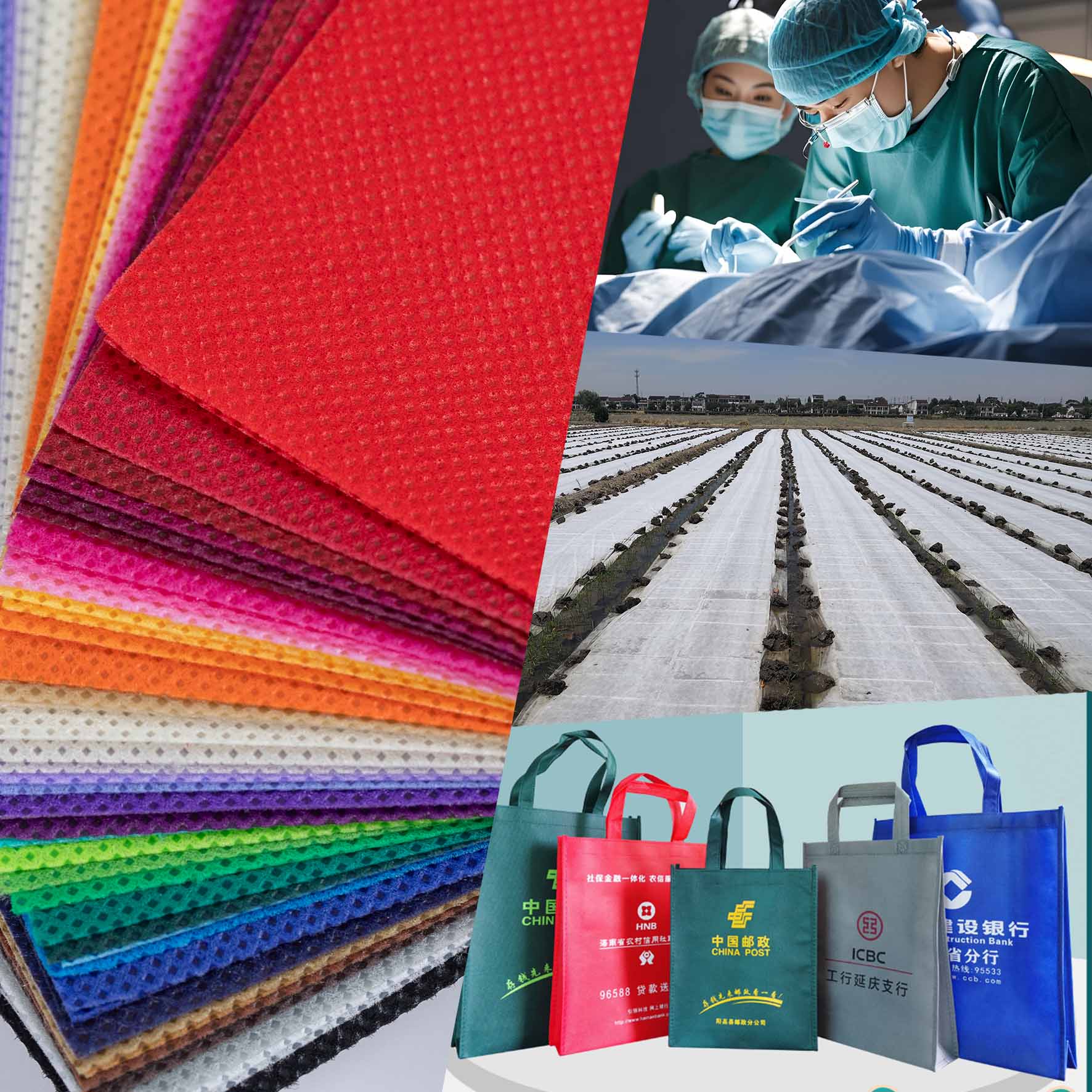
TNT non woven fabric usually refers to PP spunbond nonwoven fabric, a widely used material for medical, packaging, and hygiene applications.
-
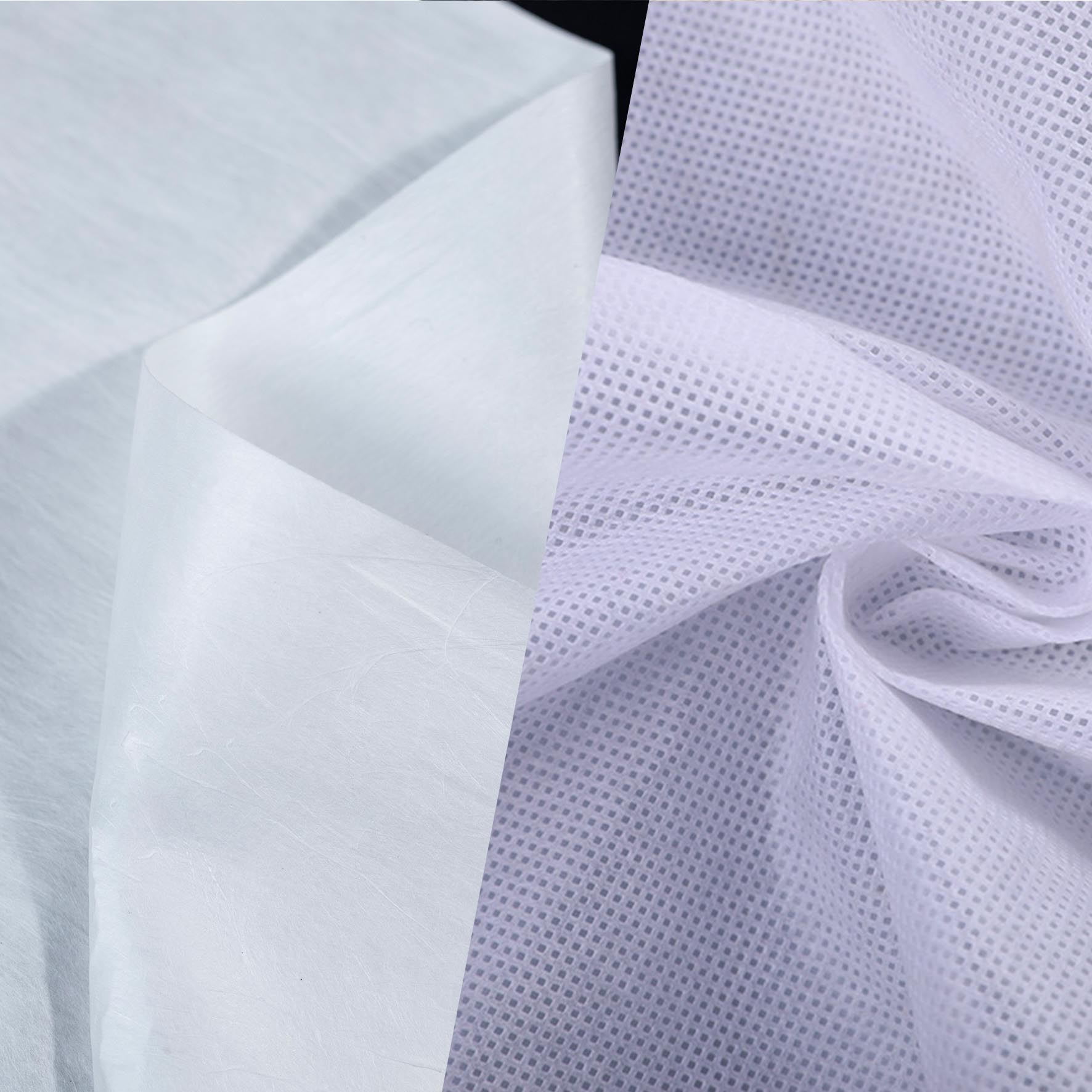
Meltblown vs spunbond compares fiber size, strength, filtration, and applications to help buyers choose the right nonwoven material.

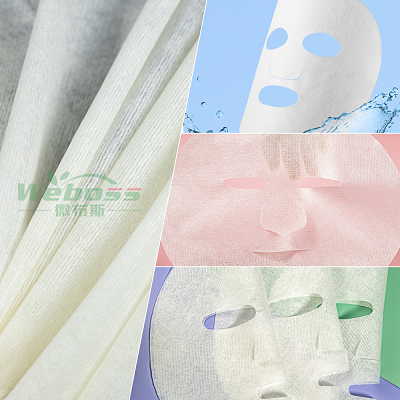
Spunlace nonwoven fabric is the primary and most widely used material for facial sheet masks in the global skincare industry. Its ultra-soft texture, excellent absorbency, and high skin compatibility make it the industry standard for facial mask spunlace nonwoven fabric applications.
-
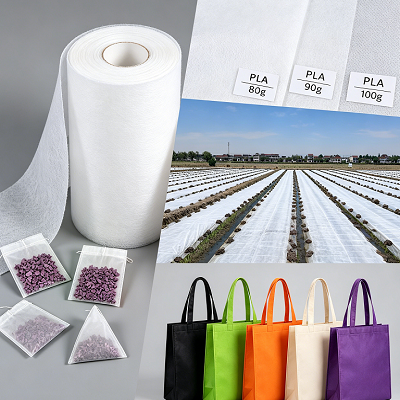
As global regulations on plastic reduction tighten and sustainability becomes a core driver of industrial transformation, PLA Spunbond Nonwoven Fabric has emerged as one of the most important eco-friendly materials in the nonwoven industry.
-
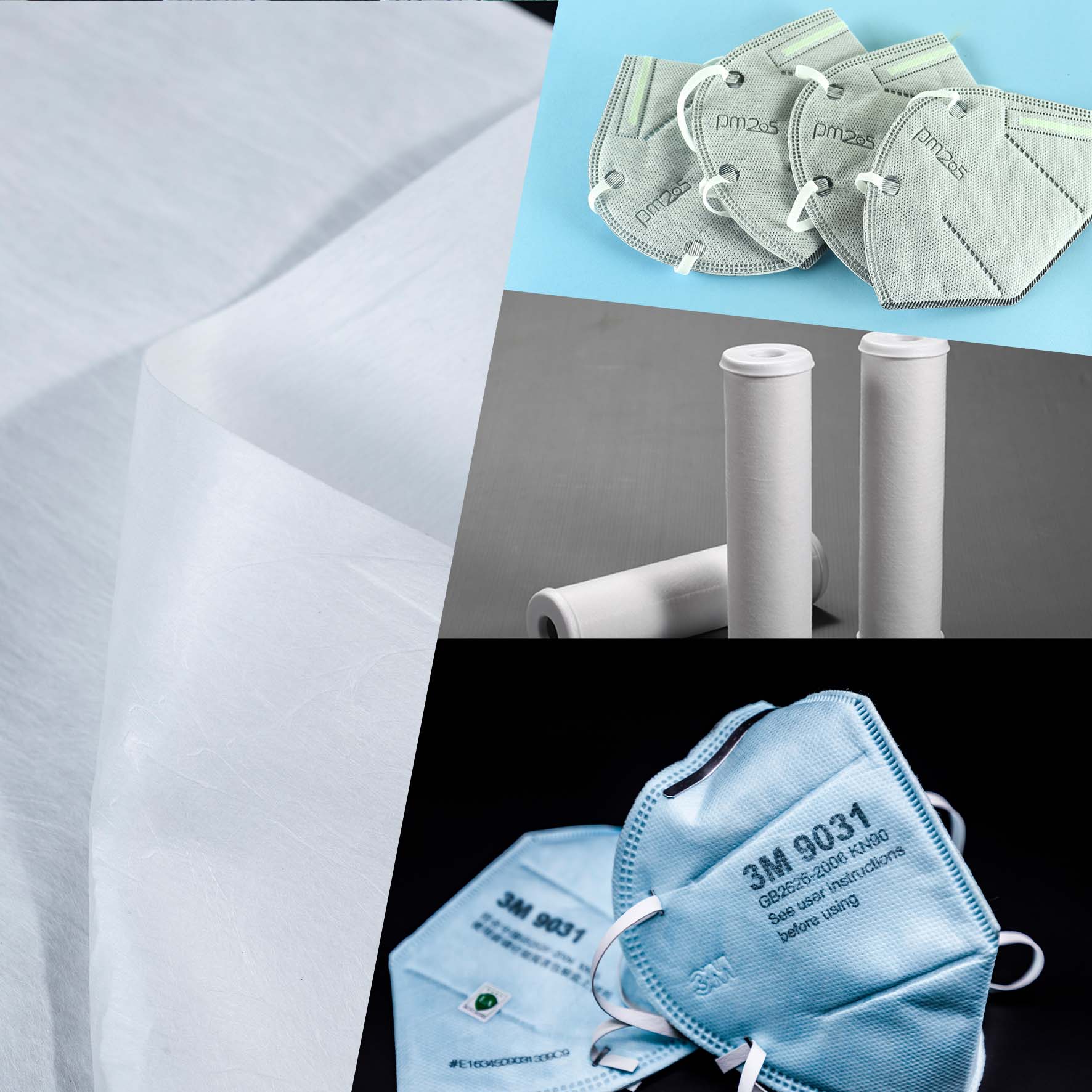
Electret meltblown fabric is a charged filtration material designed to improve particle capture efficiency while maintaining good breathability.